

03 Apr Ceramic Foam Filter CFF
High-performance Ceramic Foam Filter CFF technology is the critical gatekeeper of metallurgical purity in modern aluminum casting. By leveraging a three-dimensional tortuous path, these advanced CFF plates effectively capture non-metallic inclusions and micro-oxides as small as 10 microns, significantly reducing scrap rates and enhancing the surface integrity of critical alloys. AdTech’s specialized porous materials are engineered for maximum thermal stability and consistent flow control, providing a robust solution for high-volume automotive and aerospace aluminum production.
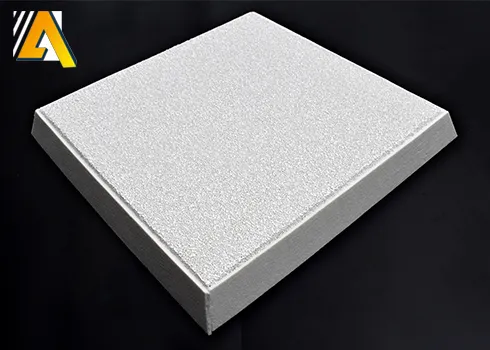
Foam Ceramic filters
What is the basic structure and classification of a Ceramic Foam Filter CFF?
Understanding the physical architecture of a Ceramic Foam Filter CFF is essential for any plant manager aiming to optimize their filtration efficiency. A CFF is not merely a mesh; it is a high-tech porous functional ceramic material designed to withstand extreme thermal shock and chemical erosion.
The basic structure and classification of a non-stick aluminum Ceramic Foam Filter CFF involve several precision-engineered components. A standard Ceramic Foam Filter CFF plate consists of a base plate, a surface film, a water outlet, and a positioning seat. These parts work in unison to ensure the filter remains stable within the launder or filter box under the immense pressure of molten metal.
The “board base layer” is the core of the plate. It is filled with criss-crossing capillary pores, typically ranging from 1 to 10 microns in diameter. These microscopic channels serve as the filtrate (or water) channels. Depending on the specific metallurgical or industrial requirements, the components of the Ceramic Foam Filter CFF plate include:
- Corundum (Alumina): Ideal for aluminum and its alloys.
- Silicon Carbide: Often selected for copper or iron casting due to its superior thermal conductivity.
- Stainless Steel/Polymer Materials: Used primarily for the outlet and positioning base to provide structural rigidity.
If your project requires the use of ceramic foam filter, you can contact us for a free quote.
Table 1: Technical Material Specifications for AdTech CFF Plates
| Property | Alumina (Standard) | Silicon Carbide (SiC) | Diatomite (Water Grade) |
|---|---|---|---|
| Bulk Density | 0.40 – 0.55 g/cm³ | 0.60 – 0.80 g/cm³ | 0.30 – 0.45 g/cm³ |
| Compressive Strength | ≥ 1.2 MPa | ≥ 1.5 MPa | ≥ 0.8 MPa |
| Operating Temp | 1200°C | 1500°C | 800°C |
| Porosity | 80% – 90% | 75% – 85% | 85% – 92% |
| Chemical Stability | Acid/Alkali Resistant | High Erosion Resistance | Neutral / Anti-bacterial |
Note: This data represents average performance values measured under ISO 9001:2015 quality control environments.
Why is uniform pore size distribution critical for aluminum casting?
From my years of experience on the foundry floor, I’ve seen that the most common cause of “slippage” in quality is inconsistent pore distribution. If a Ceramic Foam Filter CFF has “dead zones” or oversized holes, the molten metal will naturally follow the path of least resistance. This leads to localized high-velocity flow, which actually pulls inclusions through the filter rather than trapping them—a phenomenon often called “inclusion bypass.”
A high-quality non-stick aluminum Ceramic Foam Filter CFF plate features a uniform pore size distribution. This uniformity is the secret to high-yield production, allowing for:
- High Filtration Accuracy: Achieving precision up to 0.1 microns in specialized high-purity applications.
- Stable Flow Rates: This prevents the “surging” of metal which can disturb the mold surface or cause dangerous turbulence in the launder.
- Deep-Bed Filtration: The “tortuous path” ensures that inclusions are trapped throughout the entire thickness of the filter, not just on the surface.
Furthermore, these plates are designed for longevity and regeneration. In specific industrial settings, they can be brushed, sanded, rinsed, and backwashed to extend their service life. For example, in water-based applications, the microporous Ceramic Foam Filter CFF—often based on diatomaceous earth as the main raw material—is uniformly covered with silver ions. This adds a critical antibacterial and antiseptic layer, effectively removing bacteria, viruses, and fine-grained impurities. This technology is now widely used in mineral water purification and sterile water preparation for the medical and electronics industries.
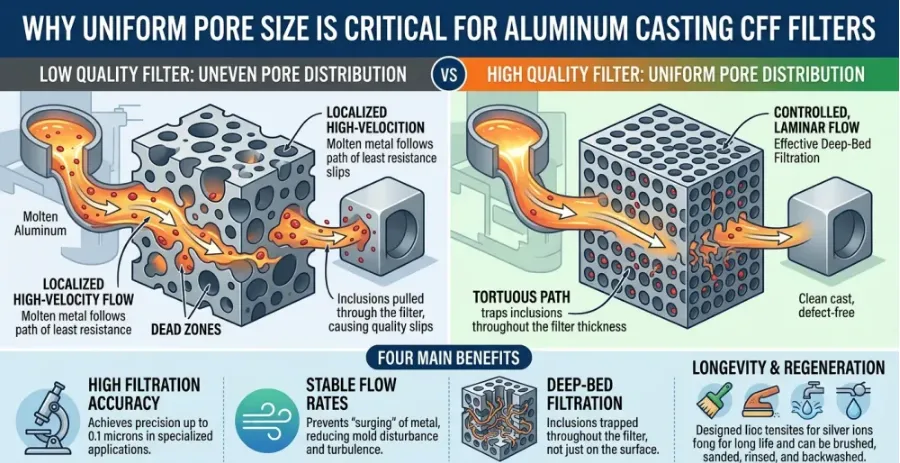
The importance of uniform pore size distribution for aluminum casting
How do you interpret Ceramic Foam Filter CFF plate representation and coding?
When specifying filters for a production run, accuracy in nomenclature prevents costly mistakes. We use a standardized method to represent the dimensions and capabilities of our plates.
Example: KBT-3/2-II
- KBT: This is the specific industry code for Ceramic Foam Filter CFF plates.
- 3: Indicates the surface area, such as a 3 square meter Ceramic Foam Filter CFF plate (3m²/circle).
- 2: Refers to the surface aperture code, with the unit being μm (microns).
- II: This indicates the modification code, denoting specific material enhancements or non-stick coatings.
By understanding this coding, procurement teams can ensure they are ordering a filter with the correct mechanical strength and “head pressure” requirements for their specific launder depth.
Table 2: Filter Pore Density (PPI) and Capture Efficiency
| PPI (Pores Per Inch) | Average Pore Size (mm) | Capture Efficiency (>20μm) | Best Use Case | |
|---|---|---|---|---|
| 10 PPI | 2.59 | 78% | Primary aluminum / Scrap melting | |
| 20 PPI | 1.27 | 88% | Standard billets and casting | |
| 30 PPI | 0.84 | 96% | High-quality extrusion ingots | |
| 40 PPI | 0.58 | 98.5% | Aerospace/Foil stock | |
| 50 PPI | 0.42 | 99.8% |
|
Efficiency data is derived from PoDFA (Porous Disc Filtration Apparatus) testing, the global standard for metal cleanliness per industry norms.
What are the main features and advantages of non-stick aluminum CFF plates?
The modern Ceramic Foam Filter CFF has evolved to replace outdated materials like cotton, silk fabric, plastic, metal mesh, and asbestos. Its advantages are particularly evident in harsh environments like petroleum, chemical, and metallurgical industries.
The primary features include:
- High Mechanical Strength: The micro-holes do not deform even under intense fluid pressure.
- Corrosion Resistance: It remains inert even when exposed to aggressive fluxes or secondary pollution sources.
- Thermal Shock Resistance: It can withstand the sudden transition from ambient temperature to 750°C without cracking.
- Environmental “Three Wastes” Compliance: It is highly effective in solid-liquid separation, gas-liquid separation, and powder conveying. It is especially suited for filtering boiler dust removal wastewater and flushing water.
The “Precipitation + microporous Ceramic Foam Filter CFF” technology is a novel design that is both simple in construction and economical. This makes it an attractive option for industrial enterprises looking to upgrade their environmental protection systems without massive capital expenditure.
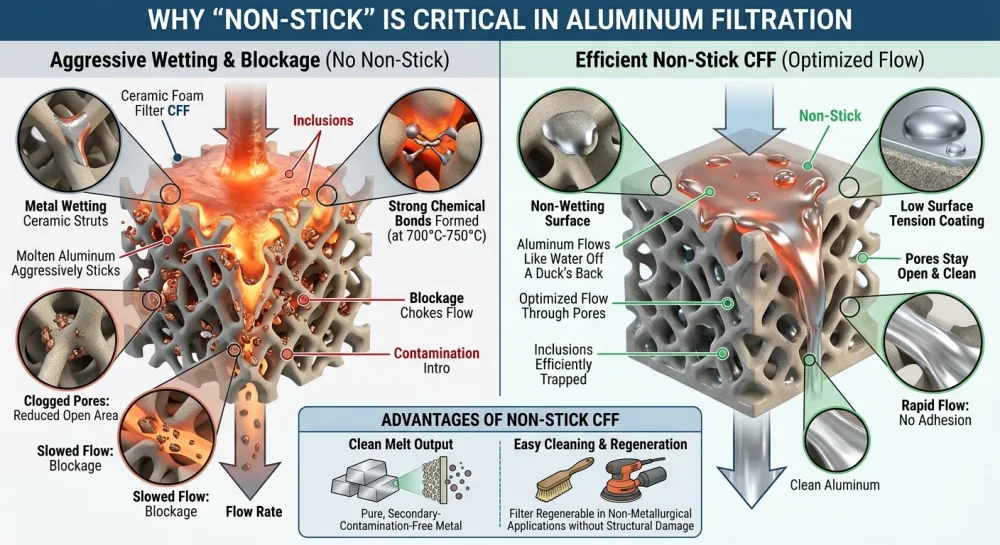
the importance of non-stick feature in aluminum filtration
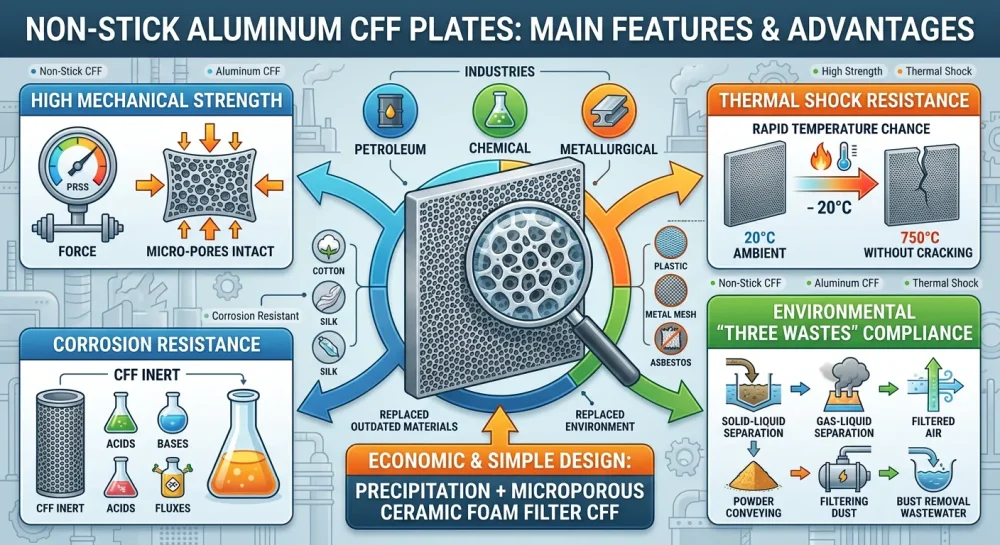
advantages of non-stick aluminum ceramic foam filter
AdTech Real Case: Transformation of a 6xxx Series Billet Line in Egypt
One of our most significant success stories comes from a large-scale aluminum extrusion plant in Egypt. Before partnering with us, they were experiencing a 14% rejection rate on their 6063-grade billets due to “black spot” inclusions visible after anodizing.
The Initial Setup:
The client was using a basic 20 PPI filter from a local supplier and was not using any refining flux. The metal flow was turbulent, and they were plagued by “slippage” in their quality control.
Our Intervention:
A technical team was dispatched to perform a full audit of their molten metal treatment process. We suggested a three-step upgrade:
- Installation of AdTech’s high-precision 30 PPI and 40 PPI Ceramic Foam Filter CFF plates.
- Implementation of a specialized filter box with better sealing gaskets to prevent bypass.
- Integration of our automated degassing unit to reduce hydrogen levels and coagulate oxides.
The Result:
The results were immediate. In the first month, their rejection rate dropped from 14% to a mere 1.8%. The “black spot” issue was completely eliminated. Because the billets were cleaner, the client’s own customers reported a 20% increase in their extrusion speed because the cleaner metal reduced friction on the dies.
Long-term Success:
What started as a trial has turned into a five-year partnership. They have since converted all four of their production lines to AdTech products. This case proves that the right Ceramic Foam Filter CFF isn’t an expense—it’s a high-ROI investment that pays for itself through scrap reduction and improved customer satisfaction.
Table 3: Performance Comparison: CFF vs. Traditional Media
| Feature | Ceramic Foam Filter CFF | Fiberglass Mesh | Metal Wire Screen |
|---|---|---|---|
| Filtration Mechanism | Deep-Bed (3D) | Surface (2D) | Surface (2D) |
| Temp Resistance | Up to 1200°C | Up to 700°C | Up to 650°C |
| Flow Pattern | Laminar (Smooth) | Turbulent | Turbulent |
| Inclusion Removal | High (Down to 10μm) | Moderate (>500μm) | Low (>1000μm) |
| Chemical Reactivity | Non-stick / Inert | Possible Contamination | High (Iron Pickup) |
How do you maximize the service life of your CFF plates?
In my professional opinion, the lifespan and efficiency of a Ceramic Foam Filter CFF are 50% dependent on the product quality and 50% on how it is handled.
- Strict Pre-heating Protocols: Never let molten metal hit a cold filter. Pre-heating to at least 450°C is mandatory to prevent thermal shock and “freezing” in the micro-holes.
- Perfect Sealing: Use high-quality expandable ceramic fiber gaskets. If you can see even a tiny gap between the plate and the box wall, you have a bypass problem.
- Gentle Priming: Allow the metal head to rise slowly. A sudden surge can cause mechanical stress on the board base layer.
- Post-Cast Inspection: Always inspect the filter after the pour. The “cake” formed on the surface can tell you a lot about your upstream degassing and fluxing efficiency.
By treating the Ceramic Foam Filter CFF as a precision instrument rather than a disposable block, plants can achieve far more stable results.
Table 4: Application Scope of AdTech CFF Plates across Industries
| Industry | Specific Application | Required Property |
|---|---|---|
| Metallurgy | Al/Cu/Fe Casting | Thermal Shock Resistance |
| Petroleum | Oil-Water Separation | Chemical Inertness |
| Environmental | Boiler Wastewater | Resistance to Clogging |
| Medical | Sterile Water Prep | Antibacterial (Silver Ions) |
| Food & Beverage | Wine/Juice Clarification | Uniform Pore Distribution |
| Application data is gathered from global client implementation reports across 30+ countries. |
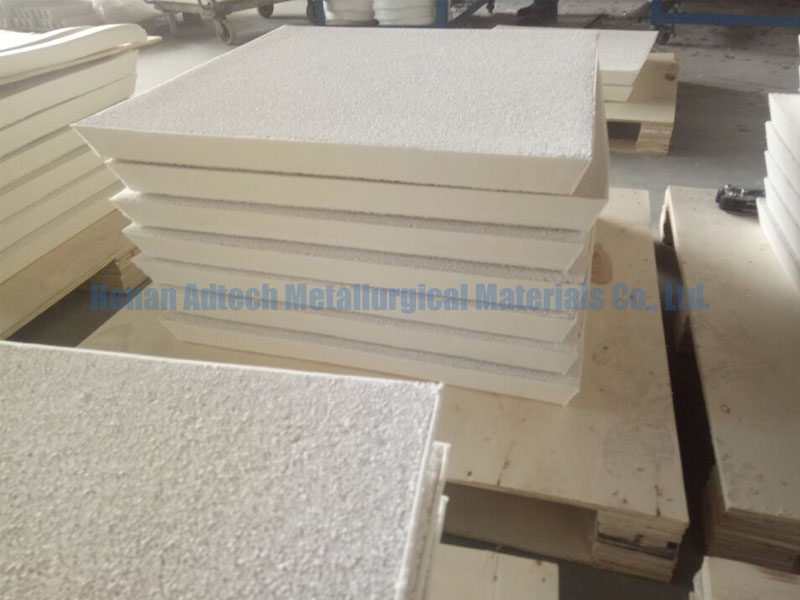
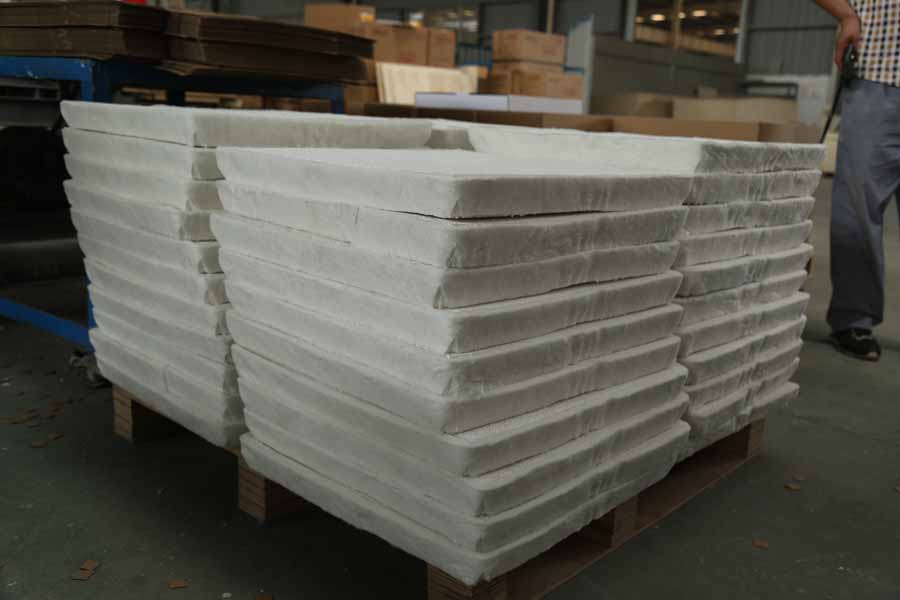
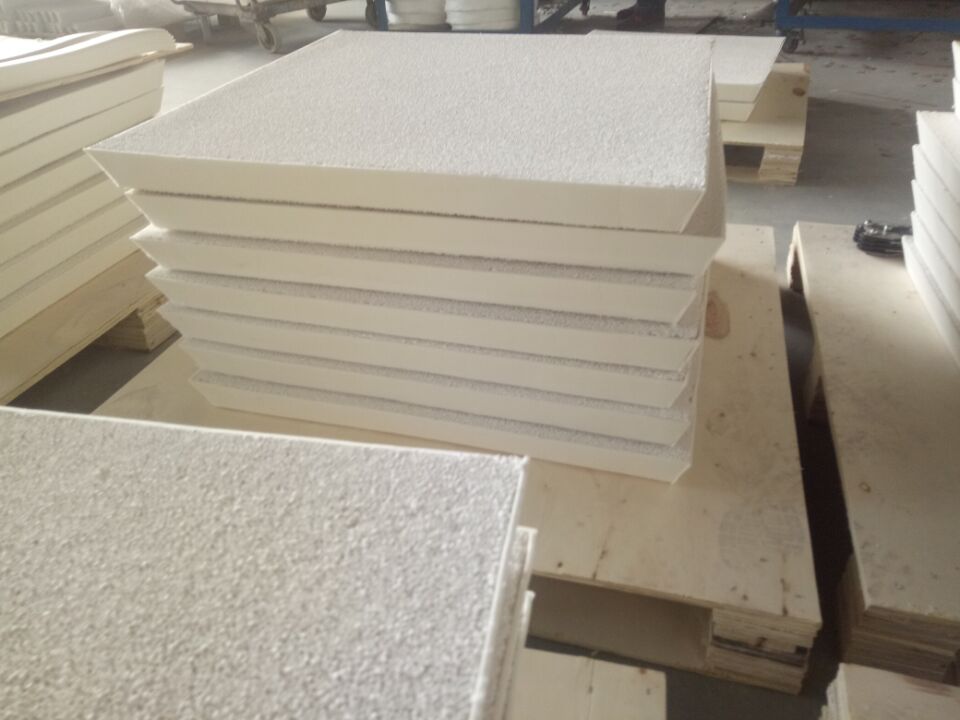
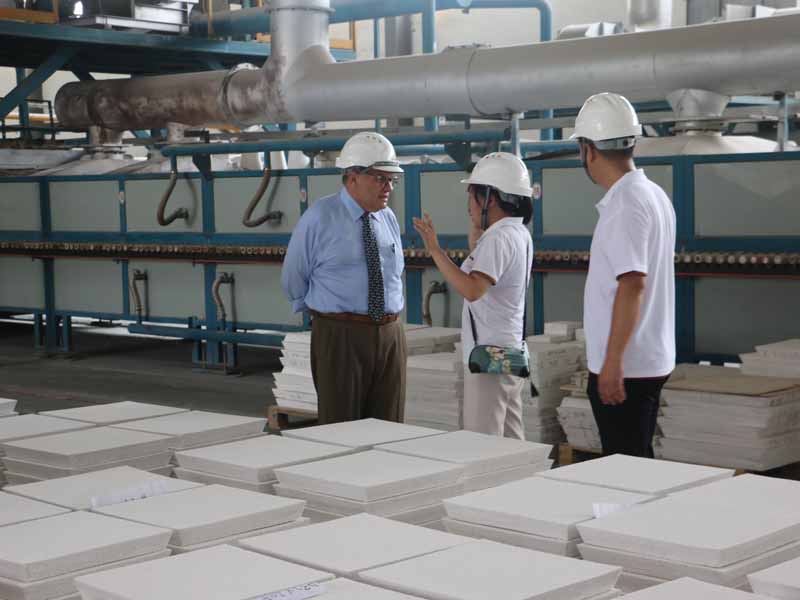
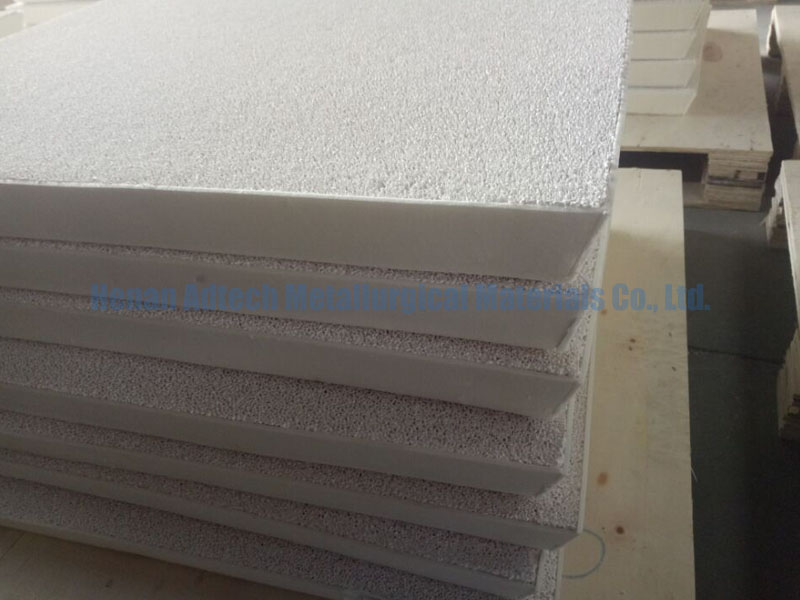
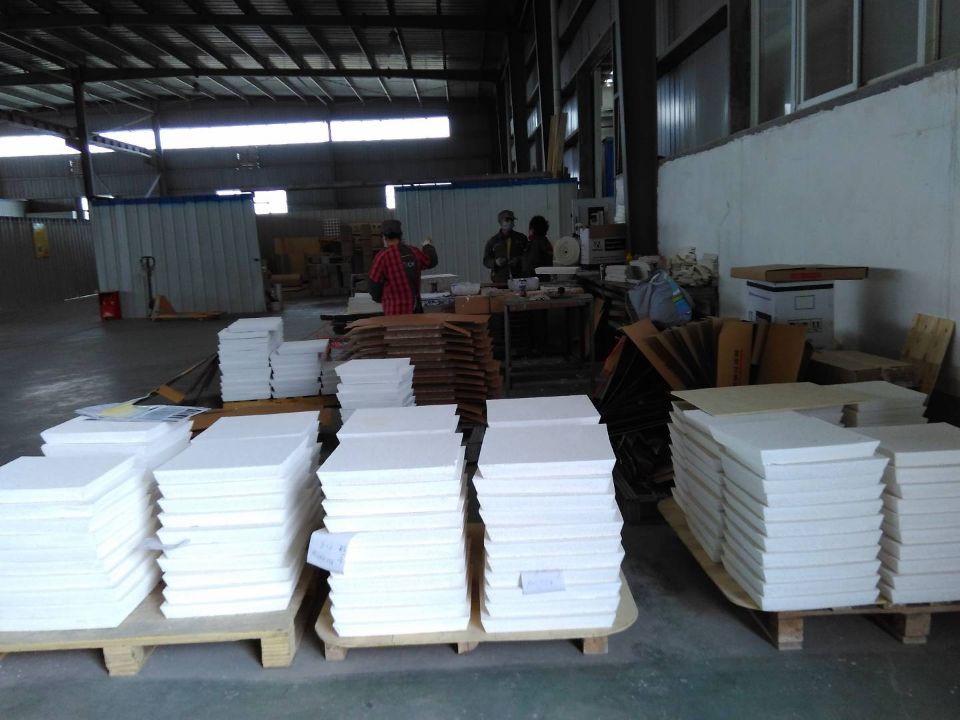
Ceramic foam filter stock in factory
The Role of CFF in Global Sustainability and the “Three Wastes”
The industrial world is under increasing pressure to meet ESG (Environmental, Social, and Governance) goals. The Ceramic Foam Filter CFF plays a surprisingly large role here. In environmental protection, the “three wastes” (solid, liquid, gas) must be handled with zero secondary pollution.
Because our plates use materials like corundum and diatomaceous earth—which are stable and non-toxic—they do not leach harmful substances into the environment. Whether it’s powder conveying in a cement plant or gas-liquid separation in a refinery, the CFF provides a mechanical solution that reduces the need for chemical additives.
The high mechanical strength and corrosion resistance mean that these filters don’t break down into micro-plastics or metal fragments. For a modern factory, switching to a high-efficiency Ceramic Foam Filter CFF setup is one of the easiest ways to improve “Green” credentials while simultaneously boosting the bottom line through higher production yields.
Why Quality Matters in Filtration
Choosing the right Ceramic Foam Filter CFF is the difference between a high-margin premium product and a pile of scrap metal. As we’ve discussed, the uniform pore size distribution, the “non-stick” chemical profile, and the structural integrity of the KBT-coded plates are all designed with one goal: purity.
Whether you are filtering molten aluminum for the next generation of electric vehicles or purifying water for sensitive electronic components, the science remains the same. A filter is only as good as its most inconsistent pore. By choosing AdTech’s precision-engineered products, you are ensuring that your process is backed by decades of refractory expertise and real-world success.
In the long run, the stability provided by a high-grade Ceramic Foam Filter CFF far outweighs the initial cost. It is the silent, porous heart of a successful production line.
FAQ
1. What is a Ceramic Foam Filter CFF used for?
A Ceramic Foam Filter CFF is primarily used to remove non-metallic inclusions and impurities from molten aluminum. Its 3D porous structure creates a tortuous path that traps oxides and dross, ensuring high metallurgical purity and improving the surface quality of the final cast product.
2. How do I choose the right PPI for my Ceramic Foam Filter CFF?
The PPI (Pores Per Inch) depends on your purity requirements. Use 20-30 PPI for standard extrusion billets and 40-60 PPI for high-end aerospace or foil applications. Higher PPI filters offer finer filtration but require more “metal head” pressure to initiate flow.
3. What materials are used in a Ceramic Foam Filter CFF?
High-quality Ceramic Foam Filter CFF plates are typically made from Alumina (Corundum) for aluminum alloys or Silicon Carbide for copper and iron. These materials provide the necessary thermal shock resistance and chemical inertness required for high-temperature filtration.
4. Do I need to pre-heat a Ceramic Foam Filter CFF before use?
Yes, pre-heating the Ceramic Foam Filter CFF to approximately 450°C – 500°C is critical. This prevents “thermal shock” which could crack the filter and stops the molten metal from “freezing” within the pores during the initial pour.
5. How does a Ceramic Foam Filter CFF improve casting yield?
A Ceramic Foam Filter CFF improves yield by reducing scrap caused by internal inclusions and surface defects. By creating a laminar flow and removing harmful oxides, it ensures that a higher percentage of cast billets meet rigorous quality standards for aerospace or automotive use.
6. Can a Ceramic Foam Filter CFF be reused?
In metallurgical applications, a Ceramic Foam Filter CFF is typically a single-use consumable to prevent cross-contamination. However, in low-temperature liquid filtration or water treatment, certain CFF plates can be regenerated through brushing, rinsing, or backwashing.
7. What causes a Ceramic Foam Filter CFF to clog?
Clogging usually occurs due to excessive upstream dross, improper pre-heating, or using a PPI that is too fine for the specific alloy. If the metal “freezes” in the capillary pores or if the inclusion load is too high, the flow rate will drop significantly.
8. How do I prevent metal bypass around the CFF plate?
To prevent metal bypass, ensure the Ceramic Foam Filter CFF is fitted with a high-quality, expandable ceramic fiber gasket. A tight seal between the filter and the filter box wall forces all molten metal to pass through the filter pores rather than around them.
9. What are the advantages of “Non-Stick” CFF plates?
Non-stick Ceramic Foam Filter CFF plates have low surface tension with molten aluminum, which prevents chemical “biting” and reduces flow resistance. This ensures a more stable flow and prevents the filter from introducing secondary pollution into the melt.
10. Can Ceramic Foam Filter CFF be used for water purification?
Yes, specialized microporous Ceramic Foam Filter CFF plates made from diatomaceous earth are used for water purification. When treated with silver ions, they provide antibacterial and antiseptic effects, removing bacteria and fine impurities from industrial or sterile water systems.
Related posts:
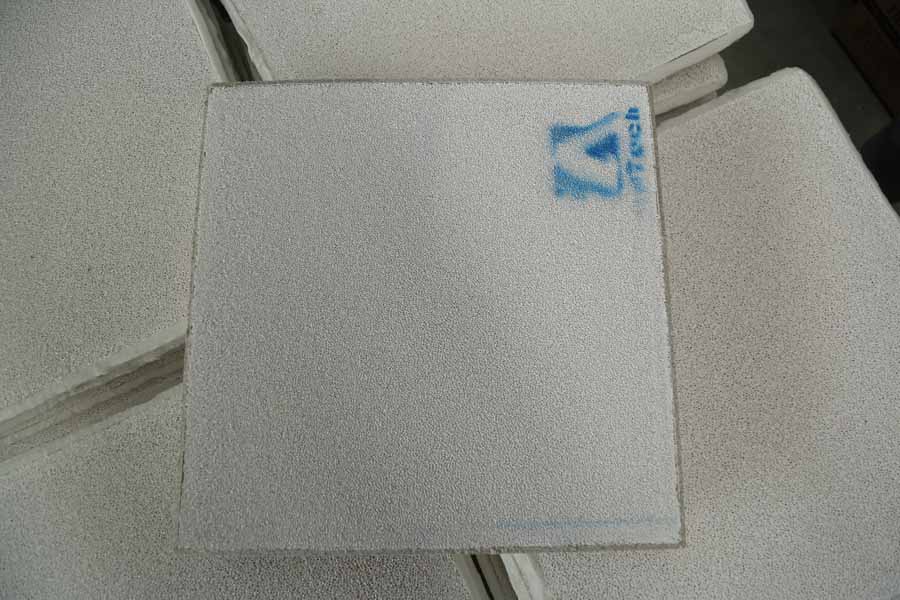 Ceramic Foam Filter Suppliers
 Ceramic Foam Filter For Liquid Aluminum
 Ceramic Filter Suppliers
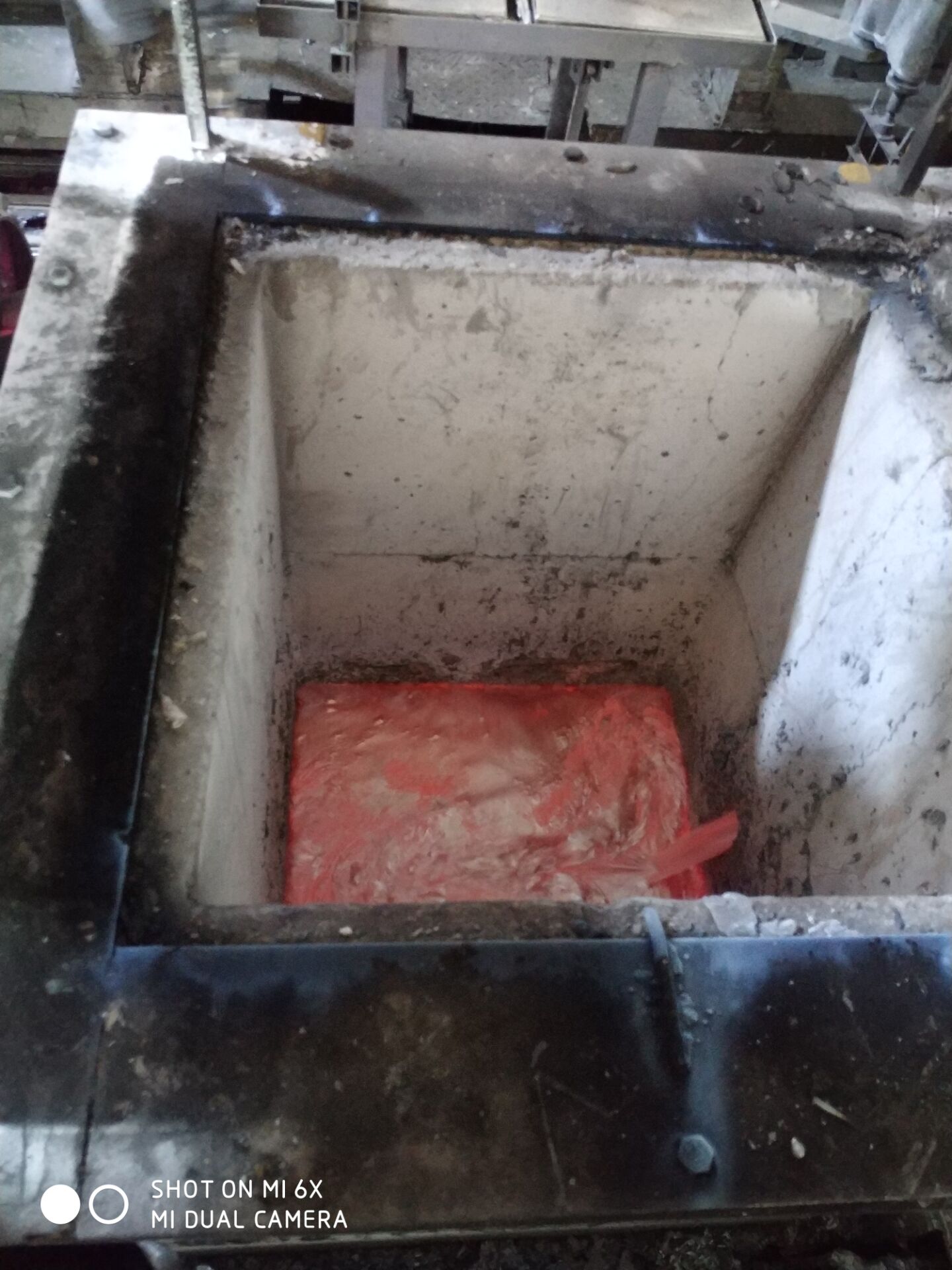 Ceramic Foam Filter Argentina Aluminium
 Ceramic Foam Filter Thailand
 Alumina Ceramic Foam Filter Plate
 Alumina Foam Ceramic Filter
 Ceramic Foam Filters Manufacturers
 Filter Foam Manufacturers
 Cff Filter Factory
 Aluminium and filtration Wetting behavior with Al2O3 and SiC ceramic foam filters
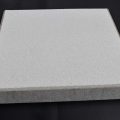 Ceramic Foam Filter Smelter Kap
 Alumina Porous Ceramic Foam Filter Plate
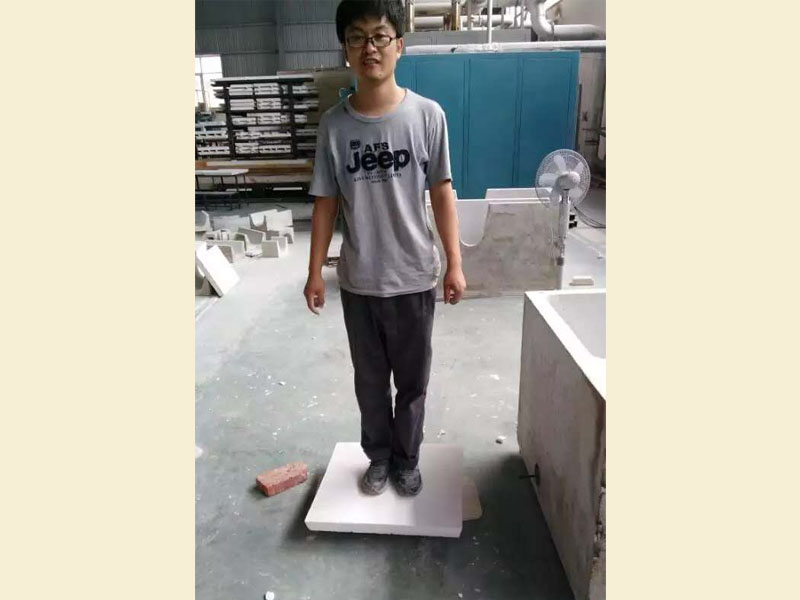 High Strength Ceramic Filter
No Comments