

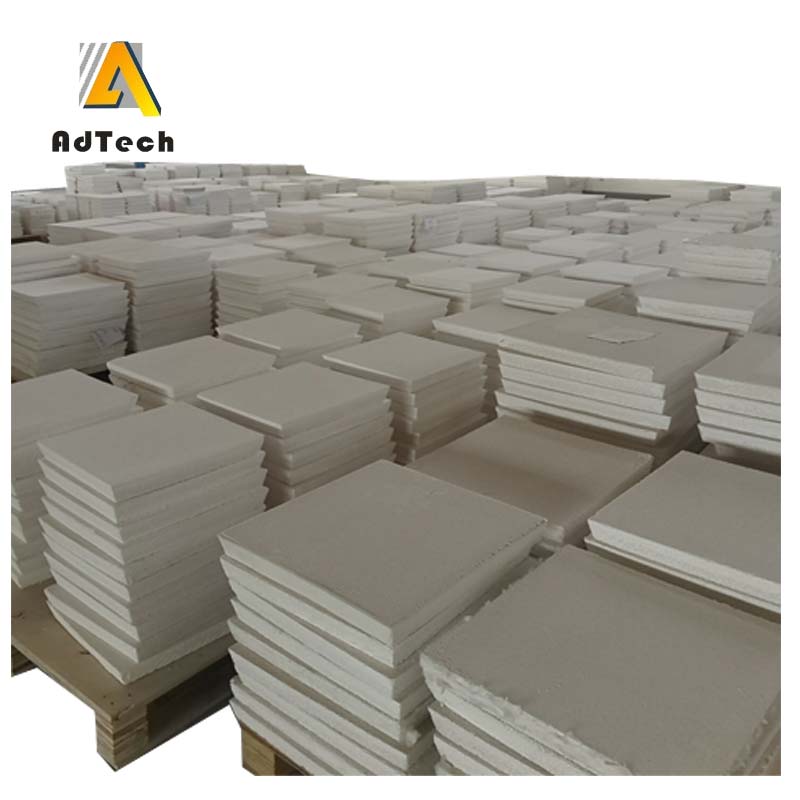
15 Temmuz Ateşaltı Malzemeden Üretilmiş Seramik Köpük Filtre
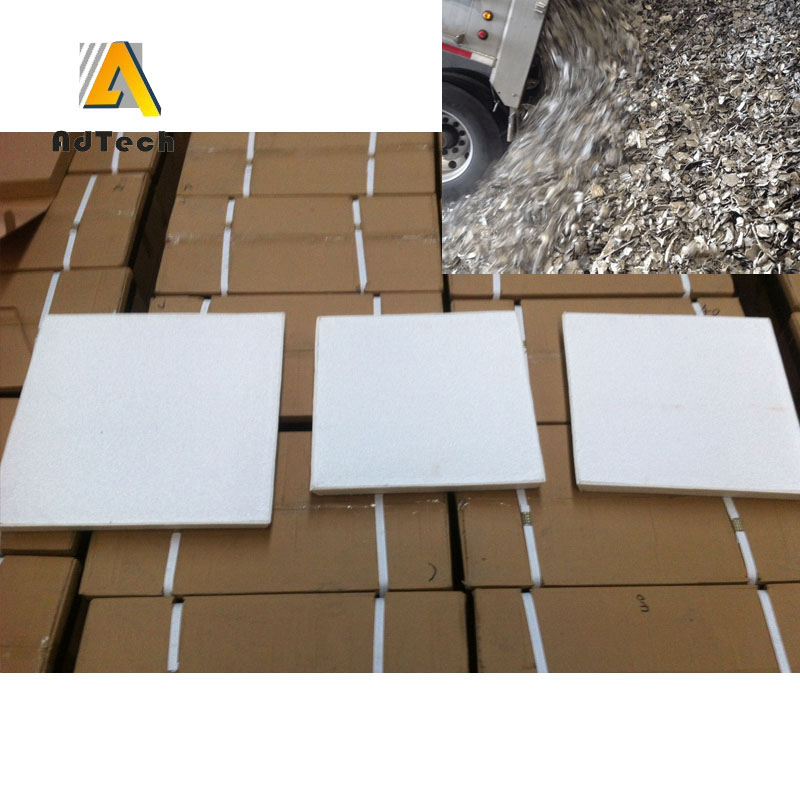
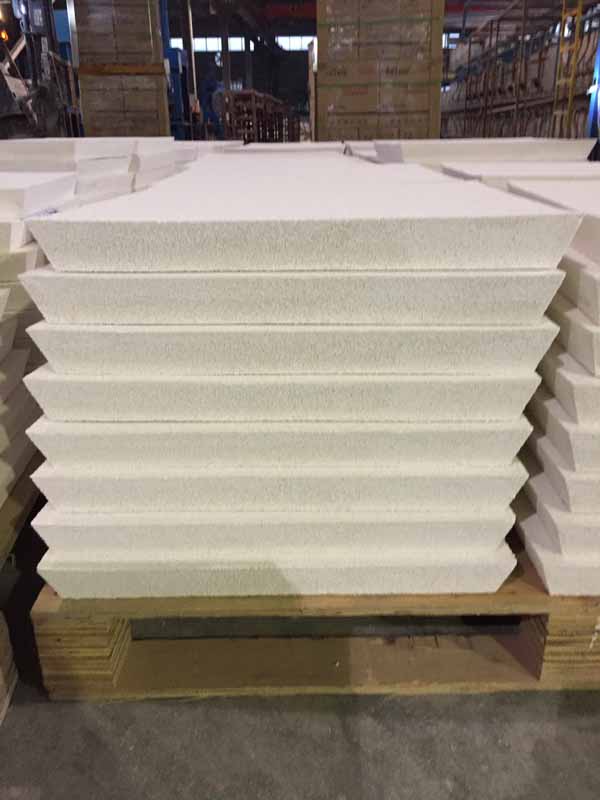
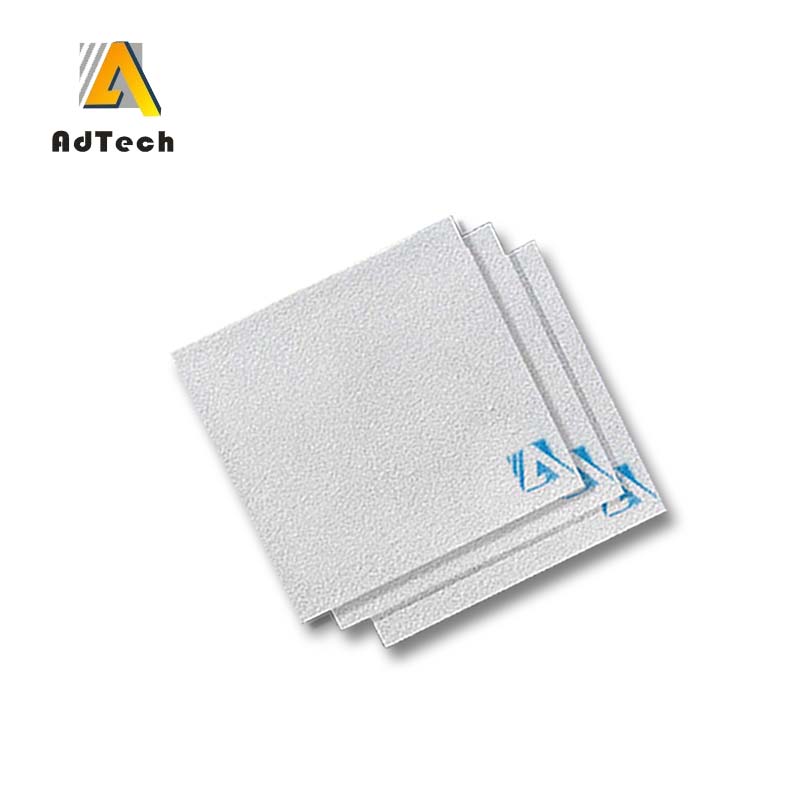
Ateşaltı Malzemeden Üretilmiş Seramik Köpük Filtre
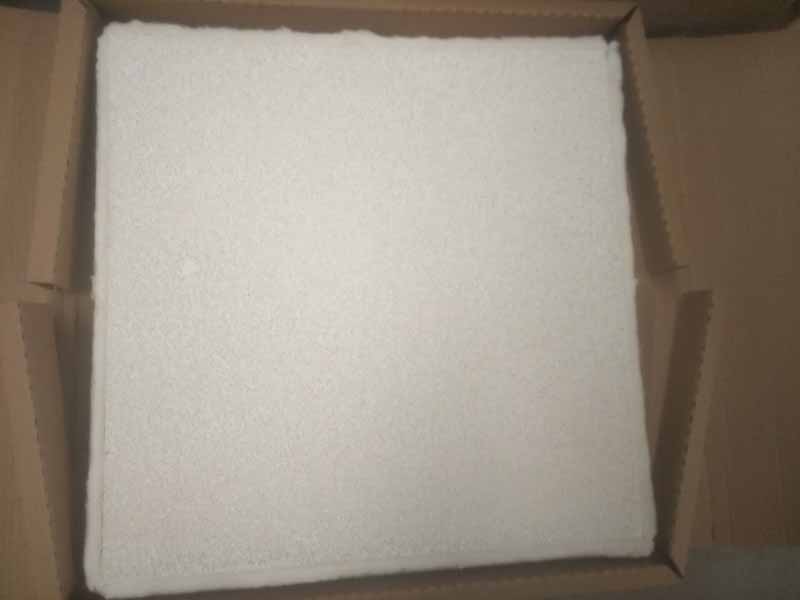
Alüminyum ve alaşım çözeltilerinin süzülmesi için 1250 °C’ye kadar sıcaklıklara dayanıklı refrakter malzeme seramik köpük filtre.
Ateşaltı Malzemeden Üretilmiş Seramik Köpük Filtre: Alüminyum dökümlerin giderek artan kalite gereksinimlerini karşılamak için, Seramik Köpük Filtre CFF giderek daha fazla önem kazanmaktadır. Filtreler, gelgit dökümü gibi sıradan kum dökümlerinde ve otomotiv alüminyum parça dökümü gibi kalıcı kalıplarla yapılan dökümlerde de yaygın olarak kullanılmaktadır.
Ateşaltı Malzeme Seramik Köpük Filtresi, aşağıdaki hususlara dayalı bir filtreleme işlemi kullanır. Bir yandan, bu filtreleme işlemi sıvı alüminyumun akışını düzenli ve nispeten sakin hale getirirken, diğer yandan erimiş metal içindeki katı cüruf etkili bir şekilde uzaklaştırılır ve döküm kalitesi hızla iyileştirilir.
Ateşaltı Malzemesi Seramik Köpük Filtre, erimiş metalden katı yabancı maddeleri etkili bir şekilde giderir; böylece alüminyum alaşımı sorunsuz bir şekilde dövülebilir, alüminyum folyo üretilebilir ve ekstrüzyon işlemleri gerçekleştirilebilir, böylece kusursuz bir alüminyum ürün elde edilebilir.
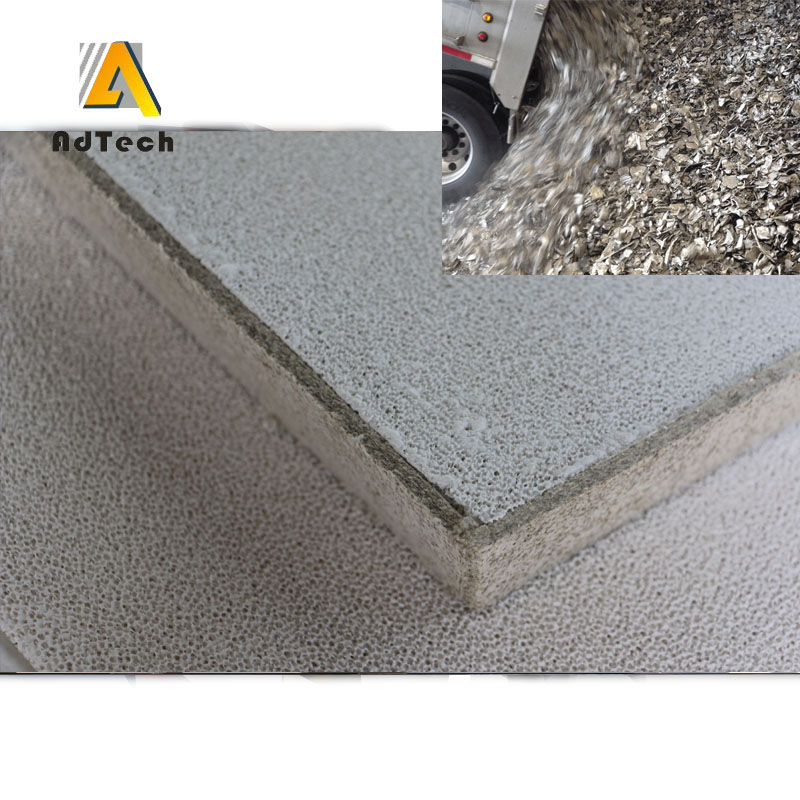
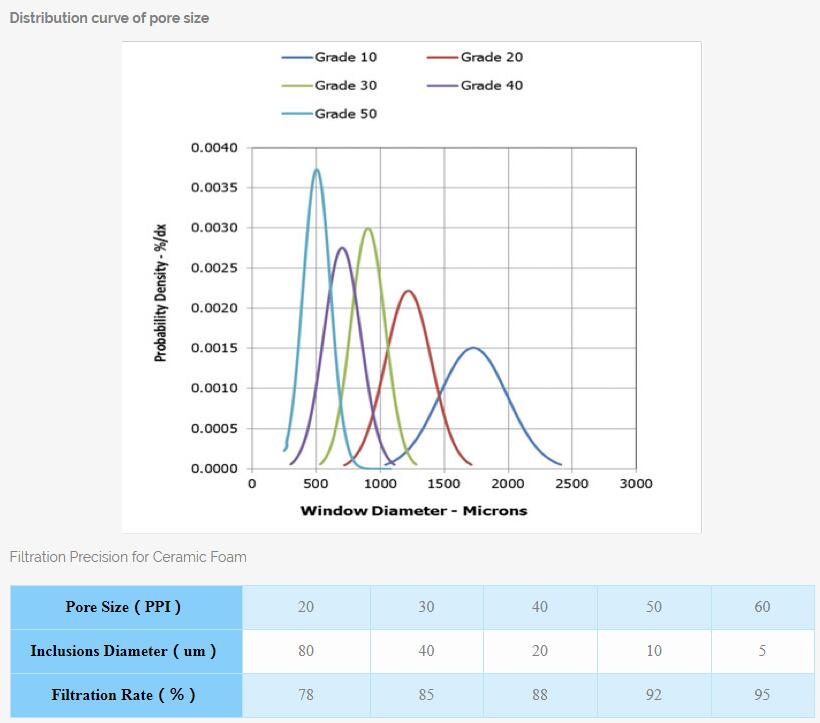
Ürün yelpazesi, 20 ppi’lik iri gözeneklerden 60 ppi’lik çok ince gözenek boyutuna kadar uzanmaktadır; bu sayede ihtiyaçlarınıza uygun bir ürün standardı her zaman bulunacaktır. Hem standart boyutlar hem de müşterinin talep ettiği özel boyutlar, gereksinimleri karşılayabilir.
Ateşaltı Malzemesi Seramik Köpük Filtrenin Gözenekliliği
Gözeneklilik, filtre plakası ürünündeki boşlukların toplam hacminin, filtre plakası ürününün toplam hacmine oranının yüzde olarak ifade edilmesidir.
Gözeneklilik, birim hacim başına köpük seramik filtre plakasının filtreleme kapasitesini belirler.
Porozite ne kadar yüksekse, filtre plakasının filtrasyon akış hızı o kadar yüksek olur ve filtrasyon kapasitesi de o kadar güçlü olur.
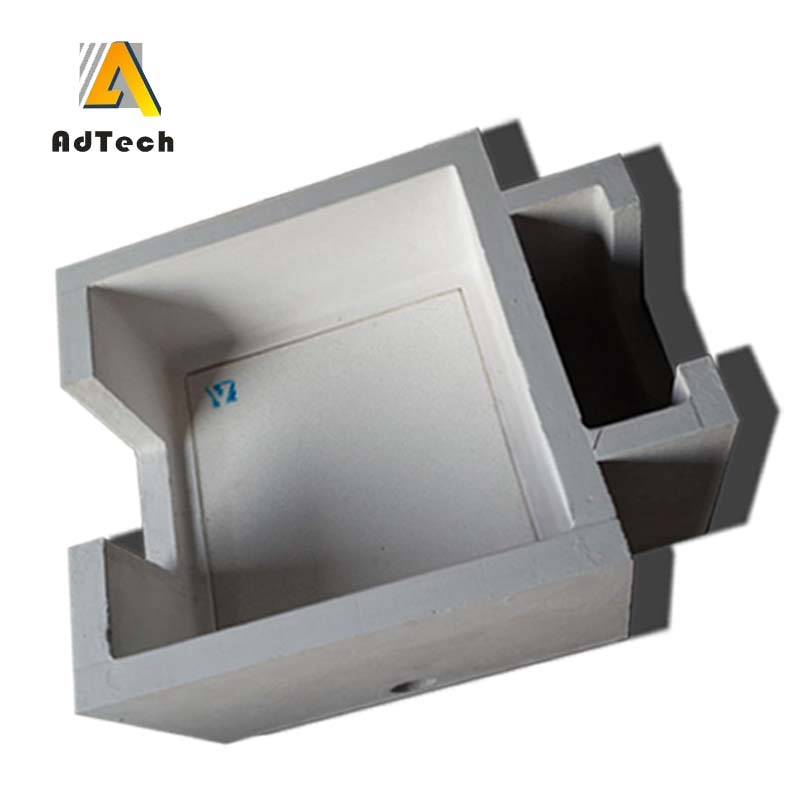
Filtre haznesinin yüzeyini kontrol edin ve temizleyin; temiz ve sağlam kalmasını sağlayın.
Filtreyi filtre haznesine dikkatlice yerleştirin ve erimiş alüminyumun dağılmasını veya yüzeye çıkmasını önlemek için sızdırmazlık contasını filtre çevresine elle bastırın.
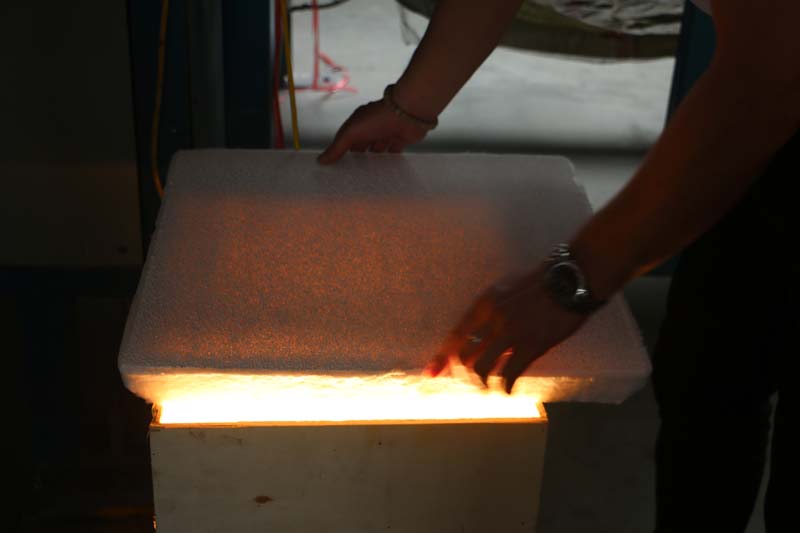
Filtre haznesini ve seramik köpük filtreyi 15-30 dakika boyunca elektrik veya gazla eşit şekilde ön ısıtın; sıcaklıklarının erimiş alüminyuma yakın olduğundan emin olun. Seramik köpük filtre için ön ısıtma sıcaklığı 260 ℃’nin üzerinde olmalıdır. Ön ısıtma sonrasında genleşen pamuk sızdırmazlık sağlayacaktır. Bu işlem, seramik köpük filtrenin erimiş alüminyum içinde sabit bir şekilde tutunmasını sağlar. Ön ısıtma ayrıca seramik köpük filtrenin gözeneklerinin açılmasını sağlar ve termal genleşme ve büzülmeden kaynaklanan tıkanmaları önler.
Erimiş alüminyumun yüksekliğindeki değişimi gözlemleyin ve erimiş alüminyum akışını standart gereklilikler dahilinde tutun. Normal başlangıç erimiş alüminyum yüksekliği 100-150 mm’dir. Erimiş alüminyum akarken yükseklik 75-100 mm’nin altına düşer ve daha sonra yavaş yavaş artar.
Filtreleme sırasında seramik köpük filtreye vurmayın veya sallamayın. Aynı zamanda, oluk içindeki erimiş alüminyum akış hızını kontrol edin; akışın ne çok fazla ne de çok az olmasına dikkat edin.
Süzme işlemi tamamlandıktan sonra seramik köpük filtreyi çıkarın ve filtre haznesini zamanında temizleyin.
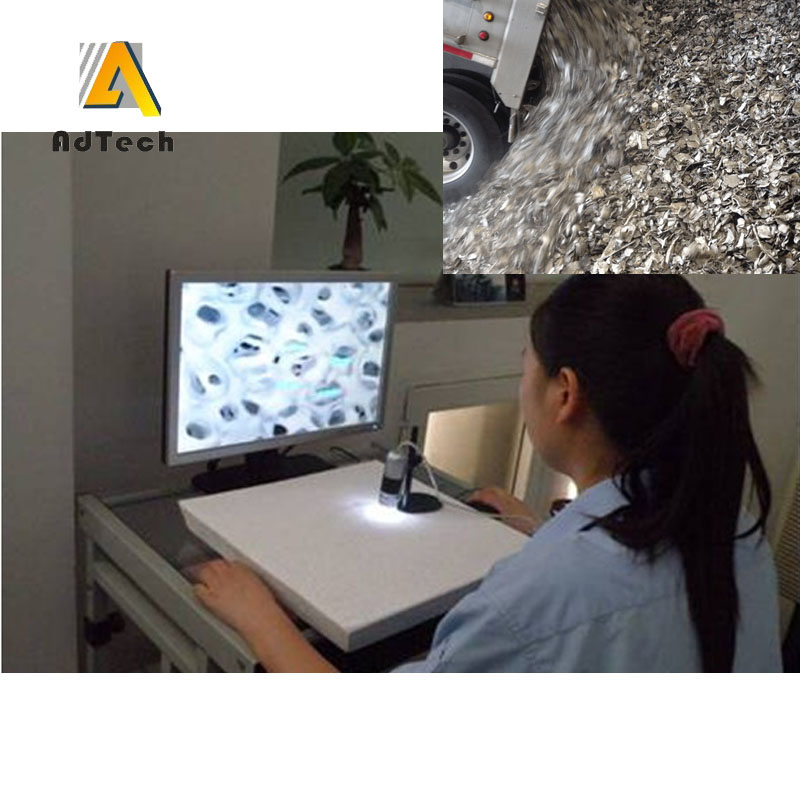
Şu anda gözenekliliği belirlemeye yönelik iki temel yöntem bulunmaktadır.
Bunlardan biri, Arşimet yasasına göre filtre plakasındaki deliğin hacmini hesaplamaktır; yani, su taşma borusundan dışarı akmaya başlayana kadar taşma borusu bulunan cam beher içine su enjekte etmektir.
Su artık dışarı akmadığında su tahlili yapılacaktır.
Tüm numuneler suya dikkatlice yerleştirilir, ardından su taşma borusundan dışarı akar ve bu kısımdaki su hacmi ölçülür.
Taşma suyunun hacmi, filtre plakasının fiziksel hacminden çıkarılır; bu hacim, filtre plakasındaki deliklerin toplam hacmidir.
Başka bir yöntem ise, test edilecek numunenin gerçek yoğunluğunu ve yığın yoğunluğunu ayrı ayrı belirlemek ve ardından aşağıdaki formüle göre numunenin gözenekliliğini hesaplamaktır.
Bu iki yöntemin kendine özgü avantajları ve dezavantajları vardır.
Çalışma yöntemi basit ve kullanışlıdır; algılama hızı da yüksektir; ancak en büyük zayıflığı, filtre plakası malzemesinin kendisinin su emme özelliklerinden kaynaklanmaktadır; bu nedenle tahliye edilen su hacmi, gerçek hacimden daha azdır. Bu durum, ölçülen verilerin gerçek değerden daha düşük çıkmasına neden olur.
İkinci yöntemin test süreci daha karmaşık olsa da, test sırasında filtre plakası malzemesinin su emiliminin etkisi ortadan kaldırılır ve elde edilen veriler nispeten doğrudur.
Bu standartta gözeneklilik indeksi 84%’den fazla olarak belirlenmiştir.
İlgili yazılar:
 Silikon Seramik Köpük Filtre
 Seramik Köpük Filtre Üretim Süreci
 Yüksek Gözenekli Seramik Filtre
 25 Ppi Filtre Köpüğü
 Ppi filtresinin anlamı
 Zirkonya Filtresi
 Alümina Erimiş Metal Filtresi
 Ekonomik Gözenekli Alümina Seramik Köpük Filtre
 Üst Düzey Seramik Köpük Filtre
 Alümina Gözenekli Seramik Köpük Filtre Plakası
 Alümina Seramik Köpük Filtre Kullanarak Alüminyum Döküm
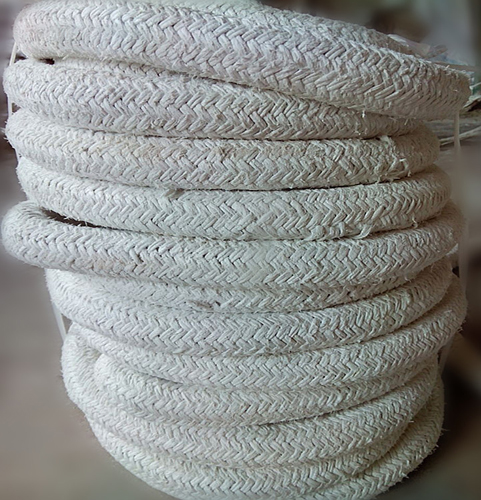 Yüksek Sıcaklık Yalıtım Malzemesi – seramik elyaf halatlar, örgüler, bantlar, kılıflar
 Alüminyum Külçe Metalurjisi için Dökülebilir Ateşaltı Seramik Disk Filtre
 Nalco, mikro, küçük ve orta ölçekli işletmelerden malzeme alımını artıracak
Sorry, the comment form is closed at this time.