
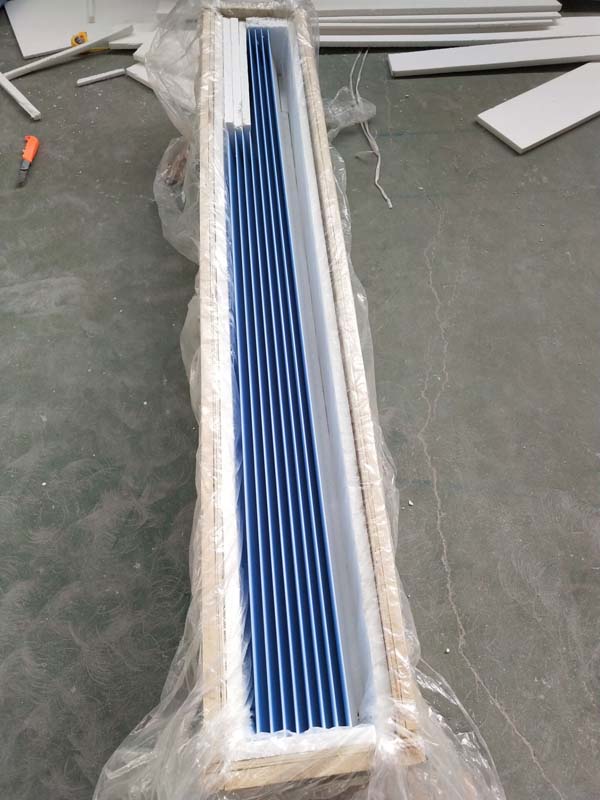
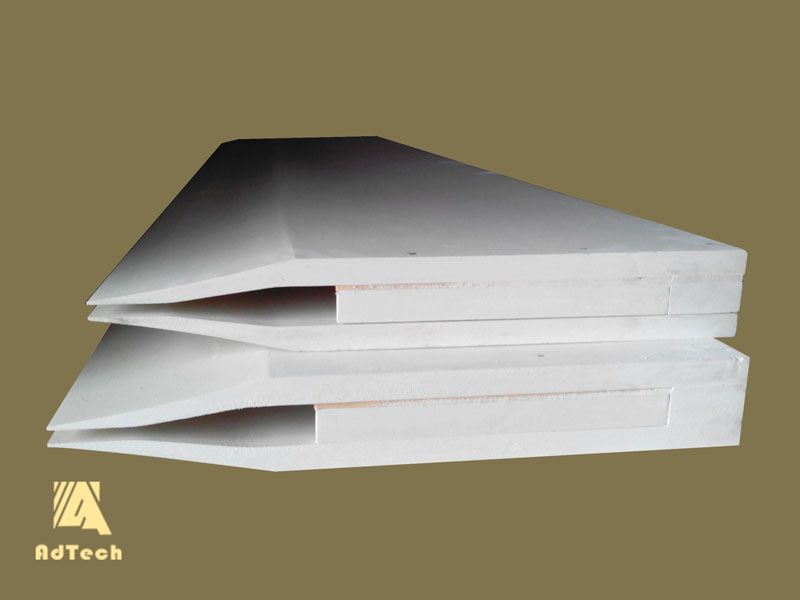
17 de diciembre Boquilla de fundición de alimentador
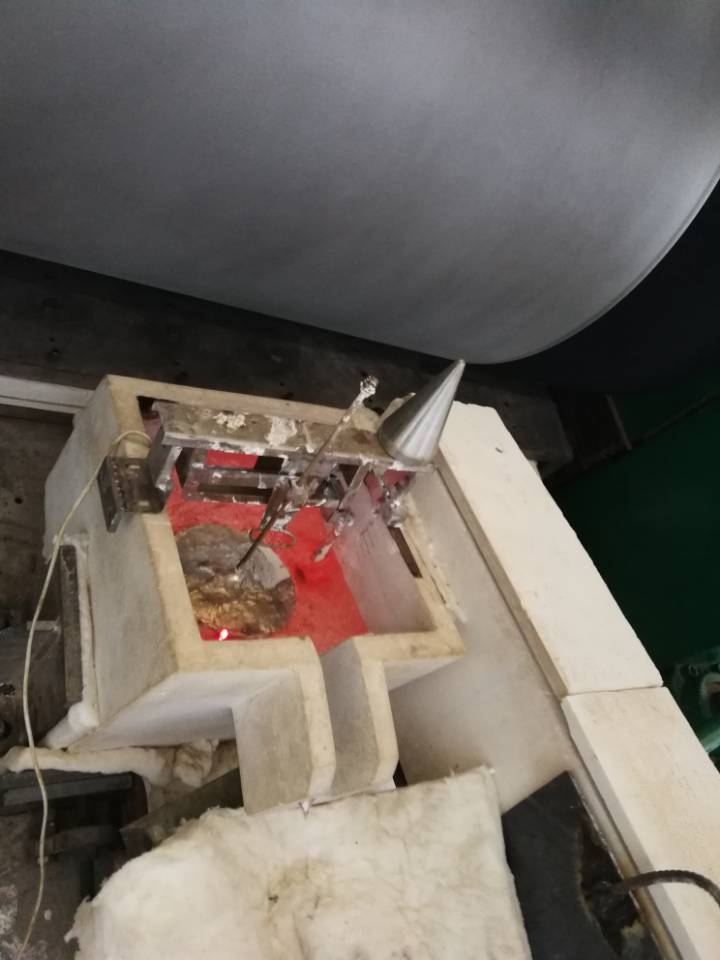
Boquilla de fundición de alimentador Es un componente clave de la línea de colada continua y laminación de bandas de aluminio, y su calidad influye directamente en la calidad de la banda y en el rendimiento de la producción.
Incluye un orificio de entrada con un extremo trasero estrecho y otro con un extremo delantero más ancho. En el conducto de paso del material, entre el orificio de entrada y el de salida, un bloque divisorio divide dicho conducto en dos partes situadas una al lado de la otra.
Las impurezas líquidas presentes en la masa fundida de la aleación de aluminio que entran en contacto con la superficie de la boquilla de colada se precipitan y se solidifican al descender la temperatura, lo que provoca un aumento de la rugosidad superficial de la boquilla de colada y da lugar a la formación de escoria en la misma.
A altas temperaturas, el aluminio fundido permanece en contacto con las partículas de SiO₂ del material de la boquilla durante un tiempo prolongado, lo que provoca la formación de partículas de Al₂O₃ en la superficie de la boquilla, lo que agrava la aparición de obstrucciones en la misma.
El aluminio fundido tiende a solidificarse fácilmente sobre la superficie irregular de la boquilla, y la cavidad de esta se va estrechando poco a poco, lo que acaba provocando que la boquilla se obstruya.
En la cavidad de la boquilla obstruida se forma una estructura de tres capas, en la que se distribuyen una capa de reacción, una capa de escoria y una capa de metal.
Fluido interno de la boquilla de fundición por alimentación
Cerca del centro de la cavidad, el caudal es elevado y el flujo es relativamente estable.
Cerca de la pared de la cavidad, el caudal es lento y constante.
En la parte central, el caudal es moderado, pero el estado del flujo es complejo y variable.
La velocidad de colada, la anchura de la placa de colada y la rugosidad superficial de la cavidad de la boquilla ejercen una influencia significativa sobre el flujo del material fundido en la cavidad de la boquilla.
Con el aumento continuo de la velocidad de colada, el estado turbulento del flujo de metal fundido en la cavidad también se vuelve más complejo.
A medida que aumenta la anchura de colada, se acentúa la diferencia de velocidad entre el borde de la salida de la boquilla y el centro de la salida.
Con el aumento continuo de la rugosidad superficial de la cavidad de la tobera, el flujo liso en la zona próxima a la pared se interrumpe y da paso a una turbulencia compleja, lo que agrava el fenómeno de la formación de escoria.
Proceso de fabricación de bobinas de aluminio
El lingote de aluminio se introduce en el horno de fusión, donde se quema y se funde con gas natural; a continuación, se procede a la eliminación de escorias y residuos, a la configuración de la aleación, al traslado del horno de fusión al horno de mantenimiento, a la colada de aluminio, al paso por la boquilla de la matriz, al laminado de la bobina de fundición, al laminado en frío de la bobina, al recocido, al corte transversal a la medida requerida, al grabado según los planos, se remata los bordes, se refuerza, se suelda, se pule, se pulveriza, se inspecciona, se coloca la película protectora, la película de colchón de aire, se embala, se carga y se envía. Características de la bobina de aluminio: si se utiliza para la decoración de paredes exteriores, se suelen emplear bobinas de aluminio de 2 mm, 2,5 mm o 3 mm de espesor; las nervaduras de refuerzo y las esquinas pueden fijarse a la quilla, lo que hace que la decoración de la pared exterior sea firme y fiable, y que la textura metálica sea resistente. Los recubrimientos pulverizados resistentes a la intemperie no se alterarán ni se desvanecerán en un plazo de 20 años, y mantendrán el color brillante.
Artículos relacionados:
 Boquilla giratoria
 Consejo para el lanzamiento
 Cavidad de la punta de alimentación
 Alimentador Castertip
 Cavidad de la boquilla
 Consejo sobre alimentación
 Punta de fundición de cerámica de silicato de aluminio, puntas de fundición y boquillas
 Boquilla de fundición
 Boquilla de fundición con alto contenido en aluminio
 Cavidad de alimentación
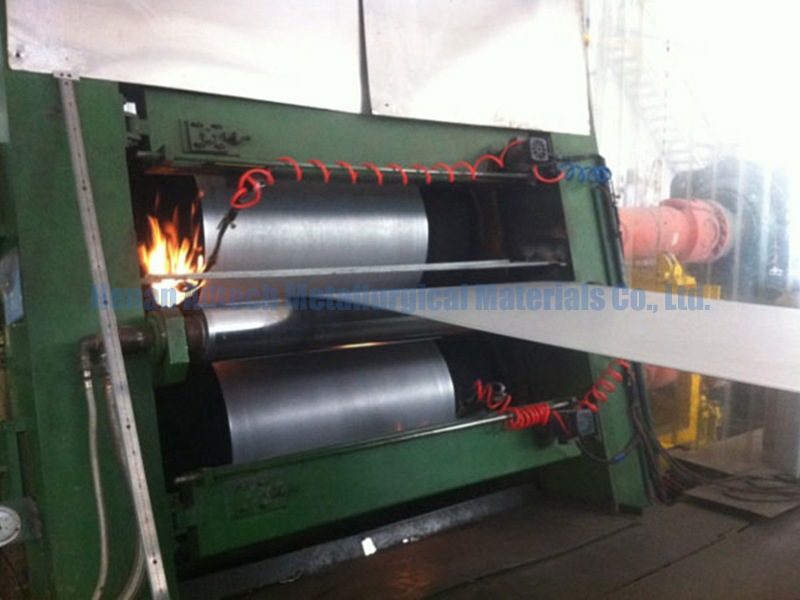 Conocimientos sobre fundición: efecto de la punta de fundición de fibra cerámica en la fundición en rodillos
 Cavidad de la boquilla de aluminio
 Punta de la boquilla de alimentación
 Boquilla de fundición de silicato de aluminio
Sorry, the comment form is closed at this time.