

25 Şubat Seramik Köpük Filtre Üretim Süreci
Seramik Köpük Filtre Üretim Süreci
Seramik Köpük Filtre Üretim Süreci – Seramik Köpük Filtre Geçirgenliği
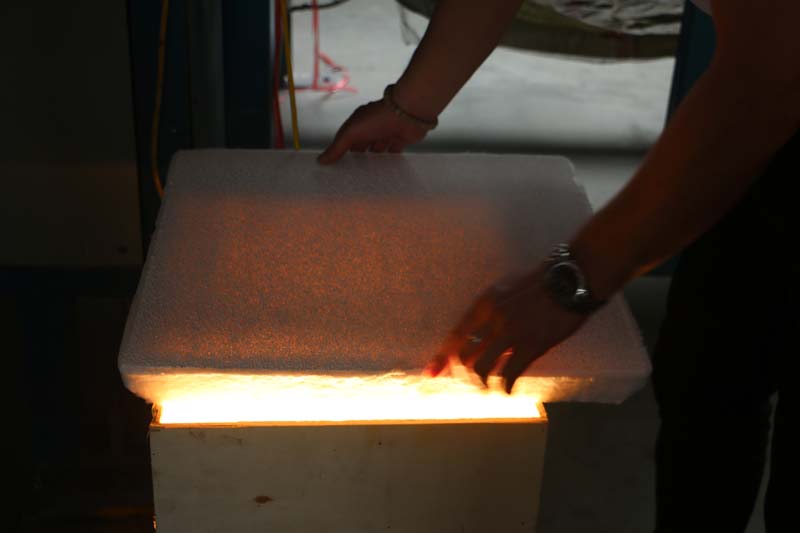
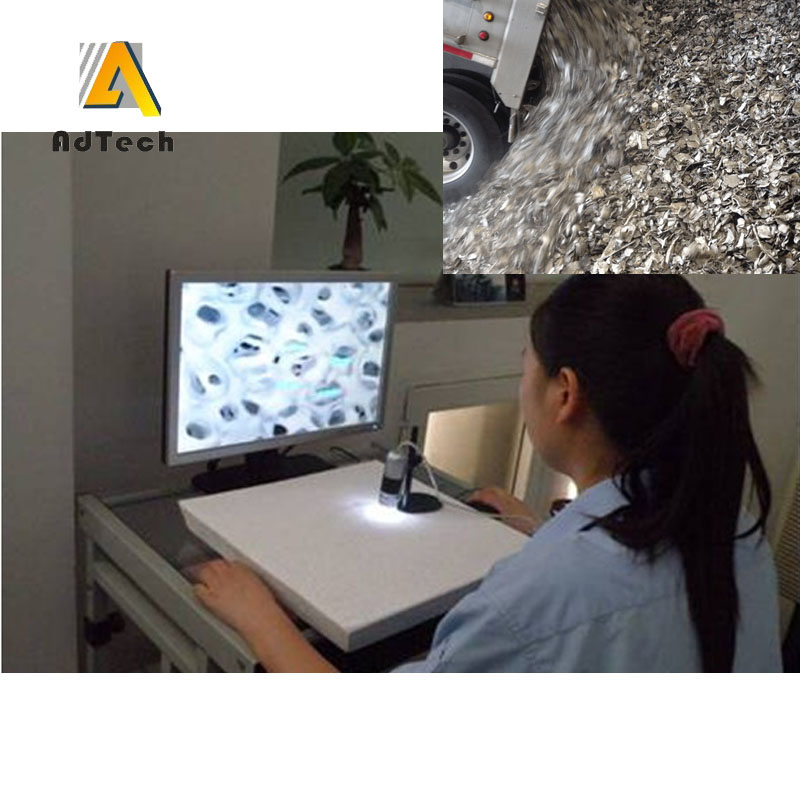
İncelenecek köpük seramik filtre plakası, dahili 200 W akkor ampullü bir ışık kutusunun üzerine yerleştirilir ve filtre plakasının geniş yüzeyinin ışık geçirgenlik alanını ölçmek için 5,0×5,0 mm’lik eşit karelerden oluşan kare şeklinde şeffaf bir plastik plaka kullanılır; böylece test hesaplanır. Filtre plakasının ışık geçirgenliği, filtre plakasının ışık geçirgenliğini belirlemek için kullanılır.
Bu standartta, filtre plakasının ışık geçirgenliği (delik oranı) 95% veya daha fazla olarak belirtilmiştir. Gözeneklilik, filtre plakası ürünündeki boşlukların toplam hacminin, filtre plakası ürününün toplam hacmine oranıdır. Gözeneklilik, birim hacim başına köpük seramik filtre plakasının filtreleme kapasitesini belirler. Gözeneklilik ne kadar büyükse, filtre plakasının filtreleme akış hızı o kadar yüksek ve filtreleme kapasitesi o kadar güçlü olur; bunun tersi de geçerlidir.
Seramik Köpük Filtre Üreticisi Süreci – Gözenekliliğin Belirlenmesi
Şu anda gözenekliliği belirlemeye yönelik iki temel yöntem bulunmaktadır.
Bunlardan biri, Arşimet yasasına göre filtre plakasındaki deliğin hacmini hesaplamaktır; yani, su taşma borusundan dışarı akmaya başlayana kadar taşma borusu bulunan cam beher içine su enjekte edilir ve su artık dışarı akmadığında ölçüm yapılır. Tüm numuneler suya dikkatlice yerleştirilir, ardından su taşma borusundan dışarı akar ve bu kısımdaki su hacmi ölçülür. Taşan suyun hacmi, filtre plakasının fiziksel hacminden çıkarılır; bu da filtre plakasındaki deliklerin toplam hacmidir.
Başka bir yöntem ise, test edilecek numunenin gerçek yoğunluğunu ve yığın yoğunluğunu ayrı ayrı belirlemek ve ardından aşağıdaki formüle göre numunenin gözenekliliğini hesaplamaktır.
Bu iki yöntemin kendine özgü avantajları ve dezavantajları vardır. Çalışma şekli basit ve kullanışlıdır ve algılama hızı yüksektir; ancak en büyük zayıflığı, filtre plakası malzemesinin kendisinin su emme özelliklerinden kaynaklanmaktadır; bu nedenle tahliye edilen su hacmi, gerçek hacimden daha azdır. Bu durum, ölçülen verilerin gerçek değerden daha düşük çıkmasına neden olur.
İkinci yöntemin test süreci daha karmaşık olsa da, test sırasında filtre plakası malzemesinin su emiliminin etkisi ortadan kaldırılır ve elde edilen veriler nispeten doğrudur.
Seramik Köpük Filtre Üretim Süreci – Gözeneklilik İndeksi
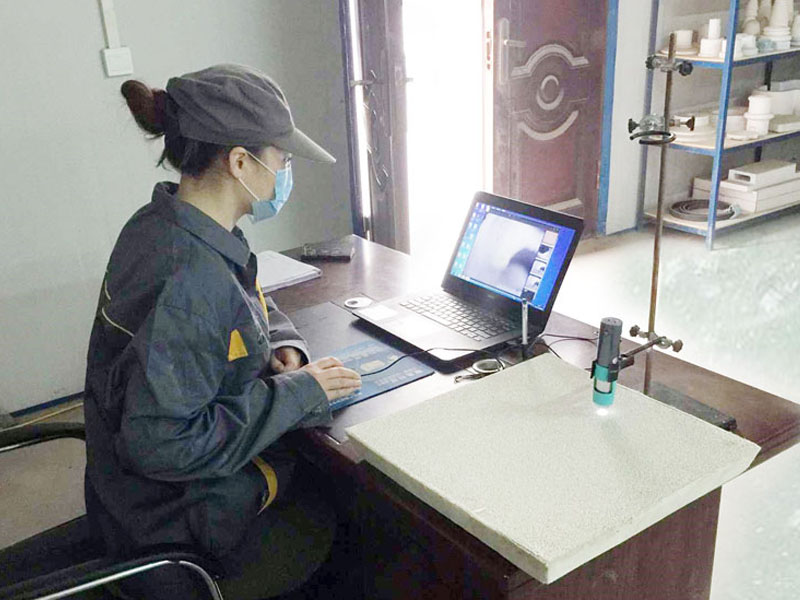
Bu standartta gözeneklilik indeksi 84%'den büyük olarak belirlenmiştir. Gözenek homojenliği, filtre plakası ürününde 25,4 mm'lik bir uzunluk başına bulunan gerçek delik sayısı ile teorik olarak gerekli olan delik sayısı arasındaki farkı tanımlamak için kullanılır.
Boşluk ne kadar küçükse, ürün kalitesi o kadar iyi olur; boşluk ise çok büyükse, bu durum filtre plakası ürününün kirlilik tutma kapasitesinin azalmasına veya eriyik filtrasyon hızının düşmesine yol açar ve bu da kullanıcının üretimindeki özel gereksinimleri karşılayamaz.
Gözenek homojenliğinin derecesi, esas olarak filtre plakasının üretiminde kullanılan köpüğe bağlıdır. Köpüğün gözenek homojenliği iyi ise, filtre plakasının gözenek homojenliği de iyi olur; bu nedenle köpüğün seçimi son derece önemlidir.
(Herhangi bir 25,4 mm'lik uzunluktaki delik sayısı) 10p 7~13 20p 17~23 30p 27~33 40p 37~43 50p 47~53 60p 57~63 Bu standart, gözenek homojenliğini yukarıdaki tabloda belirtilen verilerle belirler. Nakliye ve kullanım sırasında filtre plakası, dışarıdan gelen belirli bir basıncın etkisine dayanabilmelidir; bu nedenle, filtre plakasının kalitesini ölçmenin temel kriterlerinden biri olarak standartta basınç dayanımı endeksi de yer almaktadır. Basınç dayanımı ne kadar yüksekse, ürün o kadar dayanıklıdır ve kalitesi o kadar iyidir; bunun tersi de geçerlidir.
Seramik Köpük Filtre Üretim Süreci – Basınç Dayanımı Endeksi
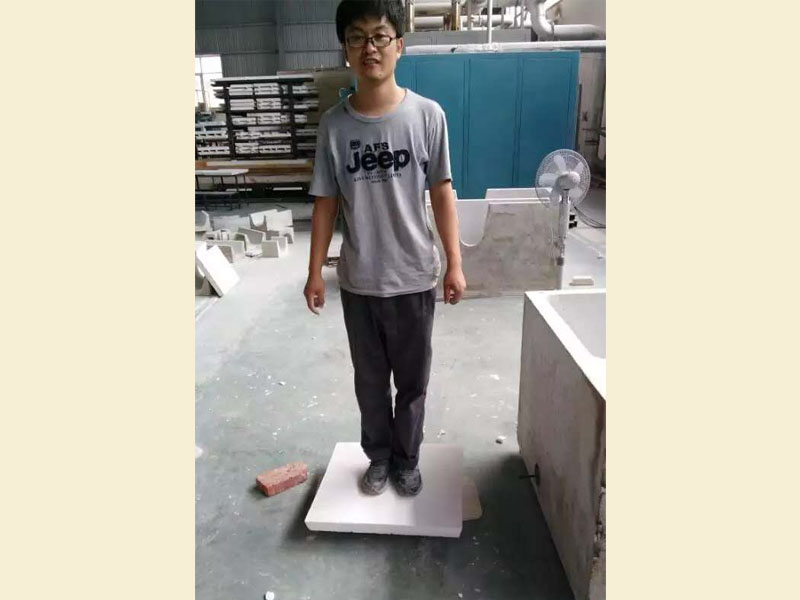
Bu standartta, basınç dayanımı değeri 0,5 MPa veya daha fazla olarak belirlenmiştir.
Termal şok direnci, seramik filtre plakalarının ani sıcaklık değişikliklerinin yol açtığı hasara karşı gösterdiği direnci ifade eder.
Kullanım sırasında köpük seramik filtre Filtre plakası kullanmadan önce, kullanıcıdan filtreleme işlemini başlatmasını ve ardından filtre plakasını kademeli olarak filtrelenecek alüminyum eriyik sıcaklığına kadar ısıtmasını istiyoruz.
Ancak bazı kullanıcılar, ürünü kullanırken bu kurala pek uymamaktadır. Filtre plakası yerleştirildikten sonra, eriyik ön ısıtma yapılmadan süzülür; bu da filtre plakasının belirli bir termal şok direncine sahip olmasını gerektirir. Termal şok direnci ne kadar yüksekse, filtre plakası o kadar dayanıklı ve kalitesi o kadar iyi olur.
İlgili yazılar:
 Silikon Seramik Köpük Filtre
 Ppi filtresinin anlamı
 Üst Düzey Seramik Köpük Filtre
 25 Ppi Filtre Köpüğü
 Ateşaltı Malzemeden Üretilmiş Seramik Köpük Filtre
 Yüksek Gözenekli Seramik Filtre
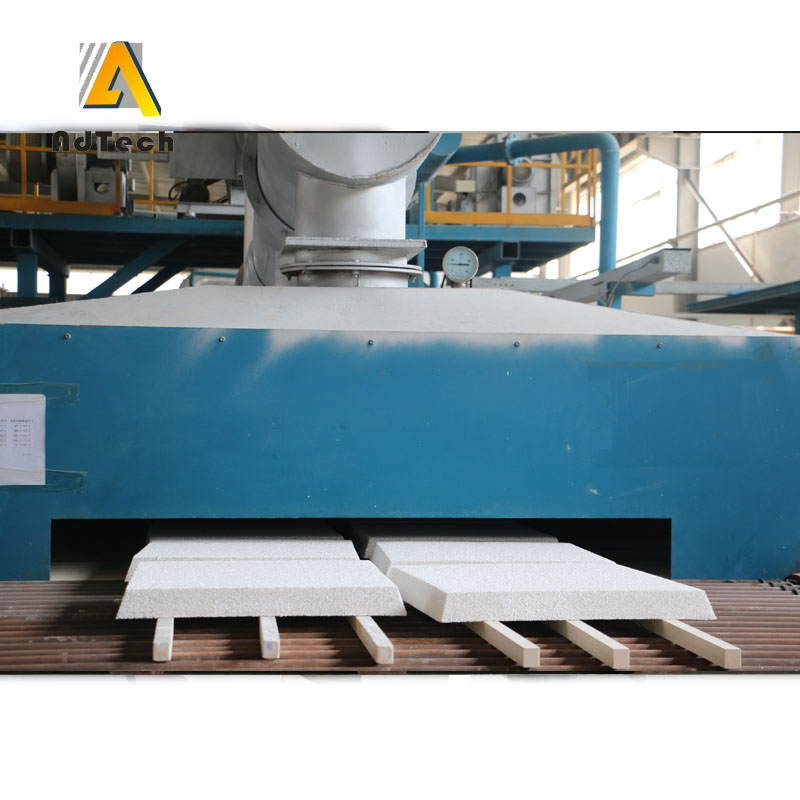 Alüminyum Döküm Petek Yapılı Seramik Filtre Parametreleri
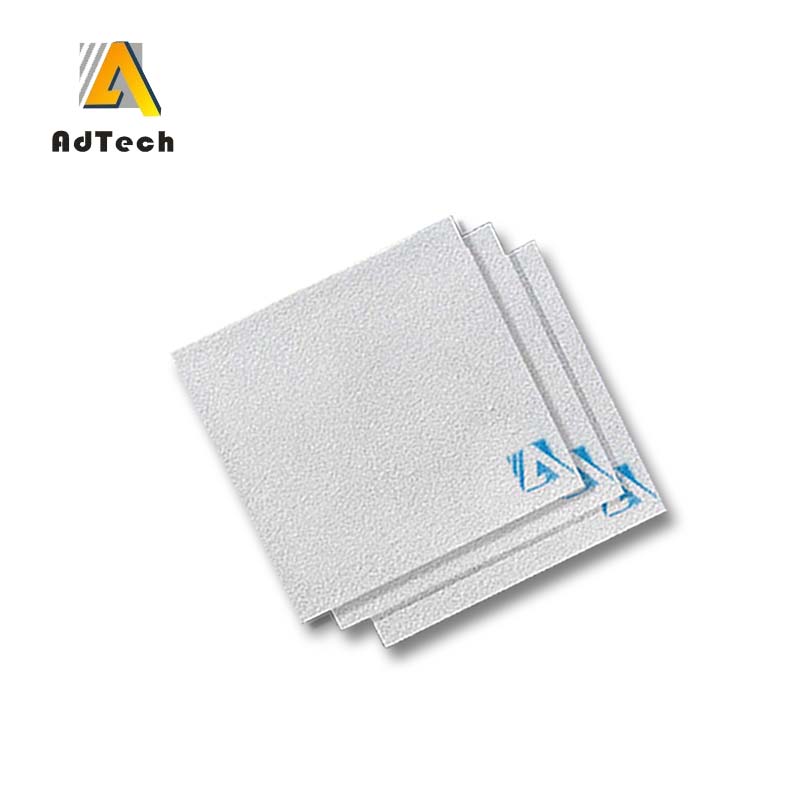 Alümina Erimiş Metal Filtresi
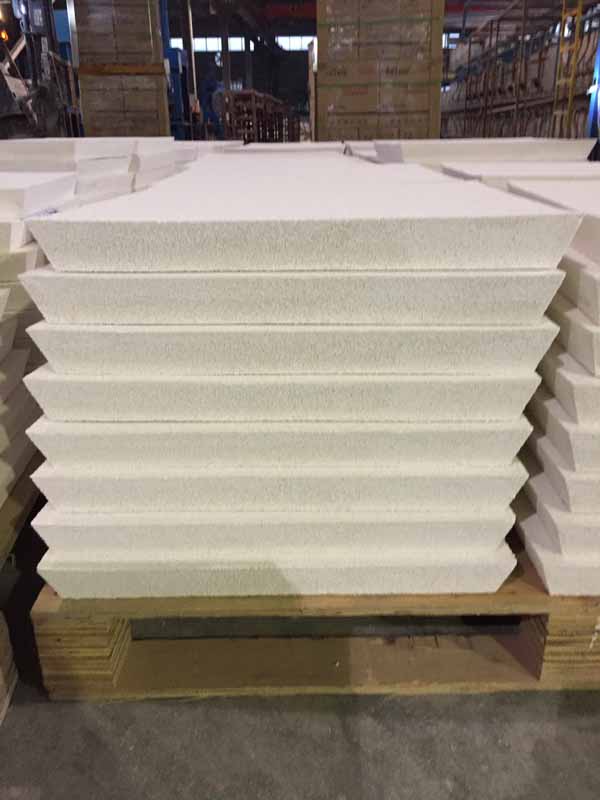 Zirkonya Filtresi
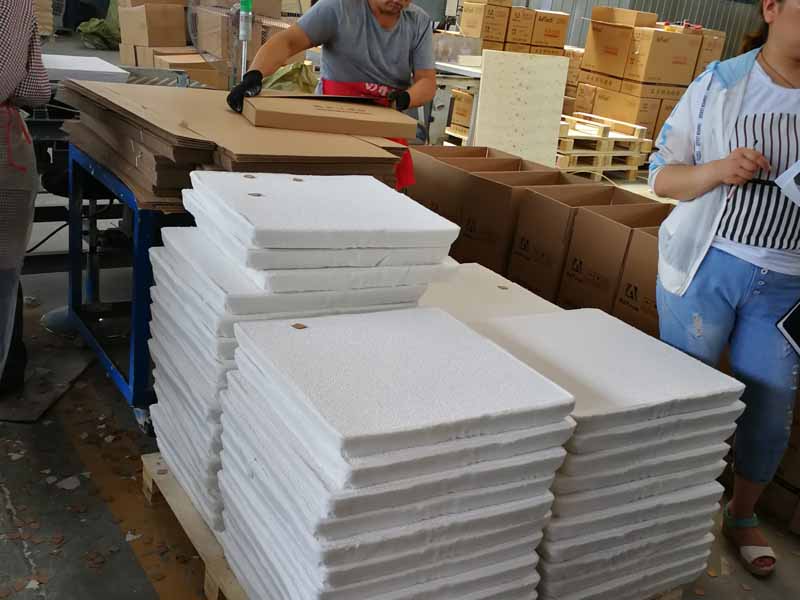 Satılık Çin Malı Filtre Köpüğü Seramik
 Yüksek Mukavemetli Seramik Filtre
 Zro2 Seramik Köpük Filtre
 Seramik Köpük Filtre Üreticisi
 Seramik Köpük Filtre Üretim Süreci
No Comments