

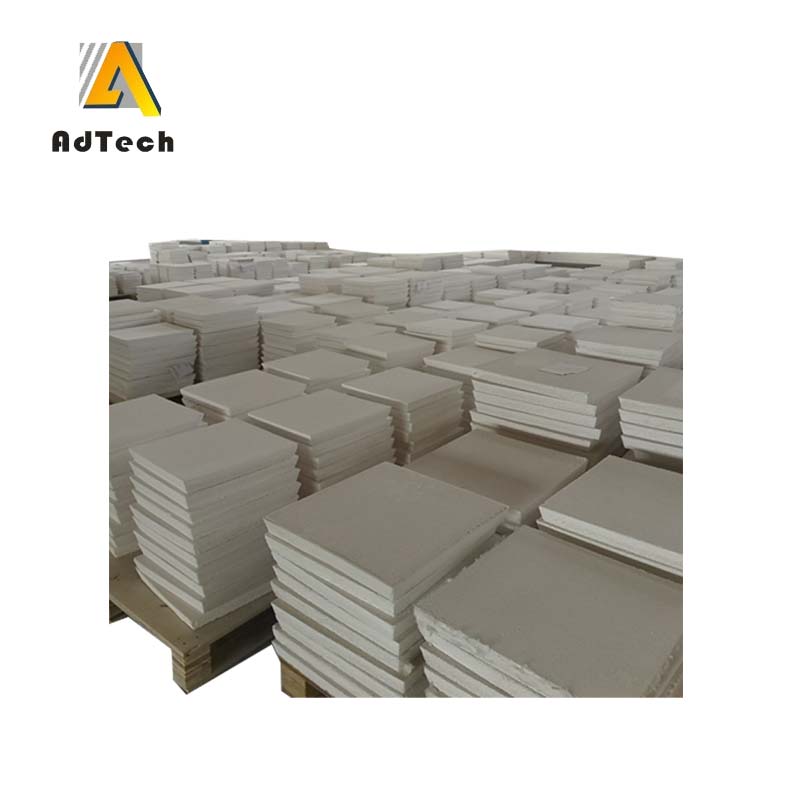
15 de julio Filtro cerámico de carburo de silicio
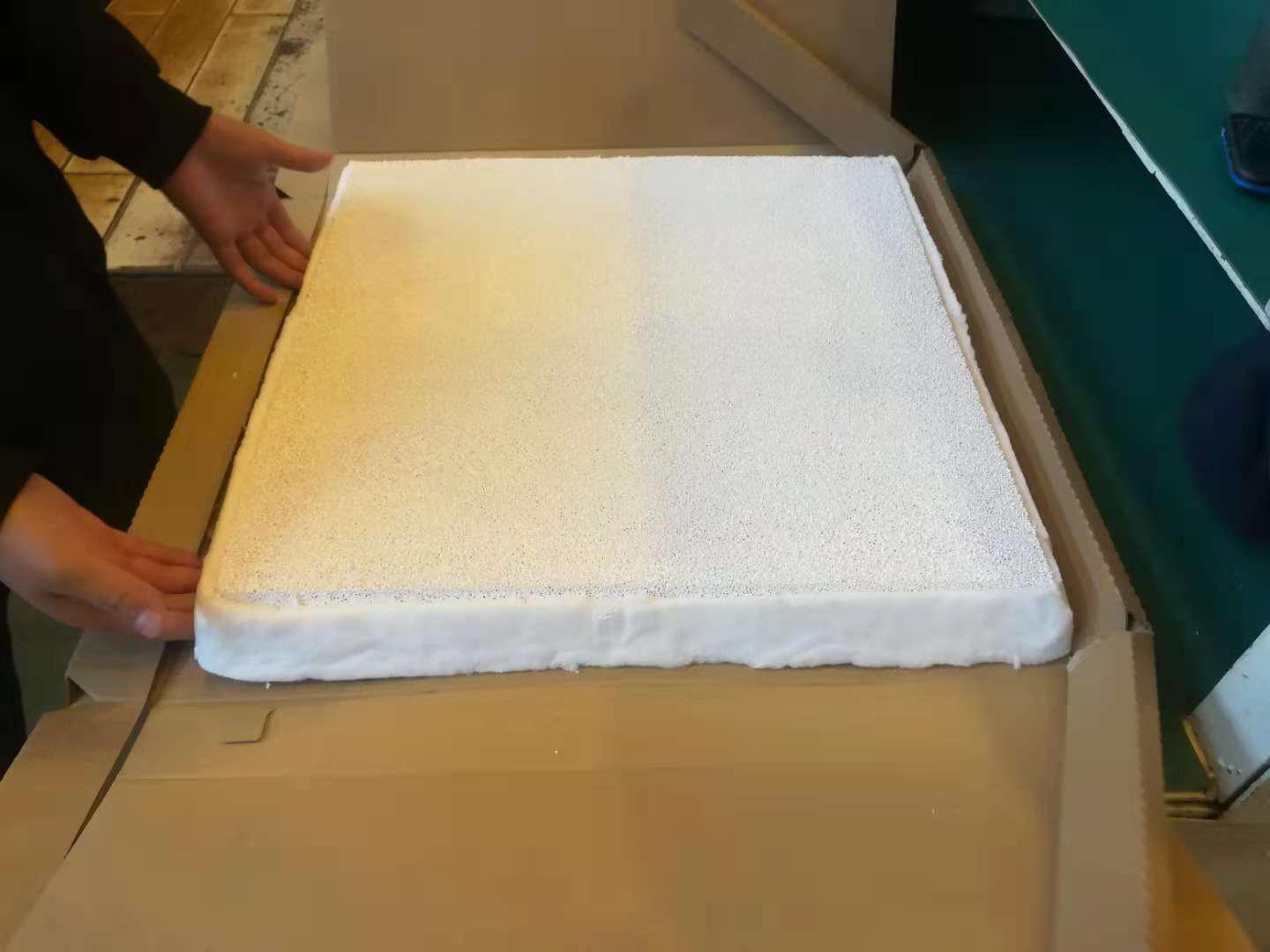
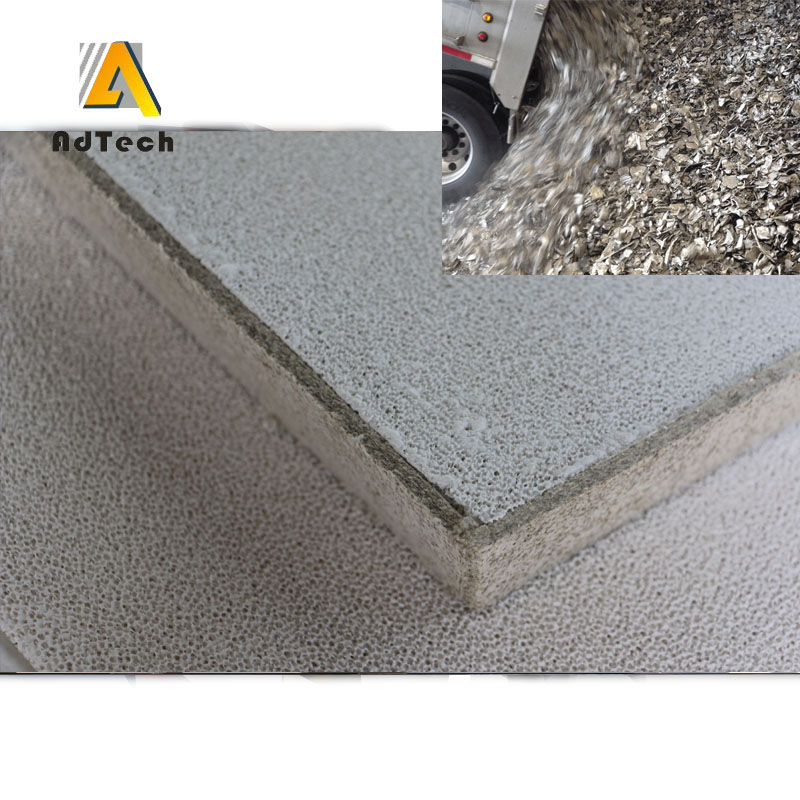
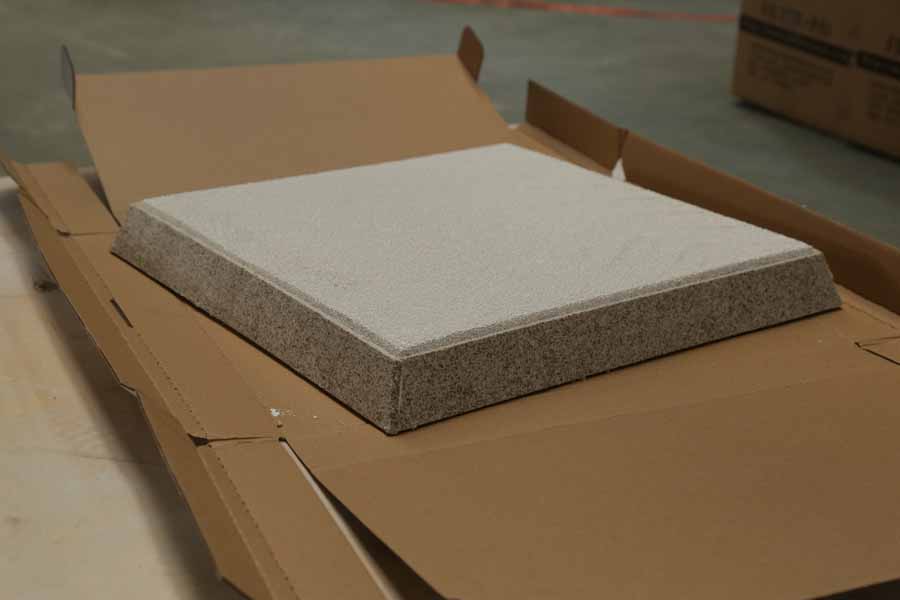
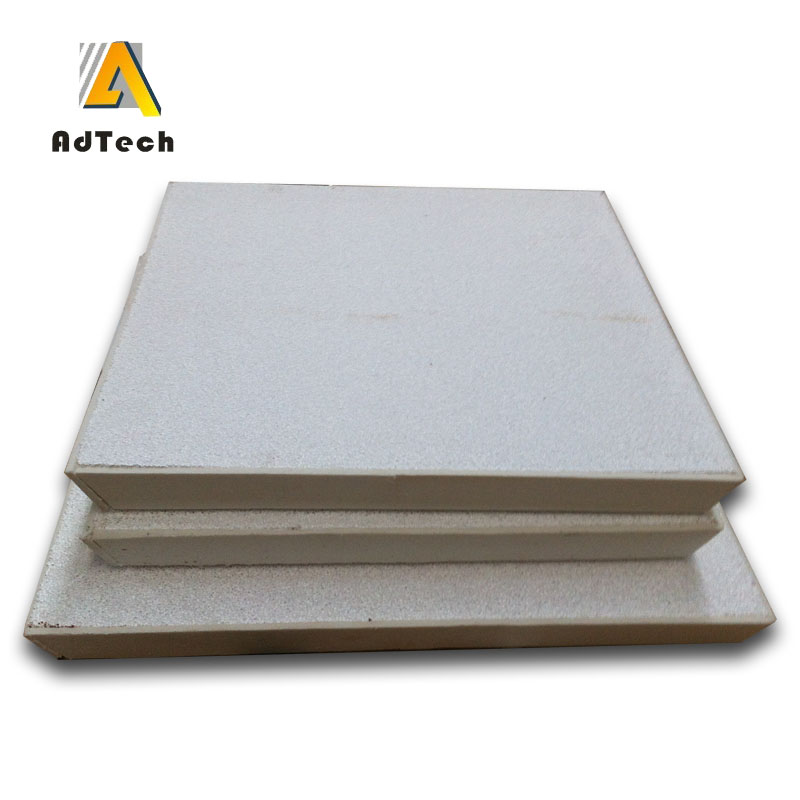
Filtro cerámico de carburo de silicio
En la producción de piezas de fundición, las piezas de acero fundido, las de hierro fundido, las de aluminio fundido y otras piezas de aleaciones fundidas son propensas a presentar problemas de calidad, como escoria, ampollas y burbujas de gas, debido a diversas causas.
Por lo tanto, la eliminación de las inclusiones no metálicas del metal fundido reviste una gran importancia técnica y económica para mejorar el rendimiento de las piezas fundidas y su calidad.
El filtro cerámico de carburo de silicio elimina las burbujas, los óxidos de ceniza y diversas impurezas incorporadas en el aluminio fundido, mejora considerablemente el rendimiento de las piezas de fundición de aluminio y la calidad de los productos de aluminio en proceso de fundición, y evita que otros componentes metálicos se infiltren en la solución de aluminio. Estas deficiencias no afectan a la composición de la aleación de aluminio, lo que garantiza la calidad de las piezas de fundición de aluminio.
Mejorar el rendimiento de las máquinas de fundición de aluminio: se puede aumentar la dureza de la pieza fundida, se homogeneiza la dureza del contorno y se mejora la resistencia a la flexión de la pieza fundida.
El filtro cerámico de carburo de silicio se utiliza ampliamente en diversos procesos de fundición y en la producción de diversas piezas de fundición metálica. Es capaz de eliminar eficazmente las inclusiones nocivas de las soluciones metálicas, suprimir defectos como gases, escorias y ampollas en las piezas de fundición, y reducir la tasa de productos defectuosos. Más allá del 90%, mejora la calidad intrínseca y el aspecto de las piezas de fundición, reduce el consumo de energía y mano de obra, y aumenta significativamente los beneficios económicos y sociales de los fabricantes de fundición.
Las placas filtrantes de cerámica celular están disponibles en una amplia gama de tamaños y son adecuadas para su uso en todas las industrias de transformación del aluminio, como las plantas de aluminio electrolítico, las plantas de transformación de flejes, las plantas de transformación de láminas, las plantas de transformación de barras tubulares y las plantas de lingotes de aluminio reciclado.
La calidad del aluminio fundido es importante, ya que influye en gran medida en las propiedades de transformación posteriores y en la calidad del producto final. Por ello, todos los países del mundo conceden gran importancia a la purificación del aluminio fundido.
Durante el proceso de fundición, el aluminio queda expuesto a la atmósfera del horno en estado fundido o semifundido, lo que lo hace propenso a la oxidación; reacciona fácilmente con el vapor de agua para absorber hidrógeno y forma con facilidad diversos tipos de escoria no metálica (como restos del revestimiento del horno o cloro presente en el fundente). compuestos, carburos, etc.), así como partículas intermetálicas gruesas y similares.
Proceso de fabricación del filtro de espuma de aluminio y cerámica
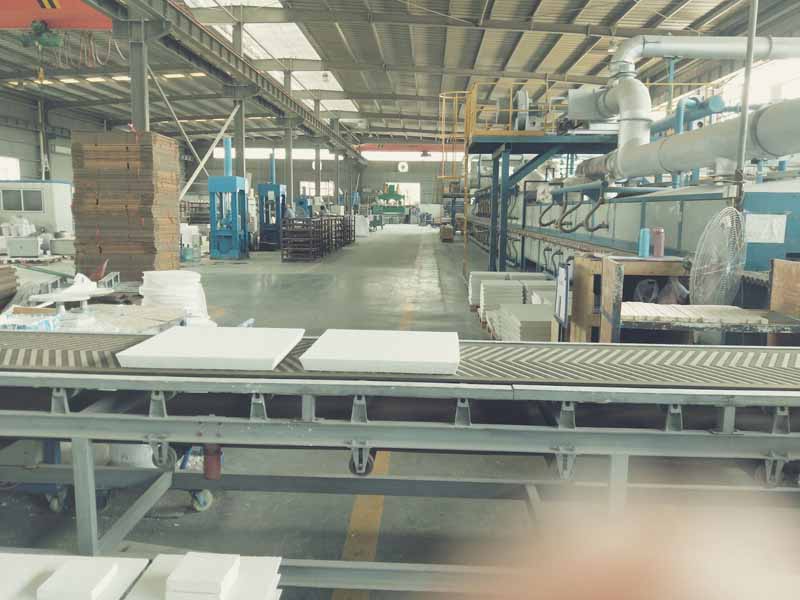
El Filtro de espuma cerámica Utiliza una estructura de red tridimensional y una esponja de espuma orgánica unida a los poros a modo de soporte, en la que se introduce una pasta cerámica especial con propiedades tixotrópicas, y se aplica la pasta cerámica de forma uniforme sobre el esqueleto del soporte mediante un proceso especial de extrusión con rodillos. A continuación, se seca y se solidifica, y finalmente se cuece a alta temperatura.
Filtro de espuma cerámica porosa. Filtros de espuma cerámica para aleaciones de aluminio. Desde que se iniciaron las primeras investigaciones en 1978, la tecnología de filtración con espuma cerámica ha experimentado un rápido desarrollo.
El filtro de espuma cerámica porosa utiliza espuma de poliuretano como soporte, sumergiéndola en un recubrimiento compuesto por polvo cerámico, aglutinante, aditivo de sinterización, agente de suspensión, etc., y, a continuación, extruyendo el exceso de recubrimiento para aplicar de manera uniforme el recubrimiento cerámico al soporte. El esqueleto se convierte en un cuerpo verde, y este se seca y se cuece a alta temperatura.
Transmitancia del filtro de espuma de aluminio y cerámica
La transmitancia se refiere al área efectiva de filtración de la placa filtrante de cerámica celular. Cuanto mayor sea la transmitancia de la luz, menos orificios ciegos habrá y más efectivos serán los orificios filtrantes (poros), lo que se traduce en un mejor efecto de filtrado.
La placa filtrante de cerámica celular que se va a inspeccionar se coloca sobre una caja de luz con una bombilla incandescente de 200 W incorporada, y se utiliza la placa cuadrada de plástico transparente con una cuadrícula uniforme de 5,0 × 5,0 mm para medir el área de la superficie principal de la placa filtrante, con el fin de calcular el resultado de la prueba. La transmitancia de la luz de la placa filtrante se utiliza para determinar la transmitancia de la luz de la placa filtrante. En esta norma, se especifica que la transmitancia (proporción de orificios) de la placa filtrante debe ser de 95% o superior.
Artículos relacionados:
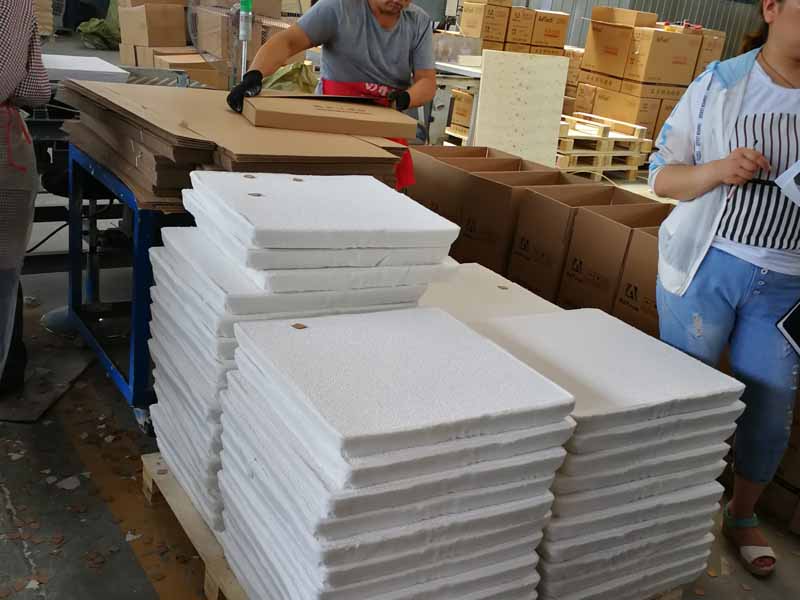 Espuma cerámica filtrante fabricada en China a la venta
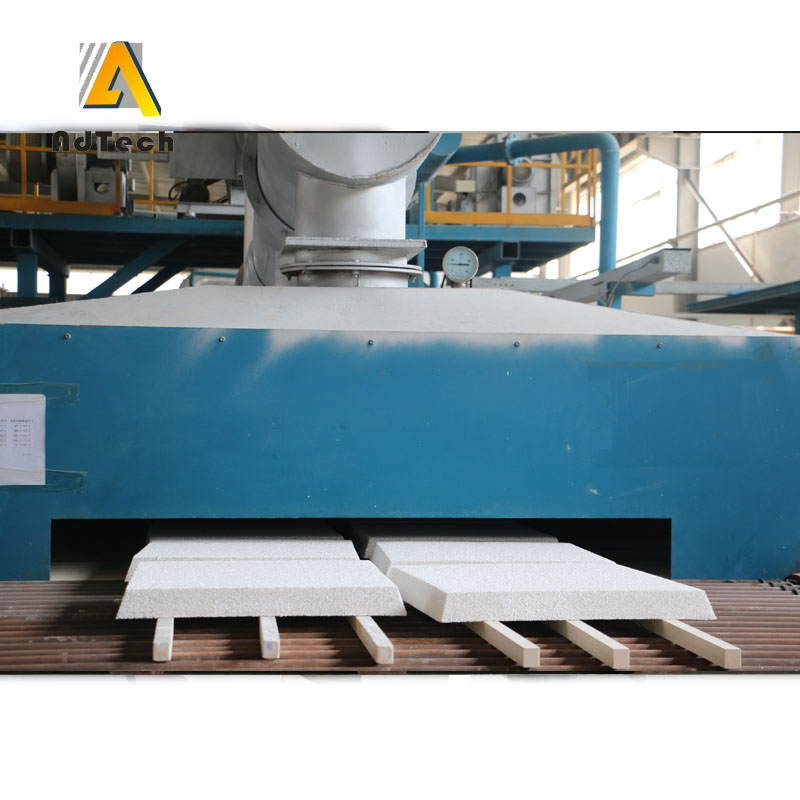 Parámetros del filtro cerámico de estructura alveolar de fundición de aluminio
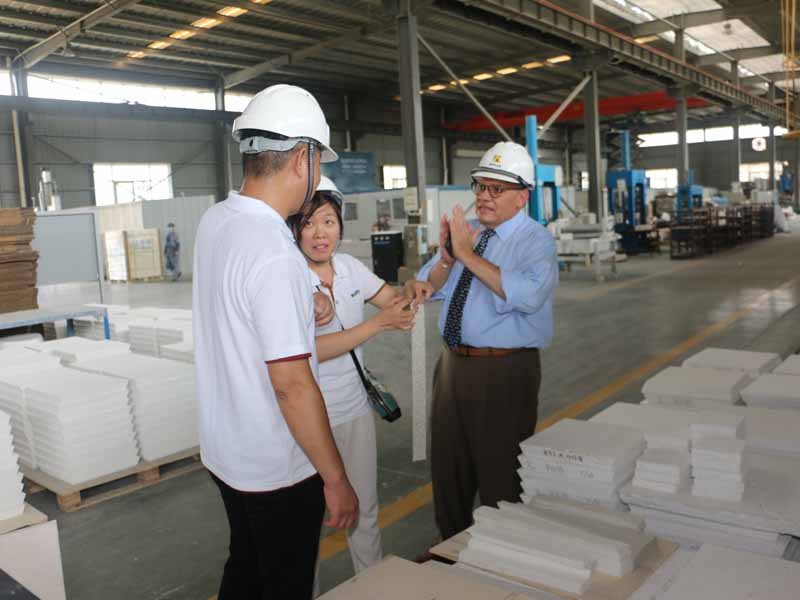 Placa filtrante de cerámica
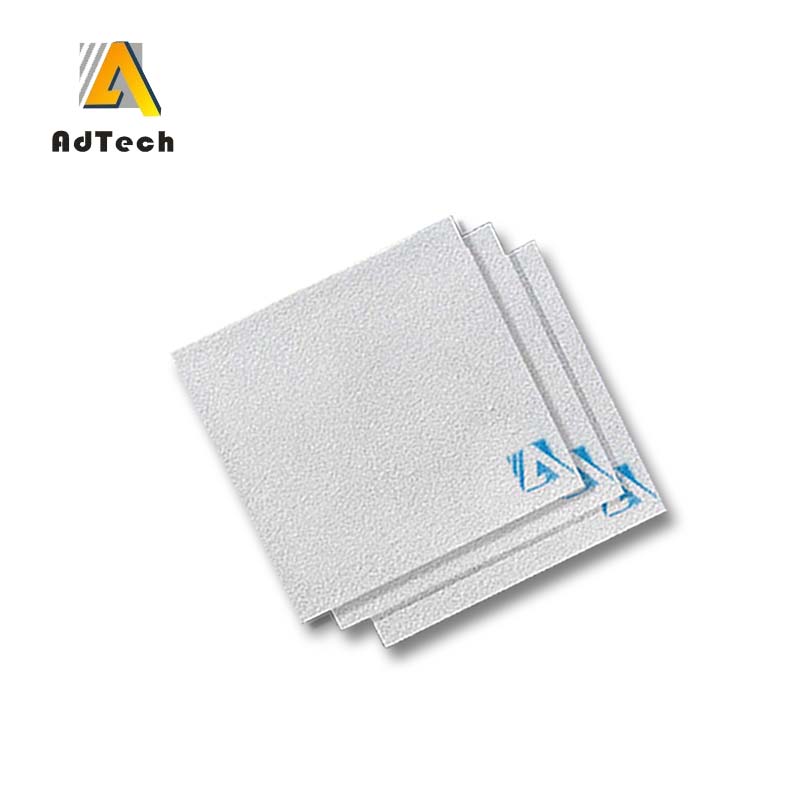
 Filtro de espuma cerámica AdTech
 Filtro de alúmina para metal fundido
 Filtro de espuma cerámica de alta calidad
 Filtro de espuma cerámica Zro2
 Filtro de espuma de cerámica de silicio
 Utiliza una espuma filtrante de 20 ppi
 Filtro cerámico de carburo de silicio
 Filtros de espuma cerámica de carburo de silicio
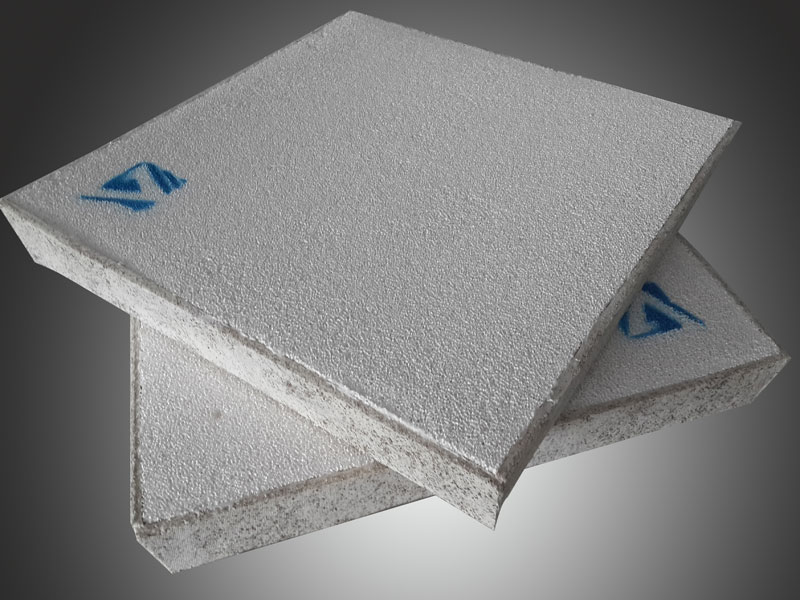 Filtro de espuma de carburo de silicio para la industria de la fundición de aluminio
 Filtro de espuma cerámica de carburo
 Filtro de espuma cerámica de carburo de alúmina
Sorry, the comment form is closed at this time.