
26 de julio Filtro de cerámica de circonio
Filtro de cerámica de circonio
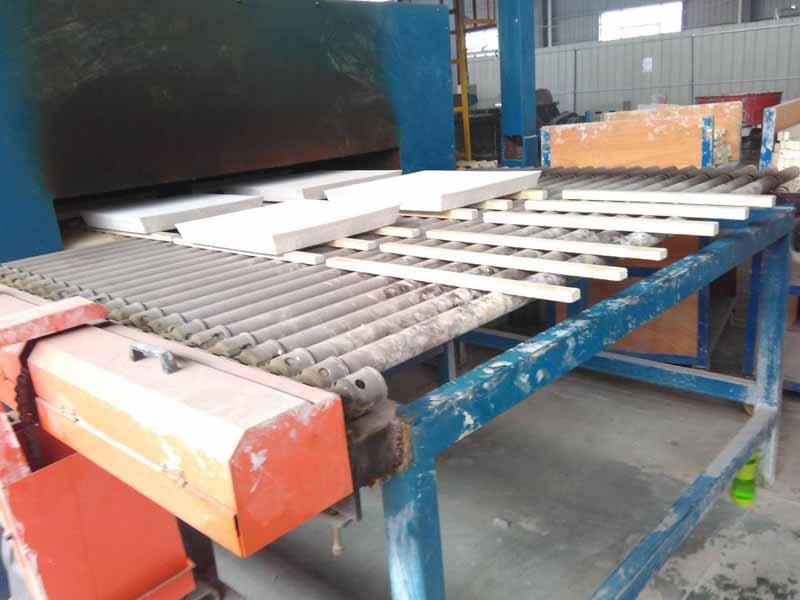
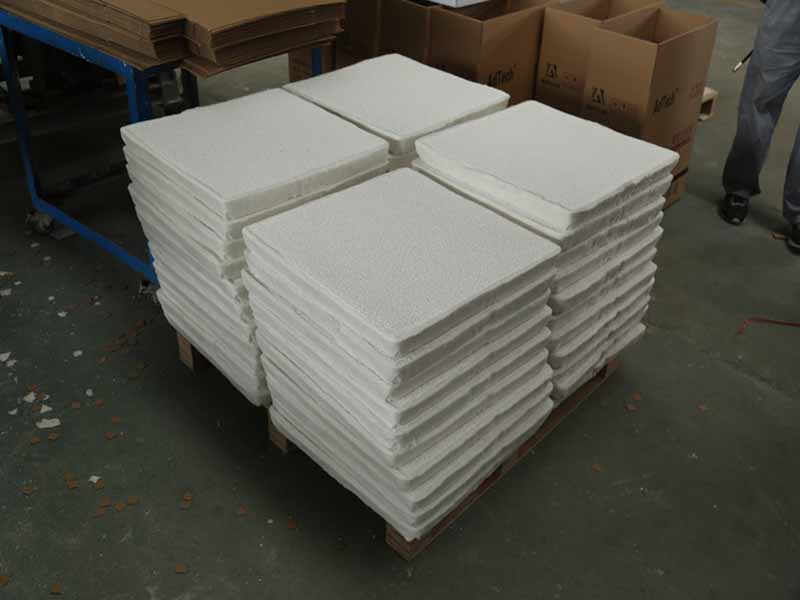
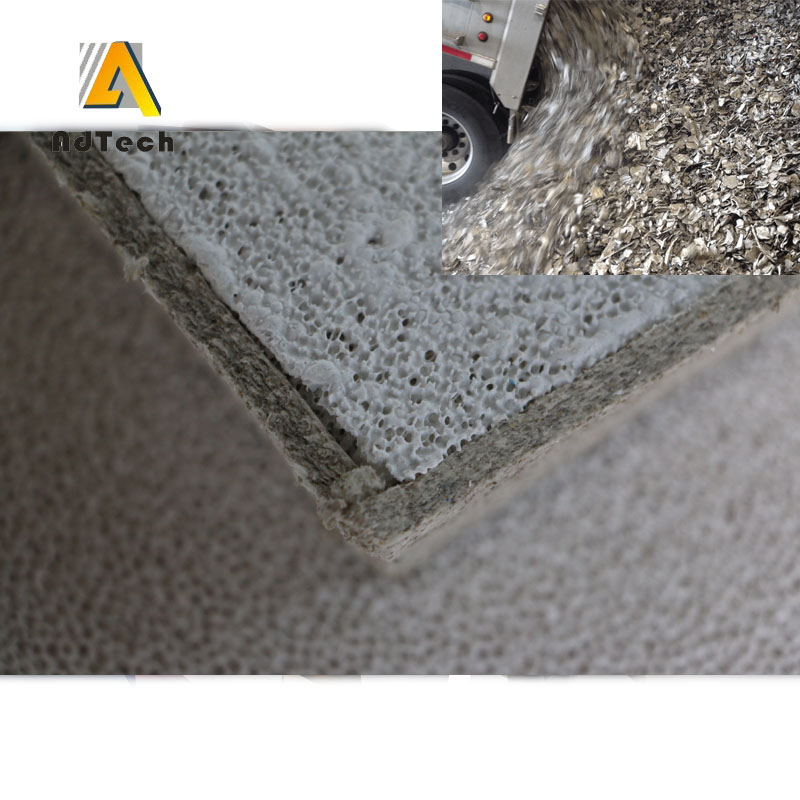
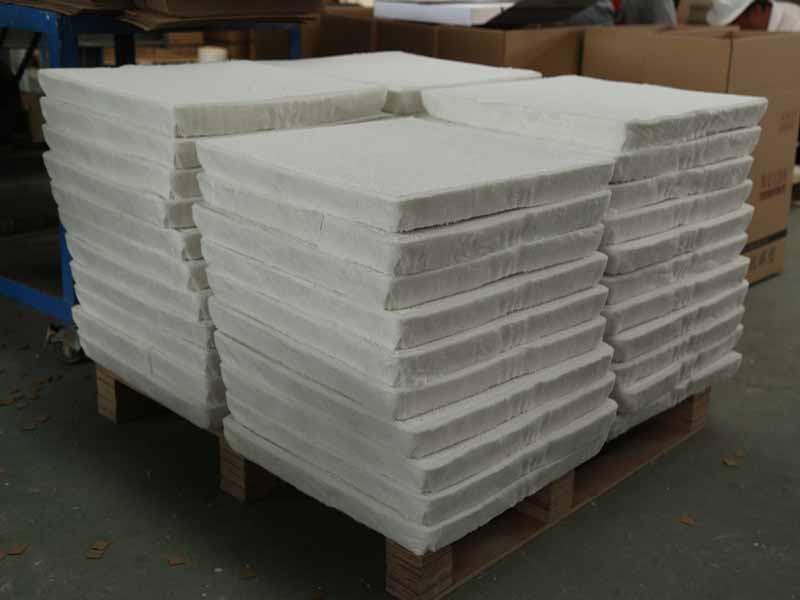
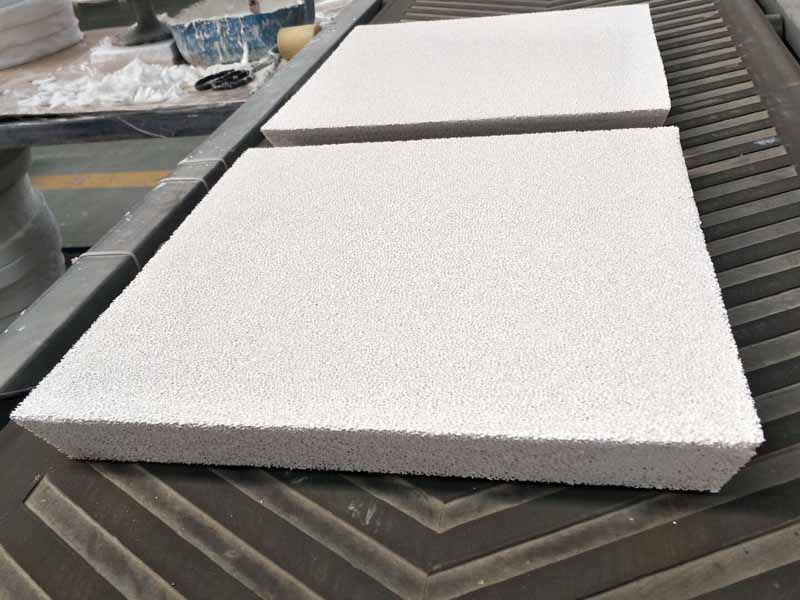
El filtro cerámico de circonio es un tipo de placa filtrante cerámica. La pasta cerámica a base de circonio se aplica de manera uniforme sobre la estructura tridimensional en red y la espuma orgánica de poros comunicados que actúa como esqueleto del soporte; a continuación, se seca y se solidifica, y finalmente se cuece a alta temperatura.
Los materiales básicos del filtro cerámico de circonio son tres tipos de carburo de silicio, óxido de circonio y óxido de aluminio.
El material básico del filtro cerámico de espuma de circonio es el circonio (ZrO₂).
El filtro cerámico de óxido de circonio tiene una temperatura máxima de 1760 °C y se utiliza ampliamente en la filtración de diversas piezas de acero fundido y piezas grandes de hierro fundido, aleaciones madre de alta temperatura y piezas de fundición para el sector aeroespacial, materiales magnéticos, colada continua de aleaciones de cobre y magnesio y colada a baja presión de aleaciones de metales no ferrosos.
Efectos del filtro cerámico de circonio
1. Filtración eficaz de escorias de tamaño micrométrico, fragmentos de material refractario y otras impurezas en forma de partículas metálicas, lo que reduce la pérdida de herramientas durante el mecanizado de piezas fundidas.
2. El metal fundido es estable y la estructura de la pieza fundida es uniforme, lo que mejora la dureza superficial, la resistencia a la tracción y la resistencia a la fatiga de la pieza fundida.
3. La estructura de malla tridimensional tiene un buen efecto rectificador sobre la turbulencia metálica y ofrece un buen control de las inclusiones no metálicas y de la oxidación secundaria provocada por la cavidad de erosión turbulenta.
El filtro cerámico de circonio permite que el aluminio fundido llene la cavidad de forma más uniforme, y el metal fundido tiende a generar más turbulencias durante el vertido.
El flujo turbulento que atraviesa la estructura porosa tridimensional del filtro cerámico de espuma de circonio se transforma finalmente en un flujo laminar muy estable.
El flujo laminar llena mejor la cavidad, lo que reduce la corrosión por impacto de la solución metálica en la cavidad de la pieza fundida y disminuye considerablemente la tasa de rechazos.
Cómo utilizarlo Filtro de circonio
1. Limpia la caja del filtro.
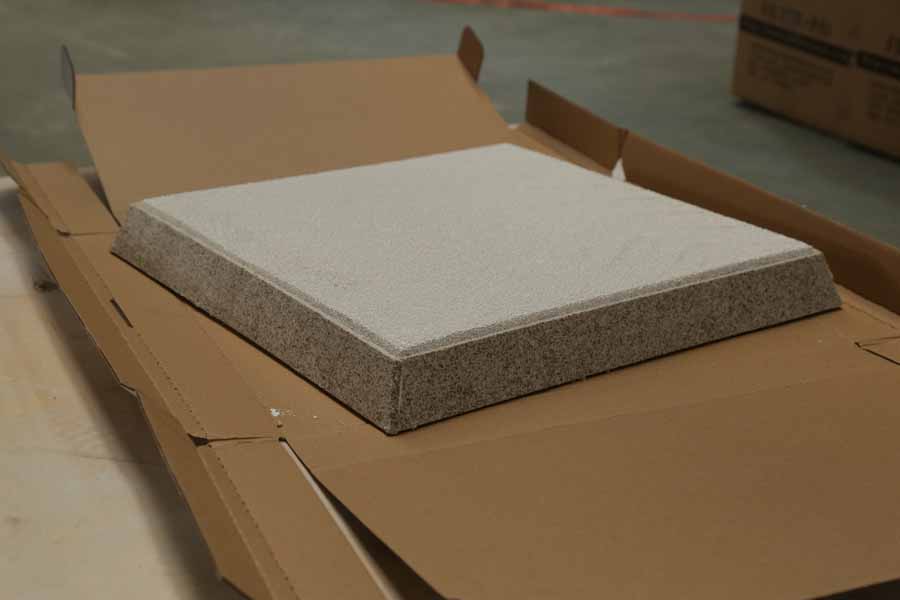
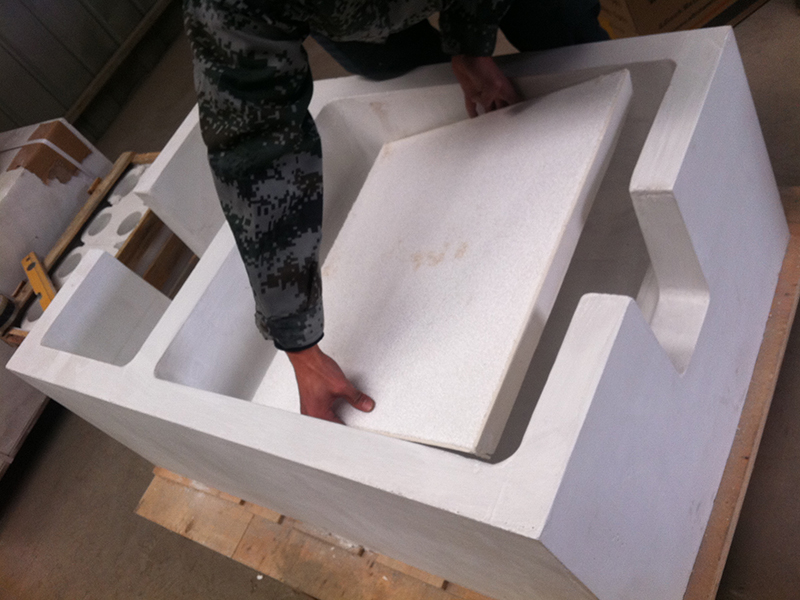
2. Coloca con cuidado la placa filtrante en la caja del filtro y presiona con la mano la junta de estanqueidad que rodea la placa filtrante para evitar que se derrame el aluminio fundido.
3. Precalentar uniformemente la caja del filtro y la placa filtrante para que alcancen una temperatura cercana a la del aluminio fundido. El precalentamiento sirve para eliminar la humedad y facilitar la filtración transitoria inicial. El precalentamiento puede realizarse mediante calefacción eléctrica o de gas. En circunstancias normales, dura entre 15 y 30 minutos aproximadamente.
4. Presta atención a la variación de la altura hidráulica del aluminio durante la fundición. La altura inicial normal es de 100-150 mm. Cuando el aluminio fundido comience a fluir, la altura hidráulica descenderá por debajo de los 75-100 mm y, a continuación, volverá a aumentar lentamente.
5. Durante el proceso normal de filtración, evite golpear o hacer vibrar la placa filtrante. Al mismo tiempo, la canaleta debe estar llena de agua de aluminio para evitar que esta se agite en exceso.
6. Una vez finalizada la filtración, retira la placa filtrante a la mayor brevedad posible y limpia la caja del filtro.
Artículos relacionados:
 Fundición de filtros cerámicos
 Filtro de espuma cerámica Zro2
 Filtro de espuma metálica para fundición de aluminio
 Filtro de espuma cerámica de Al₂O₃
 Filtro de espuma Alunima
 Filtro cerámico de carburo de silicio
 Placa filtrante de cerámica celular
 Filtro de espuma cerámica de alúmina
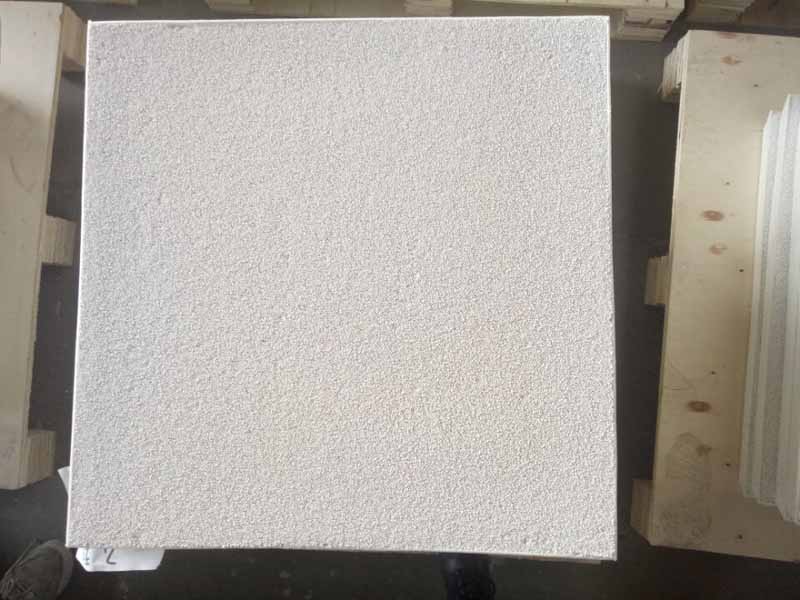 Filtro de circonio
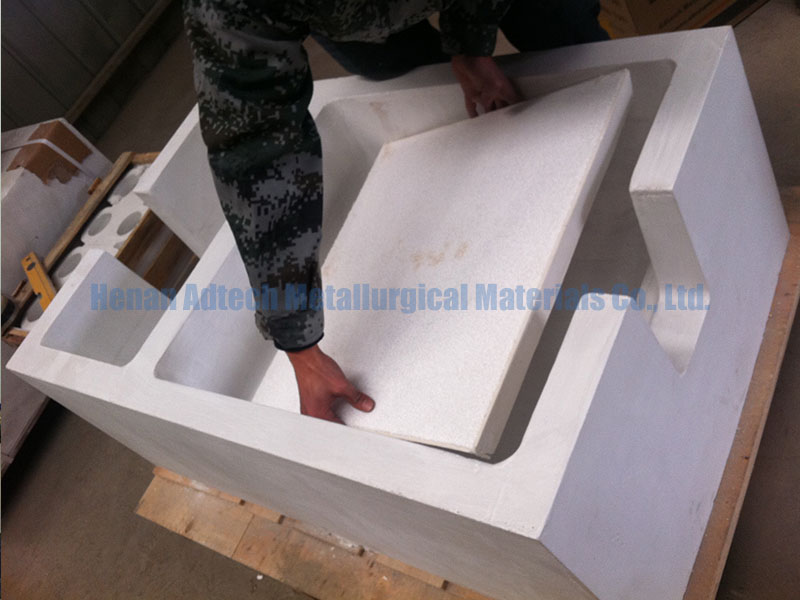 Filtro de espuma de circonio
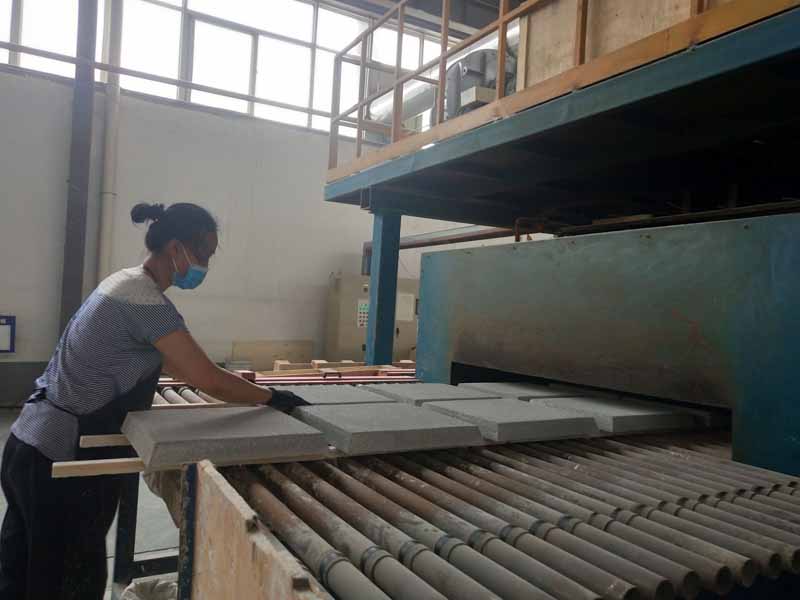 Filtro de circonio para metal fundido
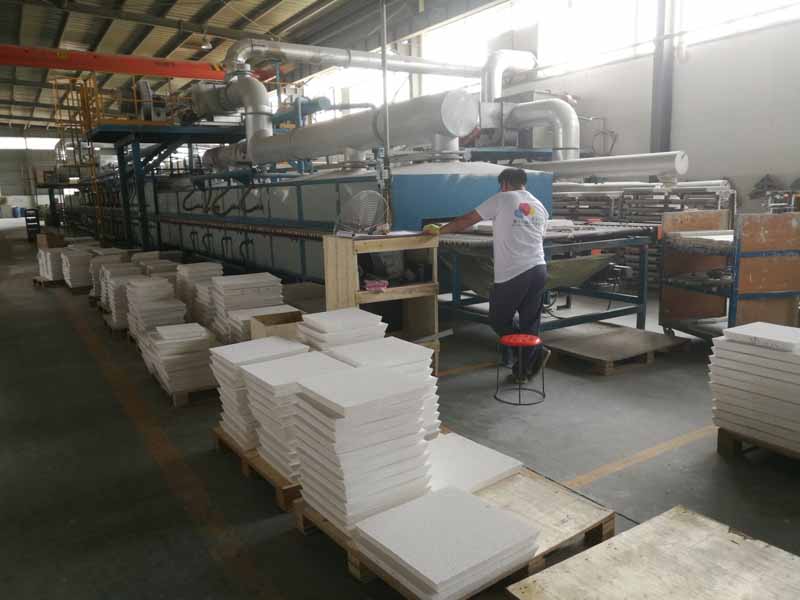 Filtro de cerámica de circonio
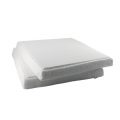 Filtro cerámico de espuma de circonio
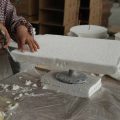 Filtro cerámico poroso de circonio
Sorry, the comment form is closed at this time.