
24 de julio Los principales fabricantes mundiales de papel de aluminio
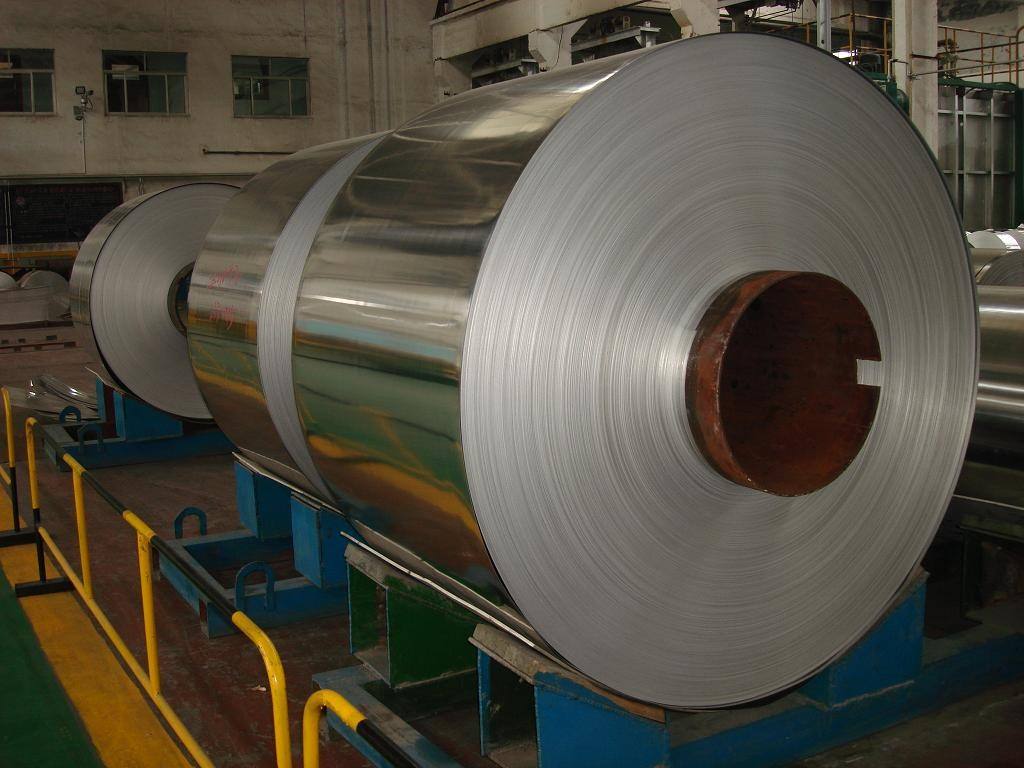
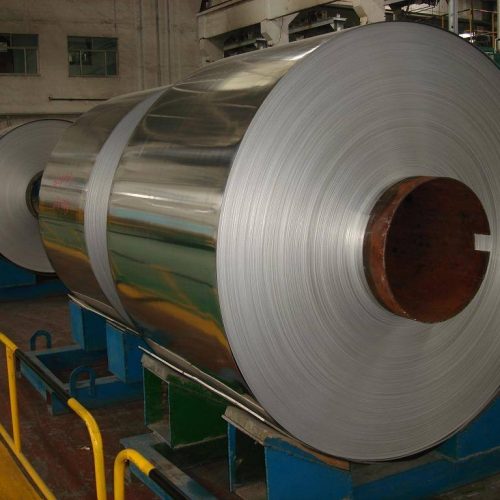
El papel de aluminio se fabrica a partir de aluminio que se ha fundido, refinado, moldeado y laminado hasta alcanzar un grosor cada vez menor. Se utiliza ampliamente en el envasado de alimentos, productos farmacéuticos, productos de uso doméstico, condensadores, aplicaciones relacionadas con las baterías y otros productos industriales.
Detrás de un papel de aluminio de alta calidad se esconde un proceso de producción previo cuidadosamente controlado. Antes de que el aluminio pueda laminarse para convertirlo en papel de aluminio, el metal fundido debe someterse a un tratamiento adecuado para controlar el hidrógeno disuelto, las inclusiones no metálicas, la composición de la aleación y la temperatura. Estos factores pueden afectar a la estabilidad de la colada y a la calidad del producto laminado.
Este artículo presenta a los principales fabricantes de papel de aluminio y explica qué papel desempeña el tratamiento del aluminio fundido en el proceso de producción del papel de aluminio.
papel de aluminio
Principales fabricantes de papel de aluminio
No existe una clasificación mundial única que represente de forma coherente a todos los fabricantes de papel de aluminio, ya que las empresas difieren en cuanto a gama de productos, capacidad de producción, mercados geográficos y grado de integración vertical.
Las siguientes empresas son participantes destacados en el sector mundial del papel de aluminio y los productos laminados de aluminio.
Novelis

Novelis
Novelis es una de las principales empresas mundiales de laminación y reciclaje de aluminio, y suministra productos de aluminio laminado plano a mercados como el del embalaje, el automovilístico, el aeroespacial y las aplicaciones especializadas.
Su cartera de productos incluye chapas y láminas de aluminio. Novelis cuenta con una red integrada de plantas de laminación y reciclaje repartidas por América del Norte, América del Sur, Europa y Asia. Es una filial de Hindalco Industries.
Novelis también completó la adquisición de Aleris en 2020. Por lo tanto, Aleris no debería figurar como un fabricante importante independiente de papel de aluminio en la lista actual del sector.
Hindalco Industries

HINDALCO
Hindalco Industries es una importante empresa productora integrada de aluminio y cobre, y la sociedad matriz de Novelis.
A través de sus operaciones de aluminio en la fase inicial de la cadena de valor y del negocio de laminación de Novelis en la fase final, el grupo abarca múltiples etapas de la cadena de valor del aluminio. Novelis suministra chapas y láminas de aluminio para envases y otras aplicaciones.
Constellium

Constellium
Constellium es un fabricante mundial de productos de aluminio laminado y extruido. Sus productos se utilizan en sectores como el aeroespacial, el de la automoción, el del embalaje y otras aplicaciones industriales y de transporte.
Su posición en el sector de transformación del aluminio hace que sea una empresa relevante a la hora de hablar de los principales fabricantes de productos laminados de aluminio.
Hulamin

HULAMIN
Hulamin es una empresa sudafricana dedicada a la semielaboración de aluminio que fabrica productos de aluminio laminado para embalajes, latas de bebidas y otras aplicaciones industriales.
Sus operaciones ponen de manifiesto la importancia de controlar la calidad del aluminio a lo largo de todo el proceso de fundición, laminación y acabado.
Xiamen Xiashun

Xiamen Xiashun
Xiamen Xiashun Aluminium Foil es uno de los principales fabricantes chinos de papel de aluminio, con una cadena de producción integrada que abarca lingotes, chapas y láminas de aluminio.
La empresa fabrica papel de aluminio para embalaje, papel de aluminio para baterías y otros productos especializados de papel de aluminio. Sus instalaciones actuales incluyen centros de producción de papel de aluminio y chapas de aluminio en Xiamen.
Xiashun afirma que su capacidad de producción de papel de aluminio es de aproximadamente 120 000 toneladas al año, a lo que se suma una capacidad adicional de chapa de aluminio. En 2026, el grupo también adquirió la empresa italiana de transformación de aluminio Carcano, ampliando así su red internacional de producción y suministro.
Assan Aluminio
Assan Aluminyum
Assan Alüminyum es uno de los principales fabricantes turcos de productos laminados planos de aluminio, entre los que se incluyen el papel de aluminio y las chapas de aluminio.
Sus productos se utilizan en los sectores del embalaje, la industria, la construcción y otras aplicaciones, lo que la convierte en un actor destacado en el sector europeo y mundial de la laminación de aluminio.
ELVAL

ELVAL
ELVAL es una empresa europea consolidada dedicada a la laminación de aluminio que fabrica productos laminados planos de aluminio para embalaje, transporte, construcción y aplicaciones industriales.
Sus actividades incluyen productos utilizados en aplicaciones exigentes de la industria transformadora, en las que la calidad de la superficie del aluminio, sus propiedades mecánicas y su uniformidad son fundamentales.
UACJ

UACJ
UACJ es uno de los principales fabricantes japoneses de productos laminados de aluminio, resultado de la fusión entre Furukawa-Sky Aluminum y Sumitomo Light Metal Industries.
La empresa fabrica chapas y láminas de aluminio para aplicaciones como el embalaje, la automoción, la electrónica y los productos industriales.
Gränges

GRANGES
Gränges es un fabricante mundial de productos de aluminio laminado, especialmente destinados a intercambiadores de calor y aplicaciones especializadas.
Aunque su gama de productos difiere de la de las empresas que se dedican principalmente a la fabricación de láminas de aluminio para envases, es un actor importante en el sector mundial de la laminación de aluminio.
Carcano

CARCANO
Carcano es un fabricante italiano de papel de aluminio con una larga trayectoria en el sector europeo de la transformación del aluminio.
La empresa pasó a formar parte del grupo global de transformación de aluminio de Xiashun en 2026, tras la adquisición de Carcano por parte de Xiashun.
¿Qué ocurre antes de laminar el papel de aluminio?
La calidad del papel de aluminio no viene determinada únicamente por el proceso de laminado final.
La calidad del aluminio fundido en las fases iniciales del proceso puede influir en la estabilidad y la pureza del material que entra en el proceso de laminación.
Una ruta de producción simplificada es la siguiente:
Fusión → Aleación → Tratamiento de la masa fundida → Filtración → Colada → Laminado en caliente/en frío → Laminado de láminas → Acabado
En función del proceso de fabricación, la fundición puede realizarse mediante fundición por enfriamiento directo, colada continua o colada continua entre rodillos gemelos.
El proceso exacto varía en función de la aleación, las especificaciones del producto, el espesor de la lámina, los equipos de producción y el fabricante.
¿Por qué es importante la calidad del aluminio fundido para el papel de aluminio?
El papel de aluminio es un producto fino y altamente procesado. Los defectos o impurezas que se introducen durante la fusión y la colada pueden resultar más difíciles de controlar durante las operaciones posteriores de laminación.
Hay tres ámbitos que revisten especial importancia.
Hidrógeno disuelto
El aluminio fundido puede absorber hidrógeno procedente de la humedad, de los materiales de carga húmedos, de la atmósfera del horno, de las herramientas y de los materiales refractarios.
El hidrógeno tiene una solubilidad mucho menor en el aluminio sólido que en el líquido. Durante la solidificación, el exceso de hidrógeno puede provocar porosidad gaseosa.
Por este motivo, es habitual realizar una desgasificación del aluminio fundido antes de la fundición, con el fin de reducir el hidrógeno disuelto y disminuir el riesgo de porosidad relacionada con el hidrógeno.
Inclusiones no metálicas
Las películas de óxido y otras inclusiones no metálicas pueden introducirse en el aluminio fundido durante las operaciones de fusión, carga, aleación, transferencia y funcionamiento del horno.
Si permanecen en la masa fundida, pueden afectar a la calidad de la fundición y a los procesos posteriores.
Por ello, se utilizan filtros de espuma cerámica y otros sistemas de filtración para eliminar las inclusiones no metálicas del aluminio fundido antes de la fundición.
Canal de transferencia de temperatura y material fundido
La producción de papel de aluminio también requiere condiciones térmicas estables.
Una pérdida excesiva de temperatura durante el traslado puede afectar a las condiciones de fundición, mientras que un sobrecalentamiento excesivo puede aumentar la oxidación y la absorción de hidrógeno.
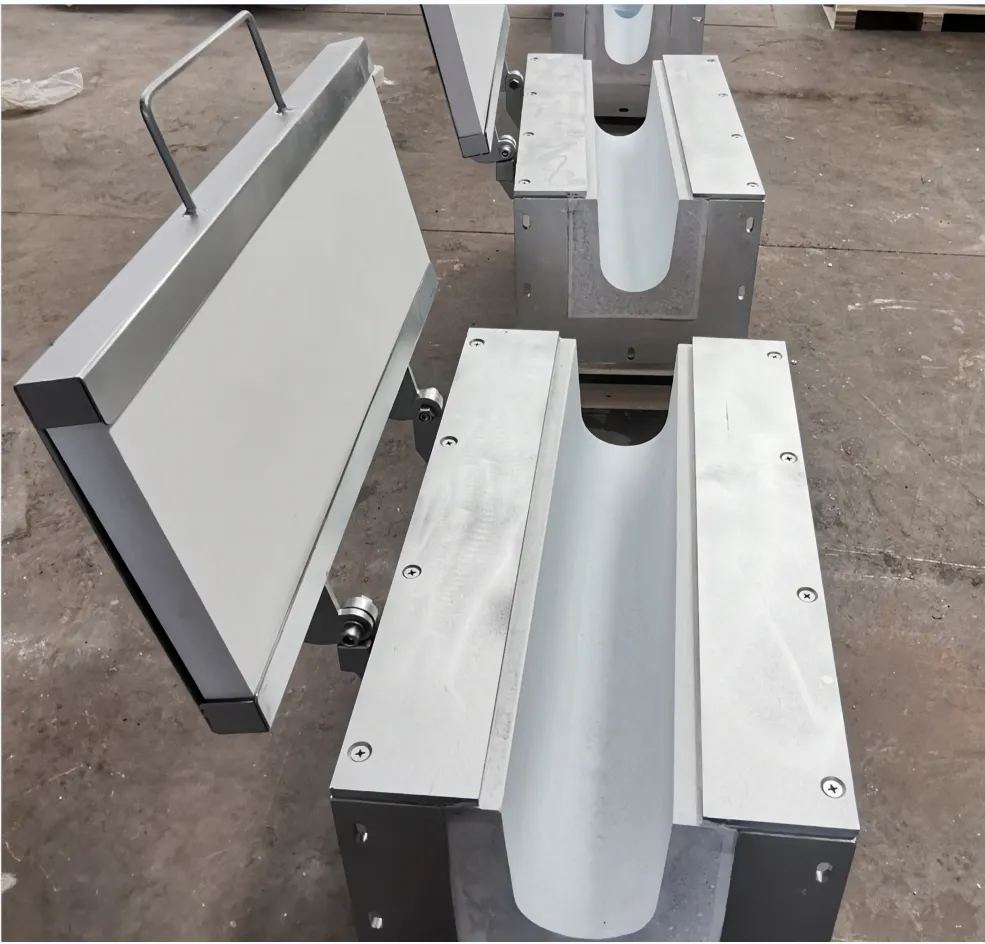
Un sistema de transferencia de aluminio fundido bien diseñado, que incluya canales de vertido y equipos de filtración, contribuye a mantener un caudal y una temperatura estables entre las distintas etapas del proceso.
Canal de transferencia de aluminio
Descubre nuestro tratamiento con aluminio fundido
¿Qué tratamiento de fusión requiere la producción de papel de aluminio?
No existe un único método de tratamiento de la masa fundida que resuelva todos los problemas relacionados con la calidad de la misma.
Un sistema típico de tratamiento de aluminio fundido puede combinar varias tecnologías.
Desgasificación
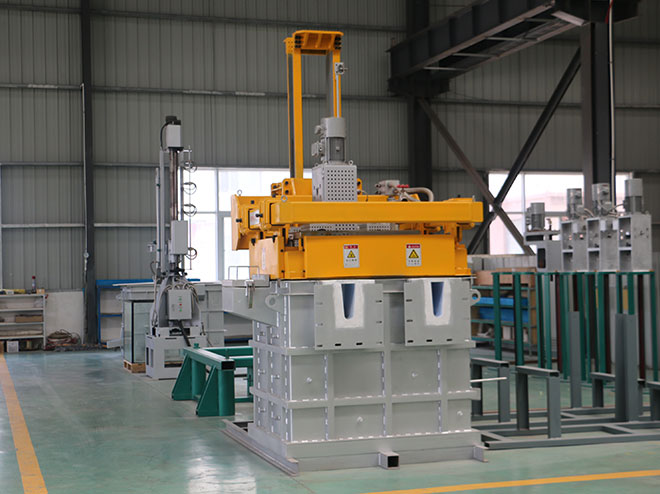
equipos de desgasificación
La desgasificación se utiliza principalmente para reducir el hidrógeno disuelto en el aluminio fundido.
En un sistema de desgasificación rotativo, un impulsor o rotor introduce nitrógeno o argón en la masa fundida y dispersa el gas en burbujas finas.
El hidrógeno pasa del aluminio fundido a las burbujas de gas de purga y es expulsado de la masa fundida.
La desgasificación rotativa suele ser más controlada y repetible que la simple inyección manual de gas, ya que el rotor proporciona una dispersión del gas y una circulación de la masa fundida más uniformes.
Filtración
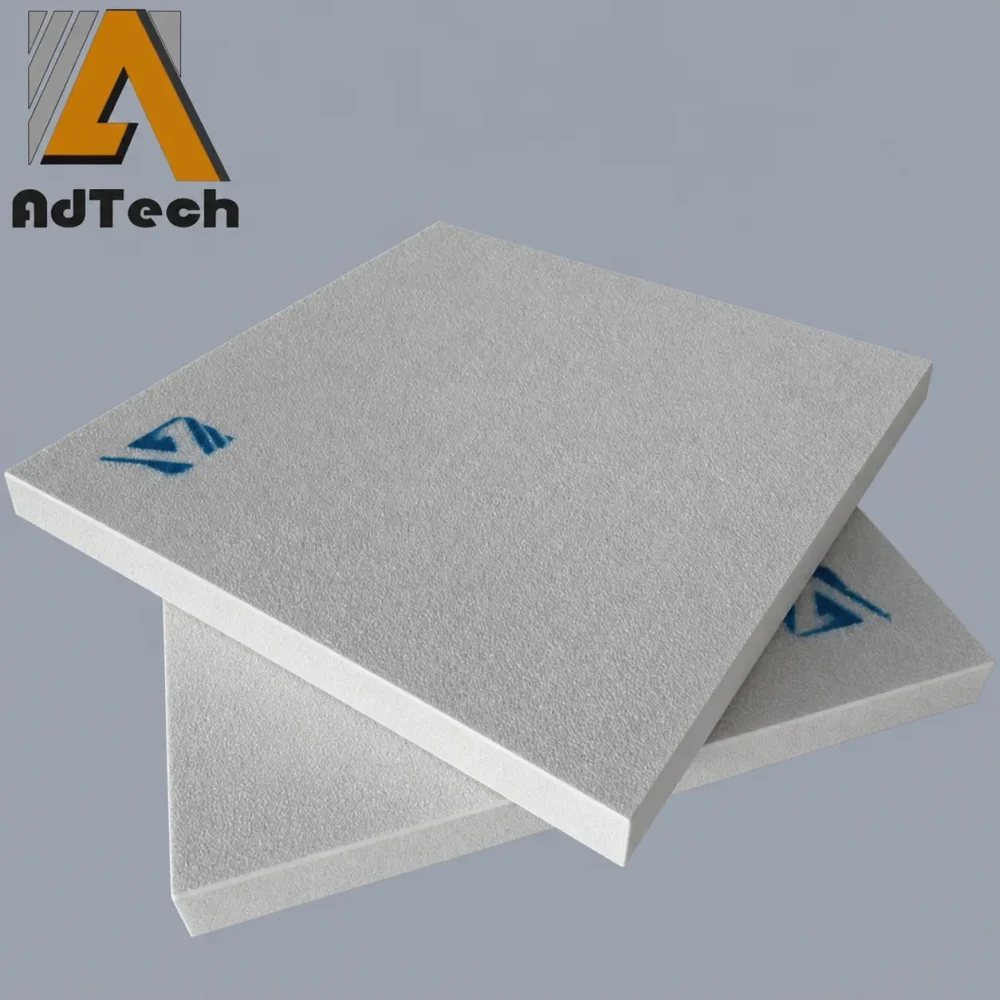
filtro de espuma cerámica
La filtración se utiliza principalmente para eliminar las inclusiones no metálicas del aluminio fundido.
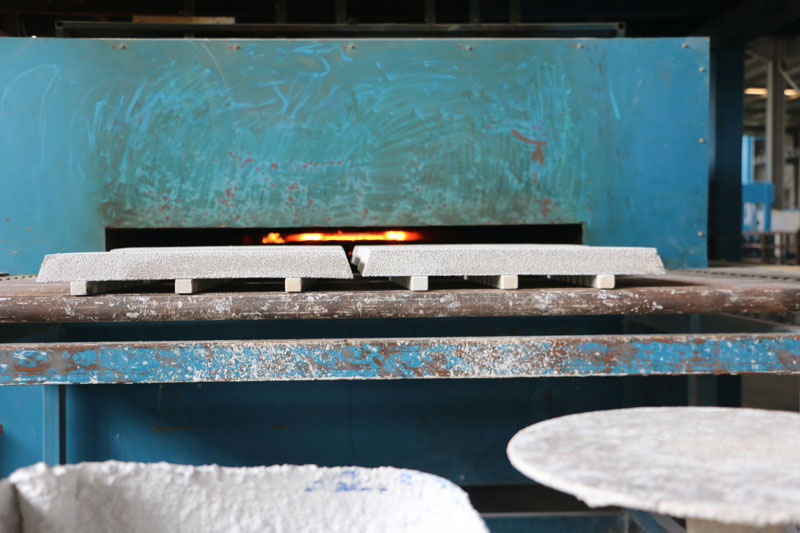
Los filtros de espuma cerámica proporcionan un recorrido tortuoso por el que pasa el aluminio fundido, mientras que las inclusiones de mayor tamaño quedan retenidas en la estructura del filtro.
El tipo de filtro adecuado, el PPI, el tamaño y la configuración de filtración dependen de la aleación, el caudal de fundición, el proceso de fundición y el grado de limpieza requerido.
Tratamiento con fundente
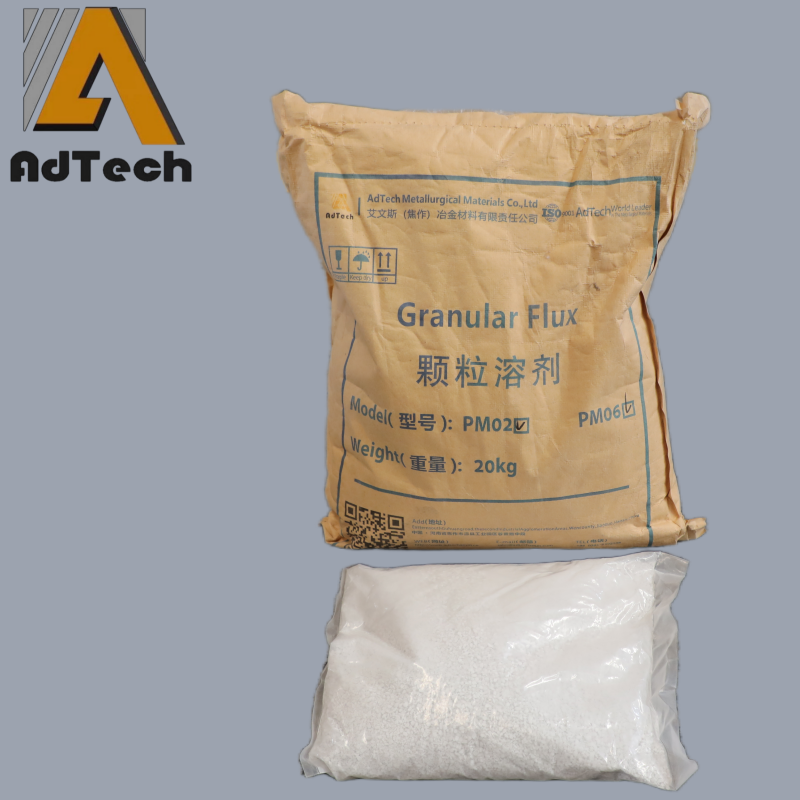
fundente granular
Los fundentes pueden utilizarse para funciones específicas de tratamiento del baño de fusión, como el refinado, la escorificación, el recubrimiento u otros requisitos metalúrgicos.
Se debe seleccionar el fundente adecuado en función de la composición de la aleación, las condiciones de fusión, el objetivo del tratamiento y los requisitos del proceso.
El tratamiento con fundente no debe considerarse un sustituto de una desgasificación y filtración adecuadas cuando dichos procesos sean necesarios.
Control de la temperatura
El tratamiento de fusión también debe realizarse dentro de un intervalo de temperatura adecuado.
La temperatura influye en la fluidez del metal fundido, el comportamiento del hidrógeno, la oxidación, la filtración, la transferencia y las condiciones de colada.
Por lo tanto, el tratamiento de la masa fundida y la gestión de la temperatura deben considerarse conjuntamente, en lugar de como operaciones totalmente independientes.
Proceso de fabricación del papel de aluminio
Aunque los procesos de fabricación varían según el fabricante, un proceso simplificado de fabricación de papel de aluminio puede representarse de la siguiente manera:
Carga de aluminio
↓
Fusión
↓
Aleación / Ajuste de la composición
↓
Tratamiento por fusión
↓
Desgasificación
↓
Filtración
↓
Reparto
↓
Rodando
↓
Laminado de láminas
↓
Corte longitudinal / Acabado
↓
Productos de papel de aluminio
El tratamiento en estado fundido se lleva a cabo antes o durante la fase de colada, y no durante el proceso final de laminado de láminas.
Por eso, controlar la calidad del aluminio fundido en una fase temprana puede resultar importante para la producción posterior de láminas.
¿Qué equipos de tratamiento del aluminio fundido se utilizan antes de la fundición?
Dependiendo de la línea de producción, una planta de aluminio puede utilizar varios tipos de equipos y consumibles.
| Requisitos para el tratamiento de la masa fundida | Solución típica |
|---|---|
| Reducir el hidrógeno disuelto | Unidad de desgasificación rotativa |
| Eliminar las inclusiones no metálicas | Filtro de espuma cerámica |
| Filtración controlada | Caja de filtro |
| Refinería / tratamiento de escorias | Fundente para aluminio fundido |
| Transferencia de aluminio fundido | Sistema de lavado |
| Control del flujo de fundición | Consejos para la fundición / componentes refractarios |
| Mejorar la limpieza de la masa fundida | Desgasificación + filtración + control de procesos combinados |
La combinación exacta depende de la aleación, el método de fundición, el volumen de fundido, el rendimiento, el nivel de limpieza deseado y la configuración actual de la planta.
¿Cómo pueden los fabricantes de papel de aluminio mejorar la calidad de la fundición?
Una estrategia fiable para garantizar la calidad de la masa fundida debe abarcar todo el proceso, en lugar de basarse únicamente en un único equipo.
Entre las medidas clave se incluyen:
- Mantén secos los materiales de carga, las herramientas y los refractarios.
- Controlar las temperaturas del horno y de mantenimiento.
- Reduzca al mínimo la exposición innecesaria de la masa fundida a la humedad y a la oxidación.
- Utiliza condiciones de desgasificación adecuadas para reducir el hidrógeno disuelto.
- Utiliza un sistema de filtración eficaz para eliminar las inclusiones no metálicas.
- Selecciona los fundentes en función de la aleación y del objetivo del tratamiento.
- Mantener unas condiciones estables para la transferencia del aluminio fundido.
- Controla la calidad del material fundido antes de la colada.
- Adapta la capacidad de filtración y desgasificación al rendimiento real de metal.
- Inspecciona periódicamente los rotores, los filtros, los canales de descarga y otros componentes refractarios.
Para la producción de papel de aluminio de alta calidad, el tratamiento de la masa fundida debe considerarse parte del sistema global de control de calidad, y no una operación aislada.
papel de aluminio
¿Por qué es importante la filtración para obtener papel de aluminio de alta calidad?
La producción de papel de aluminio plantea requisitos muy exigentes en cuanto a la calidad del aluminio de partida.
Una vez que las inclusiones o los defectos relacionados con los óxidos se introducen en el material fundido, la laminación posterior no puede eliminar por sí sola todos los problemas.
Una filtración eficaz permite eliminar las inclusiones no metálicas antes de la fundición.
Esto reviste especial importancia en la fabricación de productos de aluminio destinados a aplicaciones con requisitos de limpieza muy exigentes, como el papel de aluminio para envases, el papel de aluminio para condensadores y el papel de aluminio para baterías.
Sin embargo, el rendimiento de la filtración depende del sistema en su conjunto, lo que incluye la selección del filtro, el caudal de la masa fundida, la temperatura, la superficie del filtro, la instalación y el estado de la masa fundida en la etapa anterior.
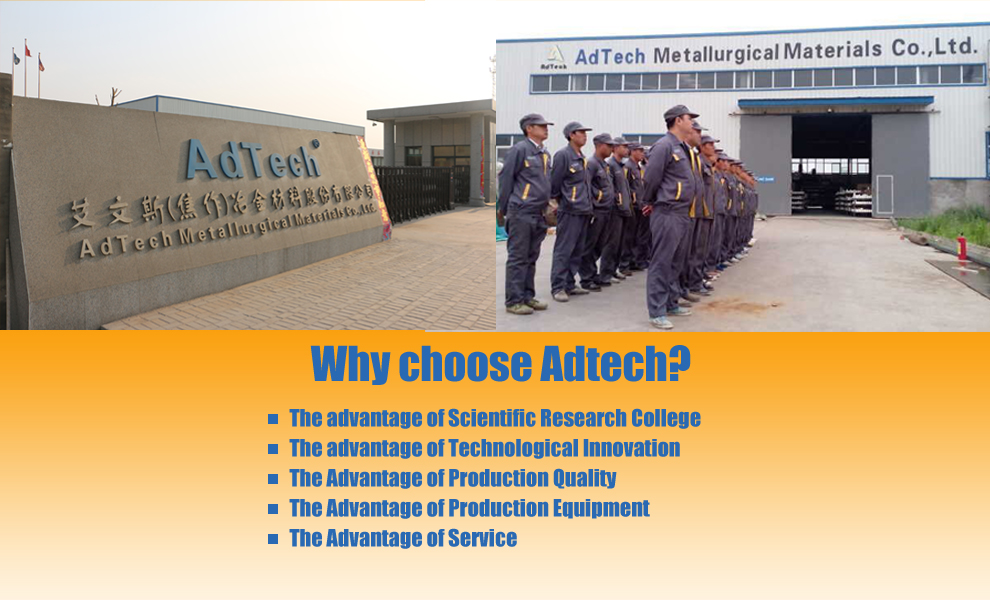
¿Suministra AdTech equipos directamente a los fabricantes de papel de aluminio?
AdTech suministra productos que se utilizan en las fases iniciales del tratamiento de la fundición de aluminio y de la colada.
Nuestros productos pueden resultar de interés para los productores de aluminio, las fábricas de laminación, las plantas de fundición y otros fabricantes que procesan aluminio fundido antes de su laminación o acabado posteriores.
Entre las aplicaciones típicas se incluyen:
- Producción de papel de aluminio
- Producción de chapas de aluminio
- Fundición de tiras de aluminio
- Colada continua
- Fundición de lingotes de aluminio
- Fundición de placas de aluminio
- Producción de aleaciones de aluminio
- Otros procesos de fundición de aluminio fundido
Se debe seleccionar la configuración adecuada del producto en función de la aleación del cliente, su capacidad de producción, el proceso de fundición, el caudal de fundido, la temperatura y el equipamiento disponible.
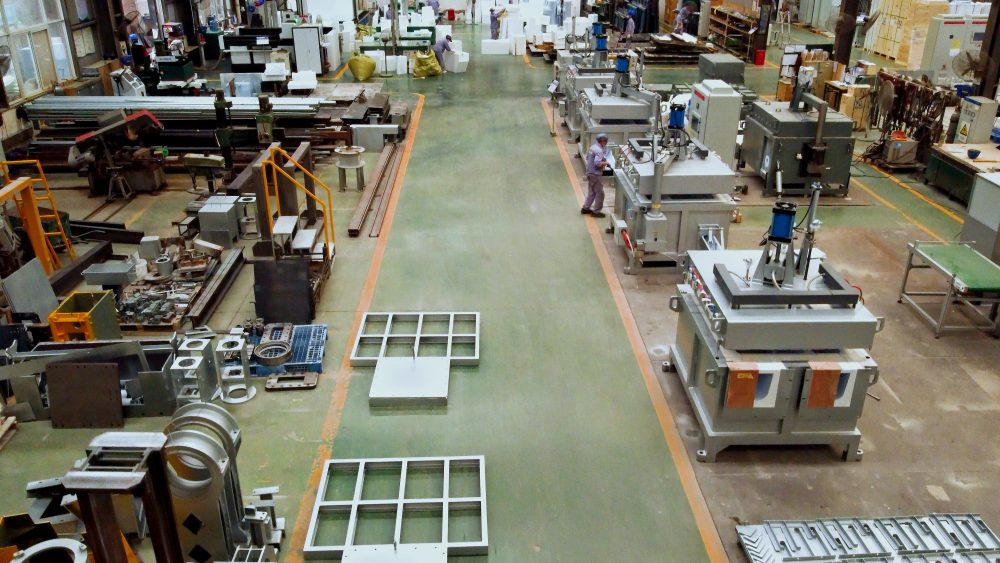
Adtech Factory
Conclusión
Los principales fabricantes de papel de aluminio operan en la fase final de una cadena de producción de aluminio mucho más amplia.
Antes de que el aluminio se convierta en papel de aluminio, el metal fundido debe fundirse, alearse, tratarse, filtrarse, moldearse y laminarse en condiciones controladas.
Por este motivo, la calidad del aluminio fundido es un factor importante que deben tener en cuenta los fabricantes de láminas en las fases iniciales del proceso.
AdTech respalda estos procesos previos con filtros de espuma cerámica, unidades de desgasificación de aluminio, cajas de filtro, fundentes para aluminio fundido, sistemas de canaletas, puntas de colada y otros materiales metalúrgicos y componentes de fundición.
AdTech no fabrica directamente papel de aluminio. En su lugar, proporcionamos tecnologías y componentes que ayudan a los productores de aluminio y a los fabricantes de sectores posteriores a la cadena de producción a controlar la calidad del metal fundido antes de la colada y la laminación.
Si está evaluando una solución de filtración, desgasificación o transferencia de aluminio fundido para una operación de fabricación de papel de aluminio o de laminación, la configuración adecuada debe basarse en la aleación, el caudal de fundido, el método de colada y el grado de limpieza del fundido requerido.
Preguntas frecuentes
1. ¿Quiénes son los principales fabricantes de papel de aluminio del mundo?
Entre los principales productores de papel de aluminio y de aluminio laminado se encuentran Novelis, Hindalco Industries, Constellium, Hulamin, Xiamen Xiashun, Assan Alüminyum, ELVAL, UACJ, Gränges y otros fabricantes regionales. El mercado mundial evoluciona con el tiempo, por lo que, a la hora de comparar fabricantes, conviene comprobar la capacidad de producción y la estructura accionarial de las empresas.
2. ¿Cómo se fabrica el papel de aluminio?
La producción de papel de aluminio suele incluir las fases de fusión, aleación, tratamiento de la masa fundida, colada, laminado y laminado del papel de aluminio. Dependiendo del producto y de la línea de producción, en la fase de colada pueden utilizarse procesos de colada por enfriamiento directo o de colada continua.
3. ¿Por qué es importante la calidad del aluminio fundido para la producción de papel de aluminio?
La calidad del aluminio fundido influye en la estabilidad de la fundición y en la calidad del material que pasa al proceso de laminación. El hidrógeno disuelto, las inclusiones no metálicas, la oxidación y un control deficiente de la temperatura pueden contribuir a la aparición de defectos que puedan afectar a las fases posteriores del proceso.
4. ¿Cómo se elimina el hidrógeno del aluminio fundido antes de la fundición?
El hidrógeno disuelto se elimina habitualmente mediante desgasificación con nitrógeno o argón. En la desgasificación rotativa, un rotor de grafito giratorio dispersa el gas inerte en burbujas finas, lo que permite que el hidrógeno disuelto pase a las burbujas y salga de la masa fundida.
5. ¿Cómo se eliminan las inclusiones del aluminio fundido?
Las inclusiones no metálicas se eliminan principalmente mediante la filtración del aluminio fundido. Los filtros de espuma cerámica proporcionan una vía de filtración porosa que retiene muchas películas de óxido y otras inclusiones sólidas antes de que el metal entre en el proceso de fundición.
6. ¿Los fabricantes de papel de aluminio necesitan tanto procesos de desgasificación como de filtración?
En aplicaciones en las que se requieren bajos niveles de hidrógeno y una elevada pureza de la masa fundida, la desgasificación y la filtración abordan problemas distintos y, a menudo, se utilizan conjuntamente. La desgasificación reduce principalmente el hidrógeno disuelto, mientras que la filtración elimina principalmente las inclusiones no metálicas.
7. ¿Qué equipos se utilizan para el tratamiento del aluminio fundido antes de la producción de láminas?
Entre los equipos y materiales habituales se incluyen las unidades de desgasificación rotativas, los filtros de espuma cerámica, las cajas de filtrado, los canales de aluminio fundido y los fundentes para el tratamiento del aluminio fundido. La combinación necesaria depende de la aleación, el método de fundición, el caudal de fundido y los requisitos de limpieza.
8. ¿Pueden los filtros de espuma cerámica mejorar la calidad del papel de aluminio?
Los filtros de espuma cerámica pueden reducir la entrada de inclusiones no metálicas en el proceso de fundición. Su eficacia depende de factores como las especificaciones del filtro, la superficie de filtración, el caudal del metal fundido, la temperatura, la instalación y el estado del aluminio fundido.
9. ¿Qué ofrece AdTech para la producción de papel de aluminio?
AdTech no fabrica papel de aluminio. Suministramos productos para el tratamiento del aluminio fundido y la colada en las fases iniciales del proceso, entre los que se incluyen filtros de espuma cerámica, unidades de desgasificación de aluminio, cajas de filtro, fundentes, sistemas de canaletas, puntas de colada y materiales metalúrgicos relacionados.
10. ¿Qué información se necesita para seleccionar los equipos de tratamiento del aluminio fundido destinados a la producción de láminas?
Entre la información importante se incluyen la aleación de aluminio, el volumen de fundición, la capacidad de producción, el método de fundición, el caudal de metal, la temperatura de funcionamiento, el grado de pureza requerido de la fundición, los equipos de filtración o desgasificación existentes y el espacio disponible para la instalación. Esta información ayuda a determinar el equipo y la configuración adecuados.
Artículos relacionados:
 Filtro cerámico de lámina de espesor ligero para fundición
 Fabricantes de filtros de fundición cerámicos
 Fabricantes de espuma filtrante
 Fabricantes de filtros de espuma cerámica refractaria
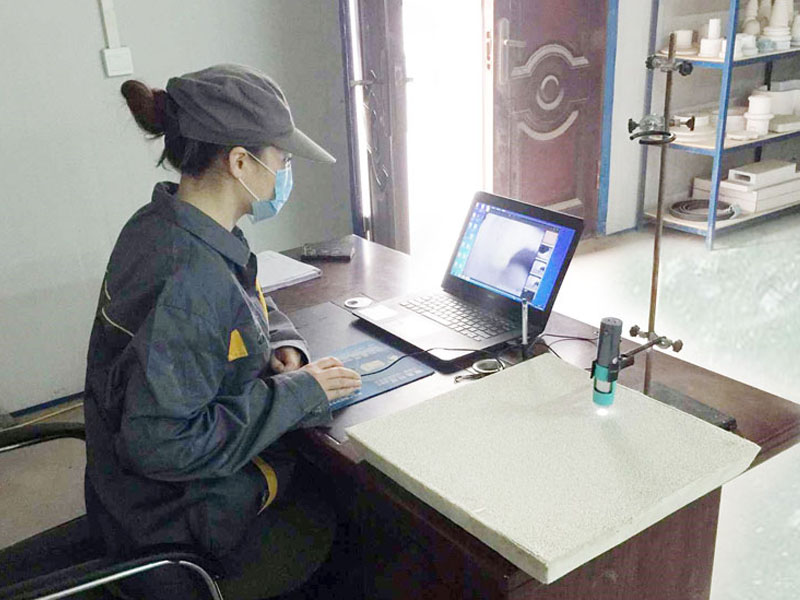 Fabricantes de filtros cerámicos
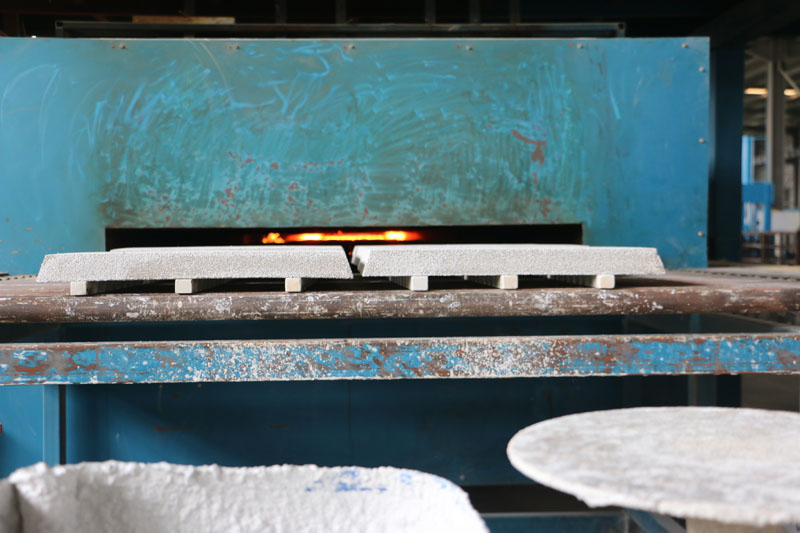 Fabricantes de filtros cerámicos para velas
 Filtro cerámico de aluminio fundido
 Fabricantes de filtros cerámicos para fundición
 Los 10 principales fabricantes de llantas de aleación de aluminio del mundo
 Consejo sobre la alimentación
Boquilla de fundición de silicato de aluminio
Consejo sobre la alimentación
Boquilla de fundición de silicato de aluminio
 Filtro de espuma cerámica de Food Lion y papel de aluminio
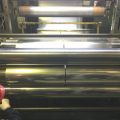 Papel de aluminio
 Fabricantes de cajas filtrantes para aluminio fundido
Ankit Mangukiya
Posted at 10:33 h, 7 de eneroPapel de aluminio de 18 micras