

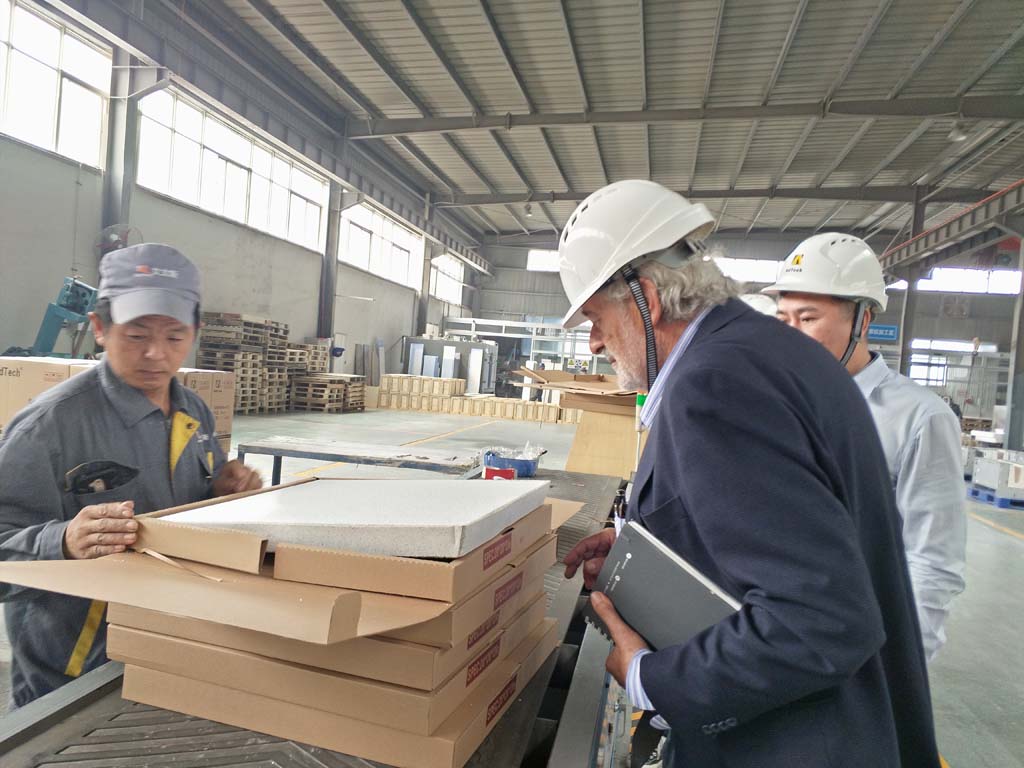
17 de septiembre Filtro cerámico Cff
El filtro cerámico Cff se utiliza ampliamente en la producción de las grandes empresas de transformación del aluminio de Rusia, Oriente Medio y el Sudeste Asiático.
Durante su uso, no solo es necesario eliminar las inclusiones del aluminio fundido, sino también evitar la obstrucción del filtro cerámico CFF y prolongar su vida útil.
La masa fundida no se filtra, por lo que contiene un gran número de inclusiones de diferentes tamaños. Las inclusiones de gran tamaño suelen formar primero microporos, lo que favorece la propagación de grietas, con lo que se reduce el rendimiento de la aleación.
Si se filtra la masa fundida, disminuirán las inclusiones en la aleación, aumentará la distancia media entre ellas y se ampliará la zona plástica en la punta de la grieta, lo que dará lugar a un aumento de la resistencia a la propagación de la grieta, lo que, en última instancia, se manifiesta en el rendimiento de la aleación.
El principio de filtrado del filtro cerámico Cff
El filtrado de la aleación de aluminio fundida incluye el filtrado superficial y el filtrado interno.
La filtración superficial consiste en que las impurezas sólidas se depositan principalmente en la superficie del medio filtrante.
La filtración interna consiste en que el aluminio fundido arrastra inclusiones en el Filtro cerámico de espuma Las partículas que circulan por los sinuosos canales y poros —y que son interceptadas, adsorbidas, depositadas, etc., directamente— chocan contra la pared del poro y se adhieren firmemente a ella.
A medida que avanza la filtración, la sección efectiva de filtración de los poros se reduce gradualmente, la permeabilidad disminuye y la precisión de la filtración mejora.
El filtro cerámico Cff y la filtración de lecho profundo pertenecen a la filtración interna, mientras que la filtración tubular corresponde a la captura dual de impurezas tanto en la superficie como en el interior.
Cuando el metal fundido de la aleación de aluminio no se filtra, la gran cantidad de inclusiones aumenta la viscosidad del metal fundido y reduce su fluidez. Durante la solidificación, el canal de alimentación interdendrítico se obstruye con facilidad, lo que da lugar a contracciones y porosidades microscópicas.
Al mismo tiempo, estas impurezas también adsorben burbujas, forman poros en la muestra, se convierten en el origen de microfisuras y reducen las prestaciones de la aleación.
Además, dado que las inclusiones se distribuyen principalmente en los límites de grano tras la solidificación de la aleación, la fuerza de unión entre los granos se reduce, lo que da lugar a una fractura intergranular cuando la muestra se somete a tensión; esto puede observarse en la película de óxido de la adhesión dendrítica presente en la fractura, o bien puede confirmarse mediante la presencia de inclusiones. Fábrica de filtros de espuma metálica. Correo electrónico: [email protected]
El proceso por el cual las inclusiones en la matriz influyen en la fractura de la probeta de aleación de aluminio
Cuando la probeta se somete a una fuerza de tracción, se produce una tensión concentrada intensa en el borde delantero de la grieta. Cuando la tensión de tracción supera el límite elástico, se produce primero una deformación plástica cerca de la punta de la grieta, formando una zona plástica, lo que da lugar a una relajación de la tensión y al embotamiento de la punta de la grieta.
A medida que la zona plástica se expande, las inclusiones situadas en el extremo delantero de la grieta entran en la zona plástica.
Dado que la fuerza de unión entre las inclusiones y la matriz es relativamente débil, bajo la acción de una tensión de tracción, las inclusiones se separan de la matriz, formando los microporos iniciales.
A medida que se sigue aumentando la carga, el estrechamiento interno entre la punta de la grieta y el microagujero se intensifica, lo que provoca que la punta de la grieta y el microagujero se unan rápidamente, y la grieta comienza a expandirse hacia delante.
Por lo tanto, las inclusiones favorecen la formación de microporos iniciales y tienen un mayor impacto en la propagación de las grietas.
Artículos relacionados:
 Fábrica de filtros cerámicos porosos
 Venta de filtros de espuma cerámica de alúmina
 Rus Aluminium
 Venta de filtros cerámicos para fundición
 Fábrica de filtros Foundry
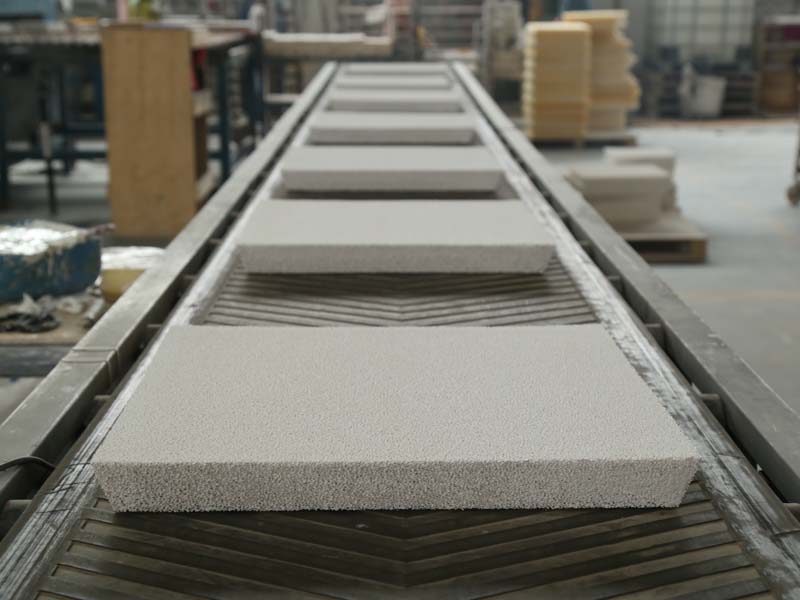 Filtro cerámico para fundición
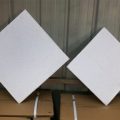 Fábrica de filtros de circonio
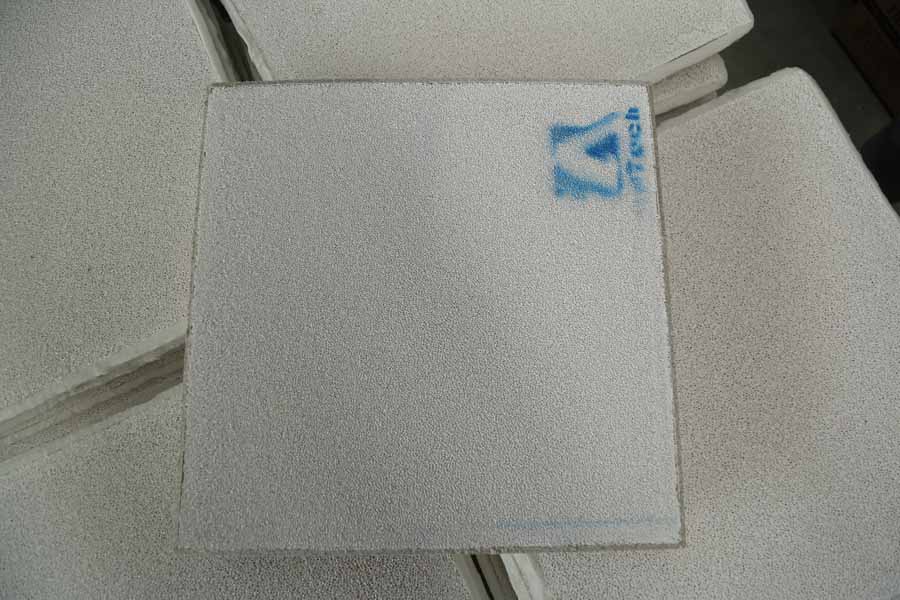 Proveedores de filtros de espuma cerámica
 Fábrica de filtros de fundición
Espuma filtrante cerámica
Fábrica de filtros de fundición
Espuma filtrante cerámica
 Filtro de espuma cerámica para fundición
 Circonia Cff
 20 ppp Cff
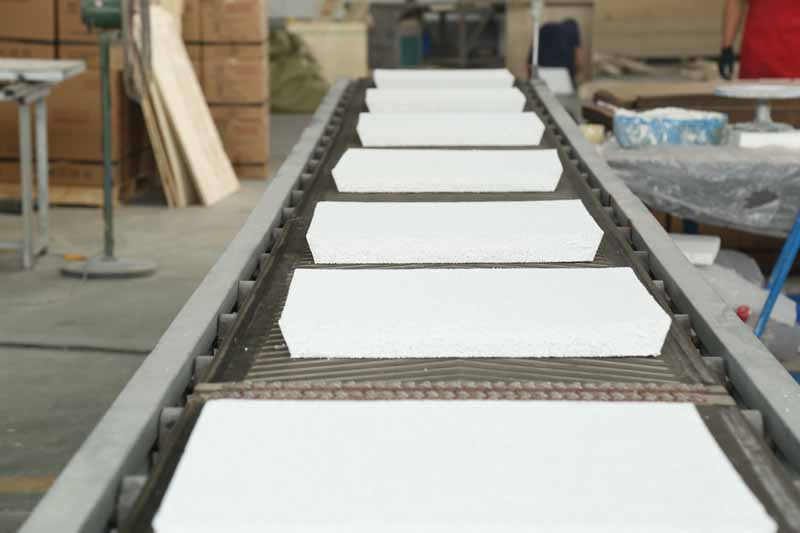 Filtración con cerámica de alúmina
Sorry, the comment form is closed at this time.