

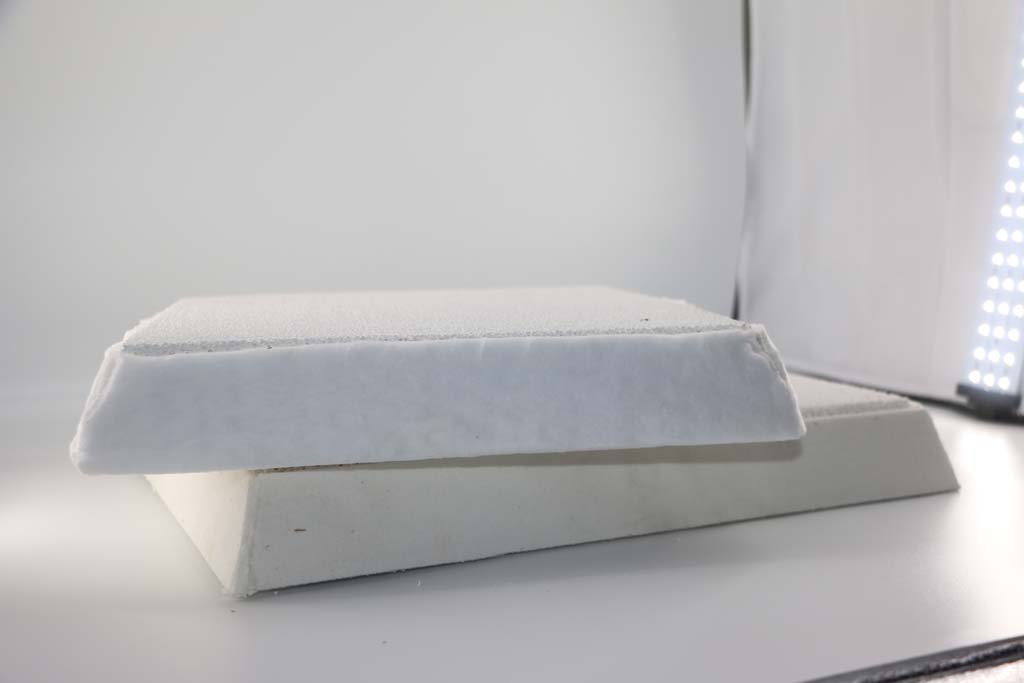
19 de noviembre 30 ppp Filter Foundry
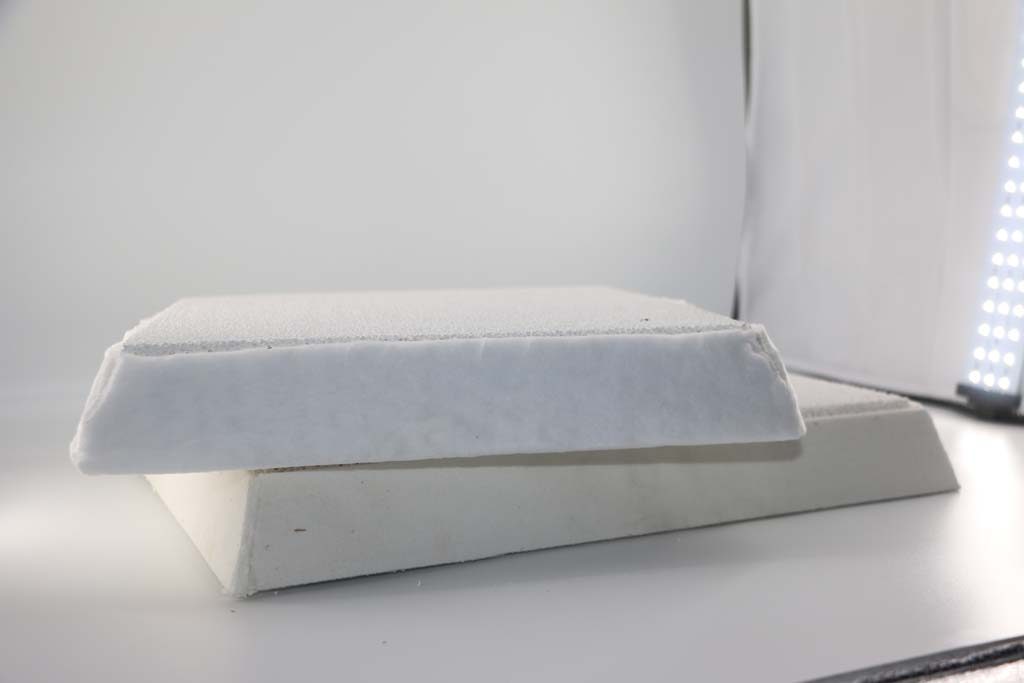
30 ppp Filter Foundry presenta las siguientes características: amplia superficie de filtrado, buena estabilidad frente a los choques térmicos, alta estabilidad química, buena resistencia a la erosión por metales y buena eficacia de filtrado.
Por lo tanto, en el ámbito de la tecnología de filtración y purificación de metal fundido, este nuevo tipo de filtro de alta eficiencia ha despertado el interés de las plantas de fundición y colada de aluminio.
El filtro cerámico de espuma para fundición es un filtro cerámico de espuma a base de alúmina que puede utilizarse ampliamente para la filtración en el proceso de fundición de aluminio, aleaciones de aluminio y otros metales no ferrosos. Este tipo de filtro puede colocarse en cajas de filtrado estándar, hornos de mantenimiento, etc.
30 ppp Filter Foundry Se utiliza en el proceso de fundición para filtrar escorias sólidas, como los óxidos metálicos presentes en el metal fundido, mejorando así la calidad y el rendimiento de las piezas fundidas; el uso de filtros de espuma cerámica ha impulsado el progreso tecnológico de la industria de la fundición.
Los filtros de espuma cerámica se dividen básicamente en seis tamaños de poro: 10 PPI, 15 PPI, 20 PPI, 25 PPI, 30 PPI y 40 PPI. Cuanto mayor es el número, menor es la abertura. Sin embargo, en la práctica, los cuatro tipos (10 PPI, 20 PPI, 30 PPI y 40 PPI) son suficientes para satisfacer las necesidades de los clientes.
Fábrica de filtros Foundry Email:[email protected]
Selección de la apertura
1. El moldeado: 10~25 ppi
2. Colada semicontinua: 30~60 ppi
3. Aluminio o chapa de alta calidad: 50~60 ppp
4. Colada continua y laminación: 50~60 p
Efectos del uso del filtro de espuma cerámica
Ahorra metal
Con el fin de reducir las inclusiones durante el proceso de colada, a menudo se toman medidas en el sistema de colada para intentar que las inclusiones presentes en el aluminio fundido permanezcan en dicho sistema antes de entrar en la cavidad.
Si las inclusiones son graves durante el proceso de fundición, se debe hacer todo lo posible por aumentar la altura y la longitud del canal de colada, así como el volumen de la bolsa de escoria, lo que reducirá el rendimiento de la fundición.
Reducir el margen de mecanizado y mejorar el rendimiento de corte
En el diseño del proceso, la superficie no mecanizada de la pieza fundida suele orientarse hacia arriba. El motivo es que a menudo hay inclusiones en la parte superior del molde, y estas no se detectan fácilmente cuando se encuentran en la superficie no mecanizada.
Artículos relacionados:
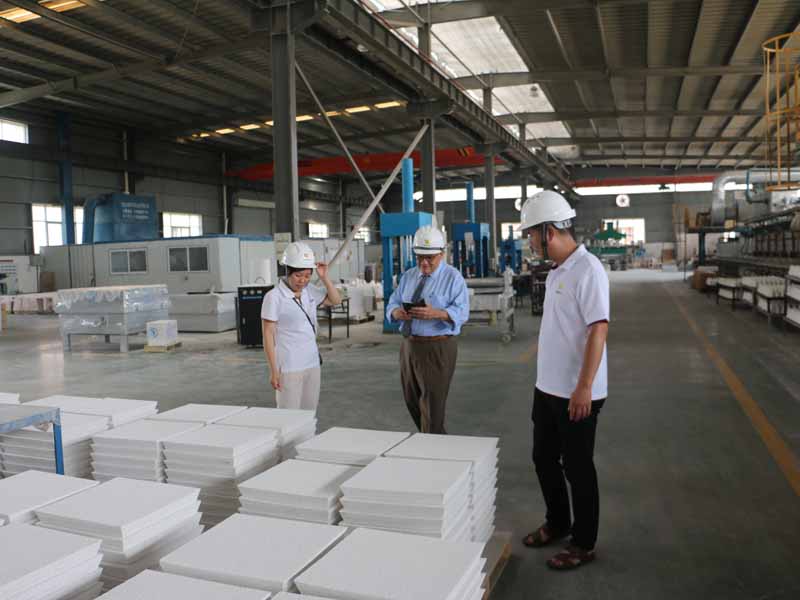 10 PPI, 20 PPI, 30 PPI, 40 PPI, 50 PPI, 60 PPI, filtro de espuma cerámica
 Filtro de aluminio fundido de Bangladesh Aluminium
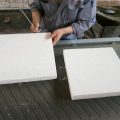 Filtro de fundición de cerámica de alúmina
 Filtro Foundry de 30 ppp
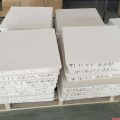 Fundición de filtros cerámicos de 30 ppi
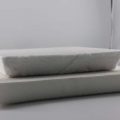 Filtro de fundición cerámico de 30 ppi
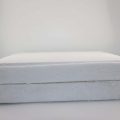 Filtros de Asian Foundry de 30 ppp
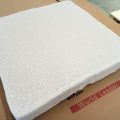 Filtro Foundry de 30 ppp y 40 ppp
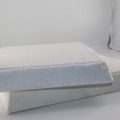 Filtro de fundición de 30 ppi
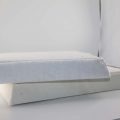 Filtro de alúmina de 30 ppi
 Filtro cerámico de alúmina de 30 ppi
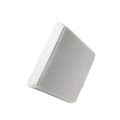 Filtro de espuma cerámica de 30 ppi, China
 30 ppp, aluminio, Cff
 Filtros cerámicos de 30 ppi en Malasia
Sorry, the comment form is closed at this time.