

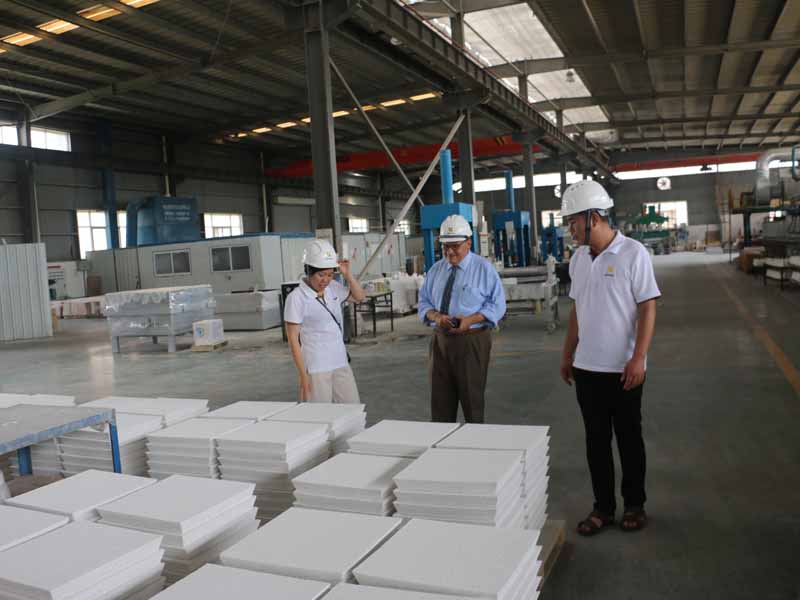
29 de julio Filtro de espuma cerámica Zro2
Filtro de espuma cerámica Zro2
El filtro de espuma cerámica Zro2 está fabricado con circonio (ZrO₂). Su resistencia térmica supera los 1760 °C, presenta una resistencia mecánica muy elevada y una excelente resistencia a los impactos a altas temperaturas.
La fundición de aluminio exige una alta resistencia y una gran elongación. Por ello, el aluminio es muy sensible a los defectos causados por las impurezas.
Las excelentes propiedades del filtro de espuma cerámica Zro2 permiten eliminar eficazmente las impurezas que, en última instancia, provocan defectos en la calidad del producto. Las impurezas están compuestas principalmente por partículas no metálicas, escoria y fragmentos de material refractario, lo que mejora la calidad superficial y las propiedades mecánicas de las piezas fundidas y reduce la tasa de desechos.
El filtro de espuma permite que el aluminio líquido llene la cavidad de forma más uniforme, y el metal fundido tiende a presentar una mayor turbulencia durante la fundición. El flujo turbulento que atraviesa la estructura porosa tridimensional del filtro de espuma cerámica se transforma finalmente en un flujo laminar muy estable.
El flujo laminar llena mejor la cavidad, lo que reduce la corrosión por impacto de la solución metálica en la cavidad de la pieza fundida y disminuye considerablemente la tasa de rechazos.
Las inclusiones no metálicas en las piezas fundidas son la causa más importante de los defectos de fundición, que afectan al acabado superficial, a las propiedades mecánicas y de mecanizado de la pieza y provocan un aumento de las tasas de rechazo.
Filtro de espuma cerámica de Al₂O₃ Este producto está diseñado para eliminar las inclusiones y reducir la turbulencia, con el fin de lograr un caudal rápido y estable del metal fundido, mejorando así la calidad de la pieza fundida.
Tiene un efecto de filtración extraordinario en todo tipo de aluminio y aleaciones de aluminio. Está fabricado con circonio puro y soporta temperaturas de hasta 1760 °C, por lo que no se ve afectado por los cambios en la temperatura de fundición.
Las excelentes materias primas y la avanzada tecnología de producción garantizan que Foam Filter presente tolerancias dimensionales estables, cumpla con los requisitos tanto del moldeo manual como de las líneas de producción mecanizadas más eficientes, y asegure que la calidad de los productos de fundición cumpla con las normas internacionales de calidad.
Filtro cerámico de espuma de alúmina para una temperatura de 1250 °C, adecuado para la filtración y purificación de soluciones de aluminio y aleaciones.
Para satisfacer las exigencias cada vez mayores en cuanto a la calidad de las piezas de fundición de aluminio, el uso de filtros de espuma cerámica está cobrando cada vez más importancia.
El filtro de espuma también se utiliza ampliamente en la fundición en arena convencional, como la fundición por marea, y en la fundición en moldes permanentes, como la de piezas de aluminio para la industria del automóvil.
La transmitancia del filtro de espuma cerámica de Zro2
La transmitancia se refiere al área efectiva de filtración del placa filtrante de cerámica celular producto. Cuanto mayor sea la transmitancia de la luz, menos orificios ciegos habrá y, cuanto más eficaces sean los orificios filtrantes (agujeros), mejor será el efecto de filtrado.
La placa filtrante de cerámica celular que se va a inspeccionar se coloca sobre una caja de luz con una bombilla incandescente de 200 W incorporada, y se utiliza la placa cuadrada de plástico transparente con una cuadrícula uniforme de 5,0 × 5,0 mm para medir el área de la superficie principal de la placa filtrante, con el fin de calcular el resultado de la prueba. La transmitancia de la luz de la placa filtrante se utiliza para determinar la transmitancia de la luz de la placa filtrante. En esta norma, se especifica que la transmitancia (proporción de orificios) de la placa filtrante debe ser de 95% o superior.
Cómo utilizar el filtro de espuma cerámica Zro2
1. Limpia la caja del filtro.
2. Coloca con cuidado la placa filtrante en la caja del filtro y presiona con la mano la junta de estanqueidad que rodea la placa filtrante para evitar que se derrame el aluminio fundido.
3. Precalentar uniformemente la caja del filtro y la placa filtrante para que alcancen una temperatura cercana a la del aluminio fundido. El precalentamiento sirve para eliminar la humedad y facilitar la filtración transitoria inicial. El precalentamiento puede realizarse mediante calefacción eléctrica o de gas. En circunstancias normales, dura entre 15 y 30 minutos aproximadamente.
4. Presta atención a la variación de la altura hidráulica del aluminio durante la fundición. La altura inicial normal es de 100-150 mm. Cuando el aluminio fundido comience a fluir, la altura hidráulica descenderá por debajo de los 75-100 mm y, a continuación, volverá a aumentar lentamente.
5. Durante el proceso normal de filtración, evite golpear o hacer vibrar la placa filtrante. Al mismo tiempo, la canaleta debe estar llena de agua de aluminio para evitar que esta se agite en exceso.
6. Una vez finalizada la filtración, retira la placa filtrante a la mayor brevedad posible y limpia la caja del filtro.
Resistencia a la compresión del filtro de espuma cerámica de Zro2
Durante el transporte y el uso de la placa filtrante, esta debe soportar el impacto de una determinada presión externa, por lo que el índice de resistencia a la compresión también se incluye en la norma como uno de los criterios para evaluar la calidad de la placa filtrante. Cuanto mayor sea la resistencia a la compresión, más duradero será el producto y mejor será su calidad, y viceversa.
En esta norma, se establece que el índice de resistencia a la compresión debe ser igual o superior a 0,5 MPa.
Artículos relacionados:
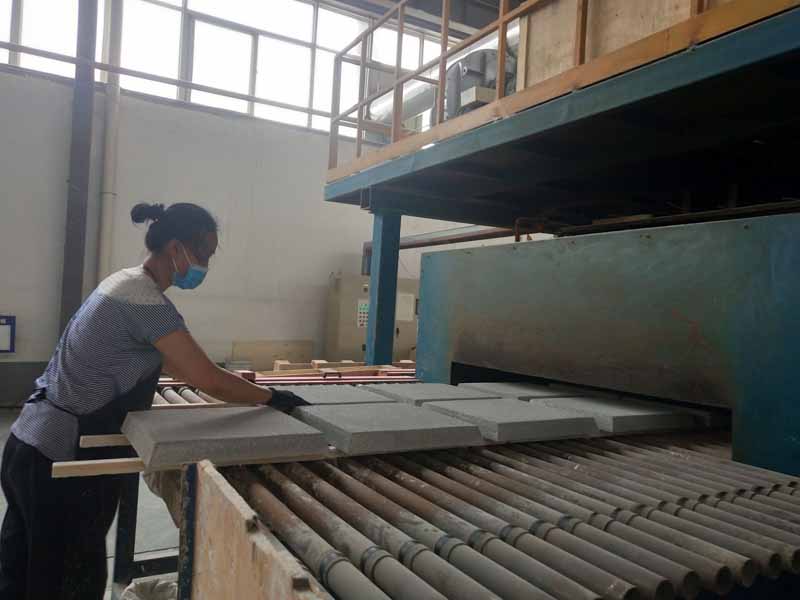 Filtro de circonio para metal fundido
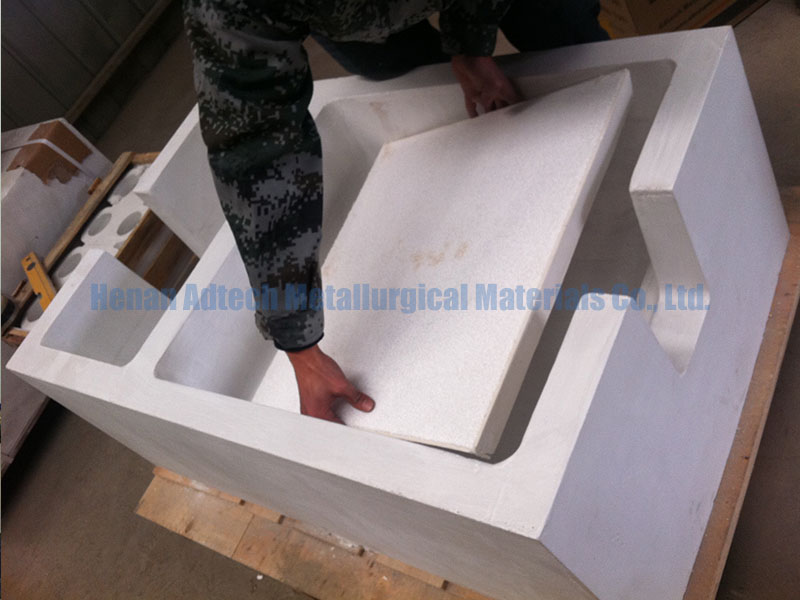 Filtro de espuma de circonio
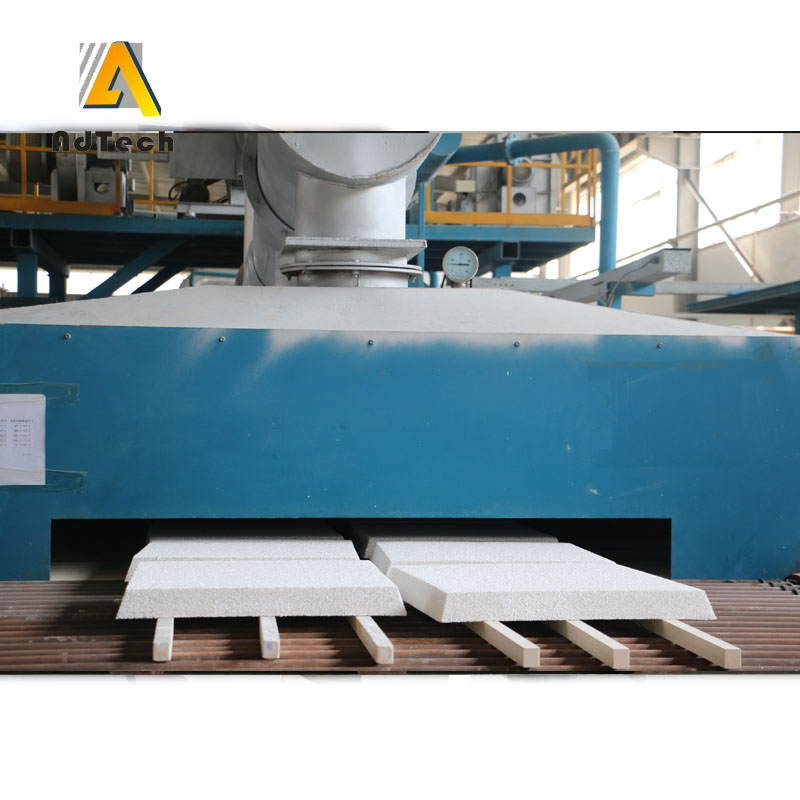 Parámetros del filtro cerámico de estructura alveolar de fundición de aluminio
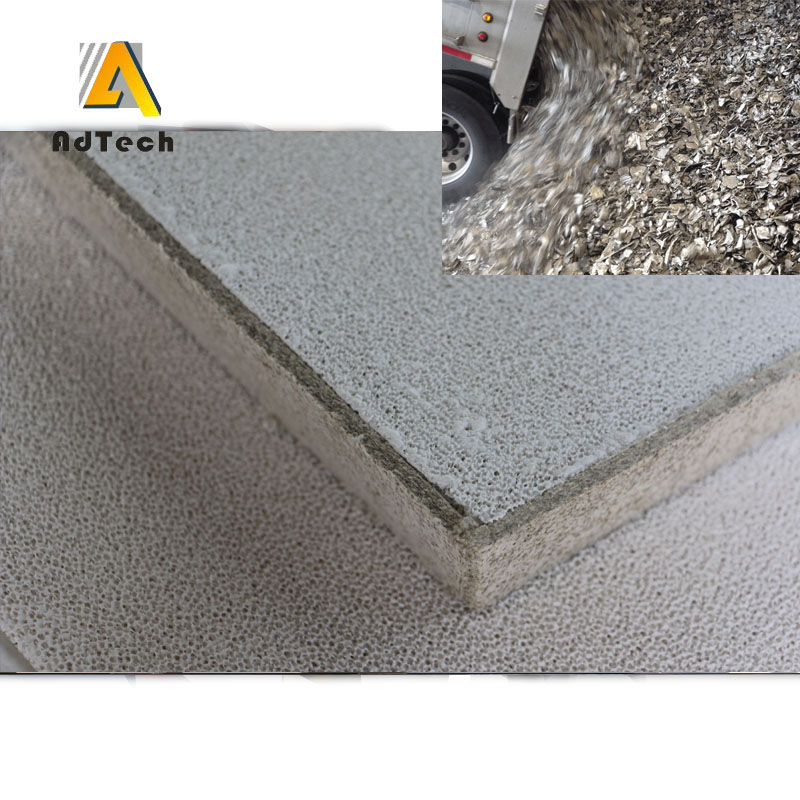 Filtro de espuma de cerámica de silicio
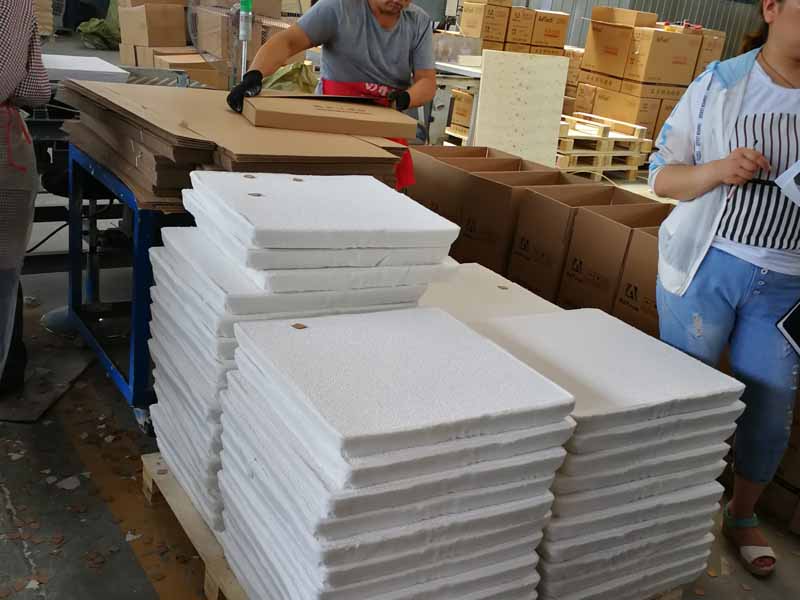 Espuma cerámica filtrante fabricada en China a la venta
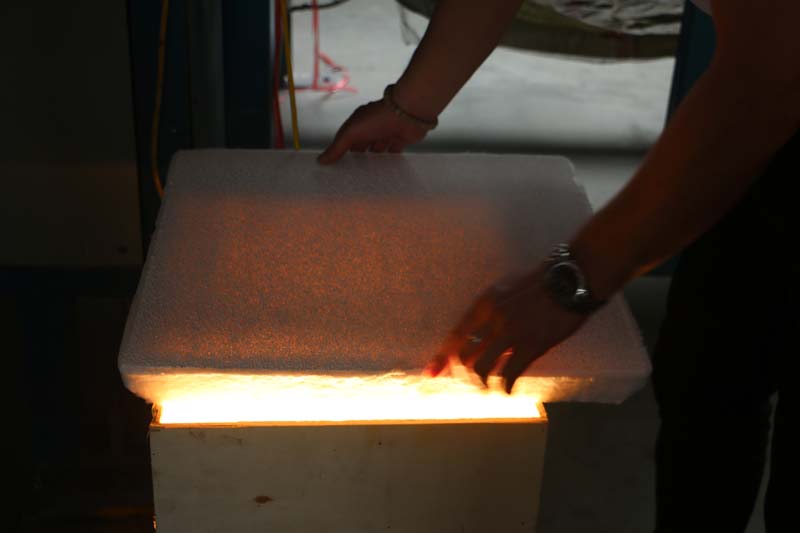 Proceso de fabricación de filtros de espuma cerámica
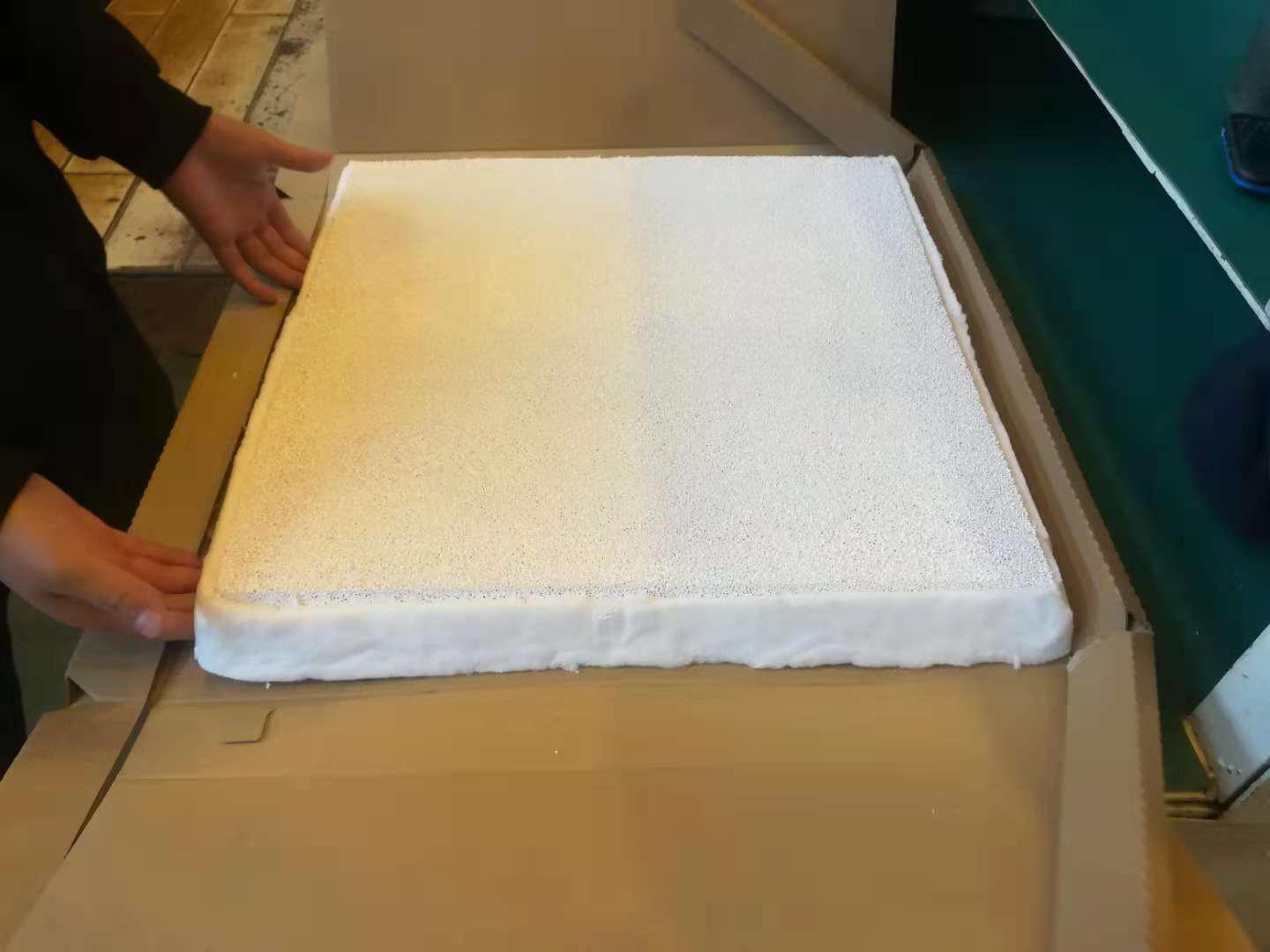 Filtro de espuma cerámica AdTech
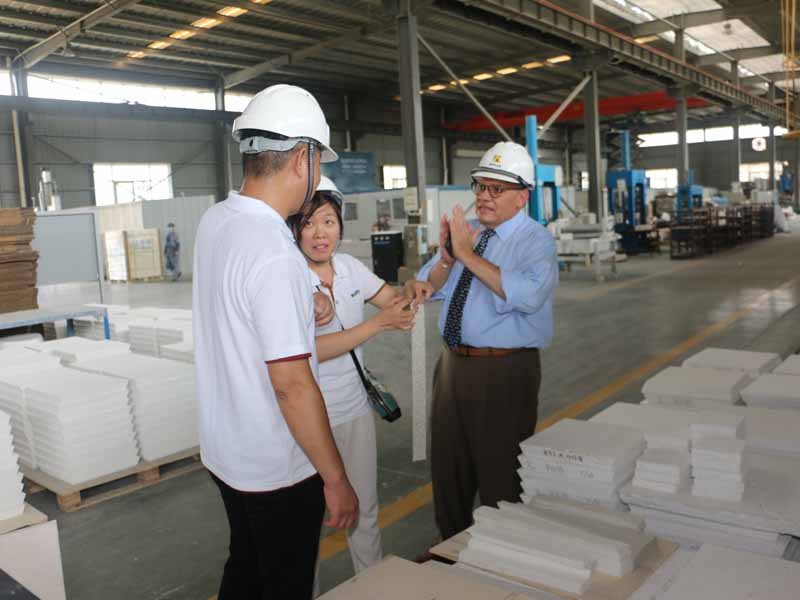 Placa filtrante de cerámica
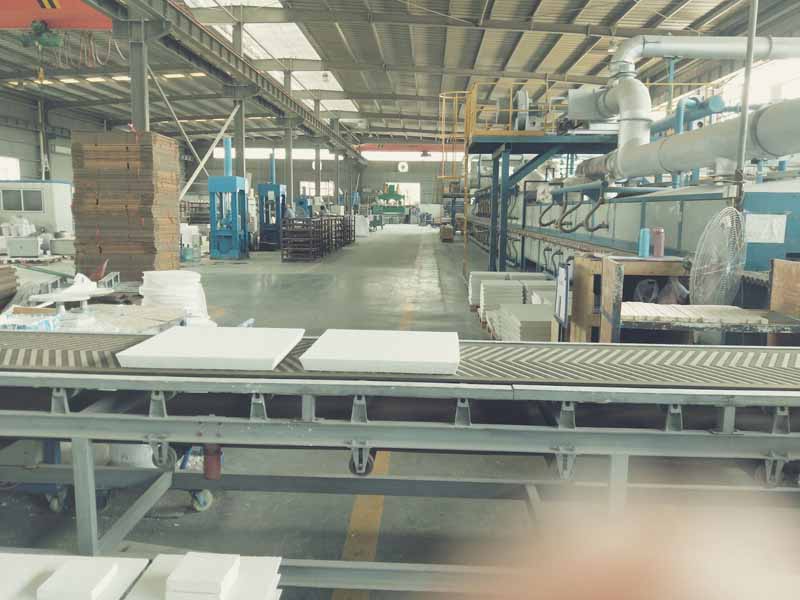 Filtro de espuma cerámica de alta calidad
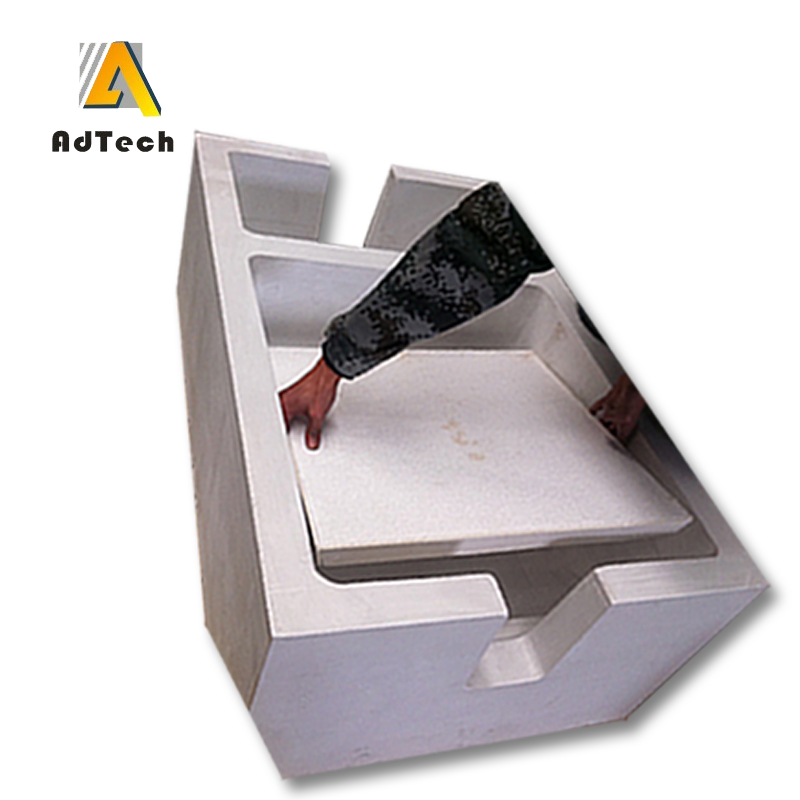 Filtro de espuma cerámica para fundición de aluminio
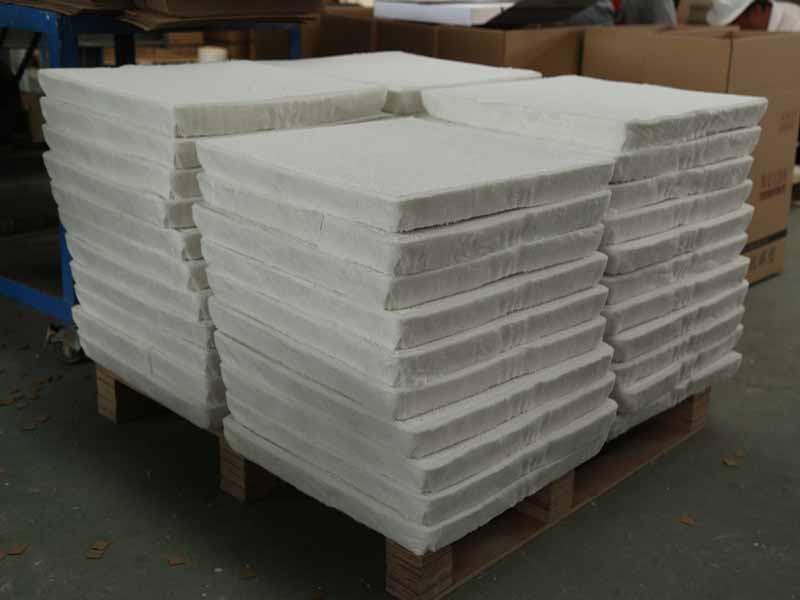 Filtro de espuma cerámica de Al₂O₃
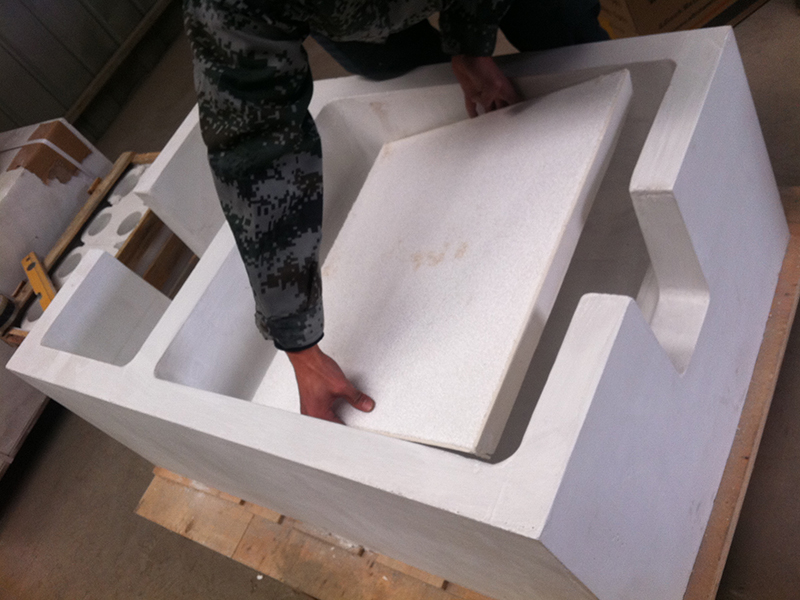 Placa filtrante de cerámica celular
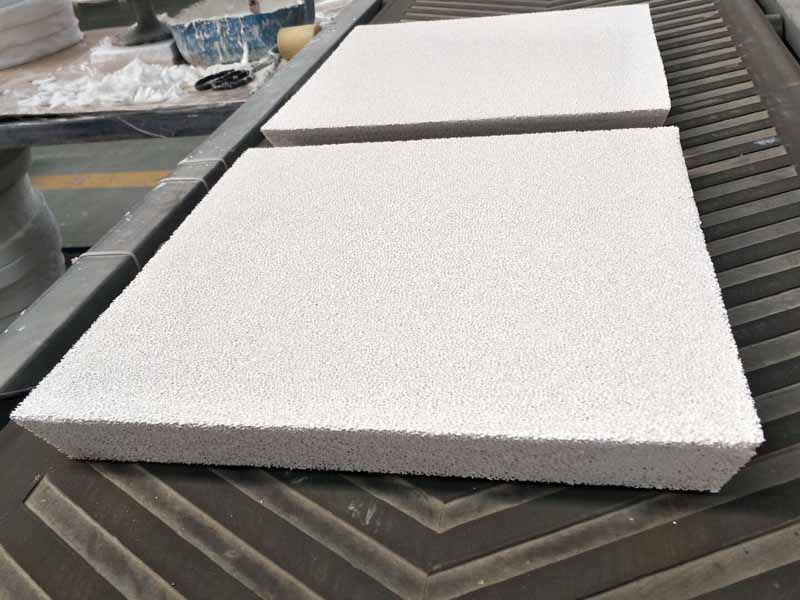 Filtro de espuma Alunima
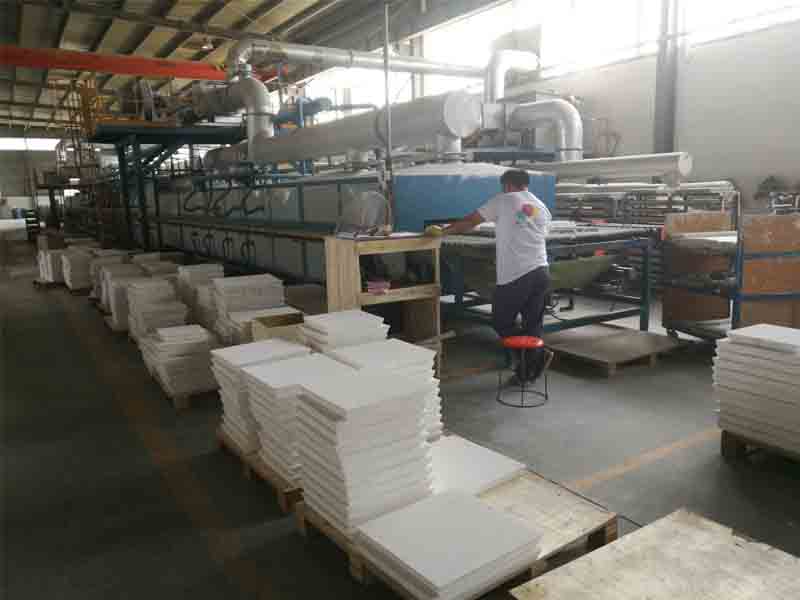 Filtro de espuma cerámica de Vietnam
Sorry, the comment form is closed at this time.