

12 Ağustos Alüminyum Dökümde Gaz Giderme
Degassing in aluminum casting removes dissolved hydrogen from molten aluminum before solidification, helping reduce the risk of gas porosity in the finished product. The process commonly uses nitrogen or argon dispersed through a submerged rotor to transfer hydrogen from the liquid metal into rising gas bubbles. Effective treatment depends on bubble distribution, gas flow, rotor design, treatment time, and melt temperature.
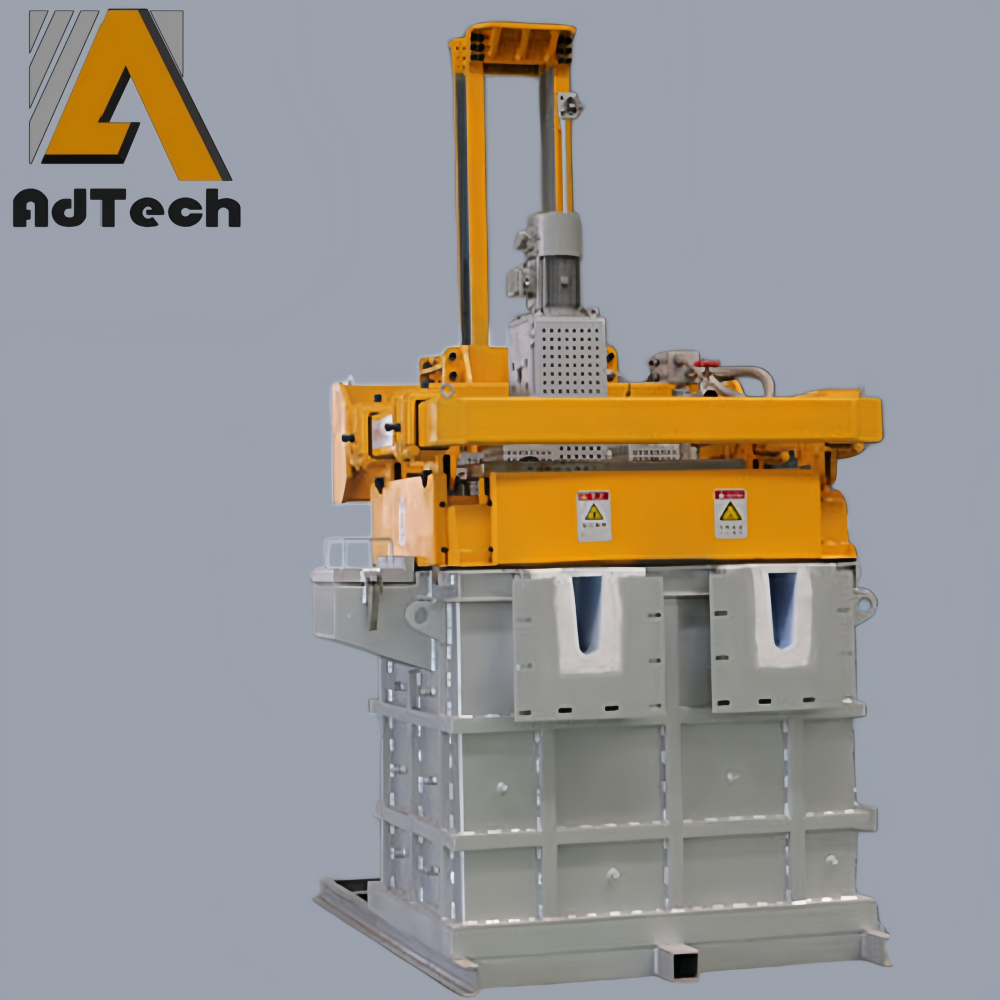
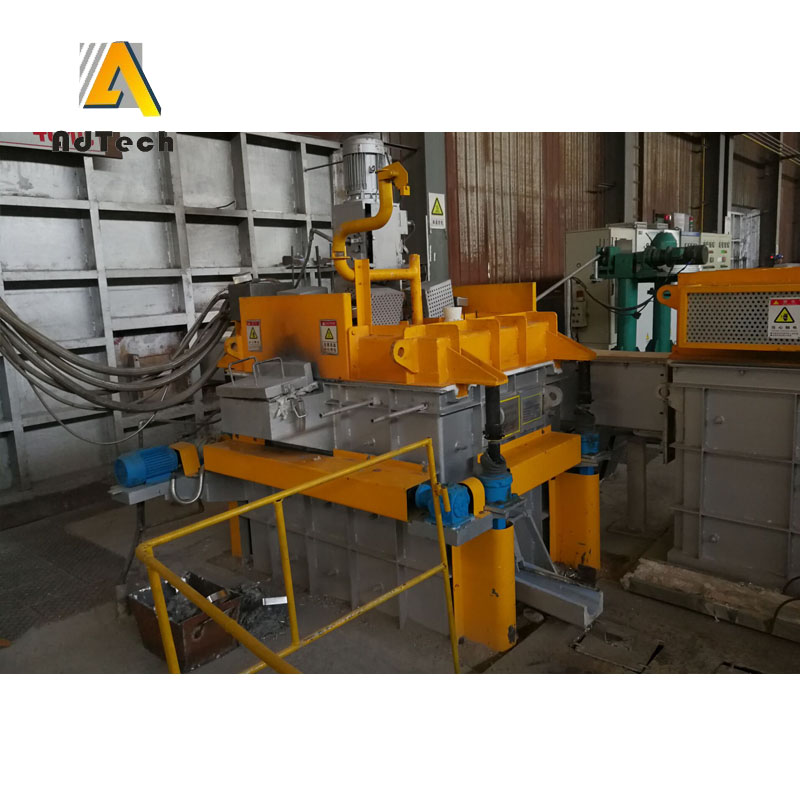
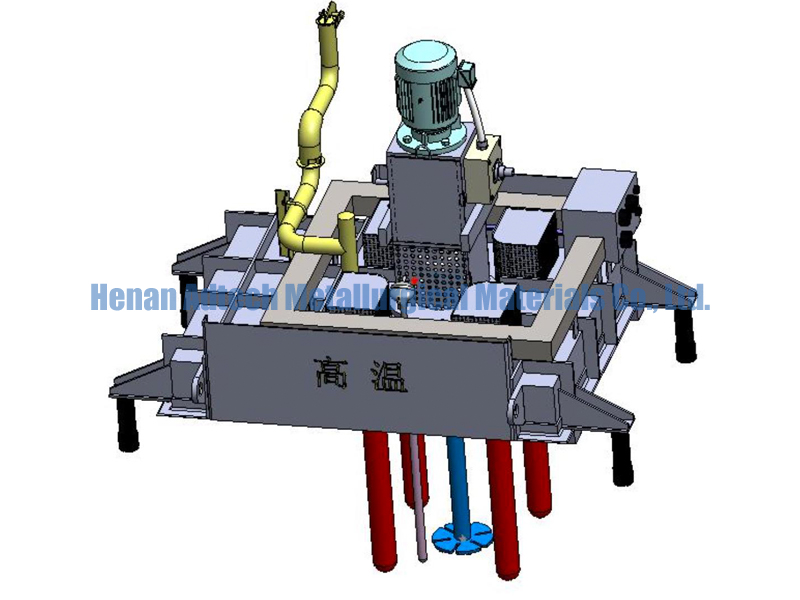
Gaz giderme ekipmanı
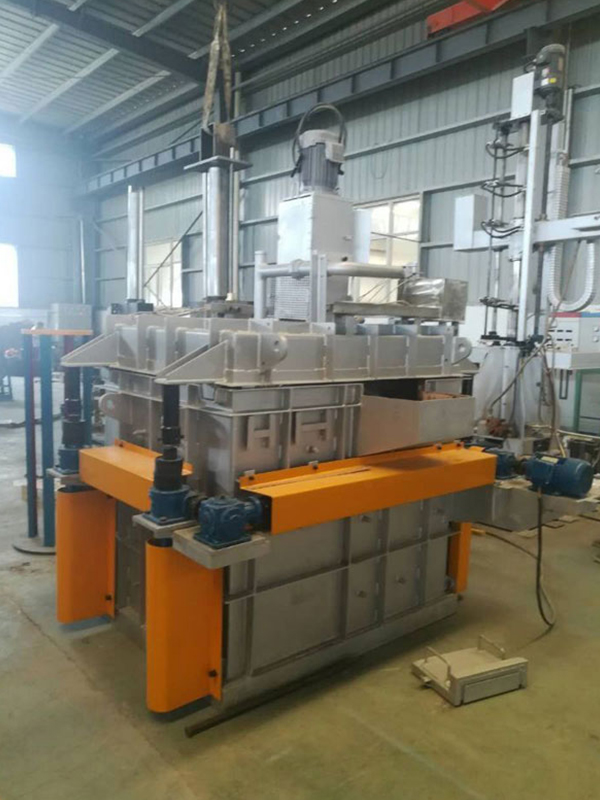
For continuous casting lines, an online degassing unit integrates this process into the molten metal transfer system.
Why Is Degassing Necessary in Aluminum Casting?
Hydrogen is the main dissolved gas associated with porosity in aluminum castings. Molten aluminum can absorb hydrogen from moisture in the surrounding atmosphere, wet charge materials, inadequately dried tools, and other sources of contamination.
As aluminum solidifies, hydrogen solubility decreases sharply. If the excess hydrogen cannot escape before the metal becomes solid, gas pores may develop within the casting. These defects can affect mechanical properties, pressure tightness, surface quality, and downstream processing.
Degassing reduces the amount of dissolved hydrogen before casting. However, it does not eliminate every cause of porosity: solidification shrinkage, oxide films, and other defects can also contribute to pore formation.
| Hydrogen source | How hydrogen enters the melt | Relevant control measure |
|---|---|---|
| Atmospheric humidity | Moisture reacts at the molten metal surface | Limit unnecessary exposure and turbulence |
| Wet charge materials | Moisture reacts with hot aluminum | Keep charge materials suitably dry |
| Damp tools and equipment | Residual moisture introduces hydrogen | Follow appropriate drying and preheating procedures |
| Contaminated purge-gas supply | Moisture in the gas or delivery system can undermine treatment | Verify gas quality and supply-line condition |
| Poorly controlled transfer | Surface disturbance can promote oxidation and recontamination | Maintain stable metal flow and appropriate handling practices |
The objective is to reduce hydrogen before the metal reaches the casting stage and to prevent significant hydrogen pickup after treatment.
How Does the Aluminum Degassing Process Work?
Rotary degassing relies on gas–metal mass transfer. A purge gas is introduced into molten aluminum through a hollow shaft and rotor. As the rotor turns, it breaks the injected gas into smaller bubbles and distributes them through the melt.
The hydrogen concentration within the bubbles is initially low. Hydrogen dissolved in the aluminum therefore transfers into the bubbles and rises with them toward the surface, where it leaves the melt.
The efficiency of this process depends on the available gas–metal interfacial area and the time available for hydrogen transfer.
Smaller bubbles generally provide a greater total interfacial area for the same gas volume. However, bubble size alone does not determine performance. The bubbles must also be distributed effectively throughout the melt without creating excessive surface turbulence.
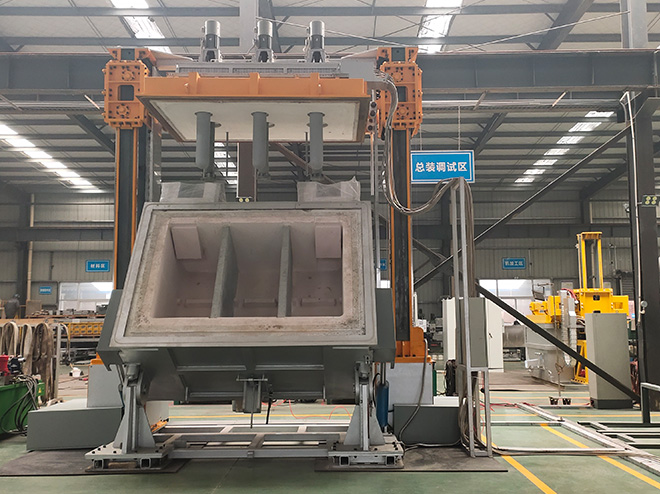
Metal Degassing Equipment
| Process parameter | Effect on degassing | Important consideration |
|---|---|---|
| Bubble size | Influences gas–metal interfacial area | Depends on rotor design and operating conditions |
| Gas flow rate | Determines the amount of purge gas introduced | Excessive flow can disturb the melt surface |
| Rotor speed | Affects bubble dispersion and melt circulation | Must suit the rotor and treatment chamber |
| Treatment time | Determines the duration of hydrogen transfer | Should be based on the required melt quality |
| Melt temperature | Influences hydrogen behavior and process conditions | Must remain within the alloy’s specified operating range |
Research on rotary impeller degassing has shown that hydrogen removal depends on several interacting variables, including gas flow, rotor mixing, melt volume, initial hydrogen content, and treatment duration. Consequently, increasing rotor speed or purge-gas consumption does not automatically improve the result.
What Is the Role of the Rotor in Aluminum Degassing?
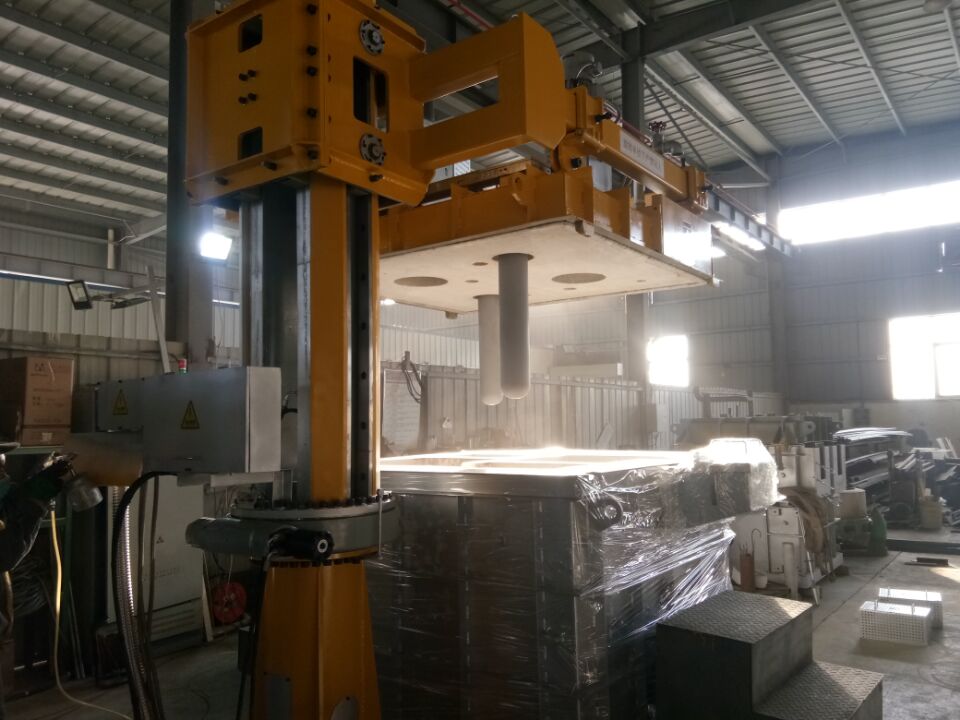
The rotor is responsible for dispersing the purge gas and generating the circulation needed for effective treatment. Its geometry influences bubble breakup, distribution, and the movement of molten aluminum within the treatment chamber.
An unsuitable or worn rotor may distribute gas less effectively, while excessive turbulence can entrain oxide films from the melt surface. These effects can compromise melt cleanliness even when hydrogen concentration decreases.
Rotor material also matters because the component operates under high-temperature conditions and is exposed to oxidation, thermal cycling, and mechanical wear. Graphite is widely used in rotary degassing, while ceramic-based rotor designs are available for specific operating requirements.
When selecting a rotor or evaluating a replacement, consider:
- Rotor geometry and the distribution of gas outlets.
- Compatibility with the treatment chamber and drive system.
- Resistance to oxidation, wear, and thermal shock.
- Gas-flow requirements and the specified operating-speed range.
- Inspection criteria and replacement requirements.
The appropriate rotor should be selected as part of the complete degassing system rather than as an isolated component.
Does Degassing Also Remove Inclusions from Molten Aluminum?
Degassing and inclusion removal are related, but they are not the same operation.
Gas bubbles can assist with the flotation of some non-metallic particles. Depending on their surface characteristics and the treatment conditions, particles may attach to rising bubbles or cluster and separate from the melt. The extent of this secondary effect varies and cannot be assumed to meet every inclusion-cleanliness requirement.
Ceramic foam filtration provides a dedicated method for capturing solid non-metallic inclusions as molten aluminum passes through a porous ceramic medium.
| Treatment method | Primary function | Main limitation |
|---|---|---|
| Döner gaz giderme | Reduces dissolved hydrogen | Does not guarantee removal of all solid inclusions |
| Seramik köpük filtreleme | Captures solid non-metallic inclusions | Does not directly remove dissolved hydrogen |
| Akı işleme | Supports refining and inclusion separation, depending on formulation | Must be selected for the alloy and process |
| Skimming | Removes surface dross and floated material | Does not remove dissolved hydrogen |
For production lines requiring control of both hydrogen and inclusions, degassing and filtration are often used together. AdTech supplies çevrimiçi gaz giderme ekipmanı ve ceramic foam filters for molten aluminum for these complementary functions.
The exact arrangement should depend on the alloy, casting process, required cleanliness, and available filtration capacity.
Should Nitrogen or Argon Be Used for Aluminum Degassing?
Nitrogen and argon are commonly used as purge gases in aluminum degassing. Nitrogen is often selected for its availability and cost, while argon may be preferred when the alloy or process requirements justify its use.
Neither gas should be considered automatically superior in every application. Gas selection must account for alloy composition, temperature, gas purity, and the intended melt-quality target.
Although nitrogen is widely used in aluminum processing, it can participate in reactions with molten aluminum under certain conditions. Gas selection and operating parameters should therefore follow the requirements of the specific alloy and degassing process.
| Seçim faktörü | Azot | Argon |
|---|---|---|
| Availability and cost | Often more economical | Often more expensive |
| Use in aluminum degassing | Widely used | Widely used |
| Chemical considerations | Nitrides may form under certain conditions | Highly inert under normal aluminum degassing conditions |
| Selection basis | Alloy, process conditions, gas quality, and cost | Alloy, process conditions, gas quality, and cost |
Gas purity is important regardless of the selected gas. Moisture or contamination in the supply system can undermine the purpose of degassing.
The correct choice is the gas that meets the process requirements reliably and economically, not simply the one with the lowest purchase cost.
What Is an Online Degassing Unit in Aluminum Casting?
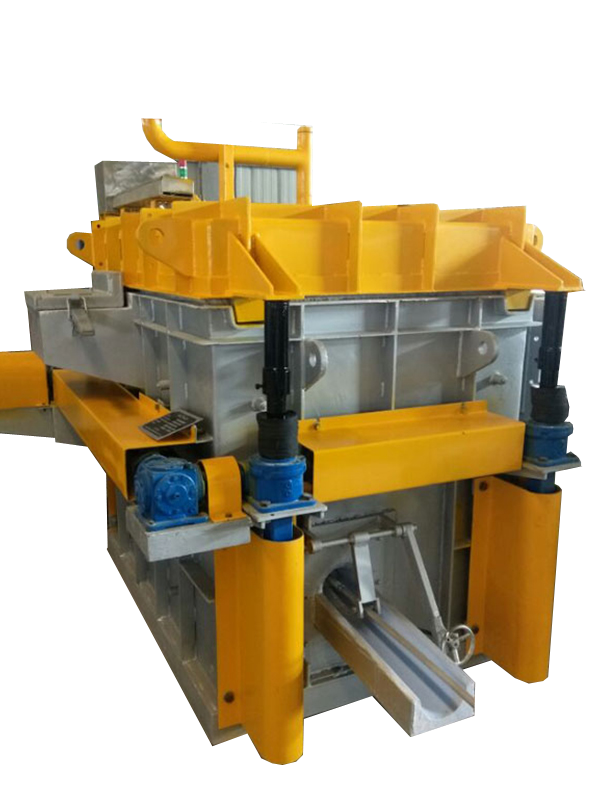
An online degassing unit is installed in the molten metal transfer route, typically between a holding furnace and downstream casting equipment. It integrates hydrogen removal into the production process rather than treating degassing as an entirely separate batch operation.
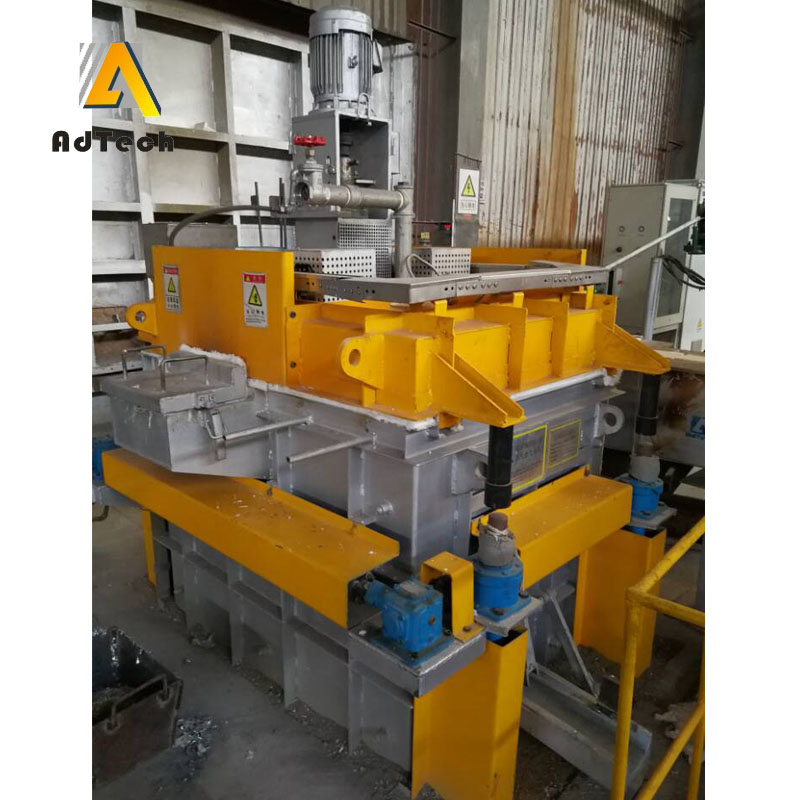
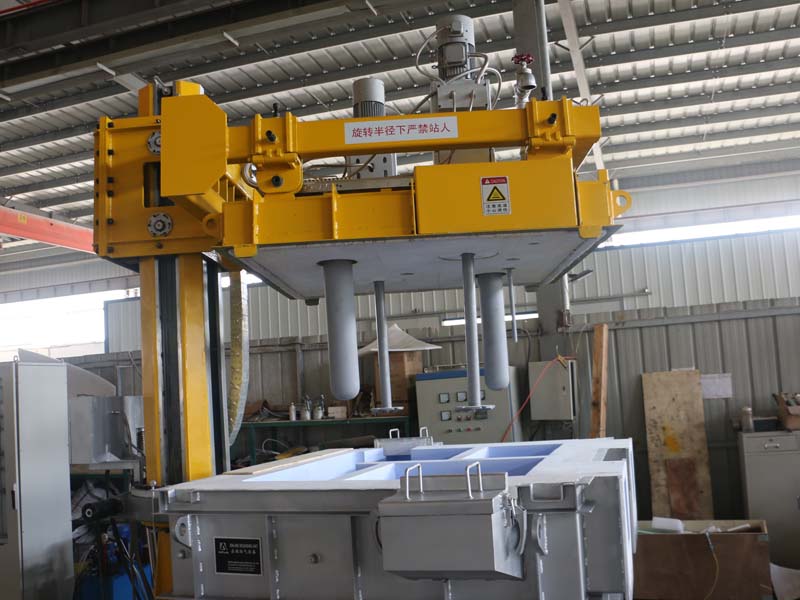
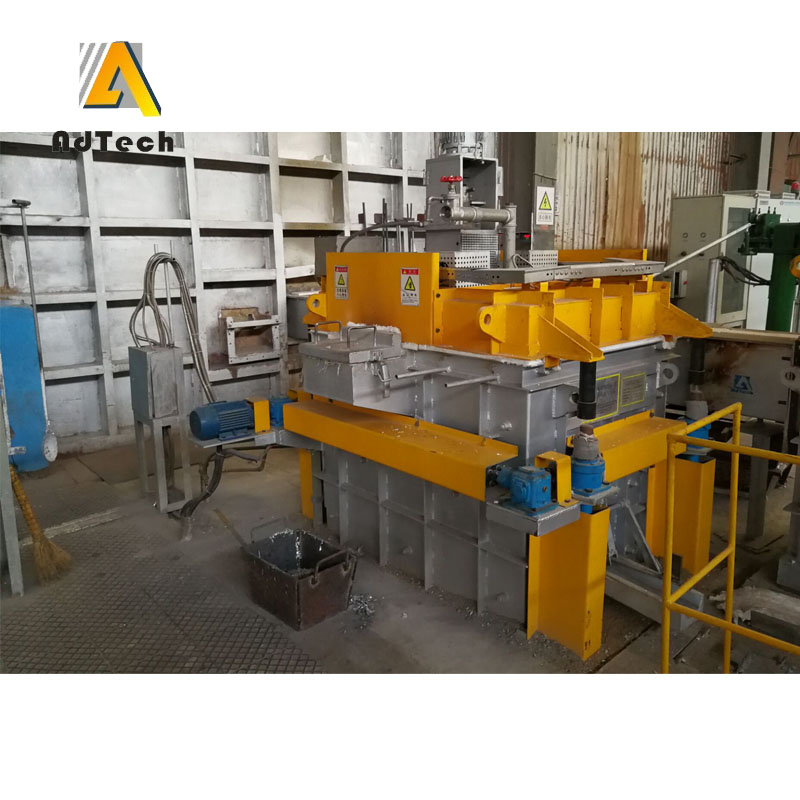
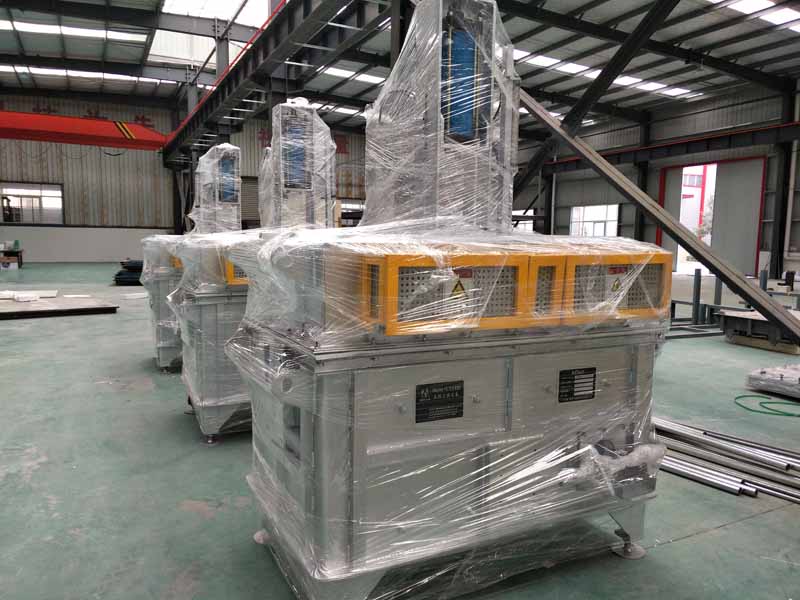
AdTech’in çevrimiçi gaz giderme ünitesi combines a degassing chamber, rotor and drive assembly, gas delivery system, and associated components. Depending on the configuration, the system can also incorporate heating and temperature-control functions to help maintain suitable operating conditions.
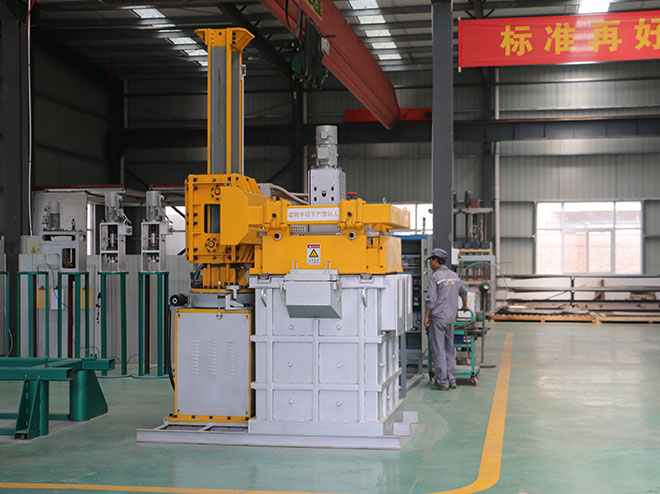
çevrimiçi gaz giderme ekipmanı
An online degassing unit should be specified according to the metal throughput, alloy, target hydrogen concentration, and available installation space. In addition to its treatment function, the equipment must connect properly with the furnace outlet, launder system, and downstream casting line.
A typical production arrangement may be:
Holding furnace → Online degassing unit → Filtration unit → Casting machine
The actual sequence depends on the plant’s process design. Where filtration is included, the launder and filter box must be coordinated with the degassing equipment to provide stable metal flow and adequate temperature control.
How Can You Evaluate Aluminum Degassing Performance?
Visual bubbling is not a reliable measure of hydrogen removal. A sound evaluation combines operating parameters with direct or indirect melt-quality measurements.
Hydrogen concentration can be measured before and after treatment using a suitable hydrogen analyzer. A Reduced Pressure Test (RPT) can provide a comparative indication of melt porosity behavior, but it is not a direct substitute for measuring hydrogen concentration.
| Evaluation method | What it indicates | Important limitation |
|---|---|---|
| Hydrogen analyzer | Dissolved hydrogen concentration | Sampling and measurement conditions must be controlled |
| Düşük Basınç Testi | Melt’s tendency to develop porosity under reduced pressure | Results can also be influenced by inclusions and oxide films |
| Inclusion analysis | Presence and characteristics of non-metallic inclusions | Requires an appropriate sampling and evaluation method |
| Casting inspection | Defects in the finished product | A defect may originate during melting, casting, or downstream processing |
For process optimization, record gas flow, rotor speed, treatment time, melt temperature, and hydrogen measurements under consistent operating conditions. This helps determine whether a change in settings actually improves melt quality.
Degassing should also be evaluated alongside post-treatment handling. Even a well-treated melt can absorb hydrogen again if it remains exposed to moisture or is handled with excessive turbulence before casting.
How Do You Select the Right Aluminum Degassing Equipment?
Equipment selection should begin with the required melt quality and production conditions, not just the rated capacity of the machine.
Before choosing an online degassing unit, establish the following:
- Alloy grade and operating temperature.
- Required metal throughput and production schedule.
- Target hydrogen concentration or applicable acceptance criteria.
- Purge-gas type, quality, and available supply.
- Rotor configuration and maintenance requirements.
- Installation dimensions and connections to the launder and filter box.
- Required heating, monitoring, and control functions.
A system designed for one casting line may not suit another operating at a different throughput or using a different alloy. The required configuration should be confirmed against the process specification and verified during commissioning.
AdTech develops online degassing equipment for aluminum melt treatment, with configurations intended for different production requirements. For plants that require both hydrogen reduction and inclusion control, the degassing unit can be evaluated alongside the appropriate filtration equipment.
Improving Melt Quality Through Controlled Degassing
Successful aluminum degassing depends on more than introducing nitrogen or argon into molten metal. Bubble dispersion, rotor condition, gas quality, treatment time, and melt handling all influence the result.
For aluminum producers, the practical objective is to reduce dissolved hydrogen to the required level while maintaining melt cleanliness and avoiding unnecessary turbulence. Online degassing provides a way to integrate this treatment into a casting line, while ceramic foam filtration addresses the separate challenge of removing solid inclusions.
Selecting the right equipment and verifying its performance under actual operating conditions helps establish a more reliable melt-treatment process and supports consistent aluminum casting quality.
Sık Sorulan Sorular
1. What is the main purpose of degassing in aluminum casting?
Degassing reduces dissolved hydrogen in molten aluminum before casting, helping lower the risk of hydrogen-related porosity in the finished product.
2. How does hydrogen enter molten aluminum?
Hydrogen commonly enters through reactions involving atmospheric moisture, wet charge materials, damp tools, and contaminated additions. Moisture control is an important part of preventing hydrogen pickup.
3. How does rotary degassing remove hydrogen from molten aluminum?
A rotating rotor disperses nitrogen or argon into small bubbles. Dissolved hydrogen transfers into the bubbles, which rise to the surface and release the gas from the melt.
4. What is the difference between batch degassing and online degassing?
Batch degassing treats a defined quantity of molten aluminum in a ladle or treatment vessel. An online degassing unit is integrated into the metal transfer route and treats the melt as part of the casting process.
5.Is nitrogen or argon better for aluminum degassing?
Both gases are used. Nitrogen is often more economical, while argon may be preferred for certain alloy or process requirements. The choice depends on alloy composition, gas purity, operating conditions, and cost.
6. Which factors affect the efficiency of aluminum degassing?
Important factors include rotor design, rotational speed, gas flow rate, bubble distribution, treatment time, melt temperature, and the initial hydrogen concentration.
7. Can degassing eliminate all porosity in aluminum castings?
No. Degassing reduces the risk of hydrogen-related porosity, but porosity may also result from solidification shrinkage and other casting conditions. These issues require separate process controls.
8. Does aluminum degassing remove oxide inclusions and slag?
Degassing may help some inclusions float to the surface, but its primary function is hydrogen removal. Ceramic foam filtration is used to capture solid non-metallic inclusions, while surface slag is managed through appropriate skimming and melt-handling practices.
9. How can the effectiveness of aluminum degassing be measured?
A suitable hydrogen analyzer can measure dissolved hydrogen before and after treatment. Reduced Pressure Testing can provide additional information about porosity tendency but is not a direct measurement of hydrogen concentration.
10. Where should an online degassing unit be installed in an aluminum casting line?
It is commonly installed between the holding furnace and the casting equipment, with the exact position determined by the plant layout, metal flow requirements, and filtration arrangement.
İlgili yazılar:
 Alüminyum Dökümde Gaz Giderme
 Alüminyum Gaz Giderme Ekipmanı
 Metal Metalurjisi Döküm Dökümhane Alüminyum Gaz Giderme İşlemi
 Alüminyum Döküm Gaz Giderme Ünitesi
 Alüminyum Hidrojen Gaz Giderme Ekipmanı
 Alüminyum Döküm Hattı Metal Gaz Giderme Makinesi
 Çift Rotorlu Gaz Giderme Ekipmanı
Yüksek Saflıkta Alüminyum için Çevrimiçi Gaz Giderme Ünitesi
 Gaz Giderme Ünitesi
 Döner Gaz Giderme Makineleri
 Alüminyum Dökümhanesi Hidrojen Gaz Giderme Ünitesi
 Alüminyum Gaz Giderme İşlemi
Döküm Bilgisi - Alüminyum Gaz Giderme 1
 Çevrimiçi Gaz Giderme Cihazı
Sorry, the comment form is closed at this time.