
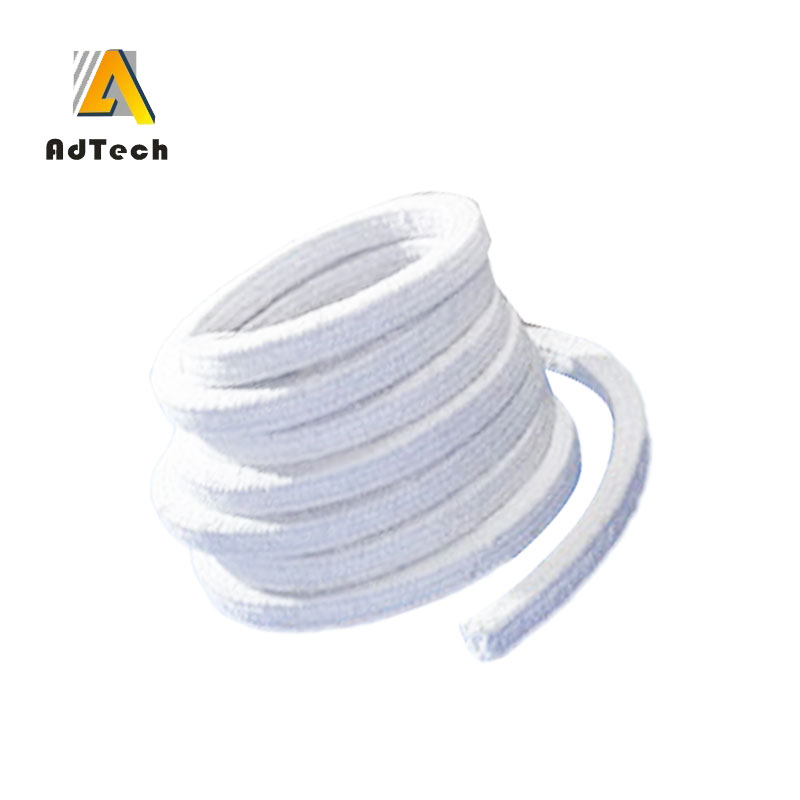
9 Mayıs Yüksek Sıcaklık Halatı, Seramik Elyaf Halatı, Halat Yalıtımı
Yüksek Sıcaklık Uygulamaları için Seramik Elyaf Halat
Seramik elyaf halat, yüksek sıcaklıkta sızdırmazlık, ısı yalıtımı ve boşluk doldurma amaçlarıyla kullanılan esnek bir refrakter yalıtım malzemesidir. AdTech, cam filament ve metal tel gibi takviye seçeneklerine sahip, bükümlü, yuvarlak, kare ve örgü yapılı seramik elyaf halatları tedarik etmektedir. Bu halatlar genellikle fırın kapakları, barajlar, nozullar, erimiş alüminyum kaplar, ısı eşanjörleri ve diğer yüksek sıcaklık ekipmanlarının çevresinde kullanılır.
Alüminyum eritme ve döküm uygulamalarında, seramik elyaf halat, yüksek sıcaklıklara maruz kalan boşlukları ve birleşim yerlerini sızdırmaz hale getirmeye yardımcı olurken aynı zamanda ısı yalıtımı sağlar. Halat çapı, yapısı, takviyesi ve maksimum çalışma sıcaklığı, fiili çalışma koşullarına göre seçilmelidir.
Seramik Elyaf Halat Nedir?
Seramik elyaf halat, esnek bir halat yapısına getirilmiş seramik elyaftan üretilir. Ürün tasarımına bağlı olarak, halatın mekanik mukavemetini, kullanım kolaylığını ve boyutsal kararlılığını artırmak amacıyla cam elyaf veya metal tel ile takviye edilebilir.
Aşağıdakileri bir araya getirir:
- Yüksek sıcaklığa dayanıklılık
- Isı yalıtımı
- Esnek kurulum
- Düşük ısı iletkenliği
- Erimiş alüminyumun ıslatma etkisine karşı direnç
- Termal şoka karşı direnç
- Yüksek sıcaklıklarda iyi boyutsal kararlılık
Seramik elyaf halat, geleneksel organik sızdırmazlık malzemelerinin çalışma sıcaklığına dayanamadığı durumlarda kullanılabilir.
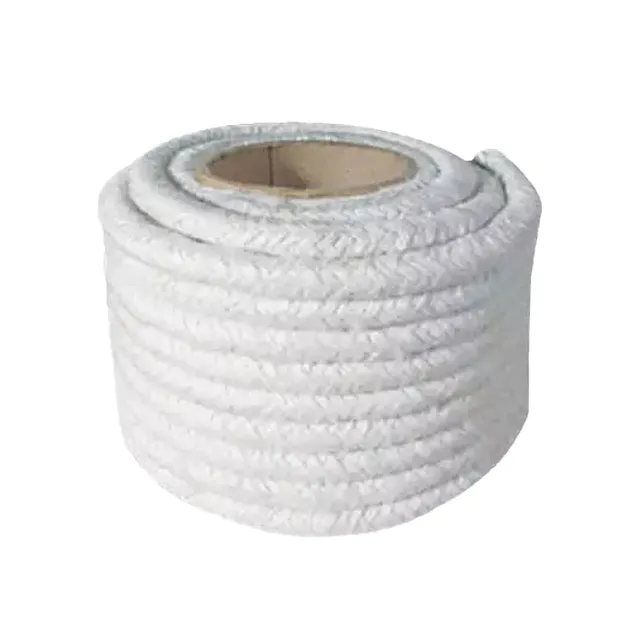
lif halat
Seramik Elyaf Halat Nerede Kullanılır?
Seramik elyaf halat, esas olarak yüksek sıcaklıkta yalıtım, sızdırmazlık ve boşluk doldurma amaçlarıyla kullanılır.
Tipik uygulama alanları şunlardır:
- Alüminyum eritme fırını kapakları
- Fırın kapakları ve erişim kapakları
- Erimiş alüminyum kaplar
- Barajlar ve refrakter bileşenler
- Fırın nozulları
- Brülör ve ısı eşanjörü alanları
- Yüksek sıcaklık boruları ve kanalları
- Baca ve egzoz sistemleri
- Ateş dayanıklı bileşenler arasındaki derzler
- Diğer yüksek sıcaklık ekipmanları
Alüminyum döküm uygulamalarında, bu halat, erimiş alüminyumun yakınında ısı yalıtımı veya sızdırmazlık gerektiren bileşenlerin çevresinde kullanılabilir.
Alüminyum Uygulamalarında Neden Seramik Elyaf Halat Kullanılmalı?
Alüminyum eritme ve döküm ekipmanları, geleneksel tekstil veya polimer bazlı sızdırmazlık malzemelerinin bozulabileceği sıcaklıklarda çalışır.
Seramik elyaf halat, iyi bir ısı yalıtımı ve esneklik sunan bir refrakter alternatifi sağlar.
Erimiş alüminyumla olan düşük ıslanabilirliği, bu malzemeyi erimiş alüminyum ekipmanlarının çevresindeki belirli uygulamalar için de uygun hale getirir.
Kesin kalite sınıfı aşağıdakilere göre seçilmelidir:
- Çalışma sıcaklığı
- Erimiş alüminyumla temas
- Mekanik yük
- Gerekli esneklik
- Kurulum konumu
- Termal döngü sıklığı
- Gerekli hizmet ömrü
Hangi Tür Seramik Elyaf Halatlar Mevcuttur?
Farklı kurulum ve sızdırmazlık gereksinimlerine uygun çeşitli halat yapıları mevcuttur.
Seramik Elyaflı Bükümlü Halat
Bükümlü halat, isteğe bağlı takviye ile birlikte seramik elyaf ipliklerinin birbirine bükülmesiyle üretilir.
Esneklik gerektiren genel yüksek sıcaklık yalıtımı, sızdırmazlık ve boşluk doldurma uygulamaları için uygundur.
Seramik Elyaflı Yuvarlak Halat
Yuvarlak halat, dairesel bir kesite sahiptir ve oluklara, derzlere, kapılara ve esnek, yüksek sıcaklığa dayanıklı bir sızdırmazlık gerektiren diğer alanlara monte edilebilir.
Gerekli sızdırmazlık aralığına ve montaj koşullarına göre tipik çaplar seçilebilir.
Seramik Elyaflı Kare Halat
Kare halat, yuvarlak halata göre daha geniş bir temas alanı sağlar ve fırın kapakları, birleşim yerleri ve diğer düz sızdırmazlık yüzeyleri için kullanılabilir.
Seramik Elyaf Örme Halat
Örme yapılar iyi bir esneklik sağlar ve düzensiz ya da hareketli montaj yüzeylerine uyum sağlayabilir.
Uygun yapı, istenen esneklik, basınç dayanımı, aşınma direnci ve çalışma sıcaklığına bağlıdır.
Seramik Elyaf Halatın Başlıca Özellikleri Nelerdir?
Yüksek Sıcaklığa Dayanıklılık
Seramik elyaf, yalıtım işlevini korurken yüksek sıcaklıklara dayanabilir.
Gerçek sürekli ve kısa süreli çalışma sıcaklıkları, elyaf kalitesine, halat yapısına, takviye malzemesine ve çalışma koşullarına bağlıdır. Yalnızca nominal maksimum sıcaklık değerine güvenmek yerine, geçerli teknik şartnameye göre ürünü seçiniz.
Isı Yalıtımı
Seramik elyafın düşük ısı iletkenliği, fırın kapakları, derzler, kapaklar ve diğer yüksek sıcaklıklı bileşenler üzerinden gerçekleşen ısı transferinin azaltılmasına yardımcı olur.
Bu, termal verimliliği korumaya ve ekipmandan kaynaklanan ısı kaybını azaltmaya yardımcı olabilir.
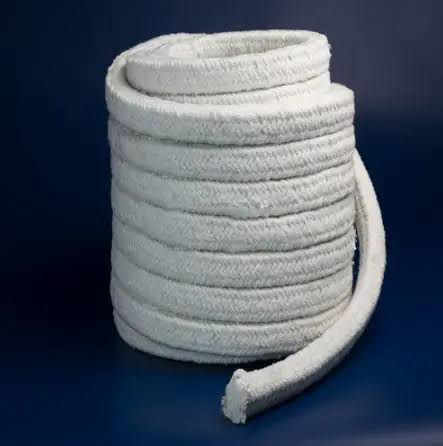
Erimiş Alüminyumun Islatmasına Karşı Direnç
Uygun kalite ve kurulum koşulları sağlandığında, seramik elyaf halat erimiş alüminyumla düşük ıslanabilirlik gösterir.
Bu özelliği sayesinde, alüminyum eritme ve döküm ekipmanlarının çevresindeki belirli sızdırmazlık ve yalıtım uygulamaları için uygundur.
Esnek Kurulum
Sert refrakter bileşenlere kıyasla, halat kesilebilir, sarılabilir, sıkıştırılabilir veya düzensiz boşluklara yerleştirilebilir.
Bu özelliği sayesinde fırın kapakları, derzler, refrakter arayüzleri ve sert bir şeklin monte edilmesinin zor olduğu diğer alanlarda kullanışlıdır.
Güçlendirilmiş Yapı
Uygulamaya bağlı olarak, seramik elyaf halatlarda cam filament veya metal tel takviyesi kullanılabilir.
Takviye, kullanım özelliklerini ve mekanik mukavemeti artırır; ancak çalışma sıcaklığı ve elektriksel gereksinimlere göre uygun takviye seçilmelidir.
Hangi Takviye Malzemeleri Kullanılır?
AdTech seramik elyaf halatları, farklı takviye malzemeleriyle tedarik edilebilir.
| Takviye | Tipik Özellikler |
|---|---|
| Cam elyaf | İyi esneklik ve elektrik yalıtımı |
| Metal tel | Daha yüksek mekanik mukavemet ve mekanik işlemlere karşı daha iyi dayanıklılık |
| Seramik elyaf yapı | Yüksek sıcaklık yalıtımı ve refrakter performansı |
Uygun takviye, çalışma sıcaklığına, mekanik gereksinimlere, elektriksel yalıtım gereksinimlerine ve kurulum koşullarına bağlıdır.
Seramik Elyaf Halat Teknik Özellikleri
Mevcut boyutlar, halatın yapısına ve takviyesine bağlıdır.
Tipik ürün yelpazesi şunları içerir:
| Ürün | Mevcut Teknik Özellikler |
|---|---|
| Seramik elyaf bant | Kalınlık: 1,5; 2,0; 3,0 mm; Genişlik: 10–150 mm |
| Seramik elyaf kumaş | Kalınlık: 1,5–5,0 mm; Genişlik: 1000–1500 mm |
| Kaplamalı kumaş | Kalınlık: 1,5–3,0 mm; Genişlik: 1000–1500 mm |
| Bükülmüş halat | Çap: 3–50 mm |
| Bükülmüş boru | İç çap: 12–100 mm |
| Yalıtım ipi | Çap: yaklaşık 5–100 mm veya isteğe göre |
Müşterinin ekipmanına ve kurulum gereksinimlerine göre özel boyutlar da değerlendirilebilir.
Doğru Seramik Elyaf Halatı Nasıl Seçilir?
Halat, yalnızca sıcaklık dikkate alınarak değil, asıl kullanım amacına göre seçilmelidir.
1. Çalışma Sıcaklığı
Normal çalışma sıcaklığını ve olası kısa süreli sıcaklık artışlarını belirleyin.
Farklı seramik elyaf türleri ve takviye malzemelerinin farklı sıcaklık sınırları vardır.
2. Sızdırmazlık veya Yalıtım Gerekliliği
Halatın esas olarak hangi amaçla gerekli olduğunu belirleyin:
- Statik sızdırmazlık
- Isı yalıtımı
- Boşluk doldurma
- Fırın kapısı sızdırmazlığı
- Erimiş alüminyumdan korunma
- Ateş dayanıklı bileşen bağlantısı
3. Halat Yapısı
Yuvarlak, kare, bükümlü ve örgü yapılar, farklı esneklik düzeyleri ve temas alanları sağlar.
4. Çap ve Boyutlar
Halat çapı, sızdırmazlık boşluğuna veya montaj oluğuna uygun olmalıdır.
Çok uzun veya çok kısa halat, sızdırmazlık performansını düşürebilir ve montajı zorlaştırabilir.
5. Takviye
Mekanik mukavemet, esneklik, sıcaklık ve elektriksel yalıtım gereksinimlerine göre cam elyaf veya metal tel takviyesini seçin.
İlk Isıtma Sırasında Neler Olur?
Bazı seramik elyaf halat ürünleri, az miktarda organik bağlayıcı veya organik takviye maddesi içerir.
İlk ısıtma sırasında organik madde kademeli olarak koyulaşabilir, duman çıkarabilir ve bazı koşullarda küçük bir alev oluşabilir.
Bu, organik bileşenlerin uzaklaştırılması veya karbonlaşması sırasında ortaya çıkan normal bir ilk ısınma olgusudur.
Sıcaklık artmaya devam ettikçe, organik madde tükenir ve seramik elyaf, başlıca yüksek sıcaklık yalıtım malzemesi haline gelir.
Bu nedenle, ilk ısıtma işlemi uygun havalandırma sağlanarak ve ürünün kullanım kılavuzuna uygun şekilde gerçekleştirilmelidir.
Seramik elyaf halatlar özelleştirilebilir mi?
Evet.
Uygulamaya bağlı olarak, özelleştirme aşağıdakileri içerebilir:
- Halat çapı
- Kesit şekli
- Uzunluk
- Takviye malzemesi
- Halat yapısı
- Paketleme
- Özel kurulum gereklilikleri
Özel bir uygulama için sızdırmazlık boşluğunu, çalışma sıcaklığını, ekipman türünü, montaj konumunu ve gerekli boyutları belirtiniz.
Kurulum alanının çizimleri veya fotoğrafları da uygun halat yapısının seçilmesinde faydalıdır.
Seramik Elyaf Halat ve Geleneksel Sızdırmazlık Malzemelerinin Karşılaştırması
Seramik elyaf halat, çalışma sıcaklığının geleneksel organik sızdırmazlık malzemeleri için çok yüksek olduğu durumlarda özellikle kullanışlıdır.
| Mülk | Seramik Elyaf Halat | Geleneksel Organik Halat |
|---|---|---|
| Yüksek sıcaklığa dayanıklılık | Mükemmel | Sınırlı |
| Isı yalıtımı | İyi | Değişir |
| Esneklik | İyi | İyi |
| Erimiş alüminyum uygulaması | Belirli uygulamalar için uygundur | Genel olarak uygun değildir |
| Fırın kapısı sızdırmazlığı | Uygun | Sıcaklığa bağlı |
| Termal döngü | İyi | Malzemeye bağlı |
Doğru karşılaştırma, kullanılan sızdırmazlık malzemesine ve çalışma koşullarına bağlıdır.
Alüminyum Ergitme ve Döküm Uygulamaları
Alüminyum tesislerinde, seramik elyaf halat, yüksek sıcaklıklı ekipmanların çevresindeki yalıtım ve sızdırmazlık sisteminin bir parçası olarak kullanılabilir.
Tipik konumlar arasında şunlar yer alır:
Ergitme Fırını → Fırın Kapısı / Kapağı → Erimiş Alüminyum Taşıma → Döküm Alanı
Uygulama alanları arasında fırın kapakları, setler, nozullar, erimiş alüminyum kapları ve diğer refrakter arayüzler sayılabilir.
Halat, yalnızca maksimum sıcaklık değerine göre seçilmemelidir. Erimiş alüminyumla temas, mekanik baskı, termal döngü ve çevredeki refrakter sistem de dikkate alınmalıdır.
İlgili Alüminyum Metalurji Ürünleri
AdTech ayrıca alüminyum eritme ve döküm işlemleri için aşağıdakiler dahil olmak üzere ürünler sunmaktadır:
- Seramik Köpük Filtreler – erimiş alüminyumdan metal olmayan kalıntıları gidermek için.
- Alüminyum Gaz Giderme Üniteleri – döküm öncesinde çözünmüş hidrojenin azaltılması için.
- Filtre Kutuları – kontrollü erimiş alüminyum filtrasyonu için.
- Akılar – özel alüminyum eriyiği işleme gereksinimleri için.
- Çamaşır Yıkama Sistemleri – erimiş alüminyumun aktarımı ve dağıtımı için.
- Döküm İpuçları ve Refrakter Bileşenler – alüminyum döküm ve sürekli çift silindirli döküm uygulamaları için.
Ekipmanınız İçin Seramik Elyaf Halat Nasıl Seçilir?
Uygun bir seramik elyaf halat önerebilmemiz için lütfen aşağıdaki bilgileri sağlayın:
- Ekipman türü
- Çalışma sıcaklığı
- Halat çapı veya sızdırmazlık aralığı
- Kurulum yeri
- Halatın erimiş alüminyuma temas edip etmediği
- Gerekli halat yapısı
- Mekanik veya basınç gereksinimleri
- Gerekli uzunluk ve miktar
Bu koşullara dayanarak, uygun seramik elyaf malzemesi, yapı, takviye ve boyutlar seçilebilir.
Sonuç
Seramik elyaf halat, yüksek sıcaklık yalıtımı, statik sızdırmazlık ve boşluk doldurma için esnek bir çözüm sunar. Alüminyum eritme ve döküm tesislerinde fırın kapıları, setler, nozullar, erimiş alüminyum kapları ve diğer yüksek sıcaklıklı bileşenlerin çevresinde kullanılabilir.
En uygun halat, yalnızca maksimum sıcaklık derecesine göre değil, aynı zamanda montaj aralığına, halat yapısına, takviyeye, erimiş alüminyuma maruz kalma durumuna, termal döngüye ve mekanik gereksinimlere göre de belirlenir.
AdTech, yüksek sıcaklıklı endüstriyel ve alüminyum metalurjisi uygulamaları için farklı yapı, boyut ve takviye seçeneklerine sahip seramik elyaf halatlar sunmaktadır.
İlgili yazılar:
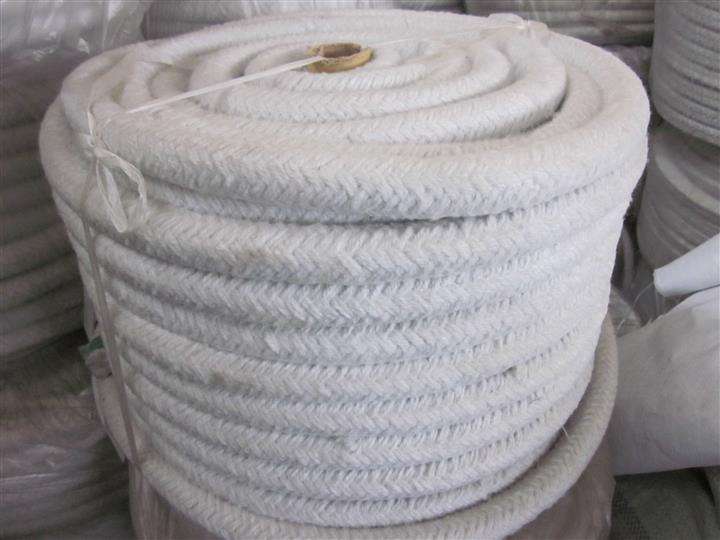 Dökümhanede Üretilen Yüksek Sıcaklık Seramik Elyaf Halat Contası
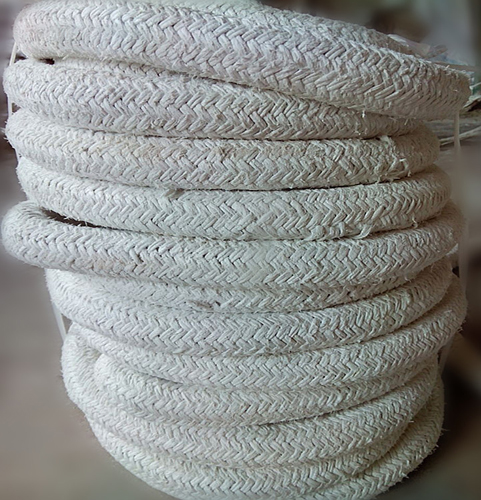 Yüksek Sıcaklık Yalıtım Malzemesi – seramik elyaf halatlar, örgüler, bantlar, kılıflar
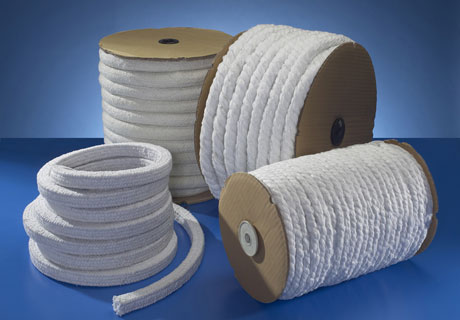 Seramik Elyaf Halat
 Seramik halatın fiziksel ve kimyasal özellikleri
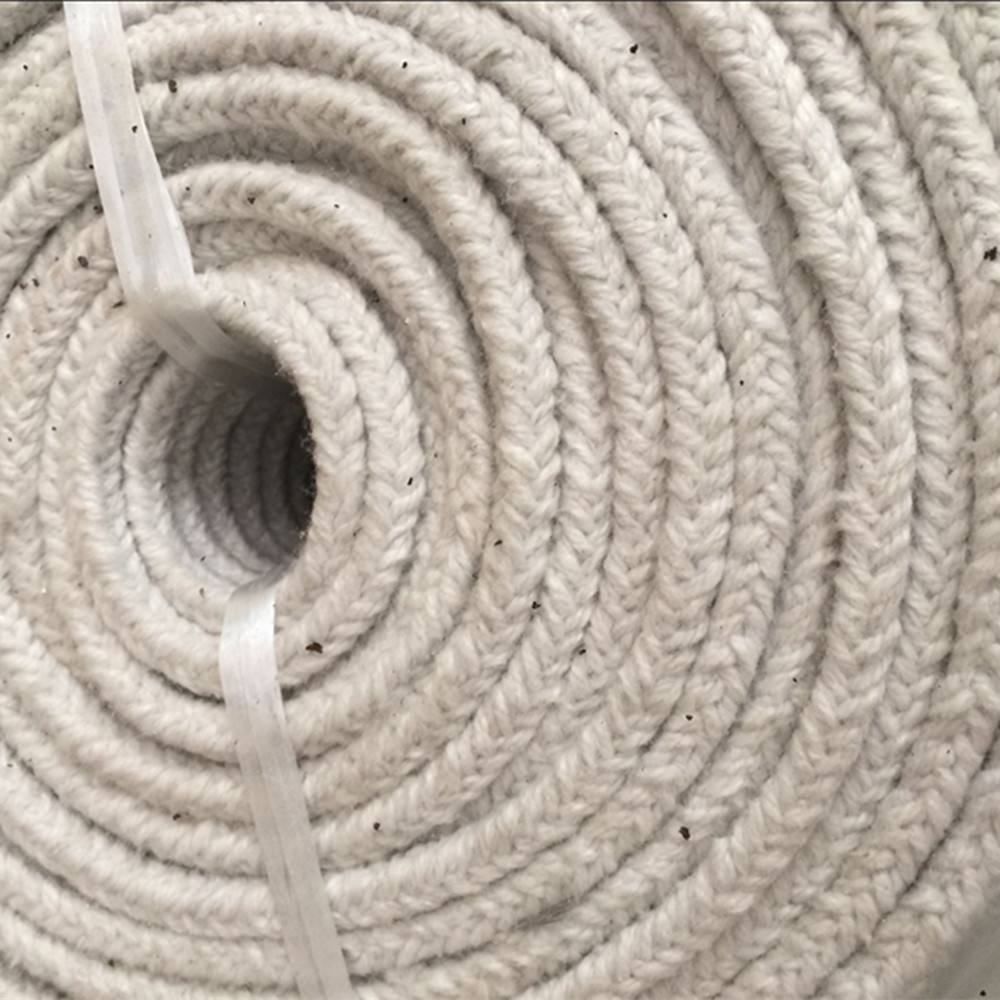 Seramik Halat Tedarikçileri
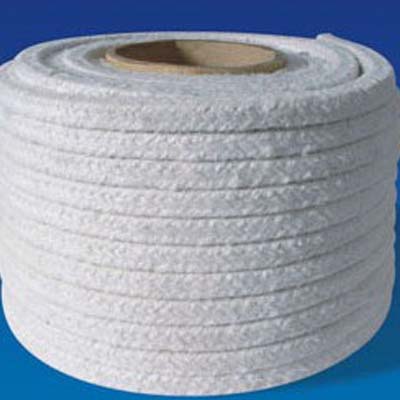 Seramik halatın özellikleri ve kullanım alanları
 Yüksek Sıcaklık Seramik Elyaf Battaniyesi
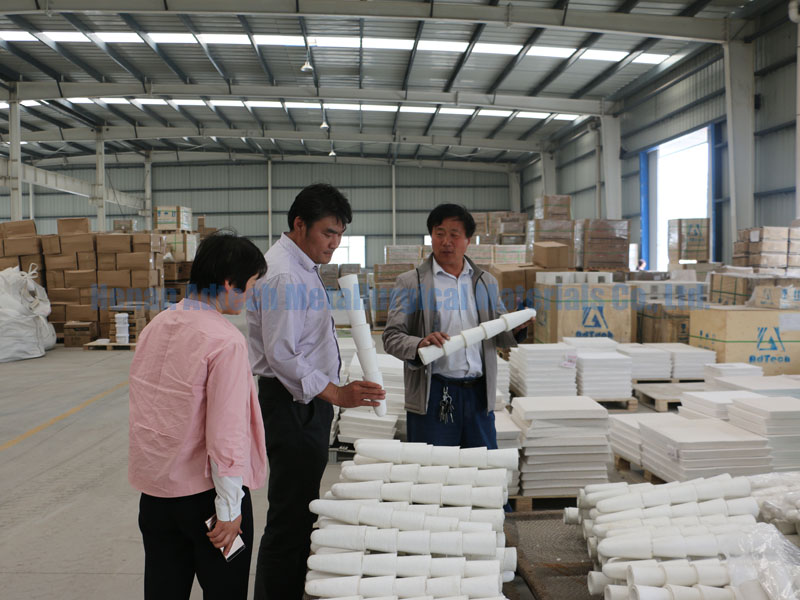 Ateş Dayanıklı Döküm Konisi Seramik Elyaf Şekilli Yalıtım
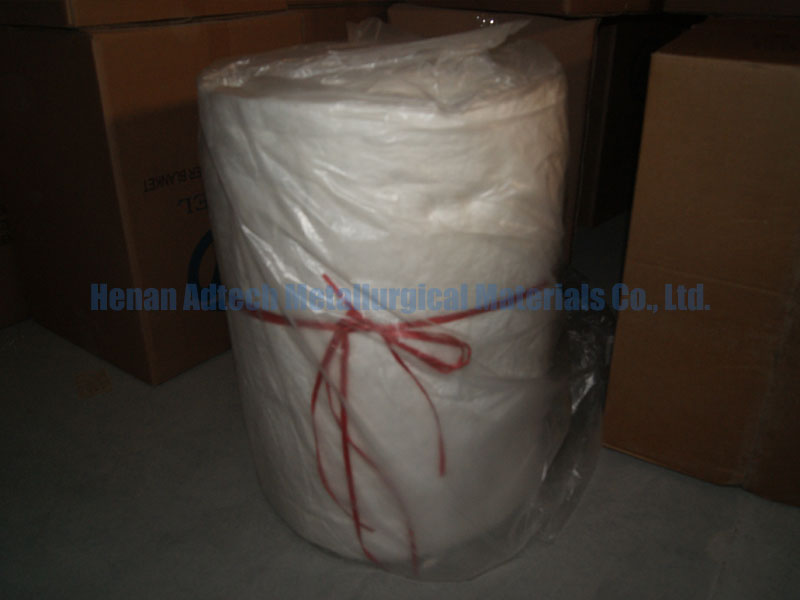 Seramik Yalıtım Battaniyesi
 Seramik Elyaflı Ateş Dayanıklı Koni
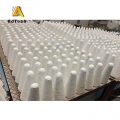 Ateş Dayanıklı Seramik Elyaf Koniler
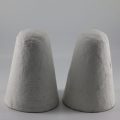 Delik Konisi Isıtma Yalıtımı
 Satılık Seramik Yalıtım Battaniyesi
 Delik Konisi Isı Yalıtımı
Sorry, the comment form is closed at this time.