

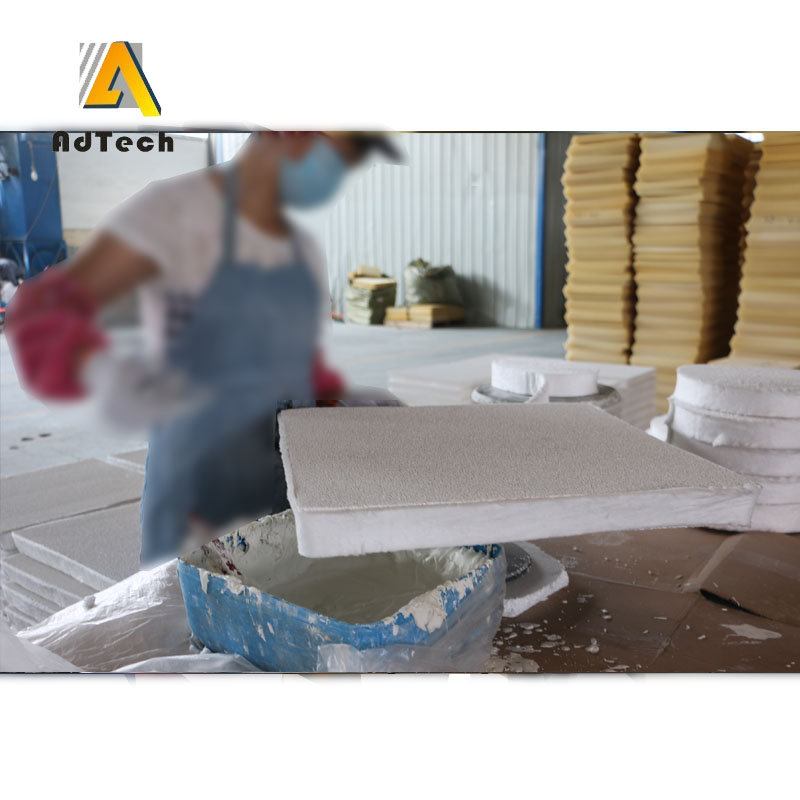
12 сентября Как изготовить керамический пенофильтр
Как приготовить Керамический пенофильтр
Adtech расскажет вам, как изготовить керамический пенофильтр.
Приготовление раствора для пропитки полиуретановой пены: калийную соль и фосфорную кислоту смешивают в ёмкости до полной нейтрализации.
Затем вводится алюминий-хромофосфатное связующее, после чего при постоянном перемешивании добавляются сыпучие компоненты: расплав, гидроксид алюминия, наполнитель и мелкоизмельченные отходы пенокерамического фильтра.
Перемешивание суспензии продолжается в течение 30–40 минут до полной гомогенизации.
Как изготовить керамический пенофильтр?
Заготовки из полиуретановой пены с открытопористой эластичной структурой пропитывают готовым керамическим шликером, после чего избыток суспензии отжимают.
Полуфабрикат сушат при температуре 100–130 °C до постоянного веса, а затем обжигают при максимальной температуре 1280–1290 °C.
Готовые пенопластовые фильтры были подвергнуты испытаниям на сопротивление фильтрации при литье алюминиевых сплавов в формы.
В ходе испытаний пенопластовых фильтров были определены составы предлагаемых масс и физико-технические характеристики прототипа.
Предлагаемое решение позволяет повысить механическую прочность и термостойкость керамических пенофильтров.
Керамические пенофильтры из предлагаемой партии выгодно отличаются более высокими показателями механической прочности и термостойкости и, что особенно важно, благодаря отсутствию трещин в керамическом корпусе обладают высокой сопротивляемостью изгибному разрушению, что благоприятно сказывается на качестве очищаемого металла.
Кроме того, использование мелкоизмельчённых отходов из установки PCF позволяет наладить безотходное производство керамических пенофильтров.
Керамические пенофильтры используются для удаления примесей из металлических отливок.
Фильтры на основе ППУ удаляют примеси благодаря своей открытопористой структуре. В процессе литья расплавленный металл проходит через поры. В конструкции керамико-пенопластовых фильтров ППУ служит матрицей для последующего каталитического процесса. Пенопласт покрывают керамической суспензией и сушат. Затем заготовки различной формы помещают в печь, где матрица из сетчатого полиуретанового пенопласта выгорает, оставляя после себя керамический сетчатый каркас готового фильтра. Размер пор керамических фильтров варьируется от 10 до 45 PPI на линейный дюйм.
Сетчатая структура керамического пенофильтра обеспечивает глубокую фильтрацию, которая тщательно удаляет большое количество примесей, не задерживая при этом полезные вещества
Фильтр способен выдерживать значительное металлостатическое давление, сохраняя при этом эффективность фильтрации. Фильтры из керамической пены обычно используются в первичной и вторичной плавке алюминия, а также в качестве фильтров для алюминиеплавильных печей.
Керамические пенофильтры обладают следующими преимуществами
1. Удаление металлических и неметаллических примесей из потоков расплавленного металла.
2. Восстановление оксида в процессе образования турбулентного потока.
3. Увеличение расхода металла.
4. Удаление включений и различных дефектов металла.
5. Повышение качества литья: фильтры PPU обладают хорошими механическими свойствами.
6. Сокращение объема брака и дополнительных операций в процессе производства.
7 Керамика пенный фильтр предлагается в широком ассортименте размеров и форм.
8 Все керамические пенообразные фильтры характеризуются сетчатой матрицей, в которой сферические поры одинакового размера и объема соединены по всему объему и образуют «окна» в стенках. Извилистые пути этой структуры пропускают и одновременно улавливают расплавленный шлак и другие примеси. В результате эта уникальная фильтрующая структура на основе PPU демонстрирует превосходную эффективность фильтрации металла по сравнению с другими конструкциями и фильтрами, представленными на рынке литейного оборудования.
9 Керамические пенофильтры обладают высокой термостойкостью и легко пропитываются расплавленным металлом. Благодаря повышенной долговечности фильтров на основе PPU отпадает необходимость в использовании дополнительных металлических сеток.
10 Повышение качества литья достигается за счет фильтрации шлаков, образующихся в расплаве в процессе литья. С помощью фильтров на основе PPU улучшается качество готового литья, повышается технологичность металла, одновременно сокращается количество отходов литья и увеличивается производительность линий.
11 Поры в керамических пенофильтрах действуют как “ловушки” для различных примесей. Такая структура фильтра выгодно отличается от традиционных стандартных керамических фильтров. Когда расплав черных металлов вступает в контакт с поверхностью керамического пенофильтра, специальные добавки, входящие в состав покрытия фильтра, начинают разлагаться и мгновенно образуют сплошную пленку фаялита. При высоких температурах это покрытие становится мягким и вязким, и пленка фаялита удерживает даже включения размером в микроны при их прохождении через фильтр. Обычные керамические фильтры не способны полностью улавливать такое количество примесей из расплавленного металла.
Используя в производстве фильтры из полиуретановой пены, вы обеспечите более чистый металл, улучшите его текучесть и в целом повысите качество готового литья, что приведет к увеличению прибыли завода и литейного цеха.
1. What is a Ceramic Foam Filter and How Does It Work?
A Керамический пенофильтр (CFF) is a porous, highly refractory ceramic material characterized by a three-dimensional open-cell network (reticulated structure). Designed to withstand extreme temperatures, thermal shock, and molten metal erosion, CFFs are predominantly used in continuous, semi-continuous (DC casting), and shape casting of aluminum alloys.
The Three Filtration Mechanisms
- Mechanical Straining (Screening): Large oxide skins and refractory slag particles larger than the filter pore opening are mechanically trapped on the entry face of the filter plate.
- Cake Filtration: As trapped particles accumulate at the filter surface, they form a “filter cake.” This layer subsequently acts as a secondary filter medium, capturing particles smaller than the initial pore diameter.
- Deep-Bed Adsorption: Microscopic non-metallic inclusions pass into the tortuous 3D network of the reticulated ceramic structure. Due to inertia, thermal convection, and capillary action, these inclusions contact the ceramic strut surfaces and adhere to them via physical adsorption.
Core Benefits for Aluminum Cast Houses
- Dross & Inclusion Reduction: Removes non-metallic particles down to a few microns, dramatically lowering rejection rates during X-ray testing.
- Laminar Flow Stabilization: Reduces turbulence during mold filling, minimizing secondary oxidation and air entrapment.
- Improved Mechanical Properties: Enhances yield strength, fatigue resistance, and surface finish of extruded profiles, aluminum foils, and aerospace-grade sheets.
- Machining Tool Longevity: Decreases hard spot density, significantly reducing tool wear during CNC milling and cutting operations.
2. Step-by-Step Ceramic Foam Filter Manufacturing Process
The dominant industrial method for producing high-porosity reticulated ceramic foam filters is the Organic Sponge Impregnation Method (also known as the Schwartzwalder Process). Below is the precise 6-step manufacturing workflow.
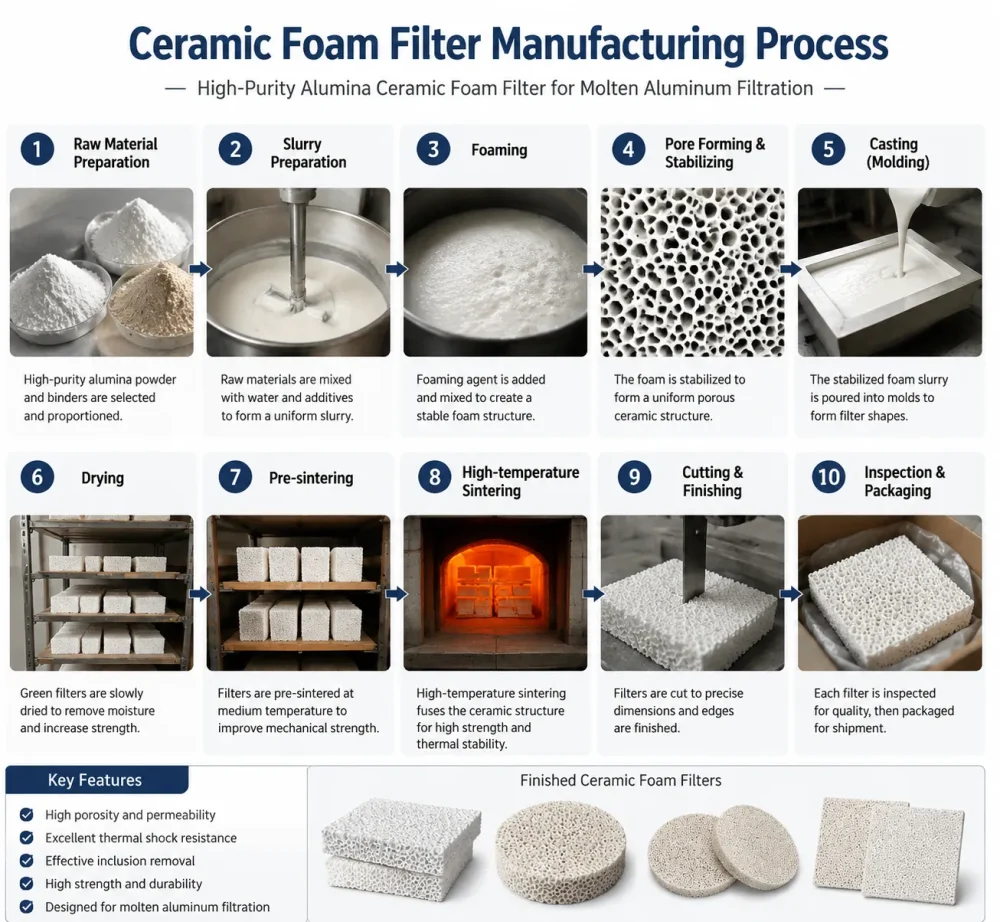
Alumina Ceramic Foam Filter manufacturing process including mixing, molding, sintering, inspection and packaging.
Step 1: Polyurethane Sponge Selection and Pre-treatment
- Base Material: Flexible, fully reticulated open-cell polyurethane (PU) foam serves as the sacrificial template.
- Pore Uniformity: The PU foam must feature uniform pore size distribution, specified in PPI (Pores Per Inch).
- Thermal Pre-treatment: The foam template is heat-treated or chemically etched to remove residual cell membranes, ensuring 100% open porosity and optimal slurry adhesion.
Step 2: Ceramic Slurry Preparation & Impregnation
- Slurry Formulation: High-purity alumina (Al2O3), silica (SiO2), binder agents (e.g., aluminum phosphate or colloidal silica), rheological additives, and anti-foaming agents are blended in a high-shear mixer.
- Viscosity Control: Slurry rheology must exhibit thixotropic behavior—flowing easily under stress while maintaining a stable structure at rest to coat foam struts evenly without clogging pores.
- Dipping Process: The pre-cut PU foam matrices are submerged in the ceramic slurry, ensuring complete wet-out of all internal struts.
Step 3: Mechanical Rolling and Excess Slurry Removal
- Squeezing Action: The impregnated foam passes through precision-calibrated roller presses to squeeze out excess slurry.
- Web Thickness Retention: Controlled clearance settings on the rollers maintain optimal ceramic strut coating thickness while preserving open passage channels.
Step 4: Controlled Drying Phase
- Moisture Evaporation: The coated foam blocks undergo drying in continuous tunnel dryers or microwave drying systems operating between 100°C and 150°C.
- Crack Prevention: Humidity and temperature profiles are carefully regulated to prevent shrinkage cracks, warpage, or structural deformation.
Step 5: High-Temperature Sintering
- Polyurethane Burn-out: As temperature reaches 300°C to 600°C in the sintering kiln, the internal polyurethane foam template burns out completely without leaving toxic carbon residue.
- Ceramic Bonding: The kiln ramps up to sintering temperatures between 1100°C and 1500°C (depending on binder and alumina purity). Thermal sintering fuses ceramic grains together, developing high mechanical strength and thermal shock resistance.
Step 6: Edge Gasket Application & Quality Inspection
- Thermal Expansion Gasket: Expandable ceramic fiber or refractory gasket strips are fitted around the edges of the filter plate to ensure a tight seal inside the filter box, preventing molten metal bypass.
- Dimensional & Visual QC: Each filter plate undergoes dimensional tolerance verification, pore density checks, and structural integrity testing.
3. Key Technical Specifications & Material Comparison
Selecting the correct ceramic material matrix is crucial to withstand thermal stress and chemical reaction with specific molten alloys.
| Property / Parameter | Alumina (Al2O3) Ceramic Filter | Silicon Carbide (SiC) Filter | Zirconia (ZrO2) Ceramic Filter |
|---|---|---|---|
| Primary Alloy Application | Aluminum, Al-Mg Alloys, Zinc | Cast Iron, Ductile Iron, Copper Alloys | Carbon Steel, Stainless Steel, Superalloys |
| Max Operating Temp | Up to 1150°C (2102°F) | Up to 1500°C (2732°F) | Up to 1700°C (3092°F) |
| Porosity Rate | 80% – 90% | 80% – 85% | 75% – 85% |
| Flexural Strength | ≥ 0,8 МПа | ≥ 1,5 МПа | ≥ 2.0 MPa |
| Устойчивость к термическим ударам | Отлично | Superior | Outstanding |
| Химическая инертность | Highly Resistant to Molten Al | Highly Resistant to Slag | High Resistance to Corrosion |
Standard Physical Specifications (Alumina CFF for Aluminum)
- Chemical Composition: Al2O3 ≥ 85%, SiO2 ≤ 10%
- Насыпная плотность: 0.40 – 0.55 g/cm³
- Cold Compressive Strength: ≥ 0.5 MPa
- Thermal Expansion Coefficient: 7.5 × 10⁻⁶ /K
4. How to Choose the Right PPI for Aluminum Casting
Pores Per Inch (PPI) defines the pore density of a ceramic foam filter. Selecting the appropriate PPI depends on your casting method, alloy cleanliness requirements, and molten metal flow rate goals.
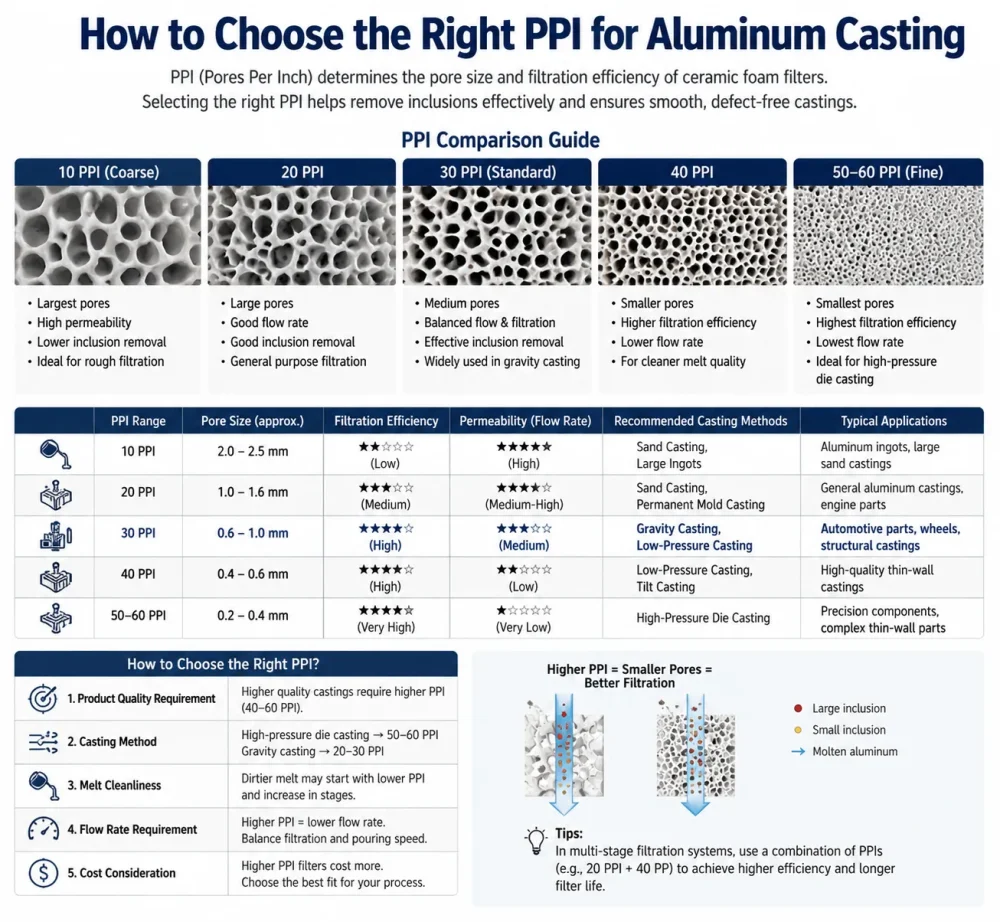
Ceramic foam filter PPI selection guide showing 10–60 PPI pore size, filtration efficiency and aluminum casting applications
PPI Selection Matrix
10 PPI to 20 PPI (Coarse Filtration)
- Primary Uses: Primary aluminum remelt, foundry ingot production, scrap recycling, and gravity casting.
- Key Characteristics: High volumetric flow rate, high dirt-holding capacity, low initial priming head requirement.
- Target Inclusions: Removes large dross particles, furnace lining flakes, and coarse oxide skins.
30 PPI to 40 PPI (Medium-Fine Filtration)
- Primary Uses: Direct Chill (DC) casting of extrusions, aluminum billets, rolling slabs, and automotive component foundries.
- Key Characteristics: Balanced performance offering efficient micro-inclusion removal alongside stable flow velocity.
- Target Inclusions: Traps intermediate non-metallic inclusions down to 30 microns.
50 PPI to 60 PPI (Ultra-Fine / Precision Filtration)
- Primary Uses: High-precision aluminum foil stock, aerospace alloys, lithographic sheet production, and ultra-thin wire drawing.
- Key Characteristics: High filtration efficiency with tight pore channels. Requires preheating and higher molten metal priming head pressure.
- Target Inclusions: Captures micro-inclusions down to 5–10 microns.
5. Application Scenarios & Filter Box Installation Best Practices
Correct installation and preheating of ceramic foam filters in casting operations are critical to preventing molten metal bypass, thermal shock breakage, and cold folds.
Step-by-Step Installation Guidelines
- Inspect Filter Box & Seating: Clean the filter bowl or launder box thoroughly. Remove residual aluminum, oxide scale, or damaged lining refractory.
- Apply Expansible Gasket: Ensure the expandable ceramic fiber sealing gasket wraps tightly around all four sides of the filter plate.
- Position the Filter: Place the filter plate flush into the filter bowl seat. Press down evenly to verify there are no gaps along the perimeter where un-filtered liquid metal could bypass.
- Preheating Sequence: Preheating the filter plate using burner flames or electric heating elements is mandatory before casting starts:
- Target Preheat Temperature: 300°C to 500°C (572°F to 932°F).
- Purpose: Prevents thermal stress cracking upon contact with molten metal and ensures instant priming without freezing.
- Priming & Flow Rate Control: Maintain an adequate metal head height (typically 50–150 mm) during initial pour to overcome surface tension and prime the filter pores.
6. Troubleshooting Common Filtration Failures
| Issue / Symptom | Root Cause Analysis | План корректирующих мер |
|---|---|---|
| Filter Floating / Displacement | Missing or incorrectly sized edge gasket; improper filter seating inside the bowl. | Use correct ceramic fiber gasket thickness to ensure tight mechanical wedge fit. |
| Metal Priming Failure (No Flow) | Filter temperature too low during pour; selected PPI too fine for available liquid metal head pressure. | Increase filter box preheat temperature; switch to a lower PPI filter (e.g., from 50 PPI to 30 PPI). |
| Filter Structural Cracking | Severe thermal shock due to non-uniform or insufficient preheating; physical impact during loading. | Standardize burner preheat sequence; handle filter plates carefully using thermal protective gear. |
| Inclusion Bypass / Downstream Defect | Damaged edge gasket allowing molten metal to bypass filter; cracks inside filter matrix. | Inspect gasket seal prior to casting; verify cold compressive strength specifications from supplier. |
7. Frequently Asked Questions (FAQ)
Q1: What is the standard lifespan of an alumina ceramic foam filter?
Alumina ceramic foam filters are designed primarily for single-cast usage in continuous and semi-continuous casting runs. They should be replaced after every drop/cast or once maximum inclusion load capacity is reached to avoid channel clogging and pressure drops.
Q2: Why is the expandable gasket around the filter plate critical?
The ceramic fiber gasket serves two vital functions: first, it seals the perimeter to prevent liquid aluminum from leaking past the sides without being filtered; second, it expands under high casting temperatures to securely lock the filter plate in position, preventing it from floating.
Q3: How do I determine whether to use a 30 PPI or 50 PPI filter?
Base your selection on your end product quality specifications. If you are manufacturing standard industrial extrusions or billets, 30 PPI provides excellent flow efficiency and clean melt quality. If you produce foil stock, lithographic plates, or aerospace components, 50 PPI or 60 PPI is necessary to remove fine micro-inclusions.
Q4: What is the main difference between Alumina (Al2O3) and Silicon Carbide (SiC) foam filters?
Alumina (Al2O3) filters are specifically formulated for aluminum and non-ferrous alloy casting up to 1150°C. Silicon Carbide (SiC) filters exhibit much higher mechanical strength and temperature resistance up to 1500°C, making them suitable for iron, brass, and bronze foundry applications.
Technical Consultation & Procurement Solutions
Are you seeking to improve your casting yield, reduce dross rejection rates, or custom-engineer ceramic foam filter sizes for your aluminum furnace launder system?
Contact the metallurgical engineering team at AdTech today for technical datasheets, custom PPI configurations, and factory-direct volume quotes.
Связанные публикации:
 Пенокерамический фильтр для фильтрации литейной массы
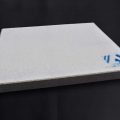 Керамический пенофильтр из оксида алюминия, Пакистан, алюминий
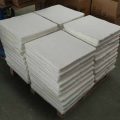 Используйте керамический пенофильтр из оксида алюминия
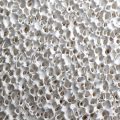 Внутренняя структура фильтра из керамической пены на основе оксида алюминия
 Что такое керамический пенофильтр
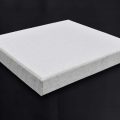 Керамический пенофильтр «Чуо Косан»
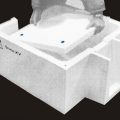 Пенокерамический фильтр, Австралия
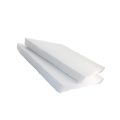 Купить керамический пенофильтр из оксида алюминия
 Пенокерамический фильтр «Алюминий Сибирь»
 Керамический пенофильтр компании «Мозал»
 Используйте керамические пенопластовые фильтры для литья
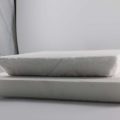 Керамический пенофильтр с высоким содержанием алюминия
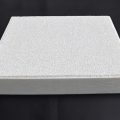 Керамический пенопластовый фильтр «УАЗ Алюминий»
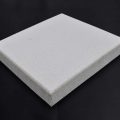 Алюминиево-керамический пенопластовый фильтр Katagi
Sorry, the comment form is closed at this time.