

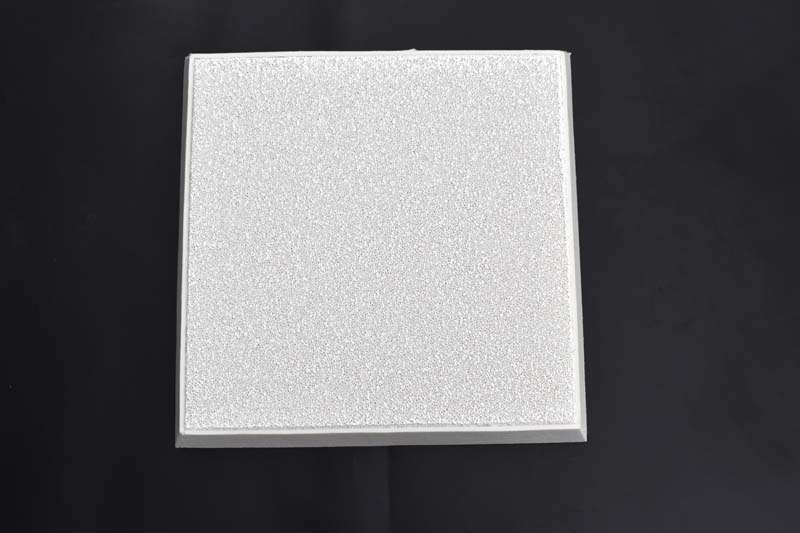
27 de octubre Filtro de aluminio fundido de Volkhov Aluminium
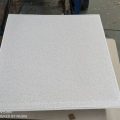
Filtro para aluminio fundido: Volkhov Aluminium es capaz de filtrar eficazmente las inclusiones de gran tamaño presentes en el aluminio fundido. y pequeñas inclusiones en suspensión de tan solo unas decenas de micras, mediante tres mecanismos de filtrado y purificación: retención mecánica, rectificación de la espuma y adsorción profunda.
Gracias al esfuerzo de numerosos trabajadores de fundición e investigadores, la aplicación de Filtro de aluminio fundido se ha desarrollado enormemente.
Sin embargo, presenta una elevada resistencia mecánica, una alta porosidad, una buena resistencia al choque térmico y una buena resistencia a la corrosión provocada por el metal fundido.
El filtro para aluminio fundido «Volkhov Aluminiumr» se utiliza ampliamente en la industria de la fundición de aluminio.
Con el desarrollo de la ciencia y la tecnología, la producción industrial plantea exigencias cada vez mayores en cuanto a la pureza y la calidad del aluminio y sus aleaciones.
El proceso tradicional de refinado y desgasificación no permite eliminar las inclusiones no metálicas finas en suspensión presentes en el aluminio fundido.
Por ello, se han estudiado numerosos métodos de purificación. Según sus diferentes mecanismos y formas, los métodos de purificación pueden clasificarse en purificación por adsorción, purificación física y purificación por filtración.
Filtro de espuma cerámica «Dimension»
660 x 660 x 50 (26 pulgadas)
584 x 584 x 50 (23 pulgadas)
508 x 508 x 50 (20 pulgadas)
432 x 432 x 50 (17 pulgadas)
381 x 381 x 50 (15 pulgadas)
305 x 305 x 50 (12 pulgadas)
228 x 228 x 50 (9 pulgadas)
178 x 178 x 50 (7 pulgadas)
Filtro de espuma cerámica. Tamaño de poro (PPI): 10/20/30/40/50/60
El filtro Foundry de 30 ppi y 40 ppi es el filtro de espuma cerámica más utilizado en la industria de la fundición de aluminio.
En la fundición de aluminio convencional se suelen utilizar placas filtrantes cerámicas de entre 10 y 40 ppi.
En el sector de la aviación y en los materiales de aluminio de alta calidad se suelen utilizar placas filtrantes cerámicas de entre 30 y 60 ppi.
Roman Andrewshin, director de ventas en el mercado nacional y en China de Rusal, afirmó que Rusal exporta alrededor de 3 millones de toneladas de aluminio al año., y este año las exportaciones podrían reducirse en cientos de miles de toneladas de aluminio, ya que la fiscalidad hará que algunas exportaciones dejen de ser rentables.
El Gobierno ruso anunció en junio que impondría un arancel de al menos 15% a las exportaciones de acero, níquel, aluminio y cobre a partir del 1 de agosto (el tipo impositivo varía) con el fin de estabilizar los precios de las materias primas y aumentar los ingresos fiscales. El Gobierno ha declarado que la subida de impuestos se mantendrá hasta finales de año y que se trata de una medida fiscal temporal, tras la cual se buscarán medidas más sostenibles.
Andrewshin afirmó que el impuesto es injusto, ya que Rusal invertirá miles de millones de dólares en modernizar la fundición, y que dicho impuesto no reducirá de forma significativa los precios locales, dado que el aluminio representa una parte relativamente pequeña de los costes de construcción en Rusia. Es poco probable que Rusal repercuta los costes fiscales a los clientes, en parte porque no puede incluir el impuesto en la mayoría de sus acuerdos a largo plazo. El impuesto podría suponer que Rusal dejara inactivas algunas líneas de producción no rentables, y que su nuevo proyecto de Taishet aumentara la producción a un ritmo más lento de lo previsto inicialmente.
Al mismo tiempo, Rusal prevé que la demanda de aluminio se mantenga fuerte y que los precios puedan subir, aunque es posible que no alcancen los máximos históricos de más de $3,300 dólares estadounidenses por tonelada. Debido a la recuperación de la economía mundial tras la pandemia, a las medidas de China para restringir la oferta y a las perspectivas de un aumento de la demanda en los sectores de los vehículos eléctricos y la energía solar, los precios del aluminio han subido unos 23% este año.
Traducción al ruso
El director de mercado interno y ventas en China, Roman Endrushin, ha declarado que Rusal exporta alrededor de 3 millones de toneladas de aluminio al año y que este año podría reducir las exportaciones en cientos de miles de toneladas de aluminio, ya que la fiscalidad hará que algunas operaciones de exportación resulten deficitarias.
En junio, el Gobierno de Rusia anunció que, a partir del 1 de agosto, aplicaría un arancel de al menos 15% a las exportaciones de acero, níquel, aluminio y cobre (los tipos impositivos varían) con el fin de estabilizar los precios de las materias primas y aumentar los ingresos fiscales. El Gobierno ha declarado que el aumento de los impuestos se mantendrá hasta finales de año y que se trata de una medida fiscal temporal, tras lo cual buscará medidas más sostenibles.
Andriushin afirmó que la tributación es injusta, ya que «Rusal» invierte miles de millones de dólares en la modernización de la planta de fundición, y la tributación no provocará una reducción significativa de los precios locales, ya que el aluminio representa una parte relativamente pequeña de los costes del sector de la construcción en Rusia. Es poco probable que «Rusal» repercuta los costes fiscales a sus clientes, en parte porque no puede incluir la tributación en la mayoría de sus acuerdos a largo plazo. El impuesto podría significar que «Rusal» considera que algunas líneas de producción quedarán inactivas por ser poco rentables, y que su nuevo proyecto «Taishet» podría aumentar la producción a un ritmo más lento de lo que se esperaba anteriormente.
Al mismo tiempo, Rusal prevé que la demanda de aluminio se mantenga alta y que los precios puedan subir, aunque es posible que no alcancen el máximo histórico de más de 3.300 dólares estadounidenses por tonelada. Debido a la recuperación de la economía mundial tras la pandemia, a las medidas de China para limitar la oferta y a las perspectivas de aumento de la demanda en los sectores de los vehículos eléctricos y la energía solar, los precios del aluminio han subido este año aproximadamente un 23%.
Artículos relacionados:
 Filtro de aluminio fundido de Kamensk Aluminium
 Filtro de aluminio fundido de Volkhov Alumina
 Filtro de aluminio fundido Siberia Aluminium
 Filtro de aluminio fundido de las fundiciones de Rusal
 Filtro de aluminio fundido Irkaz Aluminium
 Filtro de aluminio fundido Sual Aluminium
 Filtro de aluminio fundido de Komi Aluminium
 Filtro de espuma cerámica de alúmina Volkhov
 Filtro de aluminio fundido de Ural Aluminium
 Filtro de espuma cerámica Volkhov Aluminium
 Filtro de aluminio fundido Braz Aluminium
 Filtro de aluminio fundido Saaz Aluminium
 Filtro de aluminio fundido Rusia Aluminio
 Filtro para aluminio fundido. Venta de aluminio
No Comments