

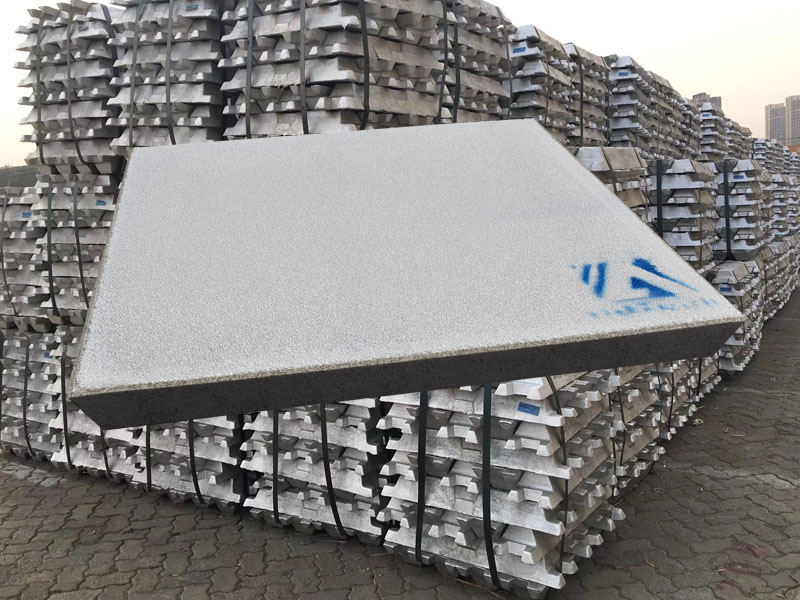
4 de enero Filtro de espuma cerámica con espuma de poliuretano como soporte
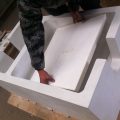
Filtro de espuma cerámica con espuma de poliuretano como soporte para verter una pasta cerámica compuesta por materiales refractarios, áridos refractarios, adhesivos y otros polvos finos, además de agua, y compactar posteriormente dicha pasta.
Material cerámico que recubre la fibra de espuma.
Tras el secado, el curado y el templado a altas temperaturas, el poliuretano se descompone térmicamente, dando lugar a productos cerámicos de espuma, concretamente filtros cerámicos para suelos.
El material cerámico utilizado para filtrar el metal fundido tiene un punto de fusión elevado y no se fundirá durante el proceso de fundición, ni se descompondrá en metal fundido.
Especificaciones del filtro cerámico de espuma canadiense
La cifra de ppi que aparece al principio indica la densidad de poros del producto. Si el modelo es de 10 ppi, significa que la densidad de poros por cada 25,4 mm de longitud es de entre 8 y 12.
El mecanismo de filtración del filtro de espuma cerámica Iralco de aluminio
filtro
Al igual que un tamiz, impide el paso de partículas extrañas y áridos cuyo tamaño sea superior al de los poros de la superficie del filtro.
Torta de filtración
Tras el tamizado, muchas inclusiones de tamaño superior al de los poros del filtro quedan retenidas en el extremo de la entrada del filtro.
A medida que aumenta el número de inclusiones retenidas, se forma una gruesa capa de inclusiones en la superficie del extremo de entrada del filtro.
La “torta de filtración” diluye el líquido y hace que los componentes, cuyo tamaño es inferior al de los poros del filtro, se adhieran a la “torta de filtración” hasta cierto punto.
Filtración en lecho profundo
En el interior del filtro de espuma cerámica, el recorrido del material fundido es sinuoso, y se produce un fenómeno de flujo cruzado incluso en un área local reducida. Esto desempeña principalmente dos funciones:
1. La posibilidad de que las partículas entren en contacto con el filtro.
2. Modificar más rápidamente el caudal y la dirección del flujo de la masa fundida, de modo que los componentes finos de la misma sean captados e interceptados por el filtro de escoria, los orificios rectos (cribado), el filtro de espuma cerámica, la torta de filtración que queda en la esquina y la filtración profunda. Filtro de espuma cerámica con sustrato de bloqueo de escoria (cribado)
La producción de lingotes de aluminio de I aumentó en 23% con respecto al mismo periodo del año anterior en los primeros siete meses.
La producción de lingotes de aluminio de I ha aumentado en 23% durante los primeros siete meses del actual año civil de I (del 21 de marzo al 22 de octubre). Así lo ha anunciado la Organización de Desarrollo y Reforma de la Minería y la Industria Minera de I (IMIDRO), en comparación con el mismo periodo del año pasado.
La producción de lingotes de aluminio del país durante los siete primeros meses del año ascendió a 305.101 toneladas, frente a las 247.335 toneladas registradas en el mismo periodo del año anterior.
Tal y como ya había anunciado la Organización de Desarrollo y Reforma de la Industria Minera de Iian, en comparación con las cifras del año anterior, la producción de lingotes de aluminio de I aumentó en 61% durante el anterior año natural de Iian 1399 (a fecha de 20 de marzo).
El año pasado, la producción nacional de lingotes de aluminio fue de 446 800 toneladas.
En el año natural 1398, los principales productores de aluminio de I fabricaron con éxito 278 318 toneladas de productos.
En comparación con las cifras del año anterior, la producción nacional de lingotes de aluminio en el primer trimestre de 1398 se redujo en 8%.
Según datos de la Organización de Desarrollo y Reforma de la Minería y la Industria Minera de I, entre los mayores productores del país, I Aluminum Corporation (IRALCO) produjo 185 000 toneladas de lingotes de aluminio el año pasado, lo que supone el mejor resultado.
En el último mes del año anterior (del 19 de febrero al 20 de marzo), la producción nacional de lingotes de aluminio alcanzó las 41 000 toneladas, lo que supone un aumento de 38% con respecto a las 30 000 toneladas registradas en el mismo periodo del año anterior.
Para finales del actual año civil iiano (20 de marzo de 2022), el anual del país producción de lingotes de aluminio Se prevé que aumente en 63%.
El año pasado, durante la inauguración del mayor complejo de producción de aluminio de Irán (situado en la zona central de la provincia de Fars), el exministro de Industria afirmó que se espera que la producción de aluminio del país se duplique una vez que la planta entre en funcionamiento.
Las autoridades indicaron que el valor de la producción del sector minero de I asciende a unos 22 000 millones de dólares estadounidenses, y señalaron que el país es relativamente autosuficiente en materia de minerales y que cada año se registran importantes exportaciones.
Referencia fidedigna
Artículos relacionados:
 Los filtros de espuma cerámica utilizan materiales de alta porosidad como productos intermedios
 La producción de alúmina en China aumentó en 27% en marzo con respecto al mismo periodo del año anterior
 Filtro de espuma cerámica South Aluminum
 Filtro de espuma cerámica de aluminio Alcomet
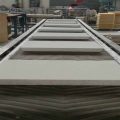 Filtro de espuma cerámica Viva Aluminium Bulgaria
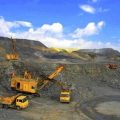 Aluminio de Indonesia
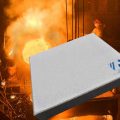 El filtro de espuma cerámica presenta características como la resistencia a la corrosión
 Filtro de espuma de poliuretano con alúmina
 Filtro de espuma cerámica de la empresa Mozal
 Filtro de espuma cerámica de la planta de aluminio de Mozal
 Filtro de espuma cerámica de Food Lion y papel de aluminio
 Filtro cerámico de aluminio de Yakarta
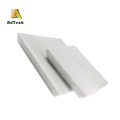 Filtro de espuma cerámica de carburo de alúmina
 Anuncio del filtro de espuma cerámica Alcomet
No Comments