


24 de diciembre Usos del filtro de espuma cerámica en la fundición
Usos del filtro de espuma cerámica en la fundición
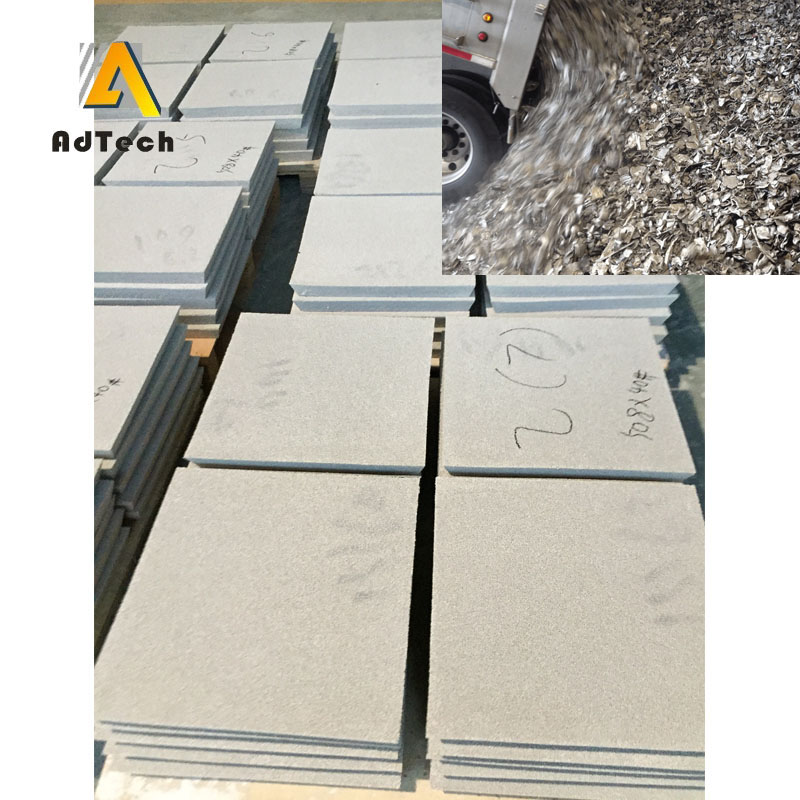
Ceramic foam filters (CFFs) are used to remove non-metallic inclusions from molten metal before casting. Their three-dimensional porous structure helps capture impurities while allowing molten metal to flow through the filter. In aluminum casting, ceramic foam filters can help improve metal cleanliness, surface quality, and casting consistency.
AdTech ceramic foam filters are available in different pore densities and can be selected according to the metal, casting process, and filtration requirements.
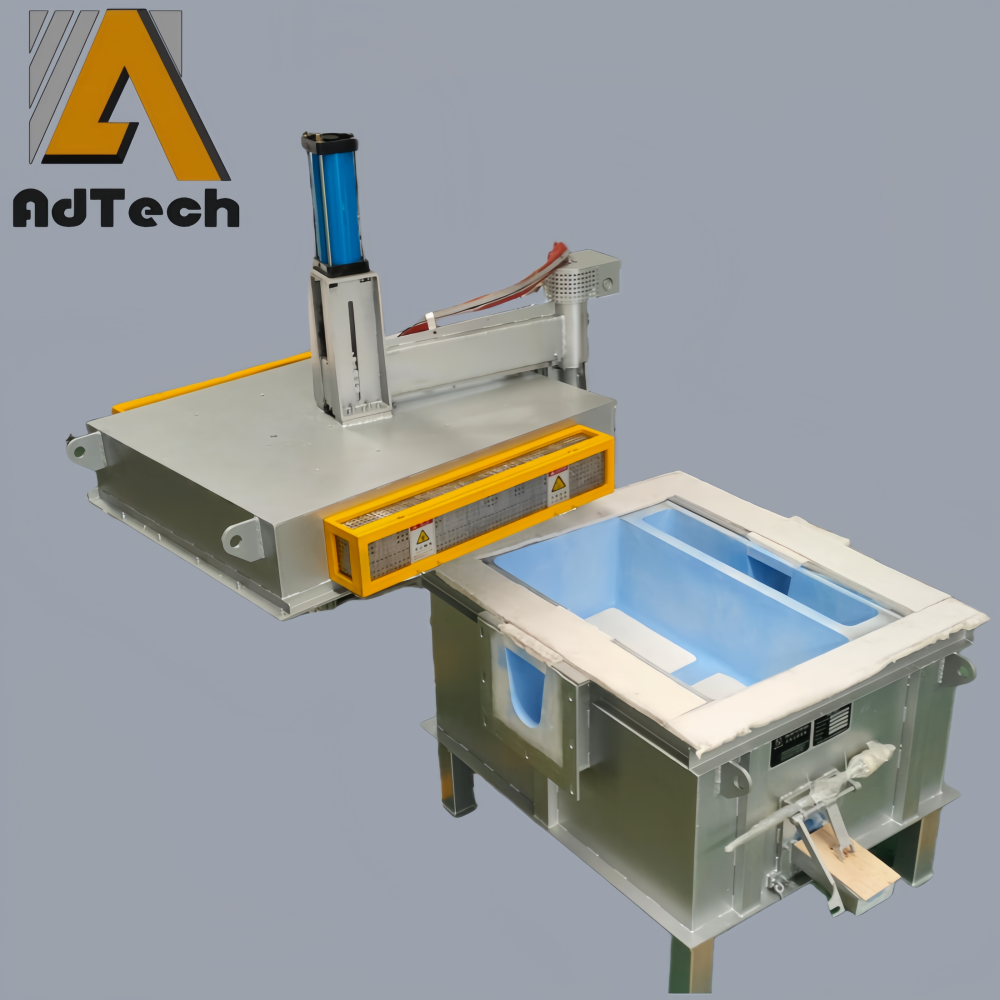
ceramic foam filter inside an e-heating Plate-type Filter Equipment
Types of Ceramic Foam Filters by Material
Different molten metals require suitable filter materials to withstand operating temperatures and chemical conditions.
| Material filtrante | Aplicación típica |
|---|---|
| Alúmina (Al₂O₃) | Aluminum and aluminum alloy casting |
| Carburo de silicio (SiC) | Selected iron and non-ferrous metal casting applications |
| Circonia (ZrO₂) | Steel casting |
| Magnesia (MgO) | Selected specialized filtration applications |
The appropriate material should be confirmed according to the molten metal and operating conditions.
Key Features of Ceramic Foam Filters
- 3D porous structure: Helps capture non-metallic inclusions in molten metal.
- High porosity and surface area: Provides interconnected flow paths for filtration.
- Mechanical strength: Supports handling and operation when the filter is correctly selected.
- Thermal shock resistance: Helps the filter withstand rapid temperature changes under suitable conditions.
- Improved casting quality: Helps reduce inclusion-related defects and improve product consistency.
Ceramic Foam Filter Applications in Aluminum Casting
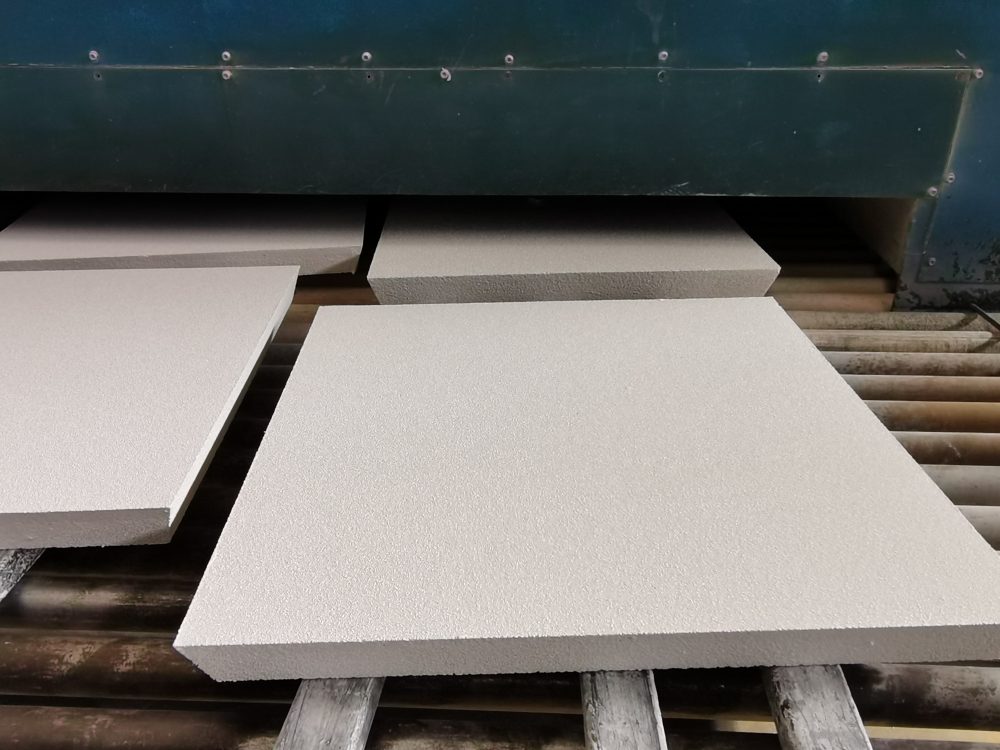
filtro de espuma cerámica
Alumina ceramic foam filters are widely used in aluminum alloy casting, including the production of billets, slabs, aluminum foil stock, extrusion materials, cables, and other aluminum products.
The appropriate PPI depends on the casting process, required metal cleanliness, and flow conditions.
| Solicitud | Suggested PPI |
|---|---|
| Aluminum alloy billet casting | 10–30 PPI |
| General continuous casting | 30–50 PPI |
| High-quality aluminum profiles or rolling plates | 40–50 PPI |
| Double-zero foil continuous casting and rolling | Above 50 PPI |
These ranges are general selection references. The final specification should be confirmed against the casting line’s requirements and available filtration area.
How to Choose the Right Ceramic Foam Filter
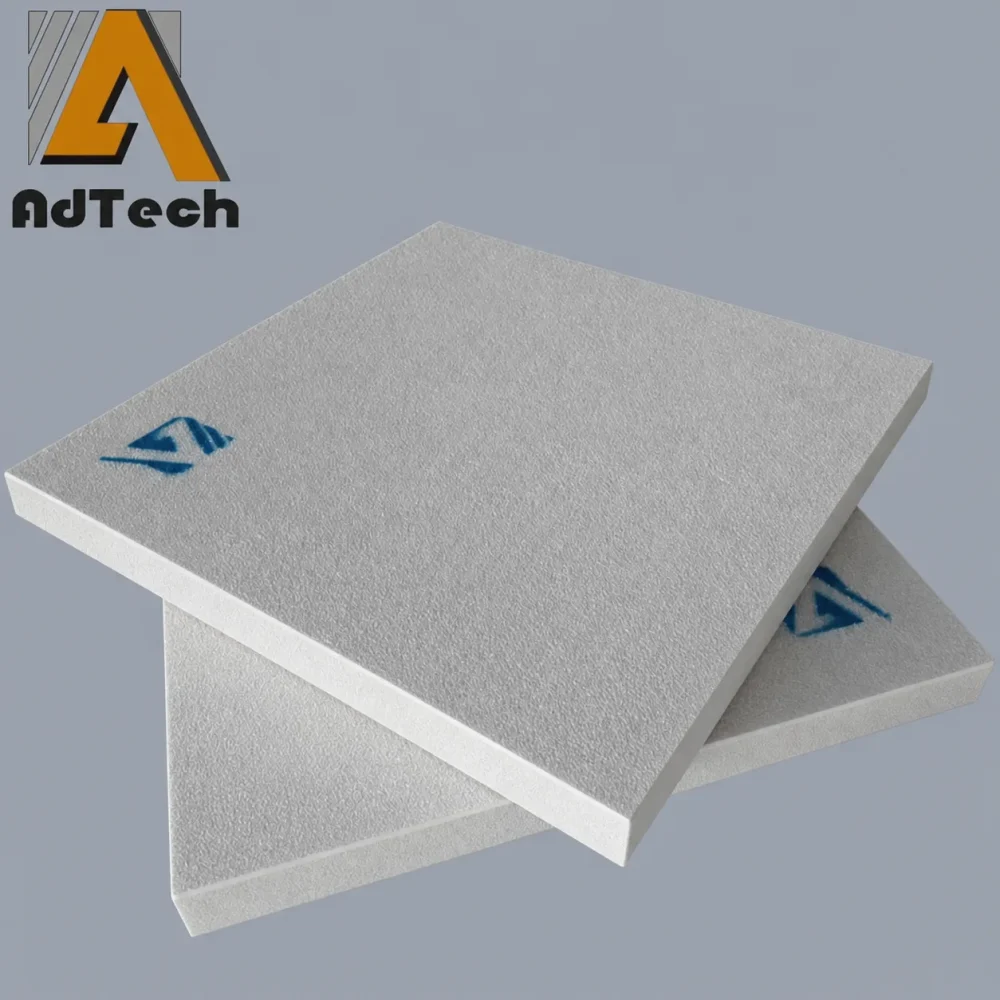
filtro de espuma cerámica
When selecting a ceramic foam filter, consider the molten metal type, filter material, PPI, dimensions, and required flow rate. A higher PPI generally indicates a finer pore structure, but it may also increase flow resistance. The highest PPI is therefore not always the best choice for every casting process.
AdTech provides alumina ceramic foam filters in multiple specifications, with customized sizes available subject to requirements. Contact the team with your casting application, filter dimensions, and required PPI to identify a suitable option.
Preguntas frecuentes
1. What are ceramic foam filters used for in casting?
Ceramic foam filters remove non-metallic inclusions from molten metal, helping improve casting quality and reduce inclusion-related defects.
2. Which ceramic foam filter is used for aluminum casting?
Alumina ceramic foam filters are widely used for filtering molten aluminum and aluminum alloys.
3. What are the main types of ceramic foam filters?
The main types include alumina, silicon carbide, zirconia, and magnesia ceramic foam filters.
4. How do ceramic foam filters remove impurities?
Their interconnected porous structure captures non-metallic inclusions as molten metal passes through the filter.
5. What PPI is suitable for aluminum casting?
Common options range from 10 to 60 PPI. The appropriate grade depends on casting requirements, metal flow rate, and required cleanliness.
6. Does a higher PPI ceramic foam filter provide better filtration?
Higher PPI generally indicates a finer pore structure, but it may increase flow resistance. The best choice depends on the casting process.
7. Can ceramic foam filters be used for steel casting?
Yes. Zirconia ceramic foam filters are used in selected steel-casting applications because of their high-temperature capabilities.
8. Can ceramic foam filters improve aluminum product quality?
They help remove solid inclusions from molten aluminum, supporting improved surface quality and more consistent casting results.
9. What factors should be considered when selecting a ceramic foam filter?
Consider the molten metal type, filter material, PPI, dimensions, flow rate, and required casting quality.
10. Can ceramic foam filters be customized?
Yes. Filter dimensions and specifications can be customized according to the casting equipment and application requirements, subject to supplier confirmation.
Artículos relacionados:
 Fundición con filtro de espuma cerámica
 Filtros de espuma cerámica de aleación de aluminio para fundición
 Filtro cerámico de espuma para la filtración en fundición
 Utiliza filtros de espuma cerámica para la fundición
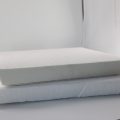 Filtro de espuma cerámica de alúmina para la fundición de aluminio
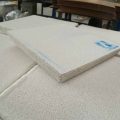 Filtro de espuma cerámica para fundición
 Venta de filtros de espuma cerámica de alúmina
 Filtro de espuma cerámica porosa refractaria moldeada
 Filtración mediante fundición con filtro de espuma cerámica
 Filtro cerámico moldeado
 Placa filtrante de espuma cerámica de alúmina
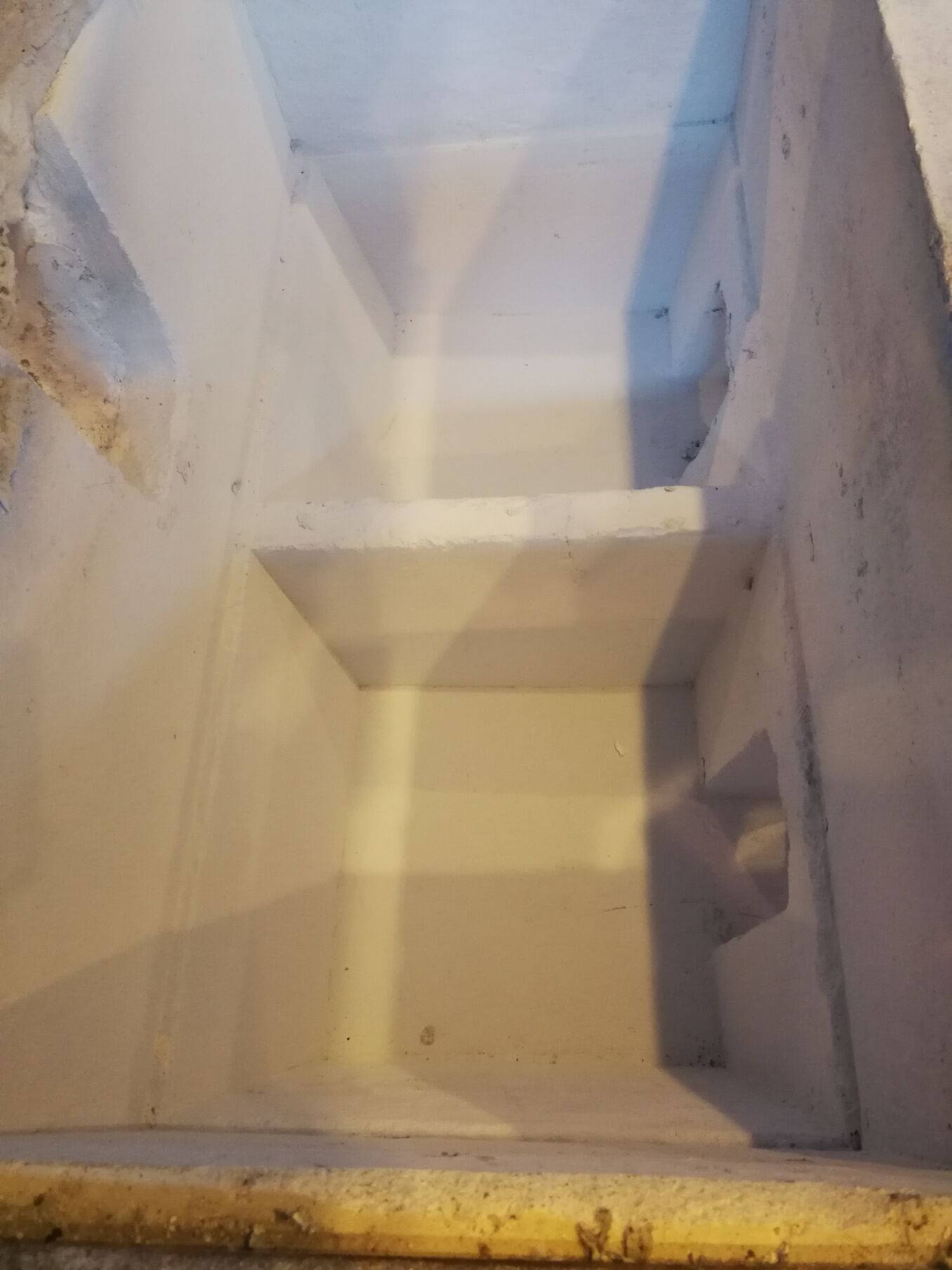 Filtro de espuma cerámica para fábricas de fundición destinado a mejorar la calidad de los productos de fundición
 Filtración por colada con filtro de espuma cerámica de alúmina
 Filtro de espuma cerámica para metales y fundición
No Comments