

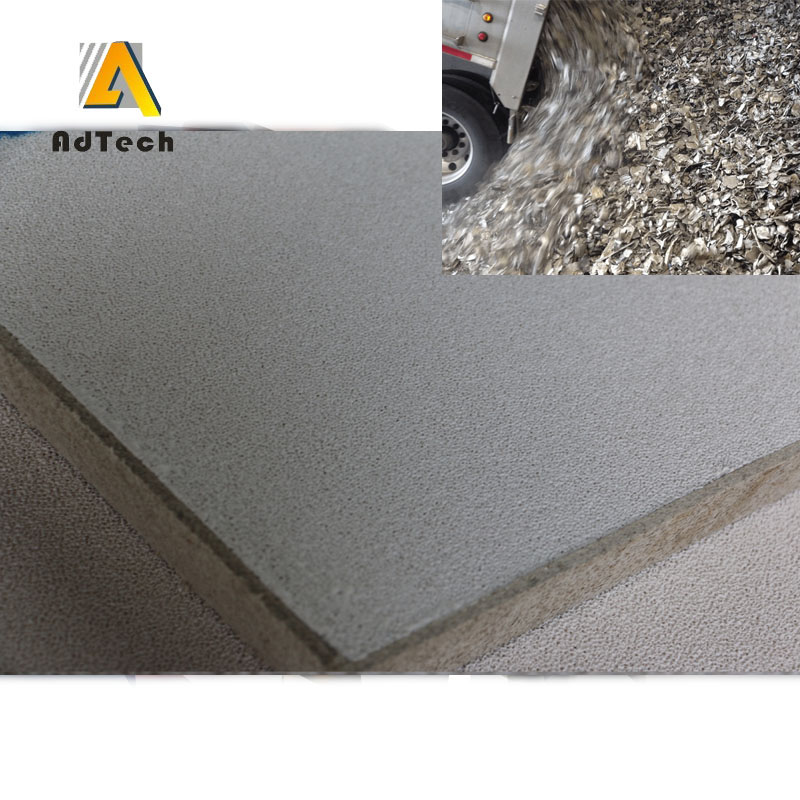
16 de mayo Filtro cerámico de fundición de aluminio
Filtro cerámico de fundición de aluminio
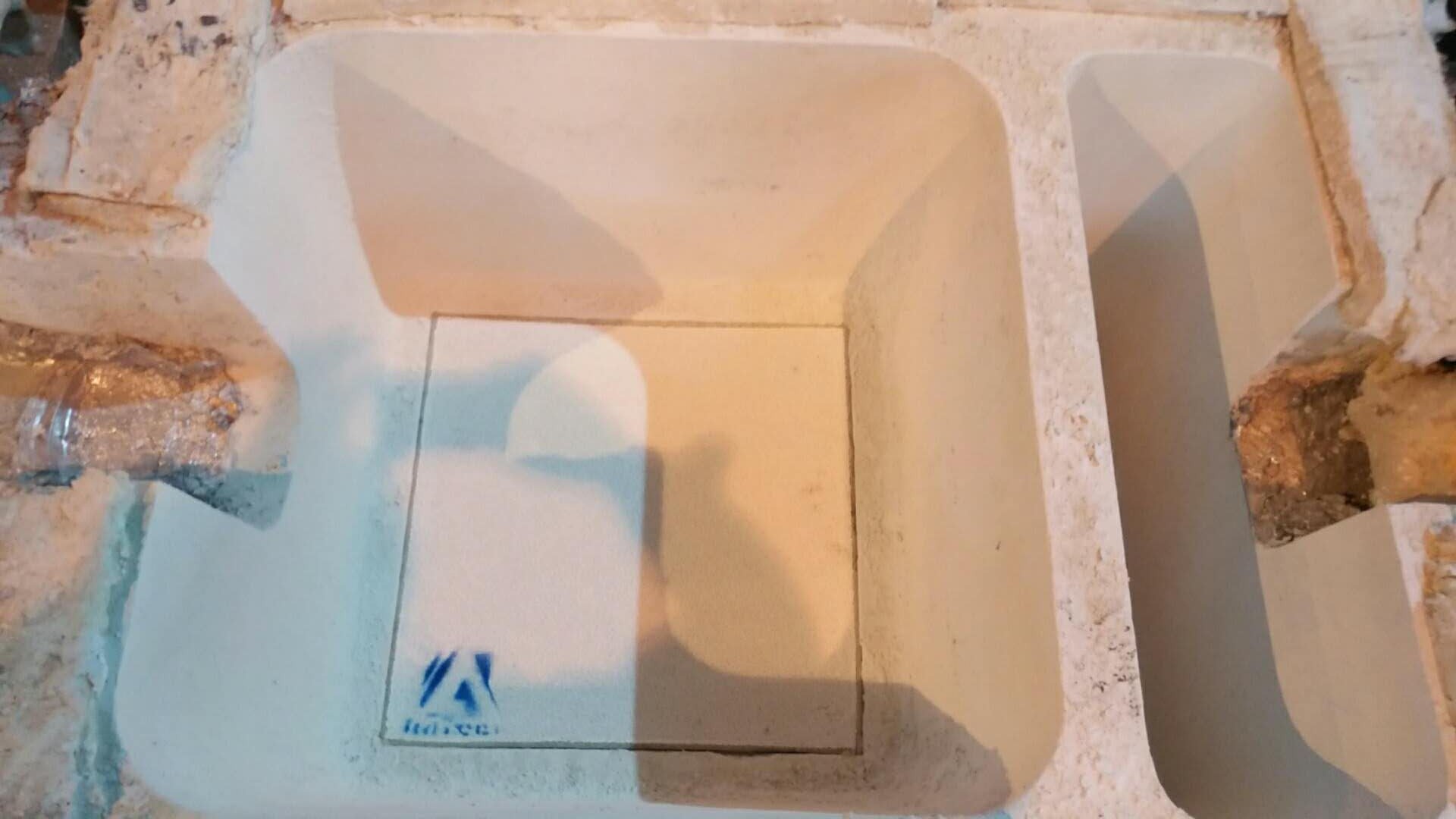
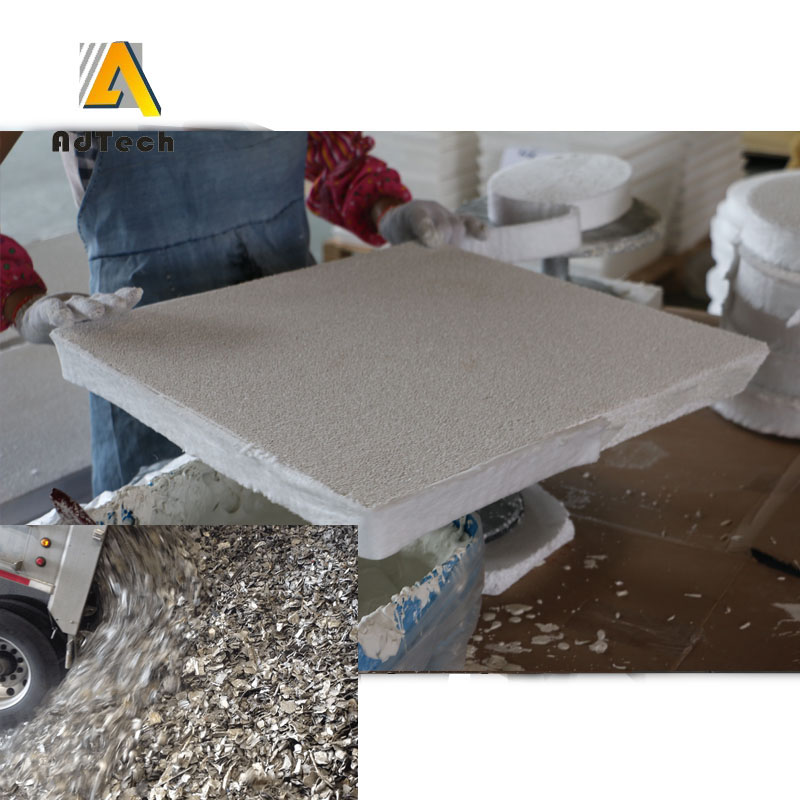
Aluminio Filtro cerámico moldeado Utiliza espuma de portiforium de alta calidad y cerámica de alta pureza como materia prima, lo que permite eliminar de forma eficaz las impurezas sólidas no metálicas de la mezcla de aluminio fundido y aleaciones de aluminio en tu industria de fundición de aluminio.
Nuestro filtro de espuma cerámica, fabricado con espuma de alta calidad y cerámica de gran pureza como materias primas, es capaz de eliminar de forma eficaz las impurezas sólidas no metálicas del aluminio fundido y de las aleaciones de aluminio en su industria de fundición de aluminio.
Ventajas de los filtros cerámicos de fundición de aluminio
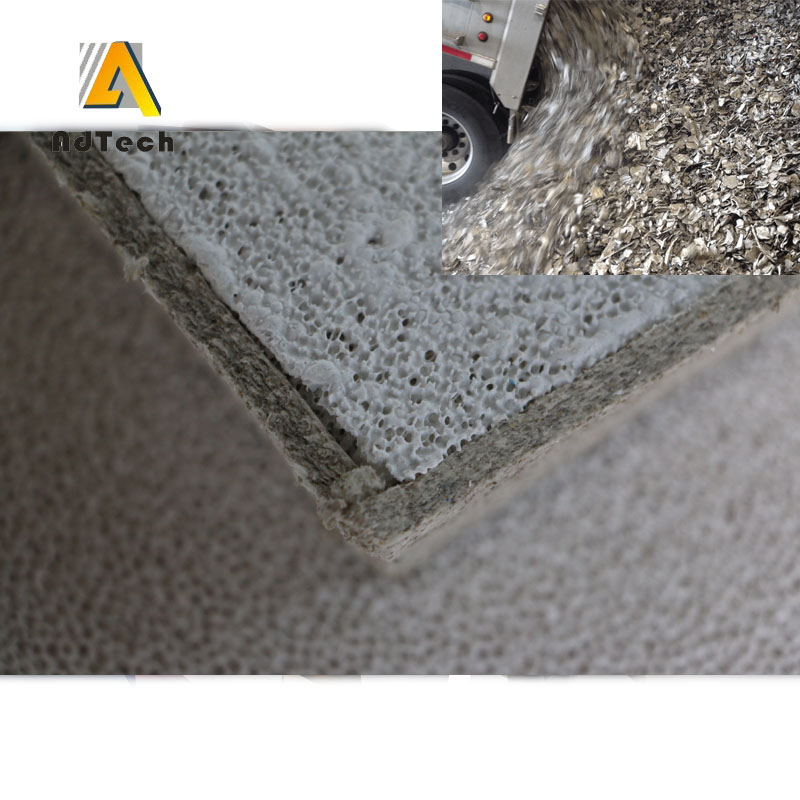
Poros de tamaño uniforme, alta porosidad, sinterización adecuada, alta resistencia a la flexión y a la compresión, filtrado eficaz.
Función del filtro cerámico de fundición de aluminio
Se utiliza ampliamente en los equipos de filtrado de fusante de aluminio para la colada continua, la colada semicontinua, la colada por gravedad y la colada a baja presión.
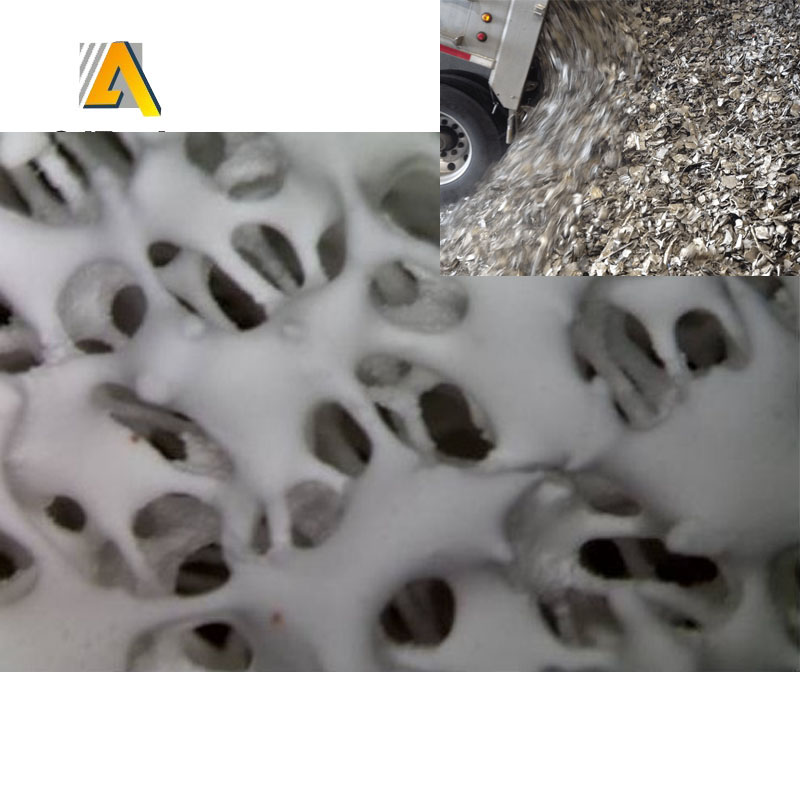
Los filtros de espuma cerámica de alúmina se diferencian por sus especificaciones de porosidad, que van de 20 a 50 ppi, y presentan distintos tamaños y formas.
Composición química: el Al₂O₃ es superior al 85% y el SiO₂ es inferior al 15%.
Los tipos de filtros de espuma cerámica vienen determinados, en particular, por los requisitos de su aplicación. Por ello, en la práctica se utilizan filtros para la filtración de aleaciones de metales no ferrosos (con temperaturas de fundición de hasta 1000 °C), filtros para la filtración de hierro fundido con grafito laminar y esferoidal, y filtros destinados a la filtración de acero. En función del material de fundición, se utilizan filtros a base de Al₂O₃, SiC, ZrO₂ o grafito.
Existen varios métodos para fabricar filtros cerámicos para fundición..
El método de la esponja polimérica, que se describirá con más detalle a continuación, permite obtener estructuras de célula abierta mediante la impregnación de una esponja polimérica con una pasta cerámica, que posteriormente se calcinan para dejar una cerámica porosa.
El método de espumado directo permite producir tanto estructuras de célula abierta como de célula cerrada, siendo más habitual la estructura de espuma.
En este método, se somete a tratamiento una mezcla química que contiene el componente cerámico deseado y materiales orgánicos para que desprenda un gas.
A continuación, se forman burbujas en el material, lo que hace que se forme espuma.
A continuación, el material cerámico poroso resultante se seca y se cuece. Para obtener la estructura alveolar o celular, se utiliza un método de moldeado de plásticos denominado «extrusión», en el que una mezcla de polvo cerámico y aditivos se hace pasar a presión a través de una matriz con la forma deseada (como la plastilina). La estructura celular también puede fabricarse mediante un método de prensado.
Artículos relacionados:
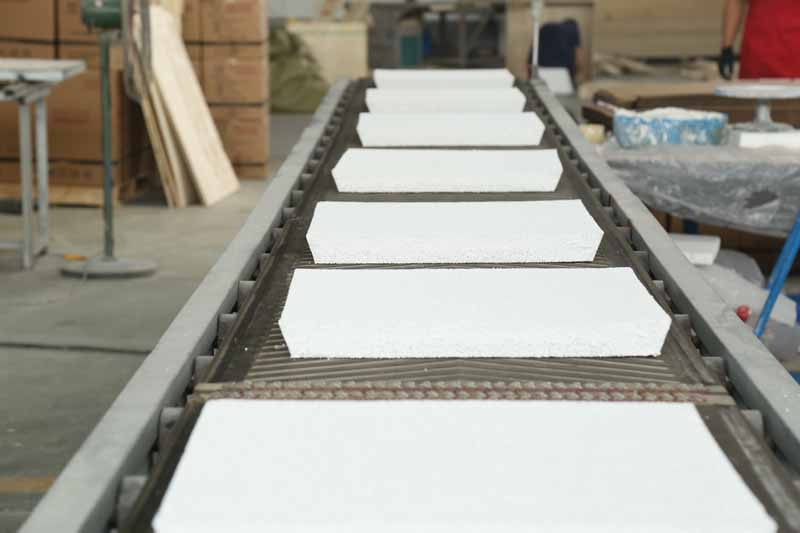 Filtros de espuma cerámica para la fundición de aluminio
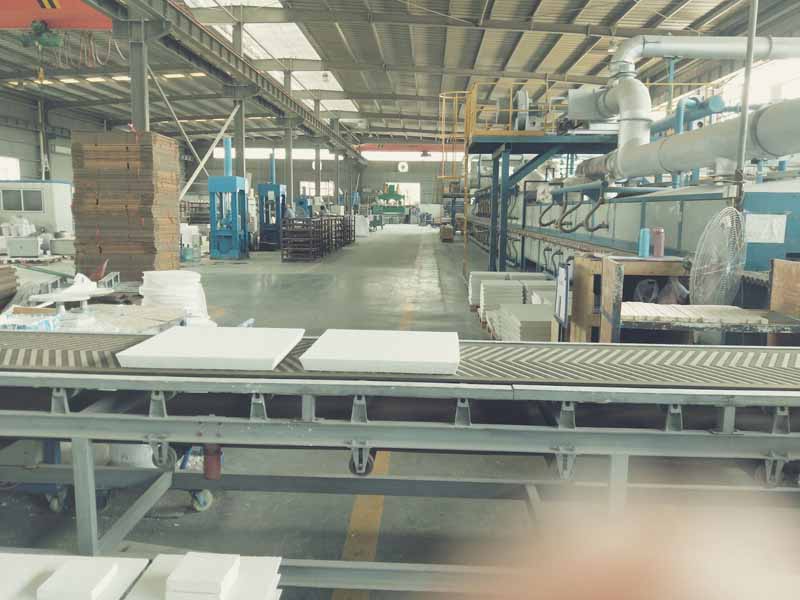 Filtro de espuma cerámica de alta calidad
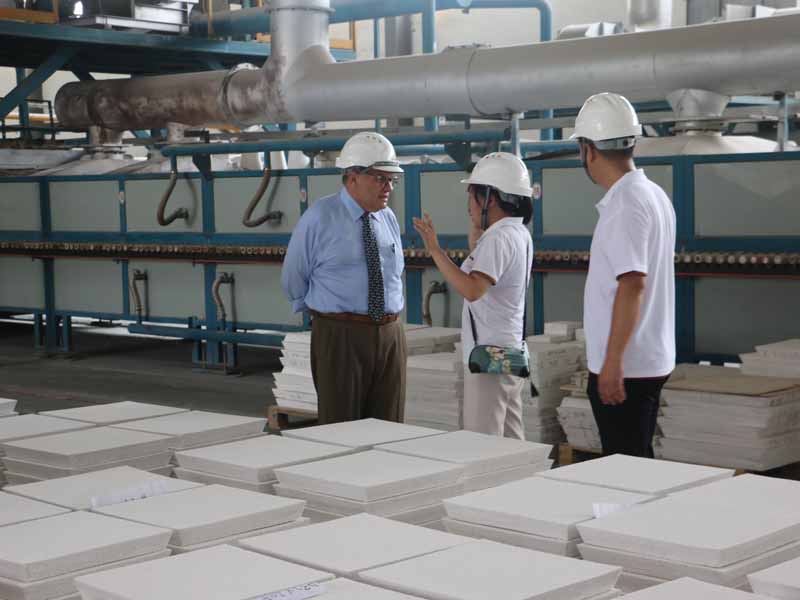 Filtro cerámico de espuma de alúmina
 Filtro de espuma cerámica de Singapur
 Introducción al filtro de espuma cerámica de alúmina
 Filtro de espuma reticulada de alúmina para fundición de aluminio
 Filtro de espuma metálica para fundición de aluminio
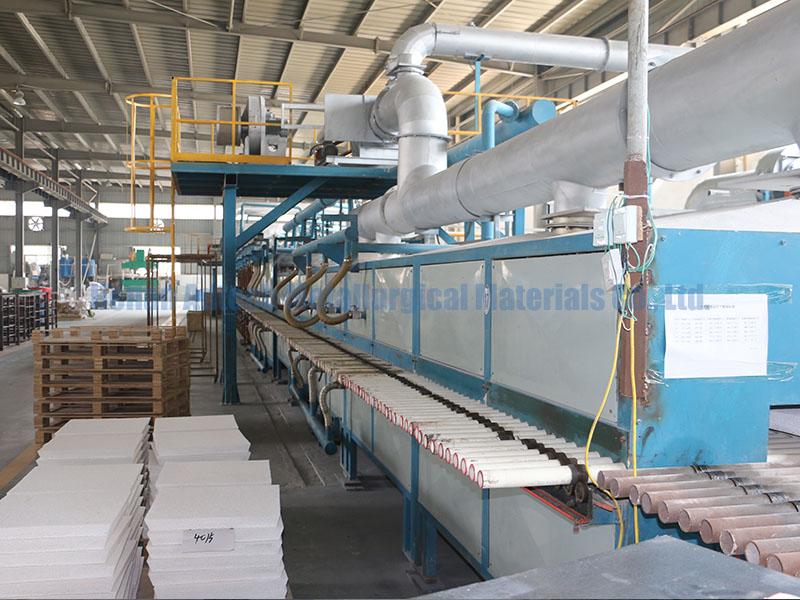 Proceso de fabricación de filtros de espuma cerámica
 Filtro cerámico de aluminio de Filipinas
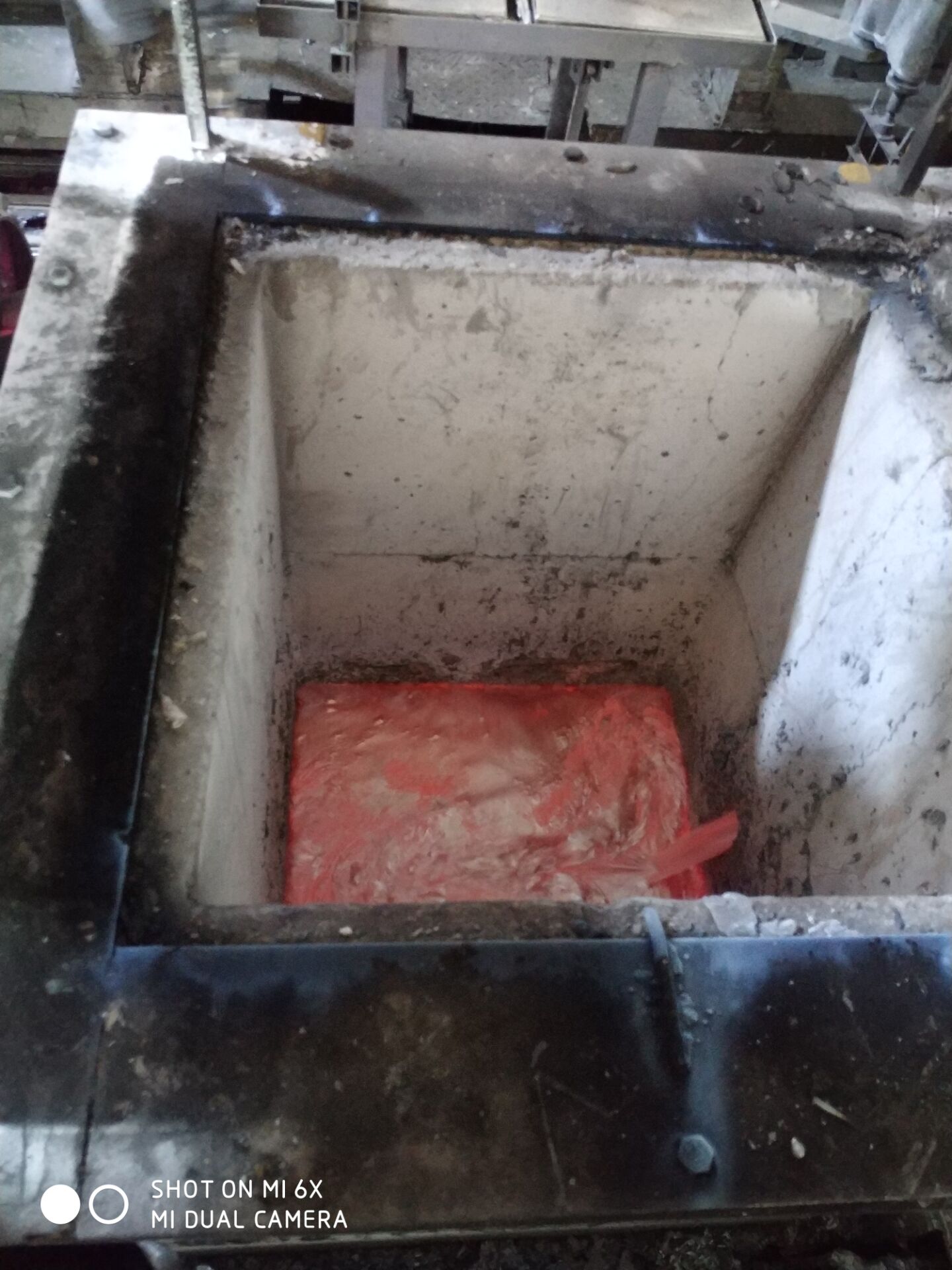 Filtro de espuma cerámica de aluminio de Argentina
 Fundición de aluminio mediante el filtro de fundición de aluminio CFF con laterales de manta de fibra
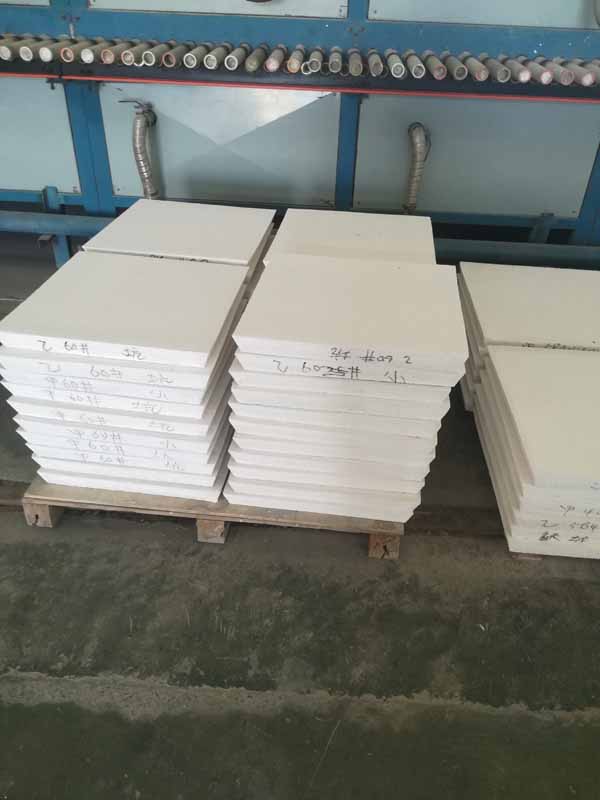 Filtro de espuma cerámica de alúmina para fundición de aluminio
 Fundición de aluminio mediante un filtro de espuma cerámica de alúmina
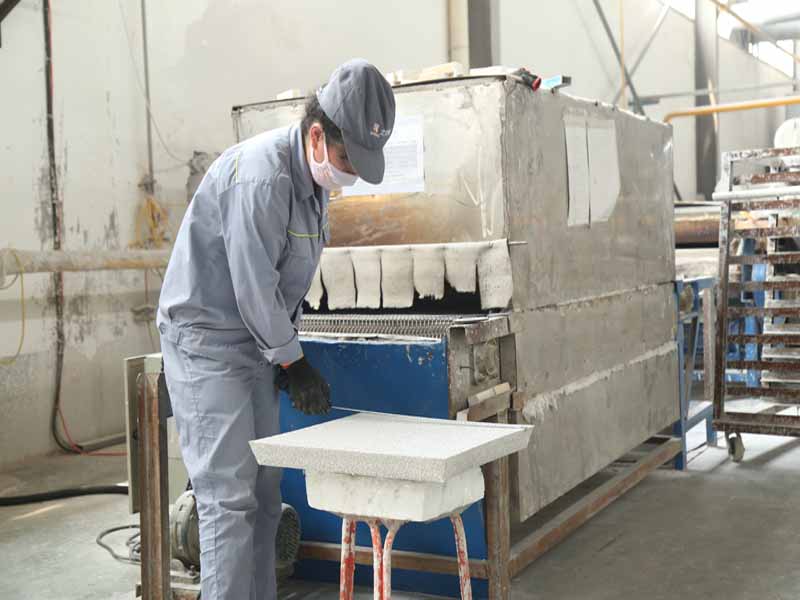 Filtro de espuma cerámica CFF-A para fundición de aluminio
Sorry, the comment form is closed at this time.