
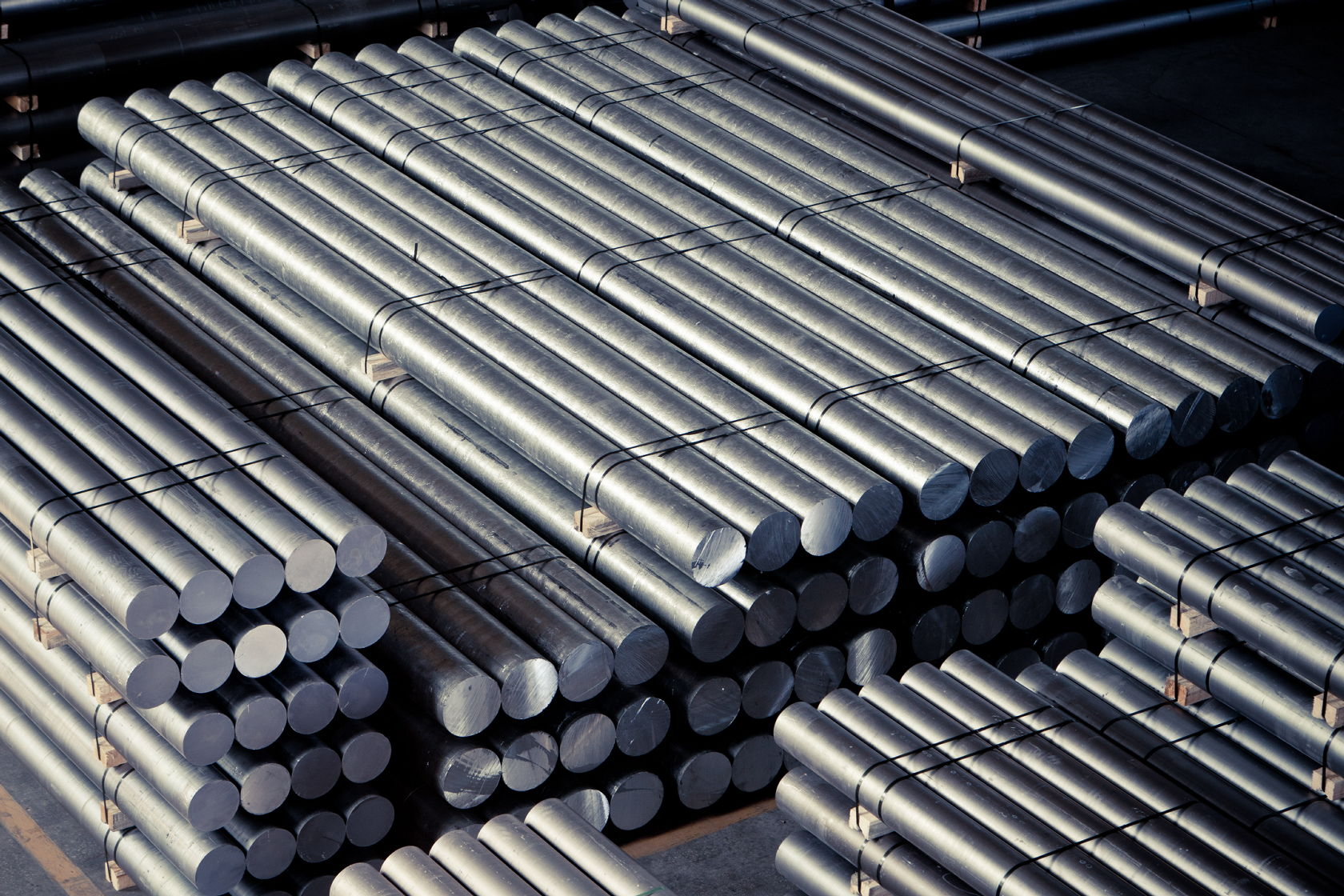
29 Mart Seramik Köpük Filtre, Alüminyum, Surinam
Seramik Köpük Filtre, Alüminyum, Surinam
Suriname Aluminum Co., LLC, boksit ve alümina madenciliği ve arıtımı faaliyetlerinde bulunmaktadır. Şirket 19161 yılında kurulmuştur ve merkezi Surinam’dadır. Suriname Aluminum Co., LLC, Alcoa Corporation’ın bir iştiraki olarak faaliyet göstermektedir.
Amerika Birleşik Devletleri’ndeki tüm bira ve alkolsüz içecek tenekelerinin yüzde doksan beşi alüminyumdan yapılmıştır.
Amerikalı teneke kutu üreticileri, yılda yaklaşık 100 milyar adet alüminyum içecek tenekesi üretiyor; bu, her Amerikalı için günde bir tenekeye denk geliyor.
Neredeyse tüm gıda tenekeleri çelikten yapılsa da, alüminyumun kendine özgü özellikleri onu gazlı içeceklerin saklanması için ideal hale getirir.
Tipik bir alüminyum kutu yarım onsun altında bir ağırlığa sahiptir; ancak ince cidarı, bira ve alkolsüz içeceklerdeki karbondioksitin uyguladığı inç kare başına 90 poundun üzerindeki basınca dayanmaktadır.
Alüminyumun parlak yüzeyi, onu dekoratif baskı için çekici bir zemin haline getirir; bu da rekabetçi bir pazarda tüketicilerin dikkatini çekmesi gereken bir ürün için önemlidir.
Alüminyum, ilk olarak 1782 yılında bir element olarak tanımlandı ve bu metal, Fransa’da büyük bir itibar gördü; 1850’lerde bu ülkede mücevher ve yemek gereçleri yapımında altın ve gümüşten bile daha popüler hale gelmişti.
Napolyon III, bu hafif metalin askeri alandaki olası kullanım olanaklarından büyük ölçüde etkilenmişti ve alüminyumun elde edilmesine yönelik ilk deneylere finansal destek sağladı. Bu metal doğada bol miktarda bulunmasına rağmen, verimli bir elde etme süreci uzun yıllar boyunca bulunamadı.
19. yüzyıl boyunca alüminyumun fiyatı son derece yüksek kaldı ve bu nedenle ticari açıdan pek bir kullanımı olmadı.
19. yüzyılın sonlarında yaşanan teknolojik atılımlar, nihayet alüminyumun ucuz bir şekilde eritilmesini mümkün kıldı ve bu metalin fiyatı önemli ölçüde düştü. Bu durum, alüminyumun endüstriyel kullanım alanlarının gelişmesine zemin hazırladı.
Alüminyum, İkinci Dünya Savaşı sonrasına kadar içecek kutularında kullanılmıyordu. Savaş sırasında ABD hükümeti, denizaşırı bölgelerdeki askerlerine çelik kutularda büyük miktarlarda bira sevk etmişti.
Savaşın ardından bira çoğunlukla yine şişelerde satılmaya başlandı, ancak eve dönen askerler teneke kutulara karşı nostaljik bir sevgi beslemeye devam ettiler.
Üreticiler, şişelerin üretimi daha ucuz olmasına rağmen, bir kısmını çelik kutularda satmaya devam ettiler. Adolph Coors Company, 1958 yılında ilk alüminyum bira kutusunu üretti. İki parçalı bu kutu, normalde 12 ons (340 g) olan kapasitenin yerine sadece 7 ons (198 g) alabiliyordu ve üretim sürecinde bazı sorunlar yaşanıyordu. Yine de alüminyum kutu, Coors'u ve diğer metal ve alüminyum şirketlerini daha iyi kutular geliştirmeye teşvik edecek kadar popüler oldu.
Surinam’daki Seramik Köpük Filtre Alüminyumunun performansı üzerine kapsamlı bir çalışma yürütüldü.
Bu çalışmanın bir bölümünde, Al-Ti-B sistemine dayalı bir tane incelticinin eklenmesinin etkisi değerlendirilmiştir.
Sonuç olarak, gelen metalin temizlik derecesi iyi olduğu takdirde, tane incelticinin filtrenin performansı üzerindeki etkisinin asgari düzeyde olduğu sonucuna vardılar.
Bununla birlikte, metalden kaynaklanan yapay olarak yüksek bir katkı yüklemesi varsa (bu durum, metalin fırında kasıtlı olarak kuvvetli bir şekilde karıştırılmasıyla elde edilir), tane incelticinin eklenmesi filtreleme verimliliğinde bir düşüşe yol açar.
Böyle bir durumda, filtreden gelen inklüzyon seviyelerine kıyasla orantısız bir miktarda inklüzyon salınımı meydana gelmiştir.
Filtreden çıkan parçacıkların, fırın metalinin tane incelticiden gelen parçacıklarla etkileşime girmesi sonucu oluşan inklüzyon türlerinin aglomeratları olduğunu varsaydılar.
Kullanılmış malzemelerin metalografik değerlendirmesi Seramik Köpük Filtre Bu durum, Seramik Köpük Filtre Alüminyum Surinam hücre birleşim yerleri boyunca uzanan inklüzyon köprülerinin, tane inceltici kullanılmadığında görüldüğünü, ancak tane inceltici kullanıldığında ortaya çıkmadığını göstermektedir.
Tahıl inceltici ilavesinin varlığında seramik köpük filtrenin süzme mekanizmasının değiştiği öne sürülmüştür.
Dökümün başlangıcından itibaren bir tane incelticinin bulunması, filtre yapısı içinde köprülerin oluşmasını engelliyor gibi görünüyor.
Döküm işleminin ortasında bir tahıl inceltici eklenmesi, daha önce oluşmuş tüm köprülerin bozulmasına yol açar.
Bu etkilerin, metal kalıntı seviyesinin yapay olarak yüksek tutulduğu koşullarda gözlemlendiğinin açıkça belirtilmesi gerekir. Normal koşullar altında, çalışma sonucunda tane incelticilerin filtre performansı üzerinde asgari düzeyde bir etkiye sahip olduğu sonucuna varılmıştır.
İlgili yazılar:
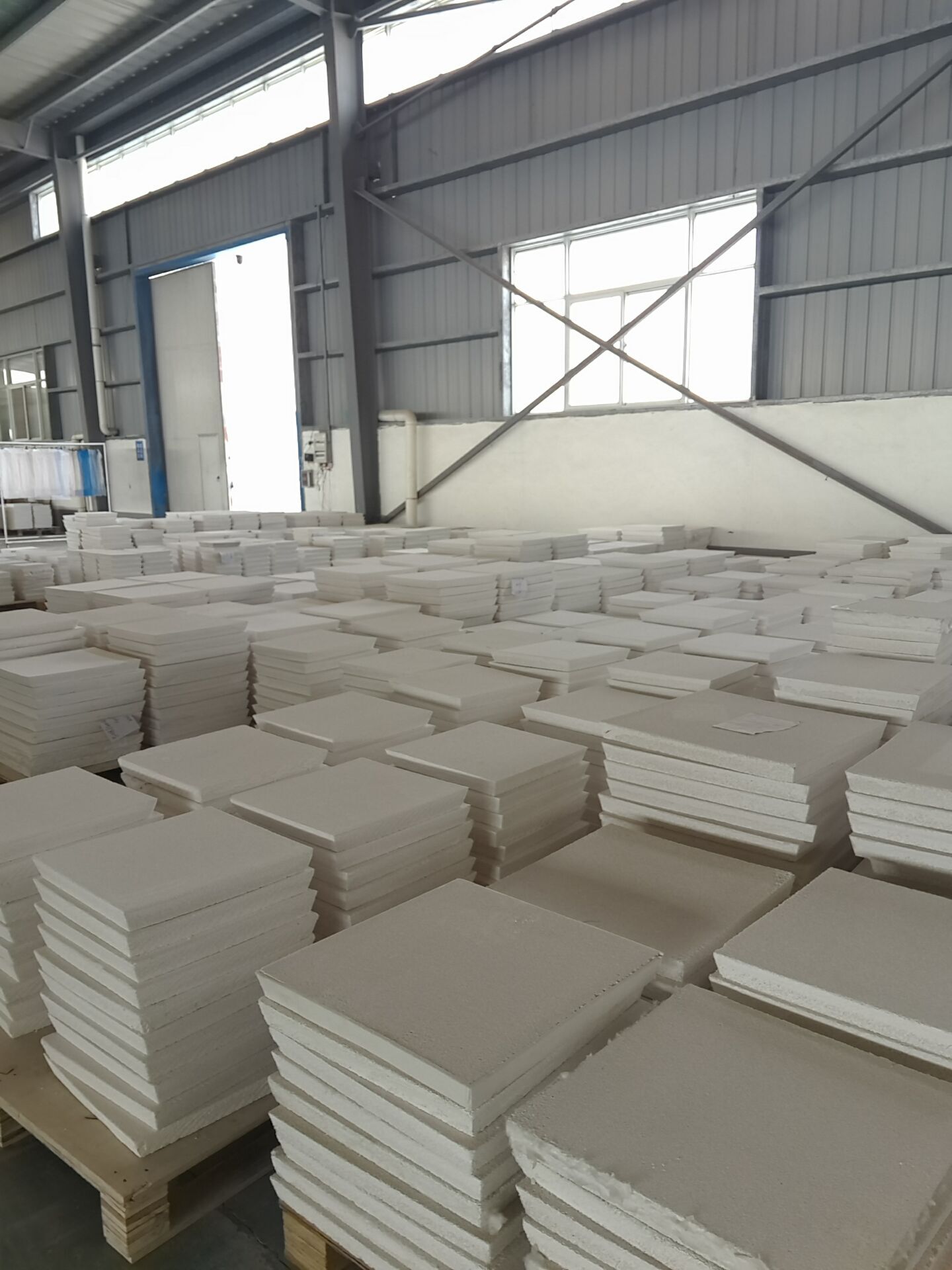 Seramik Köpük Filtre Alüminyum Endonezya
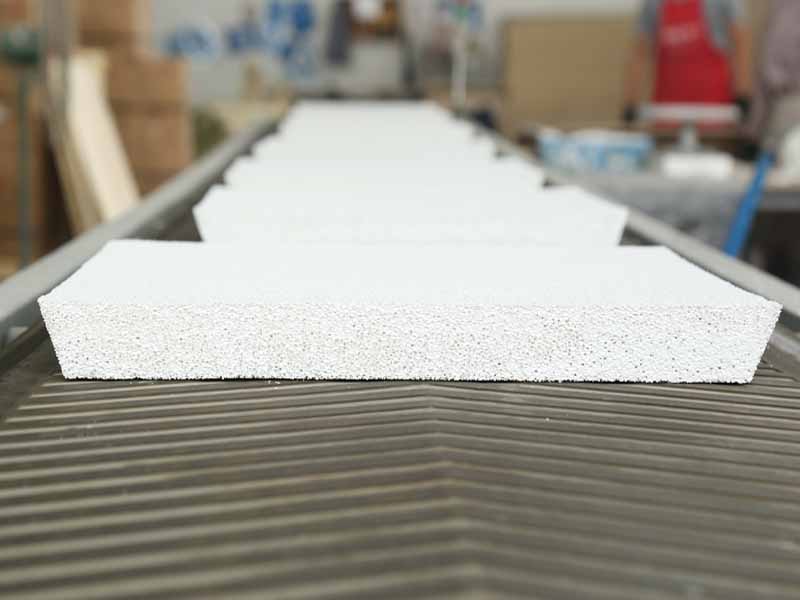 Seramik Köpük Filtre Cff
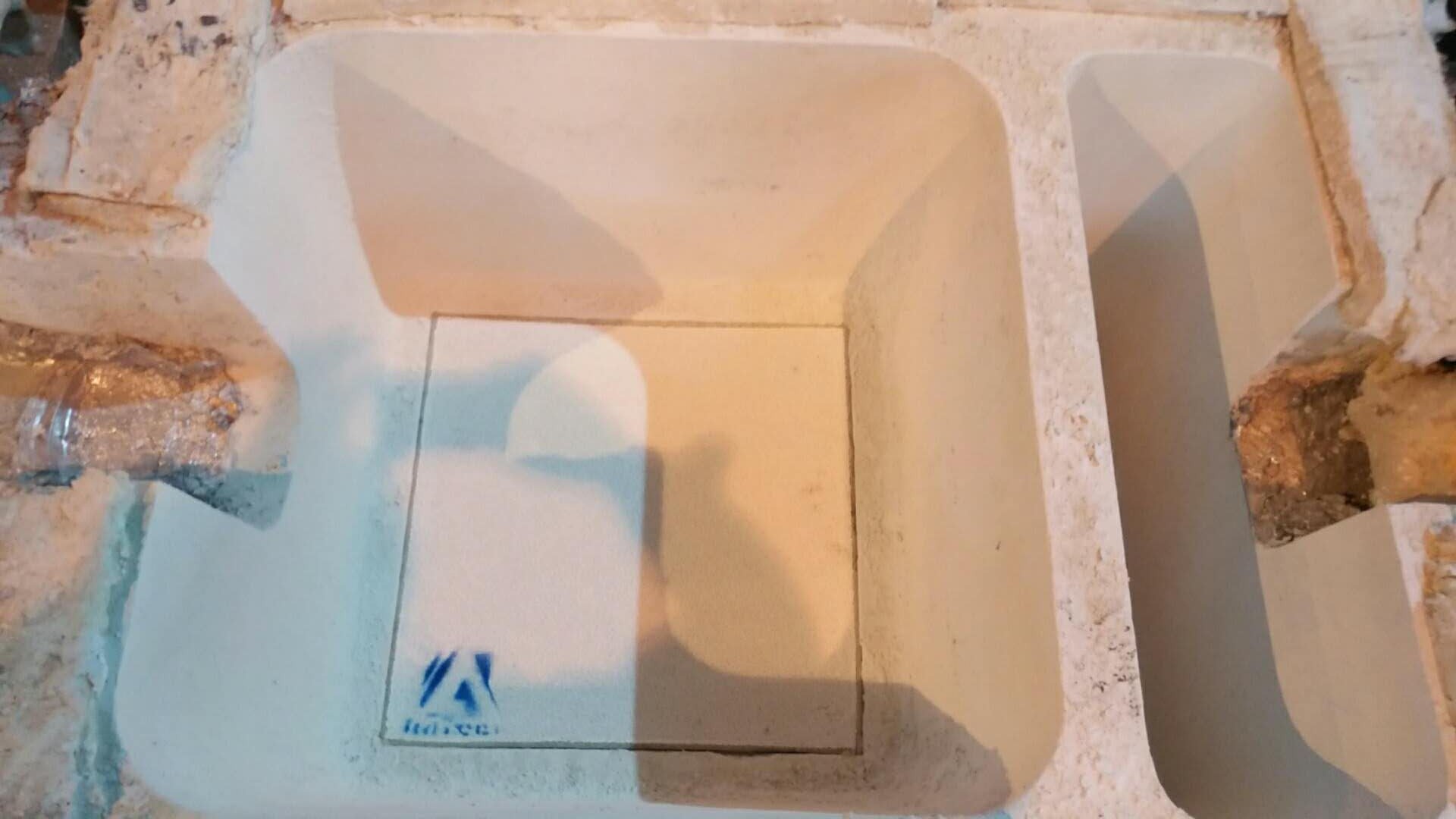 Singapur Seramik Köpük Filtre
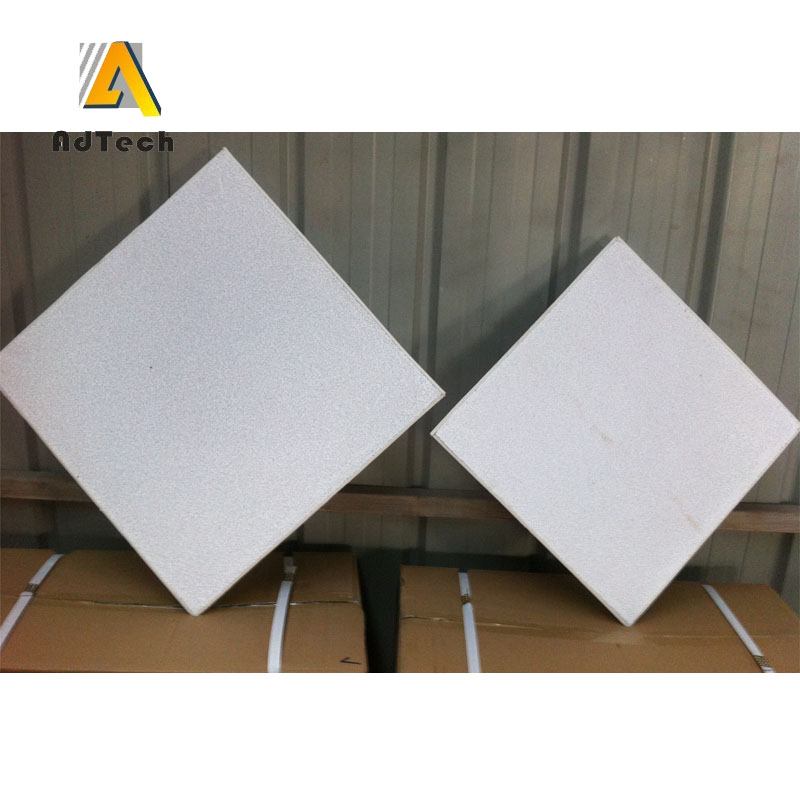 Seramik Köpük Filtreler
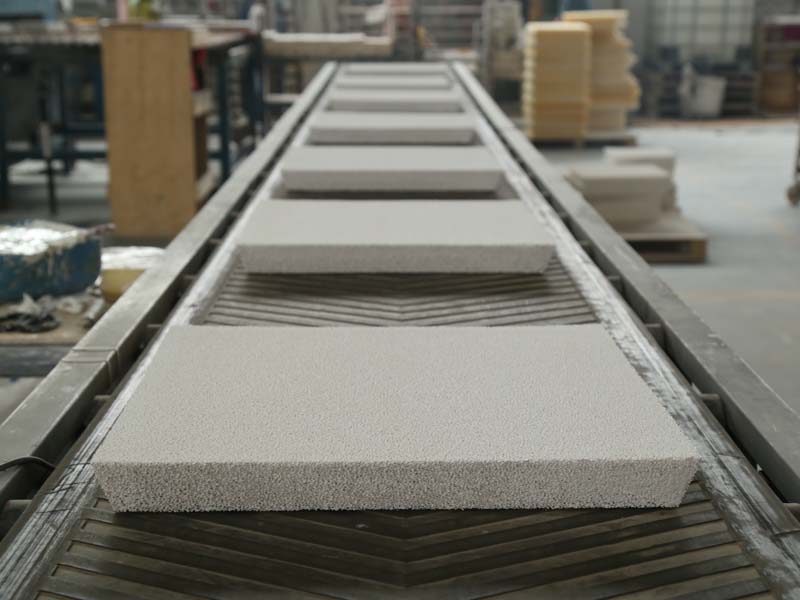 Dökümhane İçin Seramik Filtre
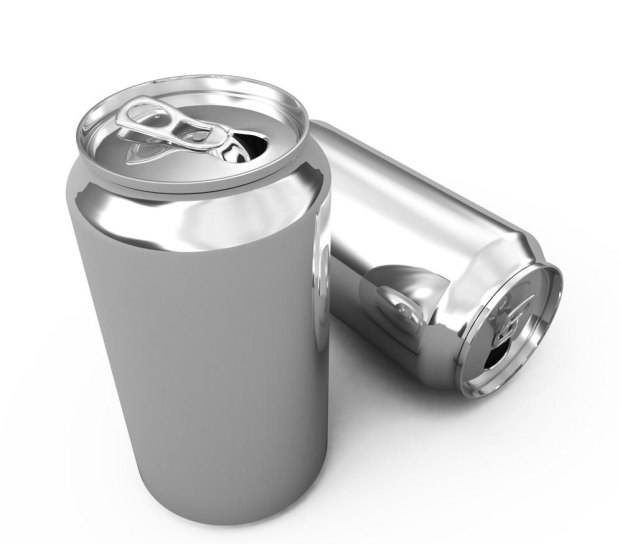 Alüminyum İçecek Kutusu
 Erimiş Alüminyum Gaz Giderici
 Alümina Seramik Köpük Filtreye Giriş
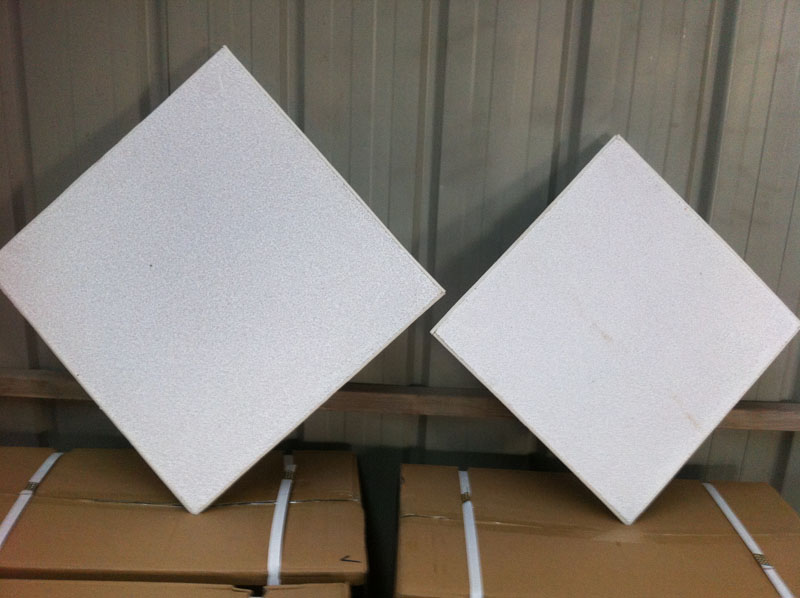 Döküm endüstrisi için seramik köpük filtre
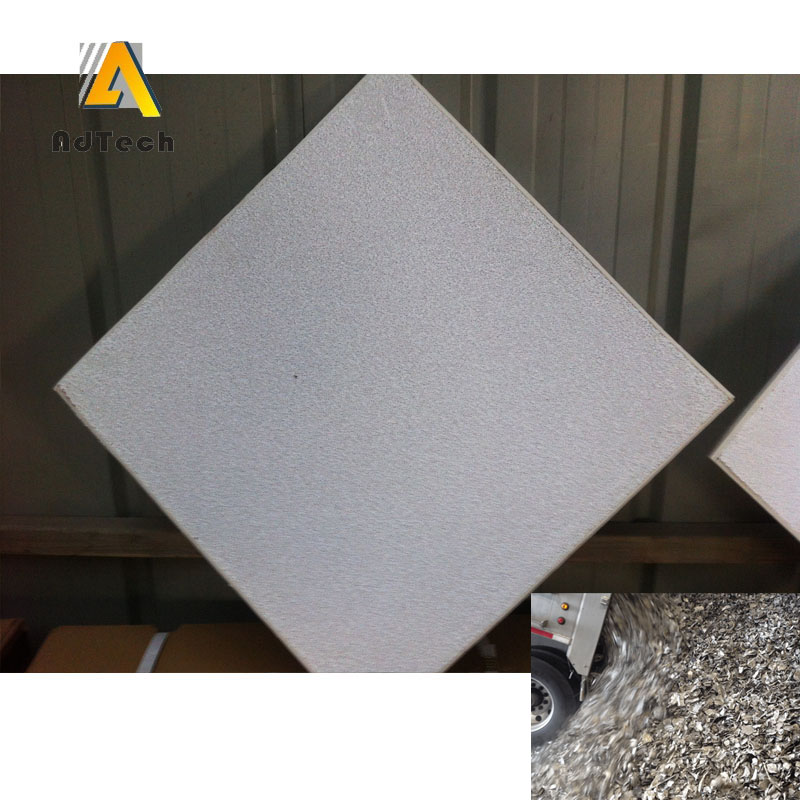 Alüminyum döküm için alümina seramik köpük filtre
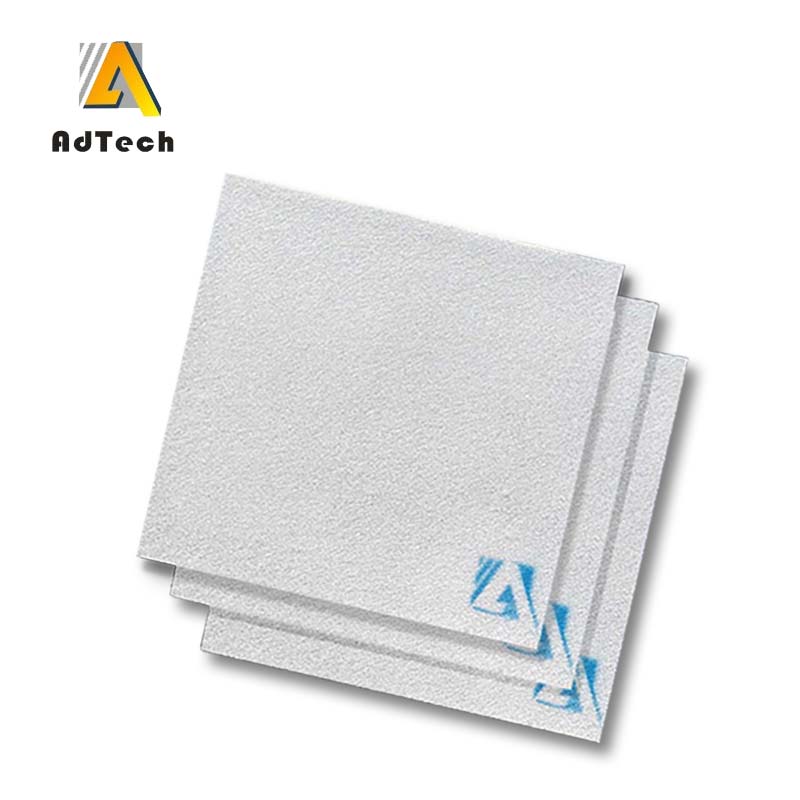 Gözenekli Alümina Seramik Köpük Filtre
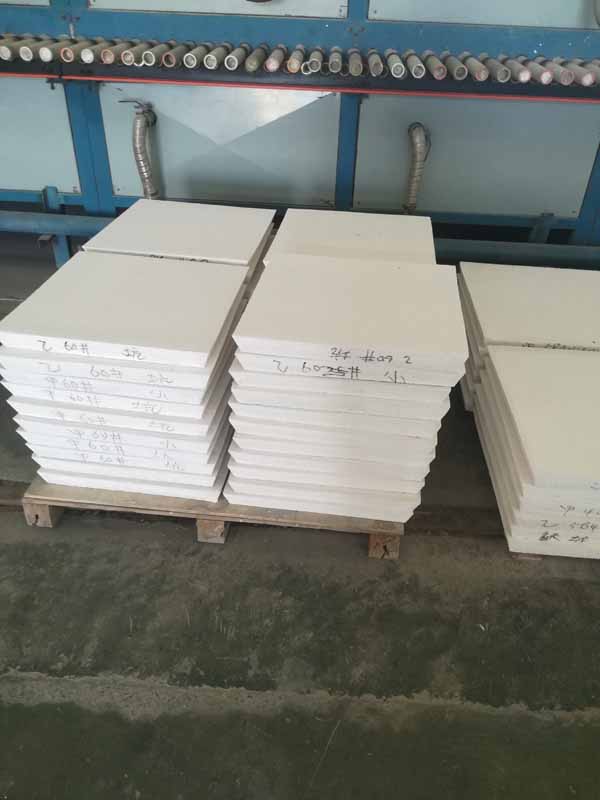 Alüminyum Döküm Alümina Seramik Köpük Filtre
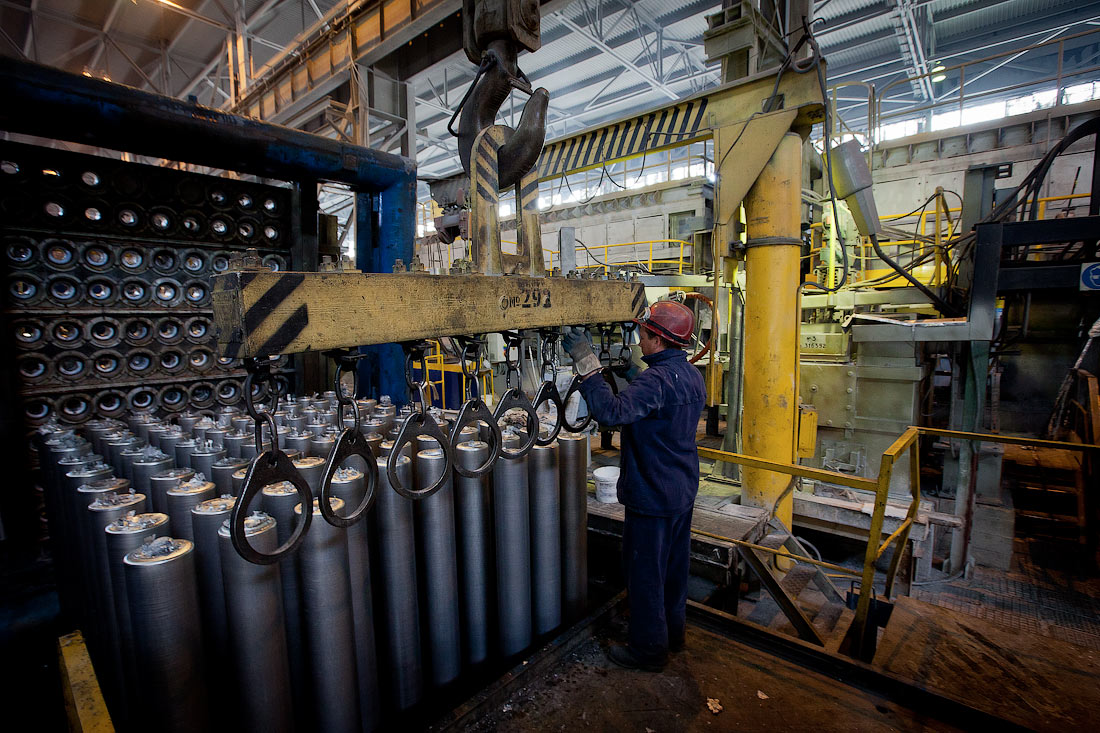 Seramik Köpük Filtre, Alüminyum, Panama
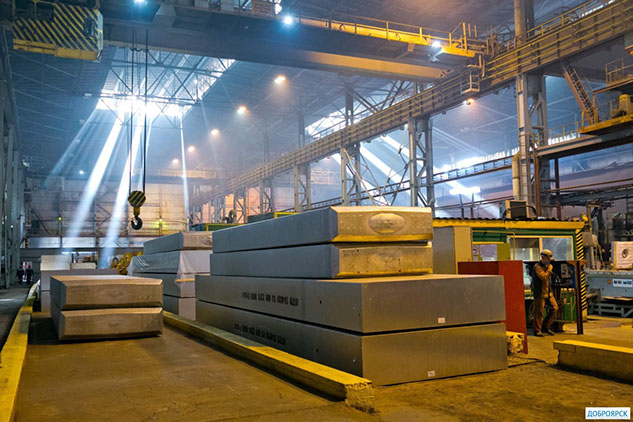 Seramik Köpük Filtre, Alüminyum, Columbia
No Comments