
12 октября High-End Ceramic Foam Filters for Aluminum Casting: European-Standard and Phosphorus-Free Products
High-end ceramic foam filters for aluminum casting are selected according to material composition, pore structure, dimensional accuracy, operating conditions, and the cleanliness requirements of the finished product. AdTech commissioned its third high-temperature firing production line on September 21, 2026, with a primary focus on European-standard and phosphorus-free ceramic filter plates. The investment strengthens the manufacturing base supporting these specialized products and reflects the company’s continued focus on aluminum melt filtration.
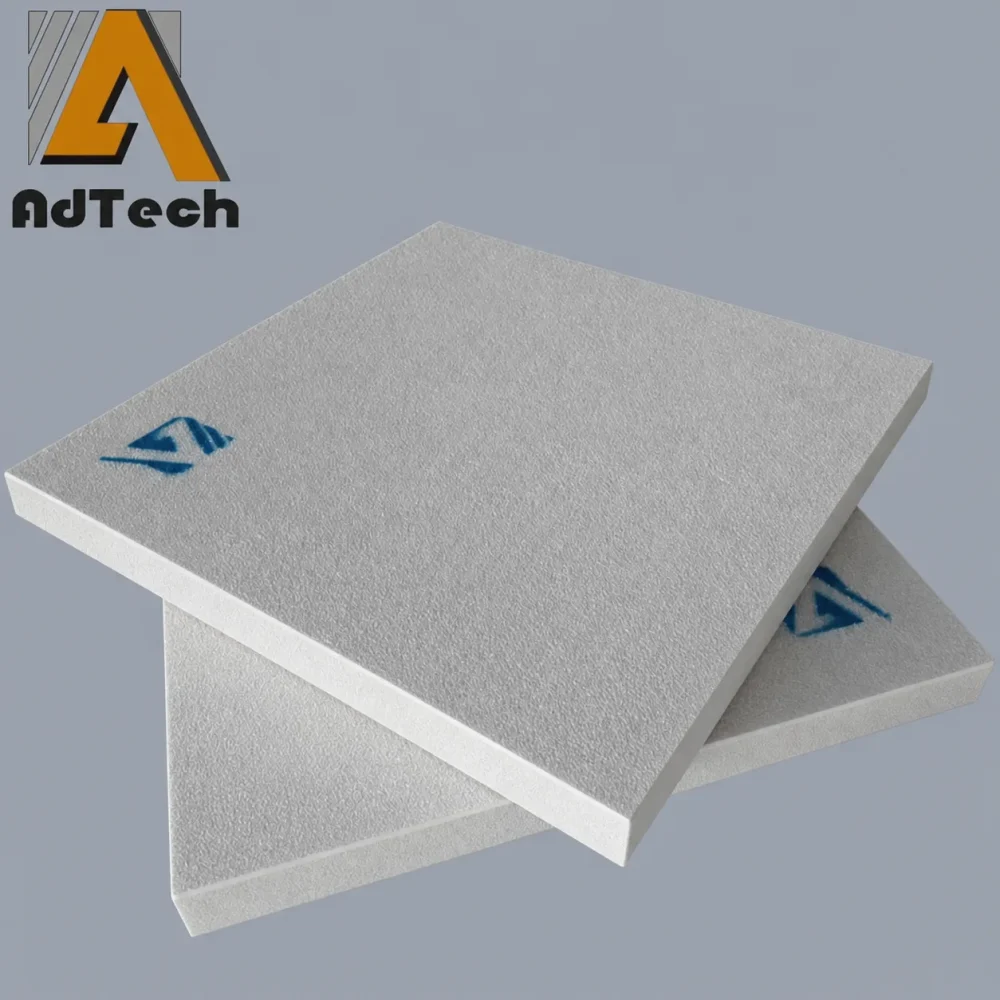
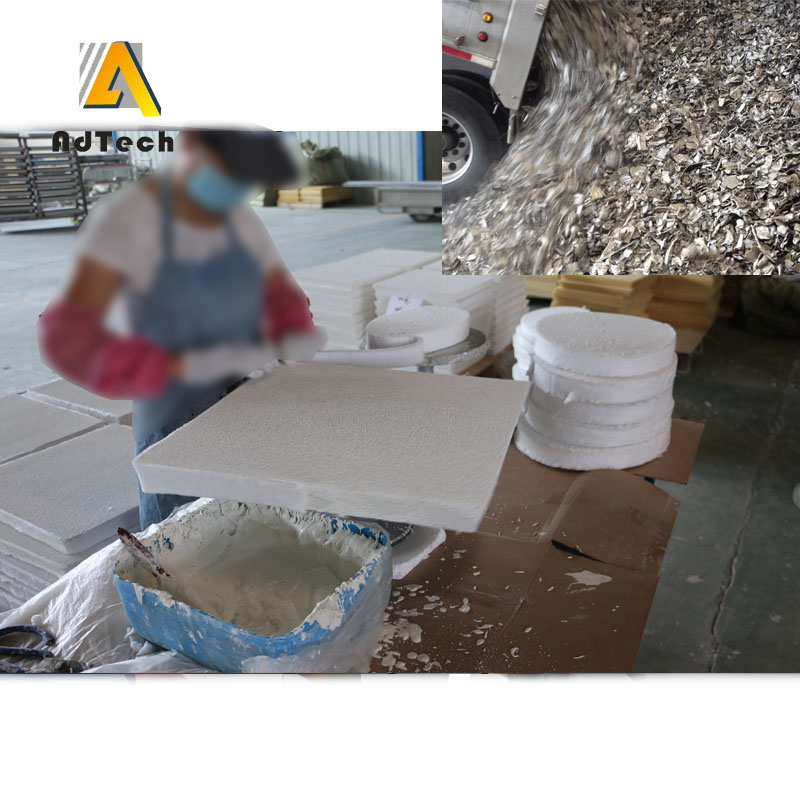
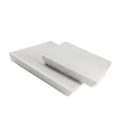
керамический пенопластовый фильтр
What Should Buyers Look for in a High-End Ceramic Foam Filter?
A ceramic foam filter is not defined by PPI alone. Although pore density influences the filter’s structure and flow behavior, material composition, manufacturing consistency, dimensions, and compatibility with the filtration equipment also affect its suitability for a casting application.
For aluminum producers, the objective is to select a filter that meets the process requirements consistently. A specification appropriate for one casting line may not automatically be suitable for another because metal throughput, required cleanliness, filter box design, and operating conditions can differ.
When evaluating high-end ceramic filter plates, purchasing teams should consider four areas:
| Evaluation factor | What should be checked | Почему это важно |
|---|---|---|
| Material specification | Ceramic composition and any required restrictions on specific elements | Confirms suitability for the customer’s material requirements |
| Pore structure | Specified PPI and consistency with the intended application | Influences flow behavior and filtration characteristics |
| Dimensional quality | Length, width, thickness, and agreed tolerances | Ensures compatibility with the filter box |
| Product integrity | Physical condition and agreed inspection criteria | Helps prevent unsuitable or damaged filters from entering production |
These factors should be assessed together. A filter that meets a chemical specification but does not fit the filter box correctly can still cause operational problems. Likewise, a suitable PPI rating cannot compensate for inconsistent dimensions or poor installation.
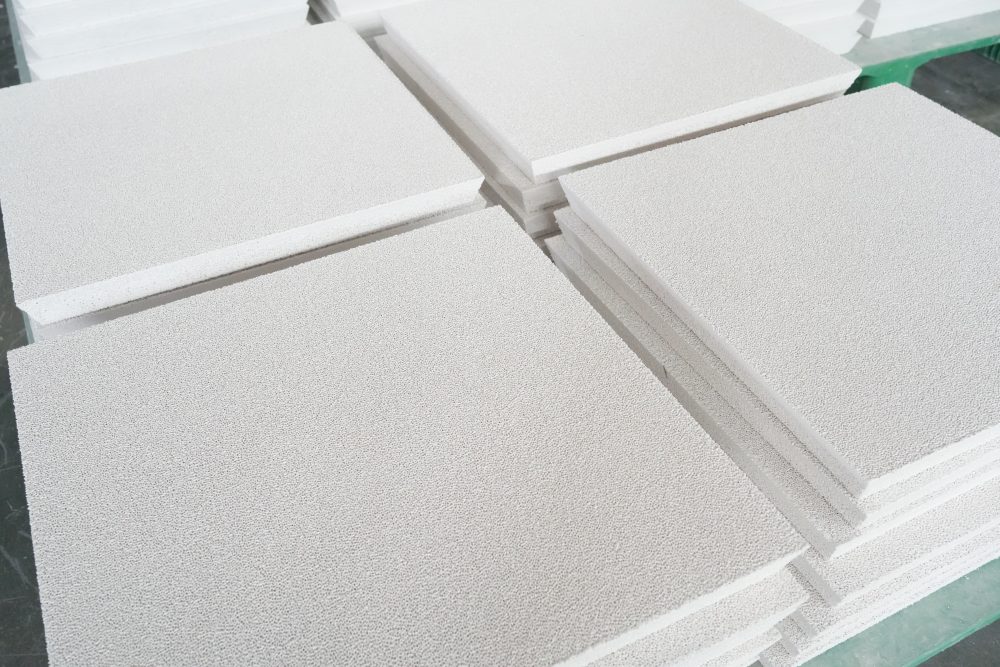
керамический пенопластовый фильтр
What Are European-Standard Ceramic Filter Plates?
European-standard ceramic filter plates are products specified to meet the relevant requirements of a customer or application. However, the term European-standard should be clarified during procurement: buyers should identify the exact technical specification or applicable standard rather than assume the label automatically indicates formal certification.
AdTech’s newly commissioned production line is intended primarily for European-standard and phosphorus-free ceramic filter plate manufacturing. This provides a stronger manufacturing base for customers sourcing filters under these product categories.
When purchasing a ceramic filter plate described as European-standard, it is useful to establish the following before approving an order:
| Пункт спецификации | Information to confirm |
|---|---|
| Applicable standard | Exact standard number or customer specification, where applicable |
| Material composition | Required ceramic material and any restricted elements |
| Product dimensions | Nominal size, thickness, and dimensional tolerances |
| Pore density | Required PPI grade |
| Inspection requirements | Visual, dimensional, and other agreed quality checks |
| Documentation | Product specification and supporting records available from the supplier |
A clearly defined specification makes supplier comparisons more meaningful. It also helps ensure that repeat orders are placed against the same requirements rather than relying on a product name alone.
What Is a Phosphorus-Free Ceramic Foam Filter?
A phosphorus-free ceramic foam filter is manufactured to meet a specified requirement for phosphorus-free composition. For buyers whose purchasing specifications restrict phosphorus, the important question is whether the supplied product meets the agreed material requirement and how that requirement is verified.
The phrase phosphorus-free should be interpreted according to the relevant specification and verification method. If a customer requires phosphorus below a defined analytical limit, that limit and the applicable testing method should be agreed upon rather than relying only on a product label.
This is particularly important for industrial procurement, where raw-material declarations, supplier specifications, and incoming quality checks may form part of the customer’s approval process.
| Procurement question | Recommended clarification |
|---|---|
| What does phosphorus-free mean for this order? | Establish the exact material requirement and any applicable threshold |
| How is composition verified? | Confirm available material declarations or analytical documentation |
| Does the requirement apply to every batch? | Agree on the scope of inspection and documentation |
| Are other material restrictions involved? | Record any additional chemical or customer-specific requirements |
| Does the product need customer approval? | Confirm sample evaluation or qualification procedures before mass ordering |
AdTech’s third high-temperature firing line will primarily support European-standard and phosphorus-free ceramic filter plate production. Buyers should confirm the detailed composition requirements and available supporting documentation directly against their purchasing specifications.
How Does High-Temperature Firing Fit into Ceramic Filter Manufacturing?
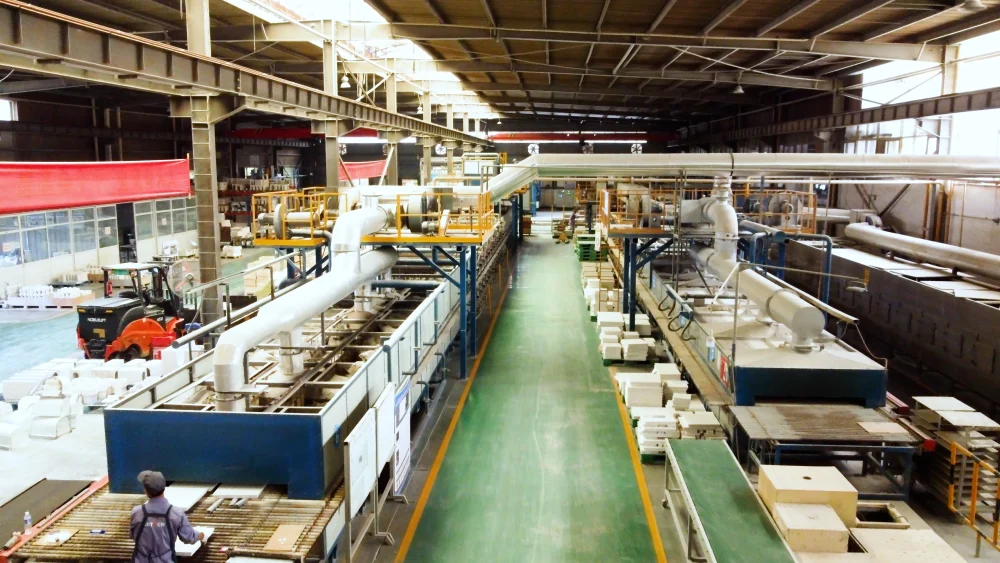
AdTech Expands Ceramic Foam Filter Production Capacity
High-temperature firing is a critical stage in manufacturing ceramic filter products. The firing process helps develop the ceramic body’s final structure and properties. Product performance, however, depends on the manufacturing process as a whole, including raw materials, forming, drying, firing, inspection, and handling.
AdTech completed commissioning of its third high-temperature firing production line, together with supporting automation equipment, on September 21, 2026. The new line has been introduced to support its higher-end ceramic filter plate products.
The investment expands the company’s manufacturing infrastructure. It should not, on its own, be interpreted as evidence of a particular filtration efficiency, firing temperature, or product-life improvement; such claims require supporting technical data.
For customers evaluating a ceramic foam filter manufacturer, the practical questions concern how the supplier controls the finished product against the agreed specification.
| Manufacturing stage | Quality considerations |
|---|---|
| Raw-material preparation | Conformity with the intended material formulation |
| Forming | Consistency of product shape and pore structure |
| Сушка | Appropriate moisture removal before subsequent processing |
| High-temperature firing | Controlled processing according to the product specification |
| Finished-product inspection | Dimensions, visual condition, and agreed acceptance criteria |
| Packaging and handling | Protection against damage before installation |
The exact controls and inspection methods vary by manufacturer and product. Buyers should request the documentation relevant to their application rather than assume that every supplier uses identical procedures.
How Can Ceramic Filter Quality Affect Aluminum Casting?
Ceramic foam filters are used to remove non-metallic inclusions from molten aluminum before casting. Their interconnected pore structure allows the metal to pass through while retaining inclusions through a combination of physical and interfacial mechanisms.
Filter suitability depends on more than material quality in isolation. Pore density, filtration area, metal flow, filter installation, and the condition of the incoming melt all influence operating performance.
For example, selecting a finer filter without checking the available filtration area and process flow requirements can create unnecessary restrictions. Incorrect seating can allow molten aluminum to bypass the filter, undermining filtration even when the filter itself meets its specification.
Buyers should therefore evaluate the filter as part of the melt-treatment system.
| Casting requirement | Filter-related consideration |
|---|---|
| Controlled inclusion levels | Select a filter specification appropriate to the required cleanliness |
| Stable metal flow | Check PPI, filtration area, and operating conditions together |
| Reliable installation | Confirm dimensions, support, and sealing arrangements |
| Repeatable production | Maintain consistent specifications across orders |
| Special material requirements | Verify composition against customer-defined criteria |
A ceramic foam filter also has a different function from a degassing unit. Filtration primarily removes solid inclusions, whereas degassing primarily reduces dissolved hydrogen. These treatments may be used together when both inclusion cleanliness and hydrogen control are required.
How Should Buyers Compare Ceramic Foam Filter Manufacturers?
A manufacturer’s suitability should be judged by its ability to meet the required specification consistently, not solely by the range of products listed in its catalogue.
The commissioning of additional production equipment can support manufacturing capacity and scheduling flexibility. However, buyers still need to assess product conformity, technical communication, and the supplier’s ability to provide the specific documentation required by the purchasing process.
Before selecting a supplier, compare the following:
- Specification control: Can the manufacturer clearly define the material, dimensions, PPI, and tolerances?
- Product options: Can it supply the required European-standard or phosphorus-free filter specification?
- Manufacturing capability: Does the proposed product fall within its actual production range?
- Quality documentation: Are relevant product specifications and agreed inspection records available?
- Order consistency: Can repeat orders be controlled against the approved specification?
- Production planning: Can the supplier confirm a realistic delivery schedule for the required quantity?
AdTech’s third production line expands its manufacturing infrastructure for high-end ceramic filter plates. Actual order lead times remain dependent on product specifications, quantities, production scheduling, and logistics.
AdTech’s Continued Development of Ceramic Filtration Products
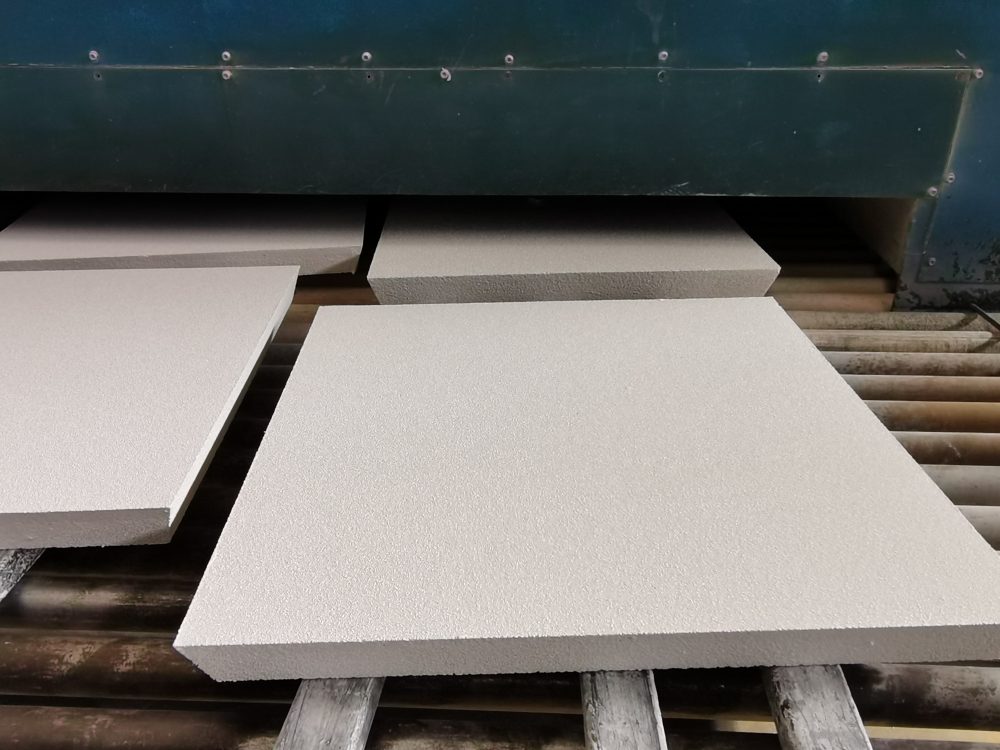
керамический пенопластовый фильтр
Founded in 2012, AdTech focuses on high-temperature filtration and purification materials and related equipment for aluminum alloy casting. Its product portfolio includes ceramic foam filters, online degassing equipment, filter boxes, aluminum launder systems, hot-top casting accessories, casting tip plates, and fluxes.
The commissioning of the third high-temperature firing line represents a further step in developing its ceramic filter plate manufacturing capabilities. The line is intended primarily for European-standard and phosphorus-free products, while supporting the company’s broader efforts to strengthen production and quality management.
For customers sourcing ceramic foam filters for aluminum casting, the final selection should be based on the intended application, material requirements, PPI, dimensions, and compatibility with the existing filtration equipment.
A well-defined product specification provides a practical basis for evaluating suppliers and maintaining consistency between orders. AdTech will continue to develop its aluminum melt filtration and purification products to serve the technical and supply requirements of aluminum producers in domestic and international markets.
Часто задаваемые вопросы
1. What are high-end ceramic foam filters used for?
High-end ceramic foam filters remove non-metallic inclusions from molten aluminum before casting, helping improve melt cleanliness for demanding applications.
2. What is a European-standard ceramic filter plate?
It is a ceramic filter plate specified for European-standard or customer-defined requirements. Buyers should confirm the applicable standard and technical documentation before ordering.
3. What is a phosphorus-free ceramic foam filter?
It is a ceramic filter manufactured to meet specified phosphorus-free material requirements. The exact composition limits and verification methods should be confirmed with the supplier.
4. When did AdTech commission its third high-temperature firing production line?
AdTech completed commissioning and started production on September 21, 2026.
5. Which products will AdTech’s new production line primarily manufacture?
The line will primarily support European-standard and phosphorus-free ceramic filter plate production.
6. How can high-temperature firing affect ceramic filter quality?
Firing helps develop the ceramic body’s final structure and properties. Finished quality also depends on raw materials, forming, process control, inspection, and handling.
7. What should buyers check before purchasing high-end ceramic filter plates?
Confirm material composition, PPI, dimensions, thickness, dimensional tolerances, product integrity, and any application-specific requirements.
8. Does a higher PPI always mean better filtration performance?
No. Higher PPI generally indicates a finer pore structure, but filtration performance also depends on filter design, metal flow, filtration area, and operating conditions.
9. Can ceramic foam filters remove dissolved hydrogen from molten aluminum?
Their primary function is to remove solid non-metallic inclusions. Dissolved hydrogen is primarily controlled through degassing, so both processes may be needed.
10. How can buyers verify the quality of phosphorus-free ceramic filters?
Request the product specification and available material declarations or test documentation. Agree on the required composition limits and inspection criteria before placing an order.
Связанные публикации:
 Высококачественные керамические пенопластовые фильтры
 Керамический пенофильтр PASARGAD обеспечивает высокую чистоту литья алюминиевых сплавов
Типы керамических пенофильтров, применяемых в литейном производстве
 Фильтр из высококачественной керамической пены
 5052 Алюминиево-керамические пенофильтры
 Фильтры для кастинга
 В керамических пенофильтрах в качестве промежуточных материалов используются материалы с высокой пористостью
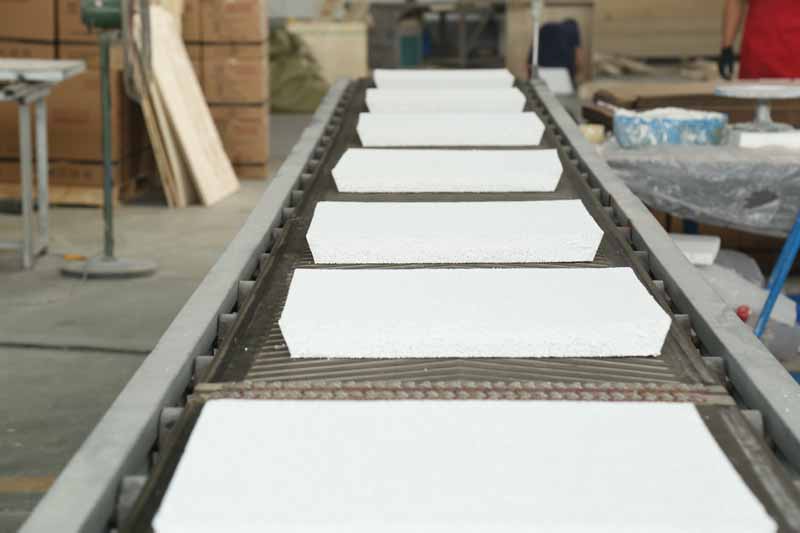 Керамические пенофильтры для литья алюминия
Керамические пенопластовые фильтры, применяемые при литье алюминия
 Керамические пенофильтры из алюминиевого сплава для литья
 Используйте керамические пенопластовые фильтры для литья
 Керамический пенофильтр с высоким содержанием алюминия
 Керамические пенофильтры из оксида алюминия
 Alcan Products Corporation — Информация о керамических фильтрующих пластинах
No Comments