
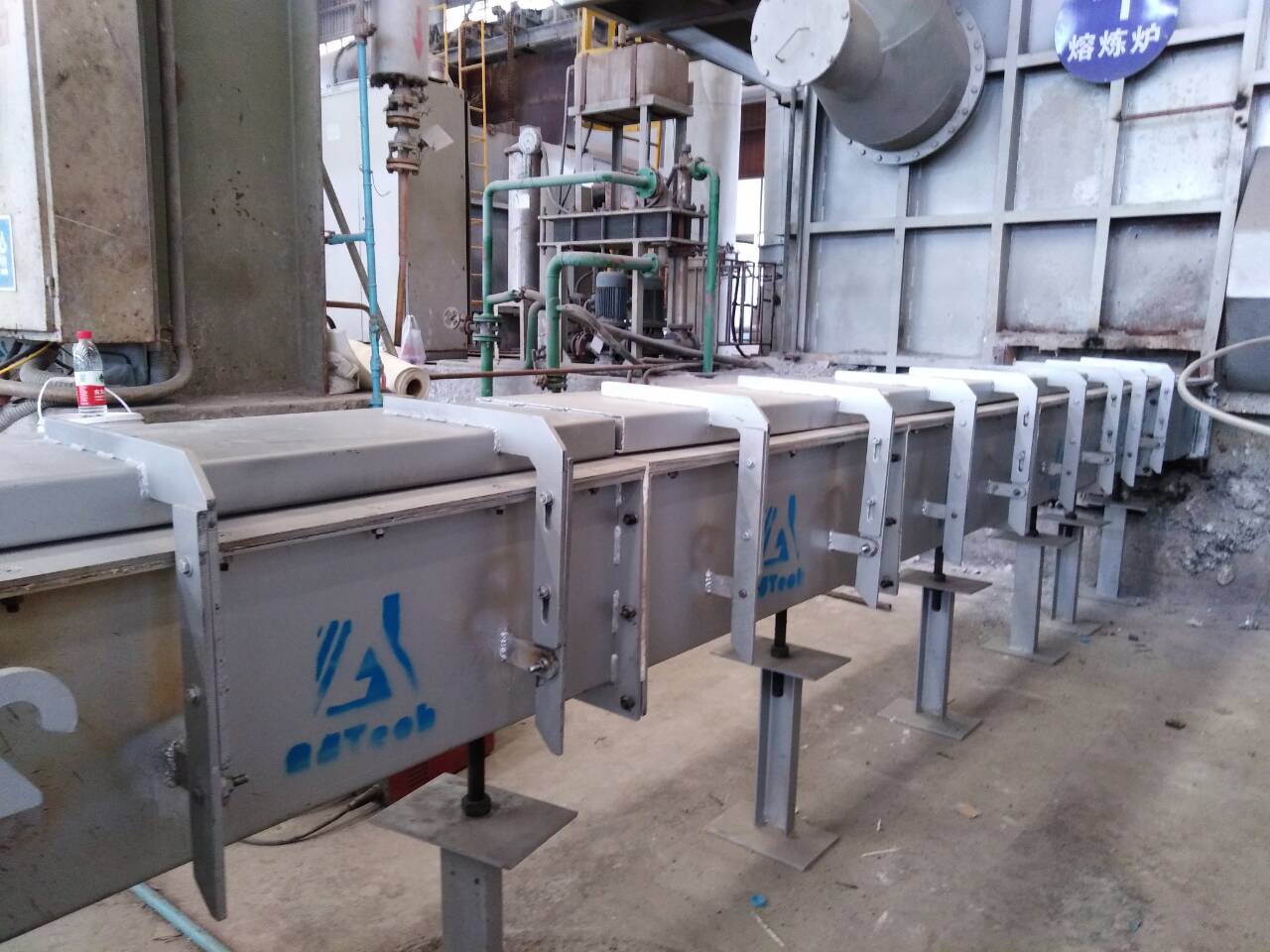
18 Sep Launder System For Aluminium Casting
Launder System For Aluminium Casting
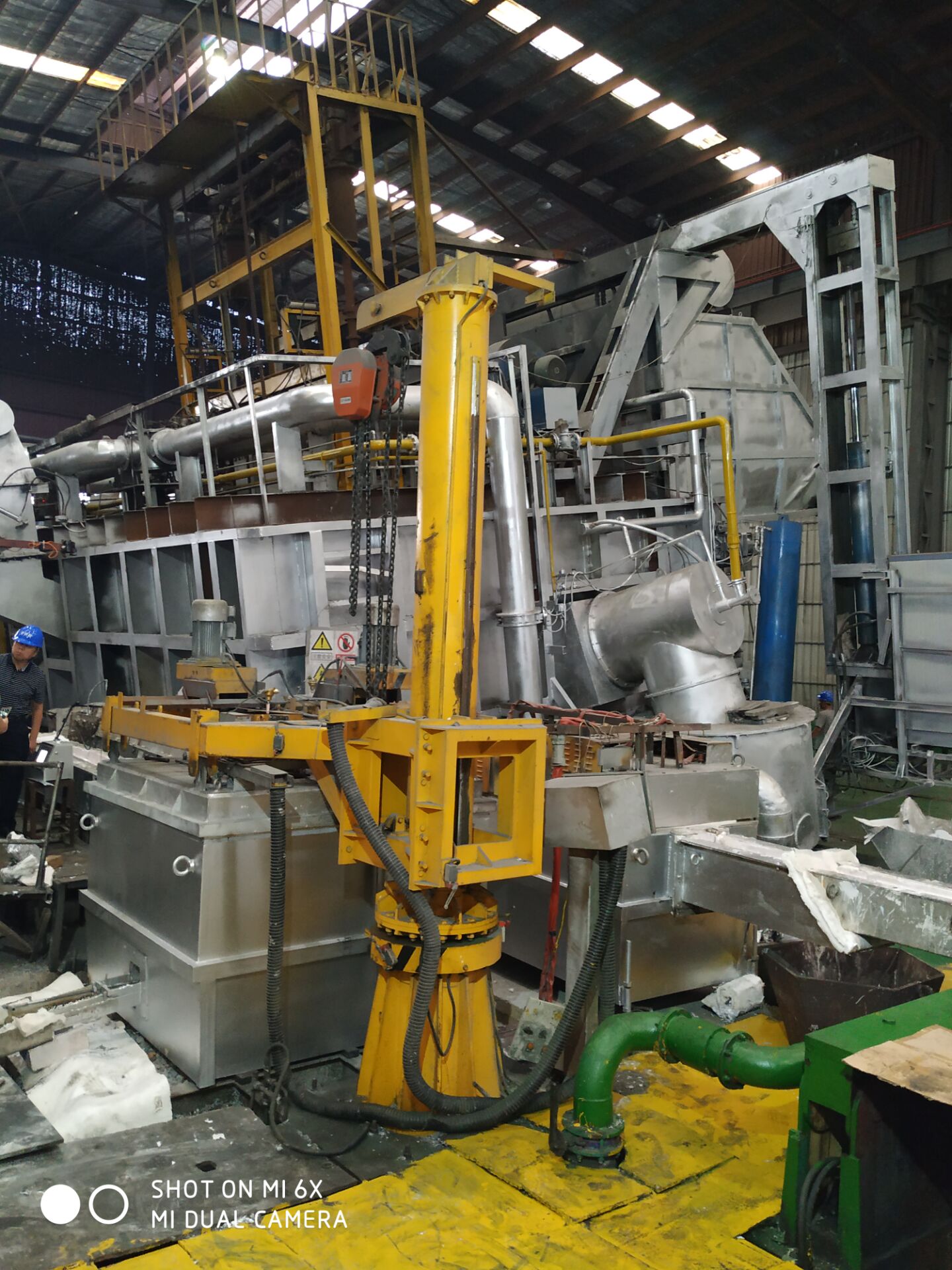
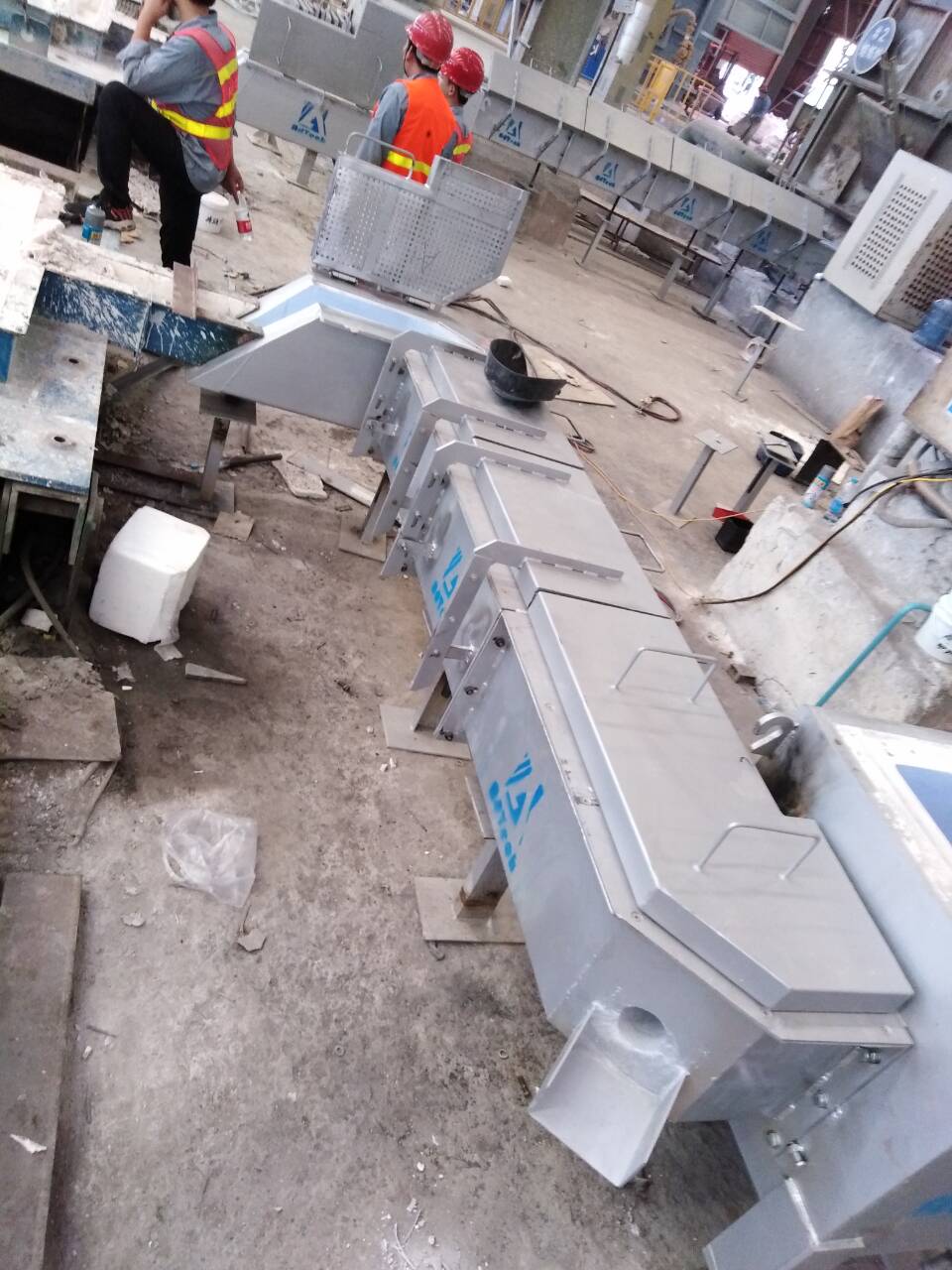
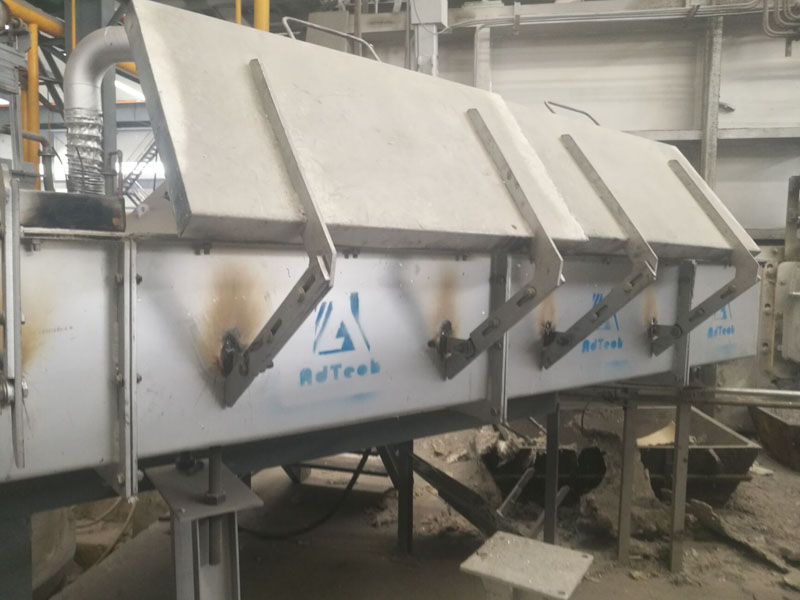
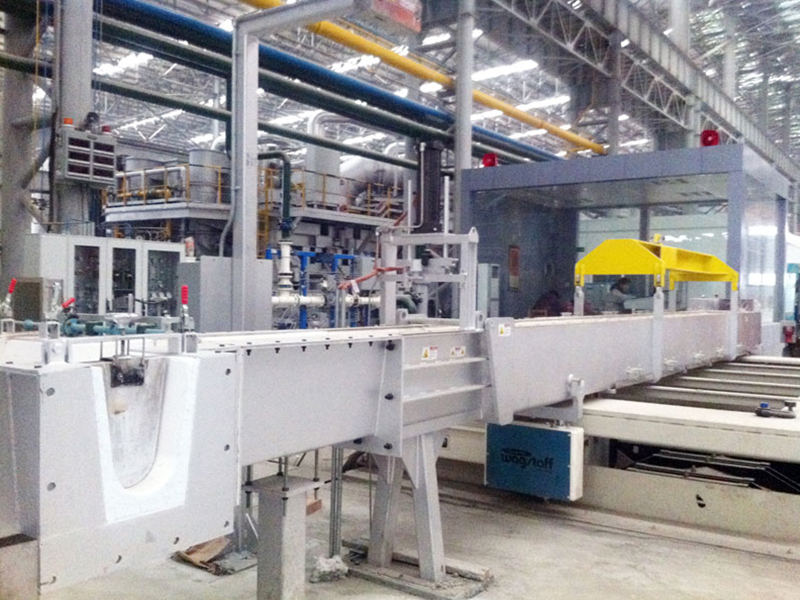
AdTech manufactures a wide range of launder segments, ranging from small segments for continuous casting, to segments for billet and rolling ingot casting, through to large segments for transfer launders. The choice of the launder cross section is made on the basis of the casting speed of the system to ensure an optimal combination of the turbulence-free flow of metal in the launder and minimised heat loss.
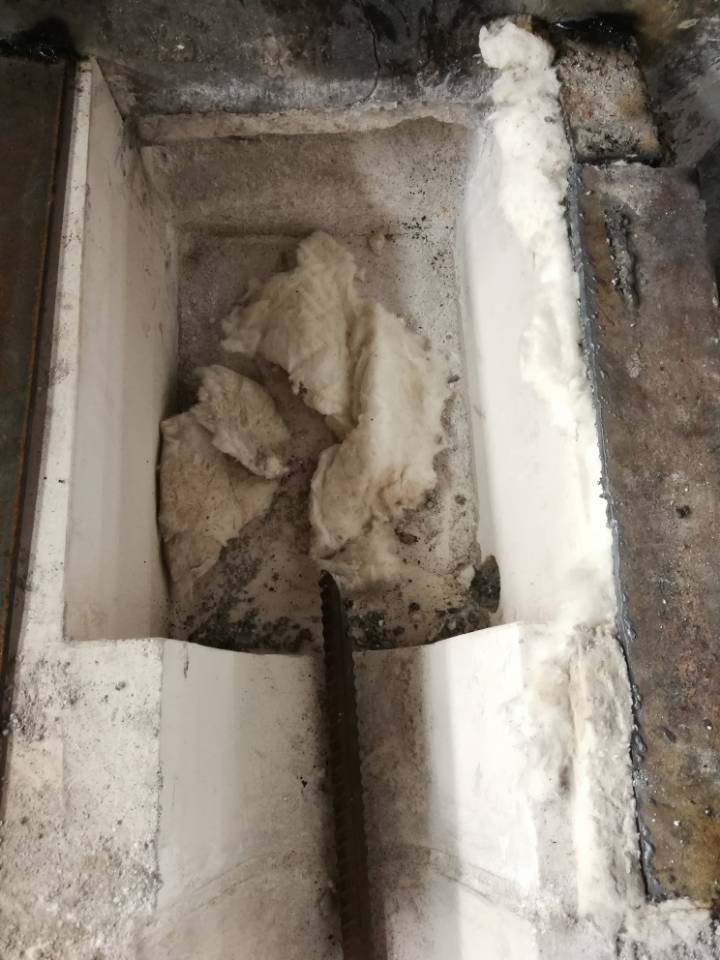
Launder System For Aluminium Casting is distinguished by their excellent erosion resistance, excellent thermal shock resistance and non-wettability. This means that outstanding endurance can be achieved, combined with minimised maintenance costs and excellent economic efficiency – given the appropriate care and maintenance.
The proven AdTech Fused Silica is generally used for casting launders. For transfer launders, we also use SiC-based materials.
Launder systems are an essential part of any casthouse. Well designed launders contribute to a smooth and efficient casthouse operation where fast transfers between furnaces are of key importance. Clean, low-turbulence casting launders play a significant role in producing high quality products.
AdTech has outstanding experience in designing and installing launder systems. This expertise is supported by the company’s own proprietary software program for the design of open and closed launder systems, the use of the most advanced launder lining materials, and launder (pre-) heating technologies ranging from gas firing for transfer launders to electric heating for casting launders.
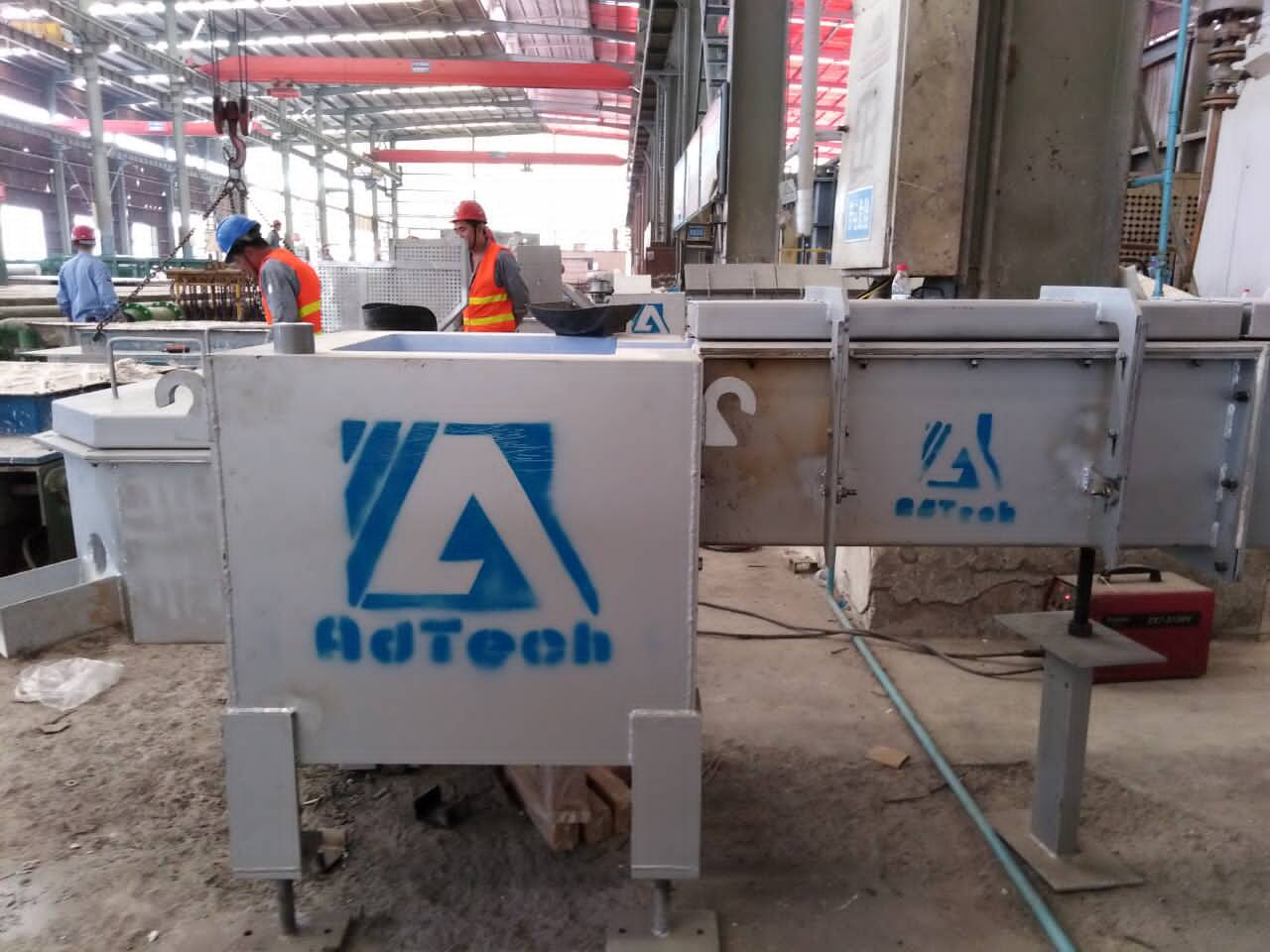
Launder System For Aluminium Casting is sized and rated to meet the required transfer and/or casting capacities. Features and accessories may include laser launder level control systems for (semi) automatic melt transfer and automatic casting operations, high-level metal probes for anti-spill safety, launder thermocouples for fine-tuning the molten metal temperature during casting, etc.
AdTech has designed and installed many interconnecting launder systems. Not only have we supplied launder systems to suit our own equipment, we have also undertaken projects to install our launder systems on existing plant equipment.
AdTech takes a flexible approach on launder system design as we recognise each of our clients needs are different. Mechatherm will take into account our clients plant layout and shop levels along with any other interfering parameters before producing an optimum design. AdTech can also offer customised access platforms for good operator access.
Also read: Heat Resistant Ceramic Launder For Aluminum Foundry.
What Is A Launder System In Aluminium Casting?
A launder is essentially a trough, or a connected series of troughs, lined with refractory material that transports liquid aluminium by gravity flow from one point to another, typically from the melting or holding furnace to the casting station, degassing unit, or filtration box. Unlike a pipe, a launder is open-channel, which means the metal surface is exposed to air during transit. That single fact drives almost every design decision that follows, because exposed molten aluminium oxidizes rapidly and picks up hydrogen if not managed properly.
We’ve walked into plants where operators referred to the launder simply as “the trough” or “the runner,” and while those terms aren’t wrong, the engineering community and most equipment suppliers use “launder system” to describe the complete assembly, meaning the channel body, the refractory lining, the support structure, the covers, and sometimes integrated components like filters or degassing units.
Where Launders Sit In The Casting Process Flow
Molten metal typically moves through this sequence: melting furnace → holding furnace → launder → filtration box → launder → mould or DC casting table. Some plants insert a degasser or grain refiner injection point along the launder path too. The launder, therefore, isn’t just a passive channel, it’s a functional zone where metal quality can be preserved or destroyed depending on how well the system controls turbulence, temperature drop, and oxide formation.
How Does A Launder System Work During Metal Transfer?
The physics behind a launder system is deceptively simple: gravity does the work, and the launder’s job is to guide the flow without disrupting it. We tell clients to picture the launder as a river channel, not a pipe. The metal surface stays in contact with the atmosphere the entire time it’s moving, so the internal geometry, slope angle, and flow velocity all matter enormously.
A properly engineered launder maintains a steady, non-turbulent flow at roughly 0.3 to 0.6 meters per second in most aluminium applications. Go faster, and you introduce splashing, which folds oxide film into the melt. Go too slow, and you risk premature solidification (often called “freeze-up”) especially near the walls where heat loss is fastest.
Key Functional Requirements Of Any Launder
| Function | Why It Matters | Typical Failure If Ignored |
|---|---|---|
| Thermal insulation | Keeps metal above liquidus temperature throughout transit | Skull formation, blocked flow |
| Smooth flow control | Prevents oxide entrapment and turbulence | Inclusion defects, porosity |
| Chemical inertness | Refractory must not react with aluminium | Contamination, refractory erosion |
| Structural stability | Must hold weight of molten metal without sagging | Leaks, catastrophic metal spills |
| Easy cleaning access | Dross and buildup need periodic removal | Reduced channel capacity over time |
What Are The Main Types Of Launder Systems Used In Foundries?
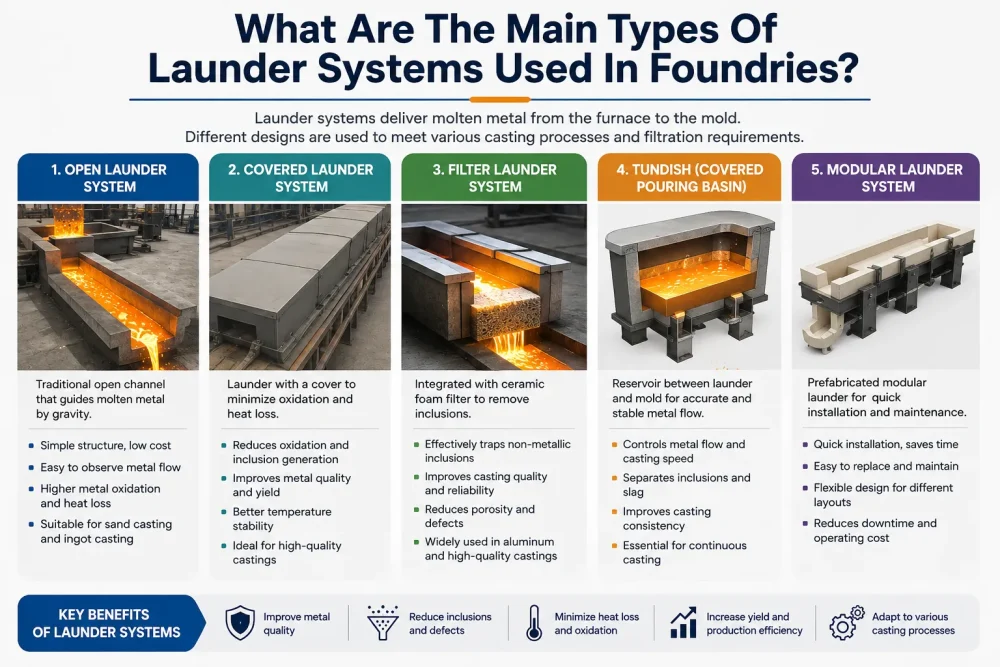
Main types of foundry launder systems for molten metal transfer, including open, covered, filter, tundish and modular launders.
Not every foundry needs the same launder configuration, and we’ve seen plants waste significant budget buying overly complex systems for simple gravity-fed operations, or conversely, underspecifying a launder for a high-volume DC casting line where thermal loss becomes a real bottleneck.
Fixed Refractory Launders
These are built in place, typically cast or rammed using monolithic refractory material directly onto a steel shell. They’re common in older installations or where the transfer distance is short and permanent. The upside is durability and lower per-unit cost over a long service life. The downside is inflexibility, if your production layout changes, you’re demolishing and rebuilding rather than reconfiguring.
Modular Prefabricated Launders
Modular sections, often made from ceramic fiber board or precast refractory blocks, bolt or slot together into a configurable channel run. Most modern aluminium casthouses we’ve consulted for have shifted toward this style because it allows quick reconfiguration, faster replacement of worn sections, and lower downtime during maintenance.
Heated Launders
Some operations, particularly those with longer transfer distances or lower-temperature holding practices, integrate electric or gas heating elements into the launder cover or sidewalls. This prevents the temperature drop that would otherwise force operators to superheat the furnace unnecessarily, which itself wastes energy and accelerates furnace refractory wear.
Filtration-Integrated Launders
These combine a standard launder run with a built-in filter box, usually housing ceramic foam filters, ensuring inclusions are captured before the metal reaches the mould. We consider this configuration close to mandatory for any casthouse producing rolling slab, extrusion billet, or automotive components where inclusion tolerance is tight.
| Launder Type | Best Suited For | Relative Cost | Flexibility |
|---|---|---|---|
| Fixed refractory | High-volume, permanent lines | Low (long term) | Low |
| Modular prefabricated | Multi-product, changing layouts | Medium | High |
| Heated launder | Long transfer runs, low superheat practices | High | Medium |
| Filtration-integrated | Quality-critical products (auto, aerospace) | High | Medium |
What Materials Are Used To Construct A Launder System?
The refractory lining is where most of the engineering decisions concentrate, and honestly, this is the part buyers get wrong most often because they focus on the steel shell or the overall shape rather than what actually touches the molten aluminium.
Common Refractory Lining Materials
Ceramic fiber board has become the dominant choice across the industry we work in, mainly because of its low thermal mass, meaning it heats up quickly and doesn’t rob the melt of temperature the way denser castables do. It’s also lightweight, which reduces the structural load on the support steelwork.
Calcium silicate board is used in lower-cost applications or as a backup insulation layer behind a working lining, though on its own it doesn’t hold up well to direct aluminium contact over extended campaigns.
Castable refractory (low cement or ultra-low cement) remains common in fixed launders where the trough is rammed or poured in place. It offers excellent mechanical strength but has higher thermal mass, meaning slower heat-up and greater heat loss from the melt during startup.
Non-wetting coatings (typically boron nitride based) are applied over the base refractory lining in almost every serious application now. Aluminium has a nasty habit of wetting and sticking to standard refractory surfaces, which causes buildup, reduces effective channel cross-section, and eventually forces a shutdown for cleaning. A quality non-wetting coating extends the interval between relines significantly, we’ve measured differences of 30 to 50% longer service life in properly coated launders versus uncoated ones in comparable duty cycles.
| Material | Thermal Mass | Wear Resistance | Typical Lifespan | Relative Cost |
|---|---|---|---|---|
| Ceramic fiber board | Low | Moderate | 3 to 8 months | Medium |
| Calcium silicate board | Low | Low | 1 to 3 months | Low |
| Low cement castable | High | High | 6 to 18 months | Medium-High |
| Ultra-low cement castable | High | Very high | 12 to 24 months | High |
| BN non-wetting coating (applied layer) | N/A | Extends base material life | Reapplied every 1 to 6 months | Low-Medium |
What Design Factors Determine Launder Performance?
We’ve reviewed launder drawings from at least a dozen different equipment suppliers over the years, and the ones that perform best in the field share a handful of common design traits that don’t always show up clearly on a spec sheet.
Slope And Gradient
A launder needs enough slope to keep metal moving without stalling, but not so steep that flow becomes turbulent. Industry practice generally sits between 2% and 5% gradient, though this varies with channel width and expected flow rate. We’ve seen plants with dead flat launders that constantly struggled with freeze-ups near the discharge end, purely because nobody accounted for slope during the original installation.
Channel Width And Depth Ratio
Wider, shallower channels lose heat faster because more surface area is exposed to air relative to the metal volume. Narrower, deeper channels retain heat better but increase the risk of splashing at corners or transitions. Getting this ratio right for your specific flow rate and transfer distance is one of those things that looks minor on paper but has outsized impact on actual metal quality.
Covers And Insulation Lids
An open launder loses heat rapidly and also allows more oxidation and hydrogen pickup from atmospheric moisture. Adding insulated covers, even simple ceramic fiber lids, can cut heat loss by a noticeable margin, we’ve seen figures suggesting 15 to 25°C less temperature drop over a typical 5-meter run when covers are used properly.
Transition Points And Corners
Every bend, junction, or drop in a launder system is a place where turbulence tends to spike. Good designs use gradual radius transitions rather than sharp right angles, and include a slight downward step (rather than a vertical drop) wherever the metal has to change elevation, to avoid splash and air entrainment.
Why Does Launder Design Affect Aluminium Melt Quality So Much?
This is the question we get most often from quality engineers, and it deserves a direct answer: the launder is one of the last points where you can either preserve or destroy the melt cleanliness that upstream processes worked hard to achieve.
Molten aluminium forms an oxide skin almost instantly on contact with air. In calm, laminar flow, this skin stays largely intact and floats harmlessly on the surface. But turbulent flow, caused by poor launder geometry, sharp transitions, excessive velocity, or splashing at drop points, folds that oxide film into the bulk metal. Once entrained, these oxide particles become inclusions in the final casting, showing up as defects in machined surfaces, reduced fatigue life in structural components, or rejected coils in rolling operations.
Hydrogen pickup follows a similar pattern. Turbulent, high-surface-area flow exposes more fresh metal to atmospheric moisture, increasing hydrogen absorption, which later manifests as gas porosity once the metal solidifies. We’ve traced porosity complaints back to launder turbulence more times than we can count, when everyone initially assumed the problem was furnace degassing practice.
What Problems Commonly Occur With Launder Systems?
Based on maintenance logs and troubleshooting calls we’ve handled, these issues come up repeatedly across different foundries, regardless of size or product mix.
Refractory Erosion And Spalling
Constant thermal cycling, especially in operations that run intermittent shifts rather than continuous production, causes the refractory lining to crack and spall over time. Each shutdown-restart cycle stresses the lining, and eventually chunks break loose, contaminating the melt or creating flow obstructions.
Metal Buildup And Skulling
Without adequate non-wetting protection, aluminium gradually builds up on the channel walls, narrowing the effective flow area. This buildup, sometimes called skulling, reduces flow rate, increases turbulence around the constriction, and eventually requires a full shutdown for mechanical cleaning.
Freeze-Ups At Cold Spots
Any location with inadequate insulation, exposed corners, or joints between sections tends to lose heat faster than the rest of the run. If temperature drops below the alloy’s liquidus point at that spot, solidified metal blocks the channel, sometimes catastrophically if it happens mid-pour.
Leaks Through Cracked Refractory Or Shell
Over time, thermal fatigue can crack through the full lining thickness, allowing molten metal to contact the outer steel shell or, worse, leak through entirely. This is a serious safety hazard, not just a production issue, and it’s why regular inspection schedules matter more than most plants initially budget for.
| Problem | Root Cause | Typical Fix |
|---|---|---|
| Refractory spalling | Thermal cycling, poor material selection | Switch to higher-grade refractory, reduce cycling frequency |
| Metal buildup/skulling | Missing or worn non-wetting coating | Reapply BN coating on regular schedule |
| Cold spot freeze-up | Inadequate insulation or missing covers | Add insulated lids, review slope and layout |
| Structural leaks | Cracked lining reaching shell | Immediate reline, inspect support structure |
| Excessive dross formation | Turbulent flow, high transfer velocity | Redesign transitions, reduce flow velocity |
How Should A Buyer Choose The Right Launder System?
We get this question constantly from procurement teams who aren’t metallurgists but need to make a sound purchasing decision. Here’s the practical framework we walk clients through.
Match The System To Your Alloy And Volume
High-purity alloys destined for aerospace or electronics applications demand tighter inclusion control, meaning filtration-integrated launders become almost non-negotiable. Standard foundry alloys for general castings can often run with simpler modular systems, provided flow control basics are respected.
Consider Transfer Distance Honestly
Short transfers under 2 meters rarely need heating elements. Runs beyond 5 to 6 meters, especially in plants with lower furnace superheat practices, benefit significantly from heated launder sections or at minimum robust insulation covers.
Evaluate Total Cost Of Ownership, Not Just Purchase Price
A cheaper launder with lower-grade refractory might cost 30% less upfront but require relining twice as often, plus the associated production downtime. We always recommend calculating cost per ton of metal transferred over a projected service life rather than comparing sticker prices alone.
Check Compatibility With Existing Furnace And Casting Equipment
Launder height, angle, and connection points need to match your existing furnace tap-out height and mould or table position. Retrofitting a poorly matched launder often requires expensive structural modifications that weren’t in the original budget.
Ask About Installation And Commissioning Support
We’ve seen plants purchase excellent launder equipment, then struggle with drying schedules, initial heat-up curves, or alignment during installation, all things a knowledgeable supplier should walk you through rather than leaving you to figure out through trial and error.
| Buyer Priority | Recommended System Type |
|---|---|
| Tight budget, standard alloys | Fixed refractory or basic modular |
| Frequent product changes | Modular prefabricated |
| Long transfer distance | Heated launder with insulation covers |
| Aerospace/automotive quality standards | Filtration-integrated modular system |
| Continuous high-volume operation | Ultra-low cement castable lining, heavy duty support structure |
What Maintenance Practices Extend Launder System Lifespan?
We’ve noticed a clear pattern across the best-run casthouses: they treat launder maintenance as a scheduled activity, not a reactive one triggered by a failure.
Regular Visual And Thermal Inspection
Infrared thermal imaging during operation can reveal cold spots or thinning refractory before they cause a failure. We recommend at minimum a weekly visual inspection and monthly thermal scan for continuously running lines.
Scheduled Non-Wetting Coating Reapplication
Because BN coatings wear down through mechanical erosion from flowing metal, reapplying on a fixed interval, rather than waiting for visible buildup, prevents the gradual channel narrowing that leads to flow problems.
Controlled Heat-Up And Cool-Down Procedures
Rapid temperature changes are the primary driver of thermal fatigue cracking. Following manufacturer-specified heat-up curves during commissioning or after a reline dramatically extends refractory life, even though it costs extra time upfront.
Dross And Buildup Removal During Planned Shutdowns
Rather than waiting for flow restriction to force a shutdown, scheduling periodic cleaning during planned maintenance windows keeps the channel operating at design capacity and avoids emergency downtime.
What Safety Considerations Apply To Launder Systems?
This part doesn’t get enough attention in most technical literature, but we consider it essential given the direct hazard molten aluminium presents.
Launder support structures must be engineered to handle full metal load even under upset conditions, such as a partial blockage causing metal to pool rather than flow freely. Guarding around open launder sections prevents accidental contact, and covers serve a dual safety and quality purpose by containing splashes.
Leak detection matters enormously too. Some modern installations include thermocouples embedded near the shell to catch temperature spikes that would indicate refractory breakthrough before an actual leak develops, giving operators time to shut down safely rather than facing a sudden metal spill.
Personal protective equipment requirements around active launders should exceed standard foundry floor requirements, given the proximity to exposed molten metal over an extended flow path rather than a single pour point.
Frequently Asked Questions
1. What is the difference between a launder and a runner in aluminium casting?
A launder typically refers to the open channel system transferring metal over longer distances between the furnace and casting station, while a runner usually describes the shorter internal channels within a mould gating system that direct metal into the cavity itself.
2. How long does a typical launder refractory lining last?
Service life varies widely based on material and operating conditions, but most ceramic fiber board linings last 3 to 8 months, while ultra-low cement castable linings can run 12 to 24 months under continuous operation with proper maintenance.
3. Can a launder system be used for alloys other than aluminium?
Launder systems are used across various non-ferrous metals including zinc, copper alloys, and magnesium, though the refractory selection and non-wetting coating chemistry needs adjustment for each metal’s specific reactivity.
4. What causes oxide inclusions in launder-transferred metal?
Turbulent flow, excessive velocity, splashing at transitions, and sharp corner geometry all fold surface oxide film into the bulk melt, creating inclusions that persist into the final casting.
5. Is a heated launder necessary for short transfer distances?
Generally no, transfers under 2 to 3 meters with adequate insulation covers rarely need active heating, though this depends on your furnace superheat practice and ambient plant temperature.
6. How often should non-wetting coating be reapplied?
Most operations reapply boron nitride coating every 1 to 6 months depending on flow volume and velocity, though high-throughput lines may need more frequent application.
7. What is the ideal flow velocity in an aluminium launder?
Most engineering practice targets 0.3 to 0.6 meters per second, balancing the need to avoid freeze-ups against the risk of turbulence-induced oxide entrainment.
8. Do launder systems need filtration integrated into them?
Not always, but for quality-critical applications like rolling slab, extrusion billet, or aerospace components, integrated filtration through ceramic foam filters is considered standard practice in most modern casthouses.
9. What is the most common cause of launder failure?
Based on field data we’ve reviewed, thermal cycling fatigue leading to refractory spalling ranks as the most frequent failure mode, followed closely by metal buildup from inadequate non-wetting protection.
10. How much does a launder system typically cost?
Cost varies enormously by size, material grade, and features, ranging from a few thousand dollars for a basic short modular section to well over one hundred thousand dollars for a fully heated, filtration-integrated system serving a large DC casting line.
Related posts:
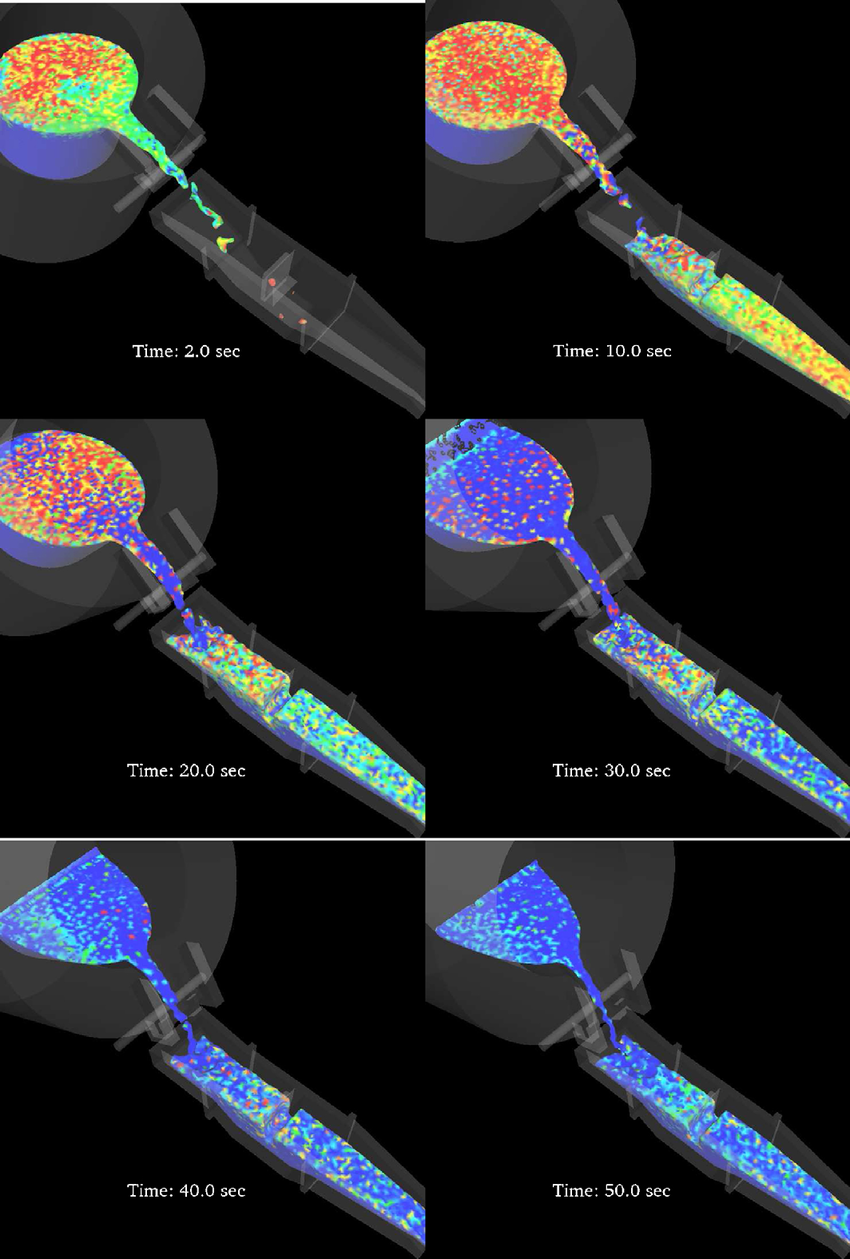 Molten Aluminium into the Launder
 Aluminium Launder For Metal Transfer
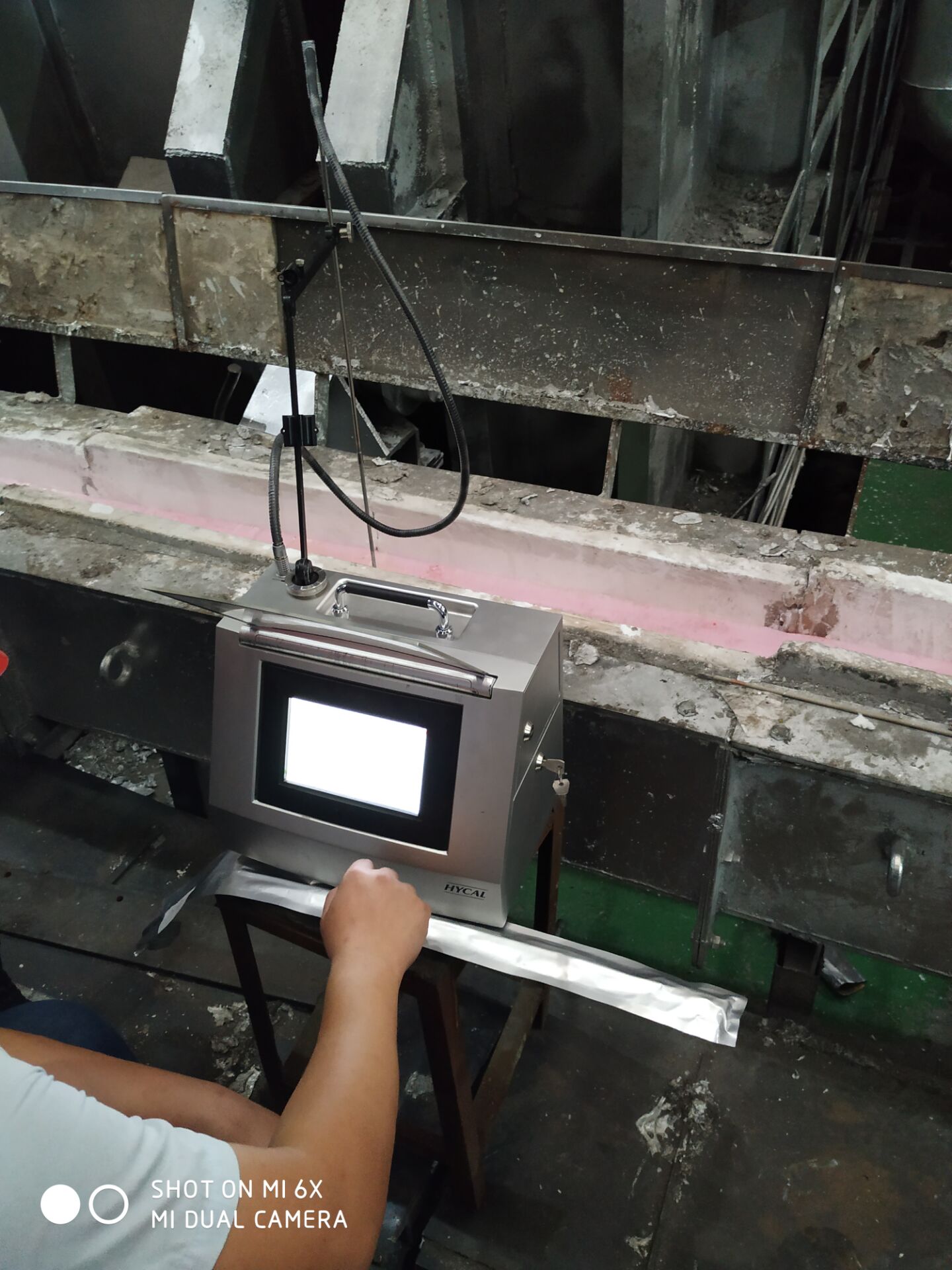 Molten Aluminium Refractory Casting Launder
 Launder Systems For Aluminium
Refractory Launder
Launder Systems For Aluminium
Refractory Launder
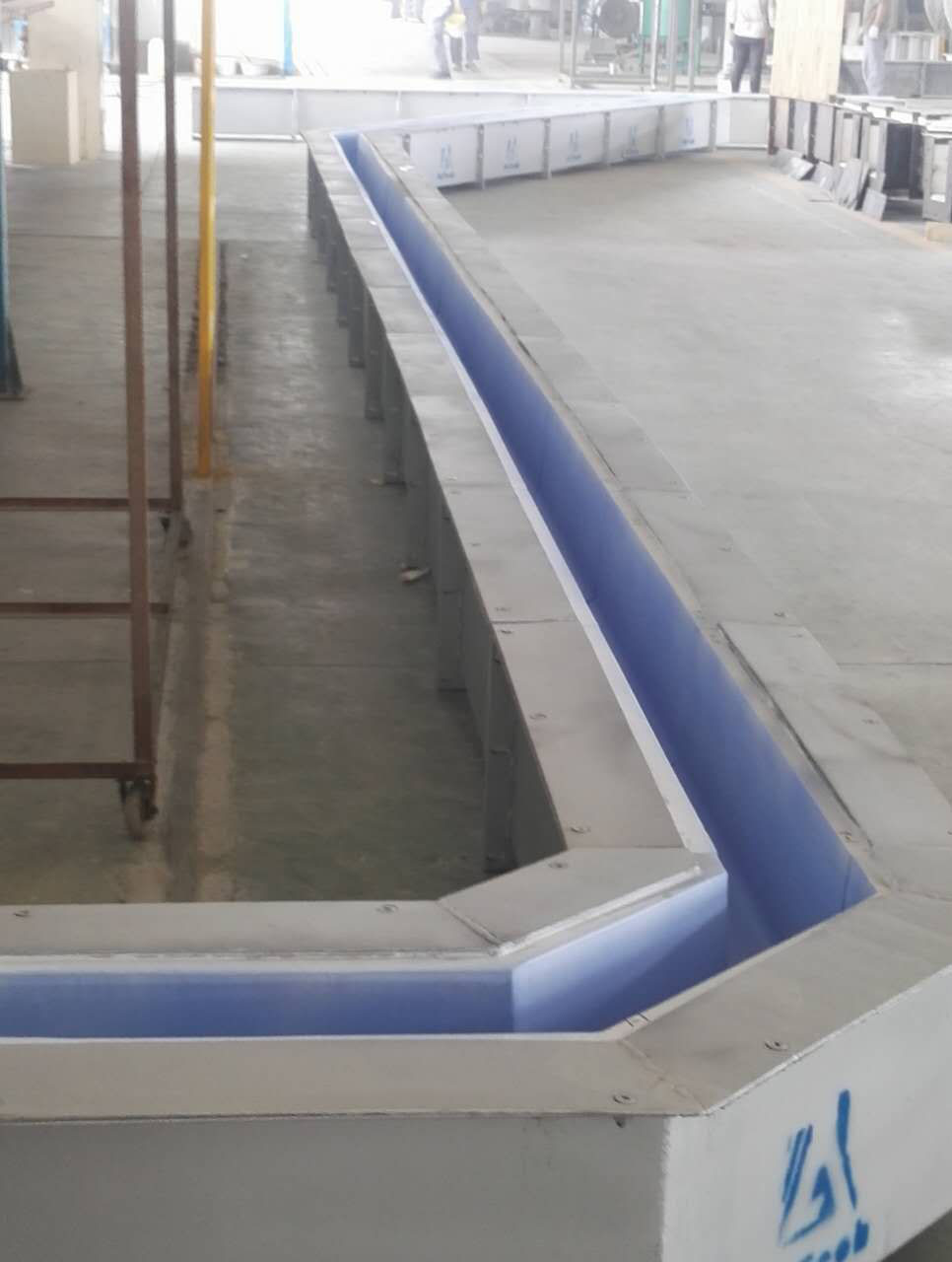 Aluminium Refractory Launder
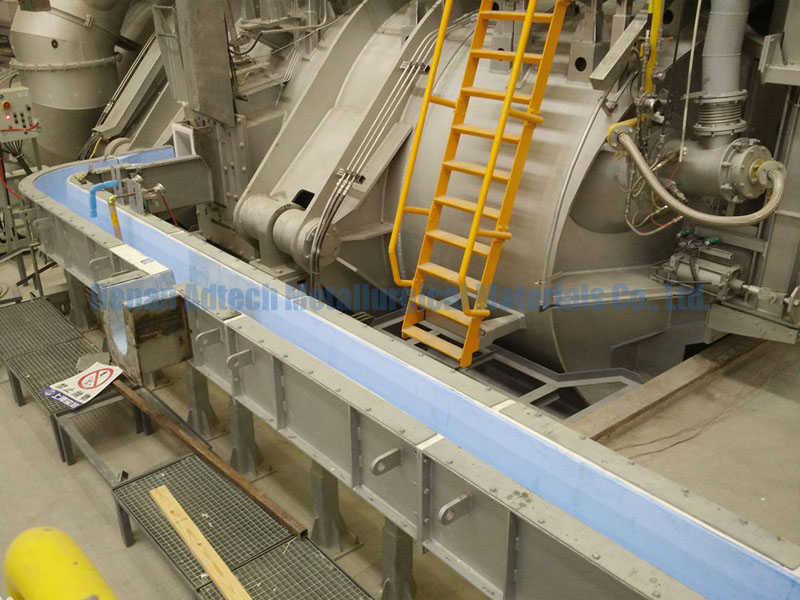 Foundry Molten Aluminum Refractory Launder Runner
 Aluminum Silicate Fiber Launder
 Launder Segments For Aluminium Casting
 Alumina ceramic insulation Aluminium Launder
 Thermal Efficient Launder Systems
 Molten Aluminium Launder System
 Aluminium Launder System
 Casting Launder
No Comments