
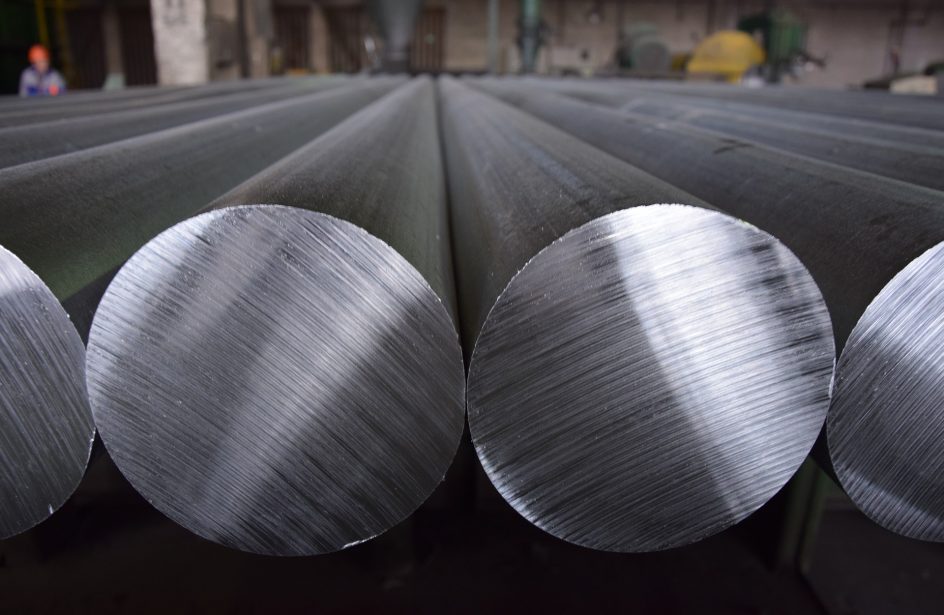
1 de septiembre Filtro cerámico de espuma Jsc de aluminio
El filtro cerámico de espuma de aluminio de Jsc se fabrica a partir de un soporte con una estructura reticular fija y celdas de espuma orgánica, y se utiliza para la filtración y purificación del aluminio fundido.
El filtro de espuma se mezcla con la suspensión tixotrópica de alúmina a través de una línea de producción automatizada, y la suspensión se deposita de manera uniforme sobre el esqueleto de espuma del soporte tras su secado y solidificación. A continuación, se cuece a una temperatura elevada de 1180 °C para obtener el producto final.
El aluminio tiene una buena capacidad de reflexión de la luz y refleja los rayos ultravioleta con mayor intensidad que la plata. Cuanto más puro es el aluminio, mayor es su capacidad de reflexión. El proceso de aluminizado al vacío se utiliza ampliamente para fabricar espejos de alta calidad. Recubrimiento de aluminio al vacío
La combinación de la película delgada y la película delgada de polisilicio da lugar a un material para células solares económico y ligero. El polvo de aluminio conserva su brillo blanco plateado y se utiliza ampliamente en la fabricación de recubrimientos, por lo que se conoce comúnmente como «polvo de plata».
El filtro cerámico de espuma de Jsc Aluminium se utiliza para filtrar las impurezas presentes en la aleación de aluminio fundido, lo que contribuye a cumplir los requisitos de producción de piezas de fundición de precisión de alta calidad fabricadas con aleaciones de aluminio de alta tecnología (como discos duros de ordenador o sustratos de PS). Se utiliza para la impresión, la conservación de materiales, las palas de ventilador de turborreactores, etc.
Los filtros de espuma cerámica pueden eliminar grandes cantidades de este tipo de impurezas del aluminio fundido. La tecnología de filtración con espuma cerámica se ha convertido en el principal método de filtración de aleaciones de aluminio comerciales en todo el mundo.
Gracias a sus bajos costes de instalación y funcionamiento, así como a su facilidad de uso, esta tecnología se extendió rápidamente a fundiciones de aluminio de diversos tipos y niveles de complejidad.
A lo largo de los años, ha ido evolucionando de forma constante hacia el uso de poros más finos filtros de espuma cerámica para garantizar una mayor pureza del material fundido, lo cual es un requisito imprescindible para la mejora continua de la calidad de los productos transformados de aluminio.
Por ejemplo, en la fabricación de los paneles del cuerpo de las latas de aluminio, actualmente se utilizan habitualmente filtros de espuma de 40 y 50 orificios por pulgada (PPI) en la producción de dichos paneles.
Además, actualmente se está evaluando un filtro de poros más finos.
Sin embargo, el uso de filtros de poros más finos requiere un tratamiento previo exhaustivo para reducir el nivel de impurezas y evitar que el filtro se obstruya prematuramente o quede bloqueado por impurezas residuales.
Las partículas sólidas, como los óxidos, los carburos, los nitruros y los compuestos de bórax presentes en los metales (como el aluminio), así como las inclusiones insolubles en líquidos (como las sales fundidas), afectarán de manera significativa a la plasticidad y al metal final durante la deformación por laminación o extrusión. Calidad de la superficie.
Artículos relacionados:
 Filtro cerámico de espuma de aluminio de Krasnoyarsk
 Filtro de espuma cerámica de China (CFF)
 Proveedores de filtros de espuma cerámica de chatarra de aluminio 6063 en Coimbatore
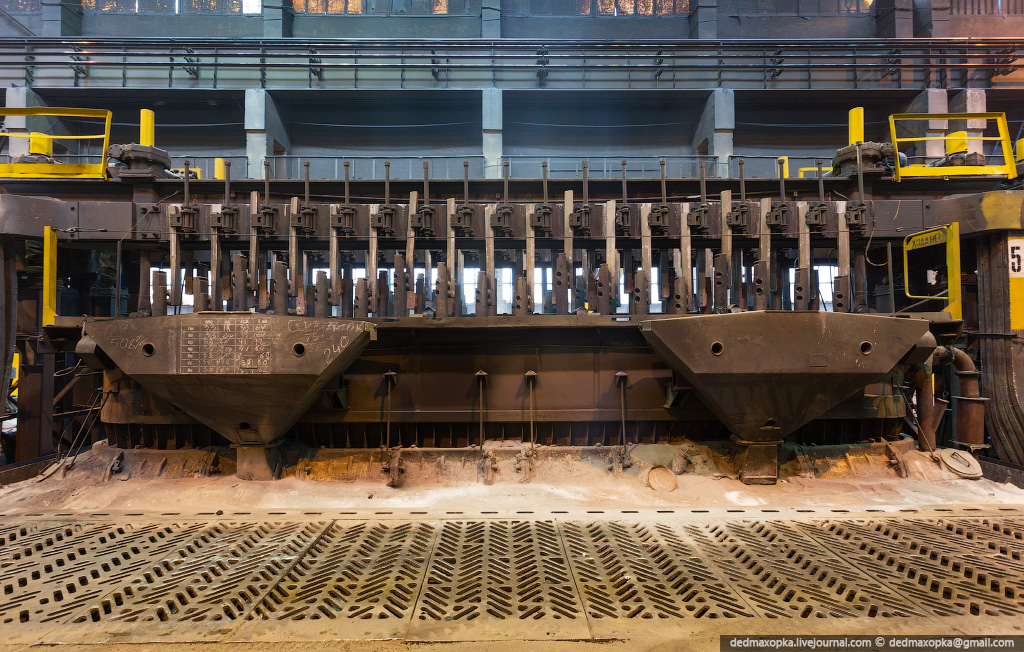 Planta de aleaciones de aluminio de Jsc, Rusia
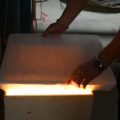 Filtro cerámico de 20 pulgadas
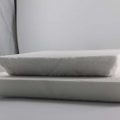 Filtros de espuma cerámica de aluminio 7075 para fundición
 Filtro de espuma cerámica para la filtración de aluminio fundido
 Filtración de metal fundido mediante filtro de espuma cerámica
 Espuma cerámica filtrante para aluminio fundido
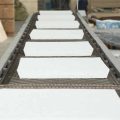 Espuma cerámica para filtros de aluminio
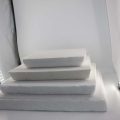 Sistema de filtrado de espuma cerámica de aluminio 7075
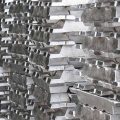 Filtro cerámico de espuma de aluminio Siberia
Filtro de espuma cerámica para fundición de aluminio
Filtro cerámico de espuma de aluminio Siberia
Filtro de espuma cerámica para fundición de aluminio
 Filtro de espuma cerámica de chatarra de aluminio para la filtración de metales
No Comments