

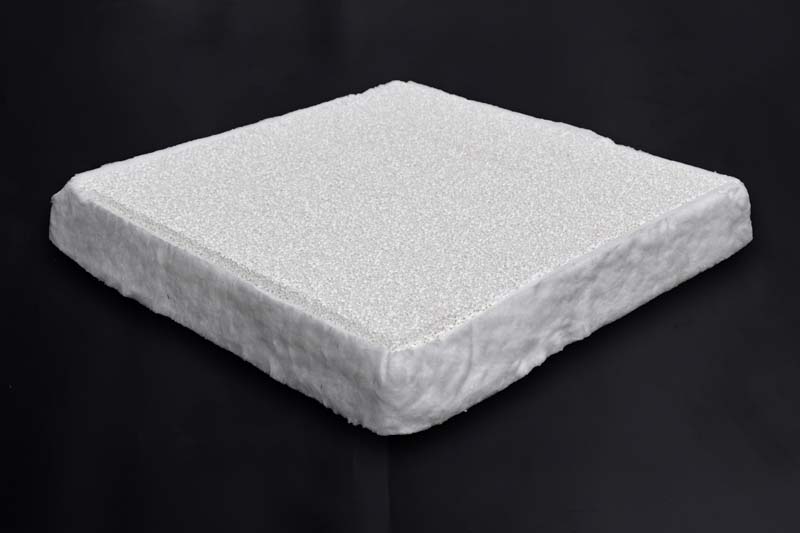
25 de junio Filtro de espuma cerámica Montenegro de aluminio
Filtro de espuma cerámica: Montenegro Aluminium se compromete a eliminar las inclusiones del aluminio fundido. Estas inclusiones tienen un impacto significativo en la resistencia mecánica, la resistencia a la fatiga, la resistencia a la corrosión y el comportamiento frente a la corrosión bajo tensión del aluminio fundido.
Las inclusiones en la masa fundida de aluminio pueden clasificarse en dos tipos según su tamaño
1. Las inclusiones de gran tamaño se distribuyen de forma desigual en la macroestructura, lo que hace que la estructura de la aleación sea discontinua, reduce la compactidad de la pieza fundida y se convierte en una fuente de corrosión y grietas, lo que reduce considerablemente la resistencia y la plasticidad de la aleación.
2. Las inclusiones pequeñas y dispersas no pueden eliminarse por completo tras el refinado. Aumentan la viscosidad del metal fundido y reducen la capacidad de alimentación del aluminio fundido durante la solidificación.
Fábrica de filtros de espuma para hornos. Correo electrónico: [email protected]
El filtro de espuma cerámica de Montenegro Aluminium presenta una estructura de malla, tiene cierta resistencia, puede soportar la diferencia de presión del nivel del metal líquido y el impacto del flujo de metal, pero es quebradizo y frágil. Dado que este material tiene una estructura precisa y una calidad uniforme, cuenta con una gran superficie, por lo que el efecto de filtrado es muy bueno.
El filtro de espuma cerámica puede reducir los defectos
La empresa sufrió pérdidas debido a la elevada tasa de desechos. La razón obvia es que los defectos del metal líquido pueden dañar el producto final. Por el contrario, el objetivo original de la tecnología de filtración cerámica es eliminar incluso las inclusiones de gas del metal, de modo que este pueda utilizarse en el proceso de filtración con un índice de defectos muy bajo.
El filtro de espuma cerámica puede mejorar la calidad del producto
Los excelentes resultados que ofrece la tecnología de filtración cerámica han contribuido al éxito del sector. Por ejemplo, cuando un filtro cerámico Al filtrarlo, se mejoran el brillo y la uniformidad del producto final.
La República de Montenegro está situada en la parte centro-norte de la península balcánica, en el sur de Europa, un país montañoso situado en la costa este del mar Adriático. Su superficie es de 13 800 kilómetros cuadrados. La longitud total de la costa es de 293 kilómetros (73 kilómetros de playas).
Montenegro cuenta con abundantes recursos forestales e hídricos, con una superficie de 540 000 hectáreas, lo que representa el 39,43% de la superficie total de Montenegro. Abundan recursos como el aluminio y el carbón, con aproximadamente 36 millones de toneladas de mineral de bauxita y 350 millones de toneladas de lignito.
Artículos relacionados:
 Filtro de fundición Montenegro-China
 Fabricantes de filtros de espuma de aleación de aluminio
 Filtro de espuma cerámica con lámina de aluminio
 El filtro de espuma cerámica se utiliza para la filtración
 Espuma cerámica filtrante para aluminio fundido
 Fabricantes de filtros de espuma de aluminio 7075
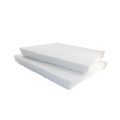 Filtro cerámico de espuma de aleación de aluminio
 Filtro de espuma cerámica de alúmina y aleación de aluminio
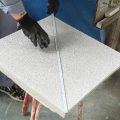 Filtración mediante filtro cerámico de espuma
 Filtro de espuma cerámica Nordic
 Filtro de espuma cerámica con alto contenido en aluminio
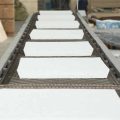 Espuma cerámica para filtros de aluminio
 Filtro de espuma cerámica para la filtración de aluminio fundido
 Filtro de espuma para chatarra de aluminio
No Comments