
19 de octubre Project Success: Plate-Type Aluminum Filtration Equipment Commissioned at Ningxia Xinwang Aluminum
AdTech’s plate-type aluminum filtration equipment has successfully completed commissioning at Ningxia Xinwang Aluminum Co., Ltd., a Ningxia subsidiary of Baotou Yihe Rare Earth Aluminum. Following the completion of equipment commissioning, the system passed its initial production trial and officially entered operation. The installation supports aluminum melt purification for electrical aluminum rod and alloy aluminum rod production, helping control non-metallic inclusions before casting and supporting stable continuous casting and rolling operations.
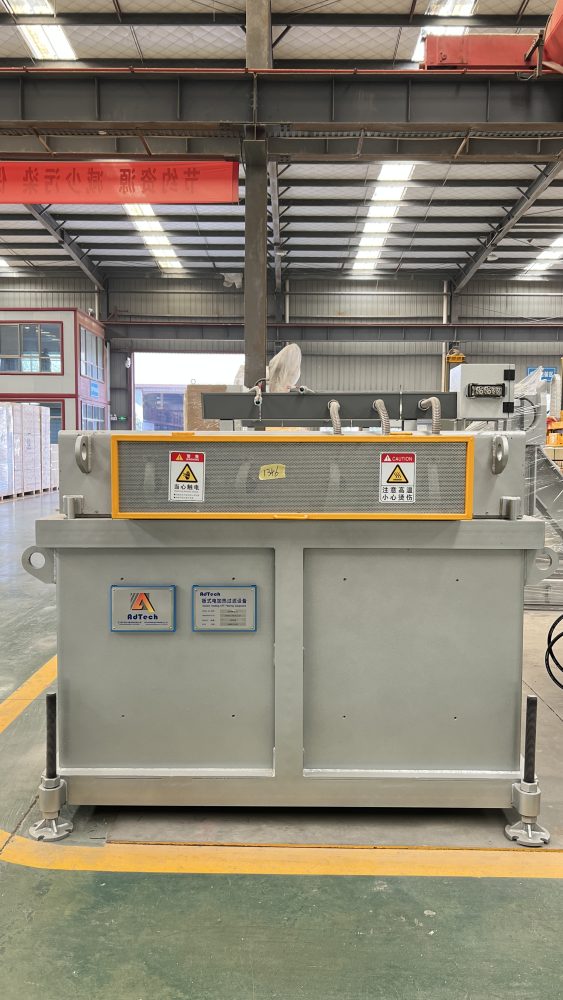
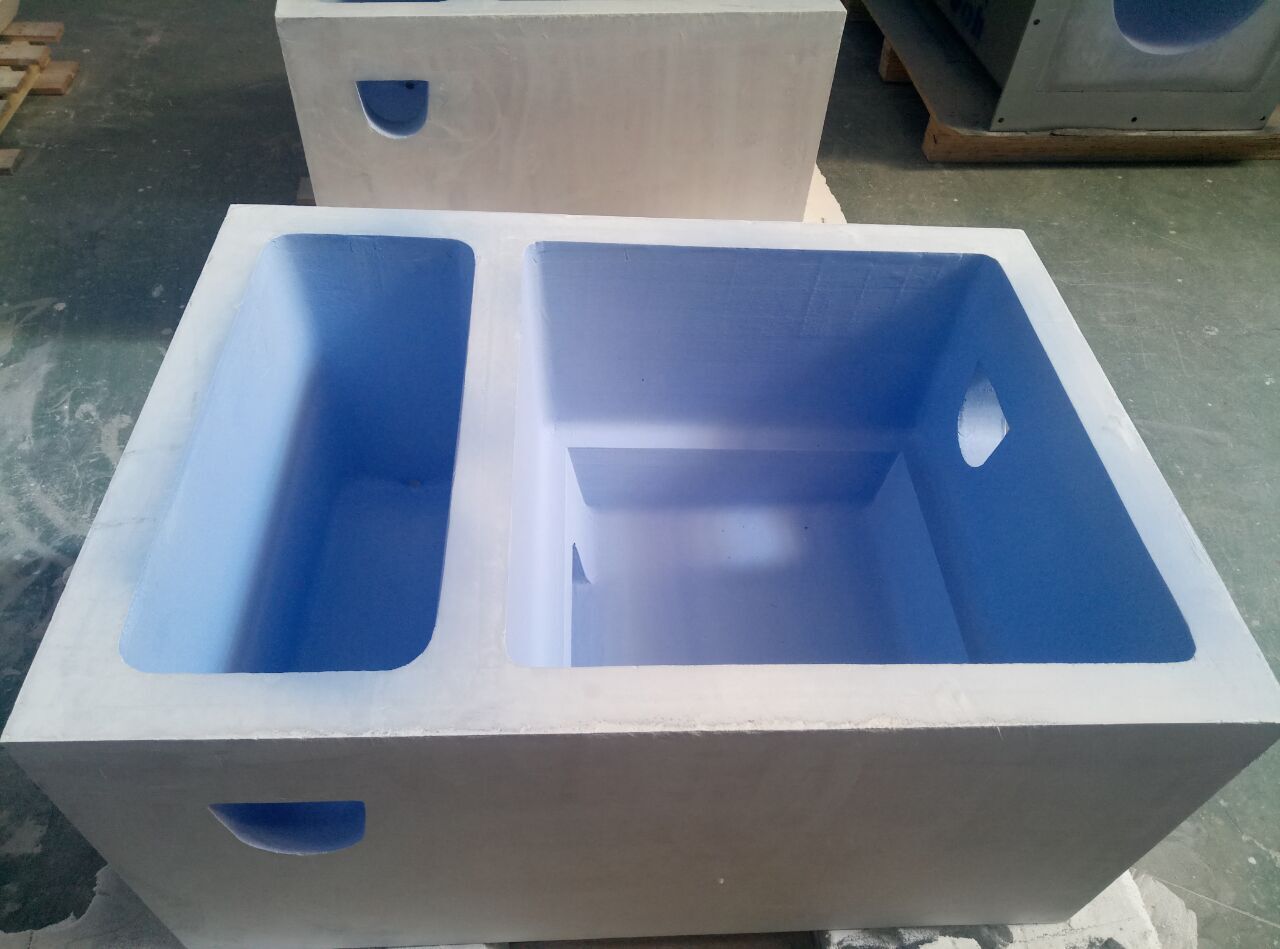
Adtech plate-type filter equipment
Plate-Type Filtration Equipment Successfully Enters Production
The project was completed through coordinated engineering, manufacturing, installation, and commissioning work. AdTech’s team followed the process from the initial equipment design through on-site installation and final operational testing, resolving technical and installation requirements encountered during implementation.
The equipment completed its commissioning work and achieved a successful first production trial, allowing the system to enter operation as planned.
For aluminum producers, successful commissioning involves more than installing the equipment. The filtration system must fit the production line, operate under the intended process conditions, and deliver molten aluminum to downstream equipment without disrupting the casting process.
| Project detail | Información |
|---|---|
| Customer | Ningxia Xinwang Aluminum Co., Ltd. |
| Location | Ningxia, China |
| Equipment supplied | Plate-type aluminum filtration equipment |
| Principales aplicaciones | Electrical aluminum rod and alloy aluminum rod production |
| Project scope | Equipment design, manufacturing, installation, and commissioning |
| Project status | Initial production trial successful; equipment entered operation |
The project represents a completed equipment delivery for an aluminum producer operating a continuous casting and rolling line. It also demonstrates the importance of coordinating equipment design with the requirements of the customer’s production process.
Why Is Plate-Type Filtration Important in Aluminum Rod Production?
Electrical aluminum rod and alloy aluminum rod production require control of molten metal cleanliness before casting. Oxide-related inclusions, entrained slag, and other non-metallic particles can become trapped in the solidified metal and contribute to downstream quality problems.
A plate-type filtration unit provides a housing for the filtration medium and establishes a controlled flow path through which molten aluminum passes. The filtration medium retains solid inclusions, helping reduce their transfer into the casting stage.
For continuous casting and rolling lines, melt cleanliness is particularly important because defects introduced during casting may affect subsequent rolling and wire production. Filtration is therefore one part of maintaining stable production and consistent product quality.
| Melt quality concern | Potential consequence | Role of filtration |
|---|---|---|
| Oxide inclusions | Internal discontinuities and inclusion-related defects | Retains solid inclusions as molten metal passes through the filter |
| Entrained slag | Contamination of the cast product | Helps prevent retained solid contaminants from entering the casting stage |
| Variable melt cleanliness | Inconsistent downstream product quality | Provides a defined filtration stage before casting |
| Inclusions entering continuous casting | Potential interruptions or downstream quality problems | Helps reduce the inclusion load reaching the casting process |
The actual filtration performance depends on the selected filter medium, pore structure, available filtration area, metal flow rate, filter installation, and incoming melt condition. The equipment should therefore be configured according to the production line’s technical requirements rather than treated as a one-size-fits-all solution.
How Does a Plate-Type Filter Box Support Continuous Casting and Rolling?
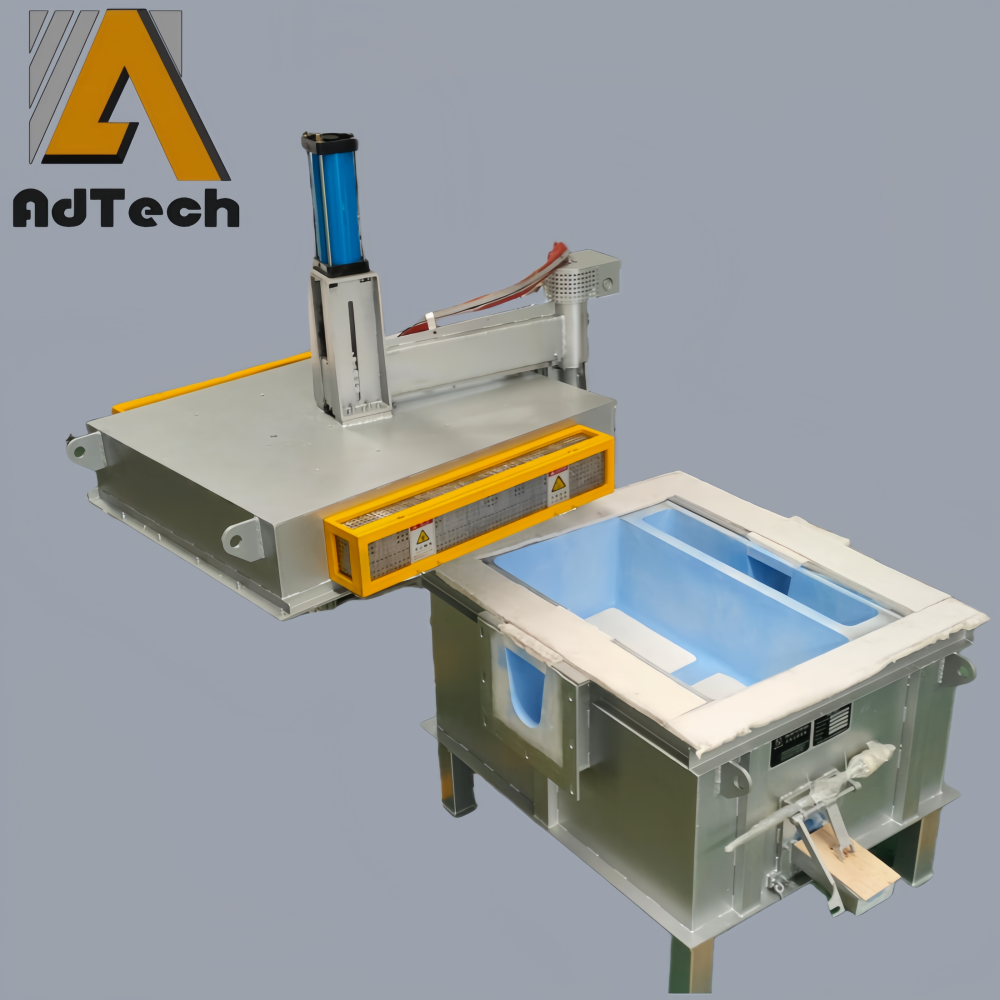
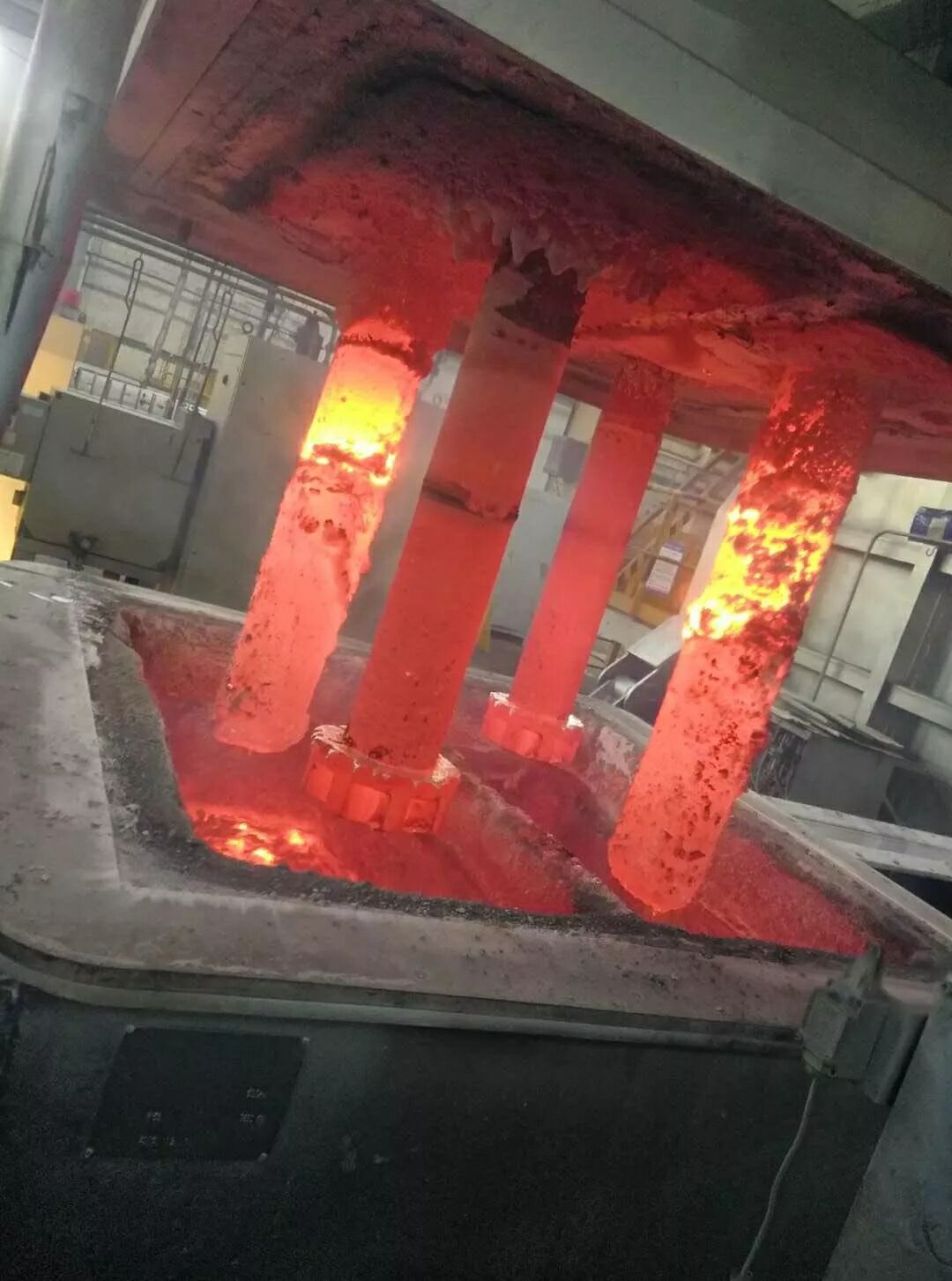
e-heating Plate-type Filter Equipment
A plate-type filtration system is installed in the molten aluminum transfer route before the metal reaches the casting equipment. Its design must accommodate the required metal flow while providing suitable support and sealing for the filtration medium.
In a continuous casting and rolling operation, the filtration system must work with the upstream molten metal supply and downstream casting equipment. Inadequate flow capacity, incorrect installation, or metal bypass around the filter can compromise filtration performance or interfere with production stability.
Important considerations include:
- Filter compatibility: The filtration medium must match the filter box dimensions and operating conditions.
- Flow capacity: The system must accommodate the required metal throughput without creating excessive flow resistance.
- Sealing and installation: The filtration medium must be seated correctly to minimize molten metal bypass.
- Maintenance access: The design should allow inspection and replacement of the filtration medium according to the operating procedure.
- Process integration: Inlet and outlet connections must suit the existing launder and casting-line layout.
These considerations help explain why equipment design and on-site commissioning are closely connected. Even correctly manufactured filtration equipment must be installed and operated in accordance with the intended process configuration.
From Equipment Design to On-Site Commissioning
For this project, AdTech’s team followed the equipment through the main delivery stages, from the initial design and manufacturing work to installation, commissioning, and production trial.
Each stage required coordination between the equipment specification and the customer’s site conditions.
| Project stage | Main activity | Objective |
|---|---|---|
| Design | Develop the equipment configuration according to the project requirements | Establish compatibility with the production line |
| Manufacturing | Build the supplied filtration equipment | Deliver equipment matching the agreed specification |
| On-site installation | Position and connect the equipment within the production line | Confirm installation and interface compatibility |
| Commissioning | Check equipment operation and address site-specific technical issues | Prepare the system for production |
| Production trial | Introduce metal and evaluate the initial operating process | Confirm readiness for operation under the trial conditions |
The team completed the commissioning work and achieved a successful initial production trial. This outcome reflects the importance of on-site technical coordination, particularly when molten metal treatment equipment must interface with existing casting machinery and transfer systems.
For equipment buyers, commissioning capability is an important part of supplier evaluation. Manufacturing quality, installation compatibility, operational checks, and technical support all contribute to a successful equipment delivery.
Selecting Filtration Equipment for Aluminum Rod Production
The requirements for an aluminum filtration system depend on the alloy, casting process, production rate, and quality expectations of the finished product. Electrical aluminum rod and alloy aluminum rod may have different chemical specifications and downstream performance requirements, so the filtration configuration should be selected accordingly.
Before specifying a plate-type filter box, aluminum producers should establish the key operating parameters and ensure that the filtration medium is suitable for the application.
| Selection factor | What should be confirmed |
|---|---|
| Aleación de aluminio | Alloy grade and relevant melt characteristics |
| Production capacity | Required metal flow rate and casting conditions |
| Filtration medium | Material, pore density, dimensions, and operating suitability |
| Filter box configuration | Installation dimensions, sealing, and maintenance access |
| Process interfaces | Connections to the launder and casting equipment |
| Requisitos de calidad | Relevant inclusion-control and finished-product acceptance criteria |
Filtration should also be viewed as part of the wider molten aluminum treatment process. Where dissolved hydrogen is a concern, degassing may be required in addition to filtration. The two processes address different quality issues and should be specified according to the actual melt condition.
AdTech’s plate-type aluminum filtration equipment can be evaluated for casting-line applications requiring a dedicated filtration stage. The final configuration should be based on the plant layout, operating conditions, and agreed technical requirements.
Supporting Reliable Aluminum Melt Purification
The successful commissioning at Ningxia Xinwang Aluminum adds a completed installation to AdTech’s work in aluminum melt purification equipment. The project covered the delivery process from equipment design and manufacturing through on-site installation and commissioning, followed by a successful initial production trial.
For aluminum producers, reliable filtration depends on both the equipment specification and its integration into the production process. A suitable plate-type filter box helps control non-metallic inclusions before casting, while proper installation and operation support consistent metal flow through the filtration stage.
AdTech will continue to provide filtration equipment and related technical services for aluminum rod, aluminum billet, and alloy material producers. Equipment selection and configuration should be matched to each customer’s casting process, production capacity, and melt-quality requirements.
Artículos relacionados:
 Puesta en marcha y funcionamiento de la línea de producción de aluminio del noroeste
 Filtro de espuma cerámica del proyecto Komi Aluminium
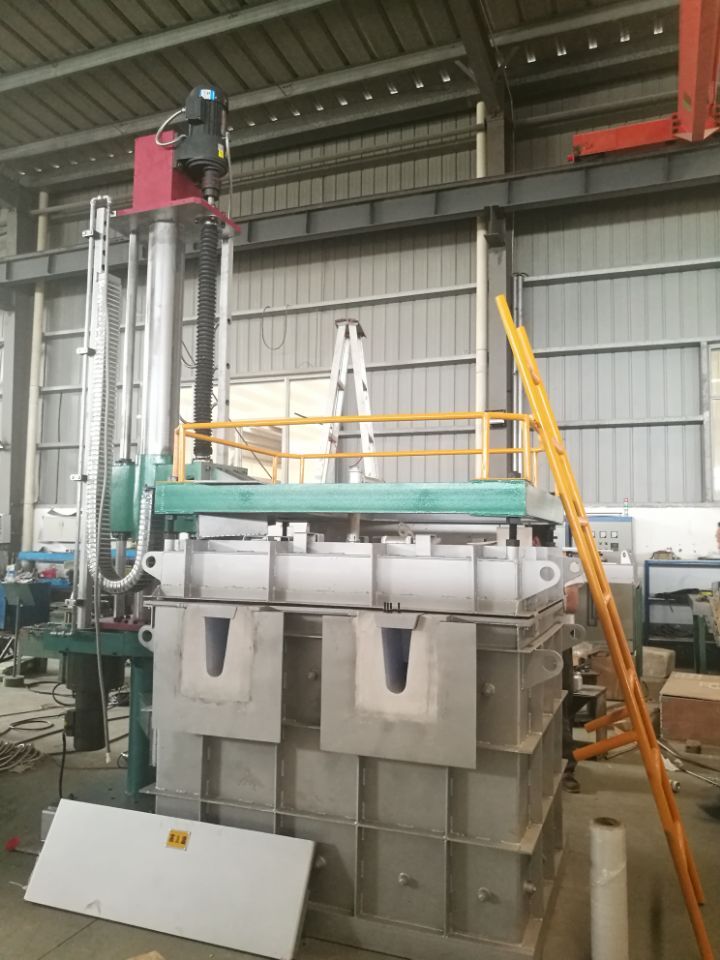 Equipos de desgasificación de aluminio
Equipos de filtración con calefacción eléctrica
 Filtración del aluminio fundido
 Equipos de filtrado para fundición de aluminio
 Equipos de purificación de aluminio líquido
 Filtro de placas cerámicas
 Equipos de desgasificación de aluminio
Conjunto de tubo protector del calentador de carburo de silicio para un equipo de desgasificación de 25 toneladas
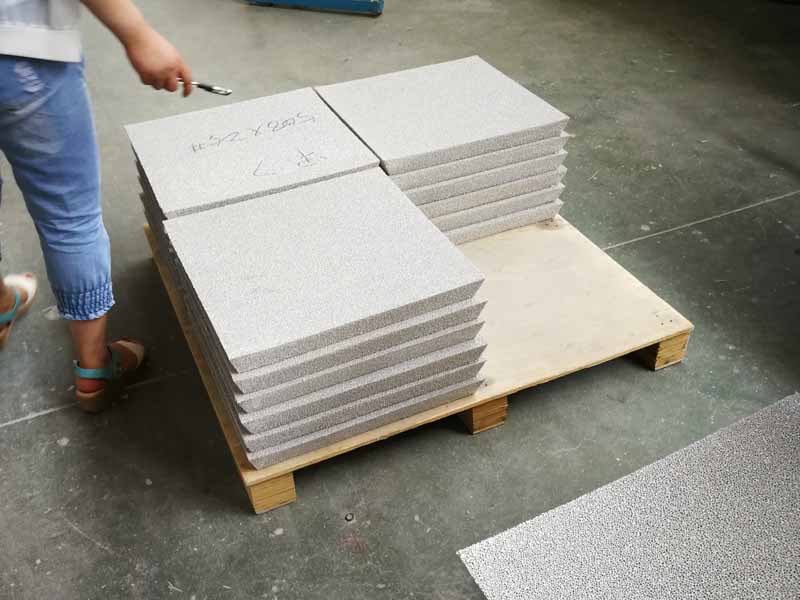 Placa filtrante de cerámica porosa
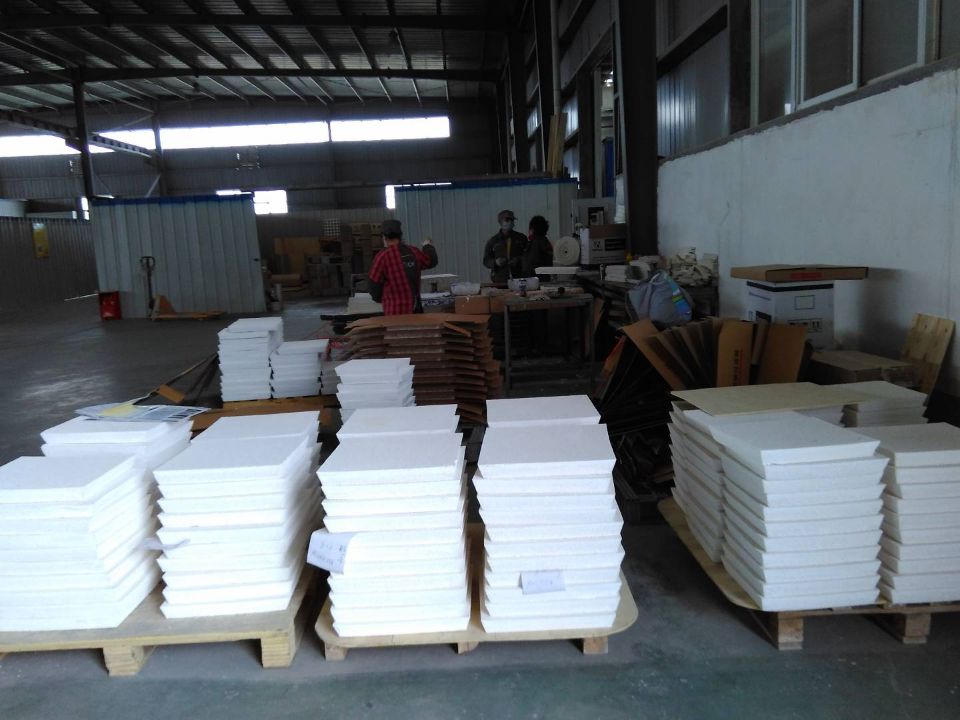 Placa filtrante de espuma cerámica porosa de alúmina
 El filtro de espuma cerámica se utiliza en el ámbito de la filtración de aluminio fundido.
Desarrollo de tecnología y equipos de refinado y desgasificación en línea para el aluminio fundido
No Comments