
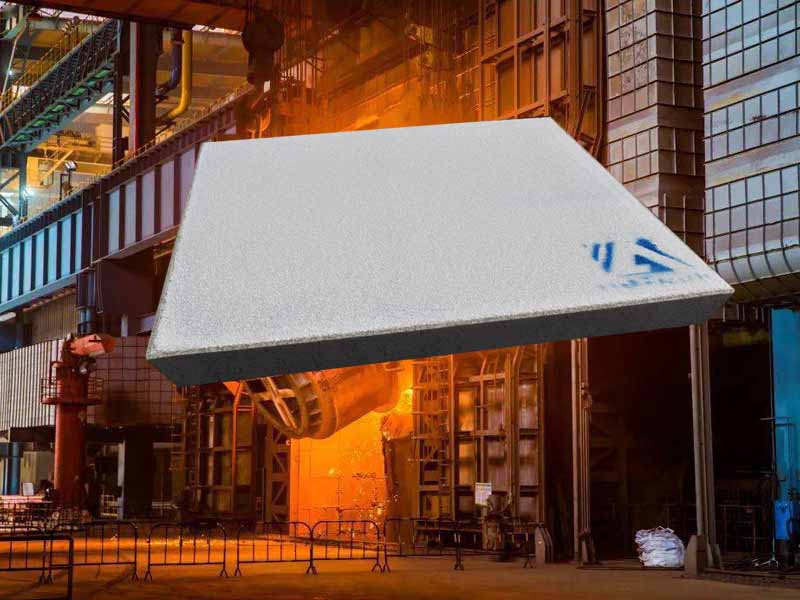
13 de diciembre Láminas PG para filtros de aluminio fundido
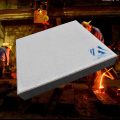
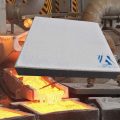
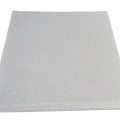
Las láminas filtrantes PG para aluminio fundido pueden eliminar eficazmente todo tipo de inclusiones microscópicas presentes en el agua. Consiguen que el aluminio fundido adquiera un flujo laminar estable.
Los filtros de espuma cerámica se dividen básicamente en seis tamaños de poro: 10 PPI, 15 PPI, 20 PPI, 25 PPI, 30 PPI y 40 PPI. Cuanto mayor es el número, menor es la abertura. Sin embargo, en la práctica, los cuatro tipos (10 PPI, 20 PPI, 30 PPI y 40 PPI) son suficientes para satisfacer las necesidades de los clientes.
Selección de la apertura
1. El moldeado: 10~25 ppi
2. Colada semicontinua: 30~60 ppi
3. Aluminio o chapa de alta calidad: 50~60 ppp
4. Colada continua y laminación: 50~60 p
Con los avances en la tecnología de fabricación, la cerámica ha ido adquiriendo nuevas formas, como las estructuras porosas. La cerámica porosa presenta un gran número de poros interconectados.
Por lo tanto, las cerámicas porosas se caracterizan por su baja densidad aparente, su gran superficie específica y su baja conductividad térmica.
La elevada superficie específica de la cerámica porosa le confiere una buena capacidad de adsorción y actividad.
Esto puede aumentar la superficie de contacto efectiva y mejorar el efecto catalítico. Al mismo tiempo, presenta características de resistencia al choque térmico y a la corrosión.
Ventajas de las láminas PG para filtros de aluminio fundido
La placa filtrante de cerámica celular para la purificación de aluminio líquido aporta grandes beneficios a la lámina de pelado y a sus productos, como piezas en bruto, materiales de decoración para automóviles, planchas de impresión de PS, etc. Para los fabricantes de perfiles de aleación de aluminio, las ventajas son evidentes:
1. Mejorar la productividad de la extrusión: cuando el filtro cerámico Se utiliza para purificar la barra de extrusión de la aleación; la velocidad de extrusión aumenta en aproximadamente un 20% y la productividad se incrementa en aproximadamente un 15%.
2. Prolongar la vida útil del molde y reducir los tiempos de mantenimiento.
3. Baja fuerza de compresión: la fuerza de compresión es inferior a 3% respecto a la del agua sin filtrar.
4. La calidad de la superficie de los perfiles de aluminio ha mejorado considerablemente.
Aplicación del filtro de espuma cerámica
Hoy en día, con el aumento de los requisitos de calidad de los productos de aluminio, también se ha fomentado el uso de filtros cerámicos porosos. La porosidad del filtro cerámico poroso se sitúa entre el 80 y el 90%, lo que permite eliminar eficazmente las inclusiones a nivel micrométrico. Además, la placa filtrante cerámica también puede eliminar elementos nocivos (Na, K) del aluminio fundido mediante adsorción. Al filtrar aleaciones de aluminio, la placa filtrante se expande térmicamente de forma instantánea para garantizar que no se agriete al calentarse.
Artículos relacionados:
 Medio filtrante refractario para aluminio fundido
 Filtro de aluminio fundido Jsc Aluminium
 Filtro de aluminio fundido de Manaksia Aluminium
 Filtro de aluminio fundido Dhaka Aluminium
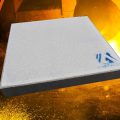 Filtro para aluminio fundido de Aml Spain Foundry
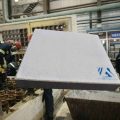 Filtro de aluminio fundido de Century Extrusion
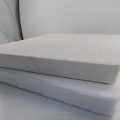 5052 Filtración de aluminio fundido
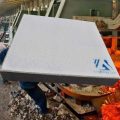 Filtro para aluminio fundido de Aramit Thai Aluminium Limited
 Filtro de aluminio fundido de Pakistán
 Filtro de aluminio fundido de Bangladesh Aluminium
 Filtro de aluminio fundido «Bengal Aluminum»
Filtro de aluminio fundido España Aluminio
Filtro de aluminio fundido «Bengal Aluminum»
Filtro de aluminio fundido España Aluminio
 Filtro de aluminio fundido Jupiter Aluminum
 Filtro de aluminio fundido de Krasnoyarsk Aluminum
No Comments