
22 يونيو أنظمة الغسيل
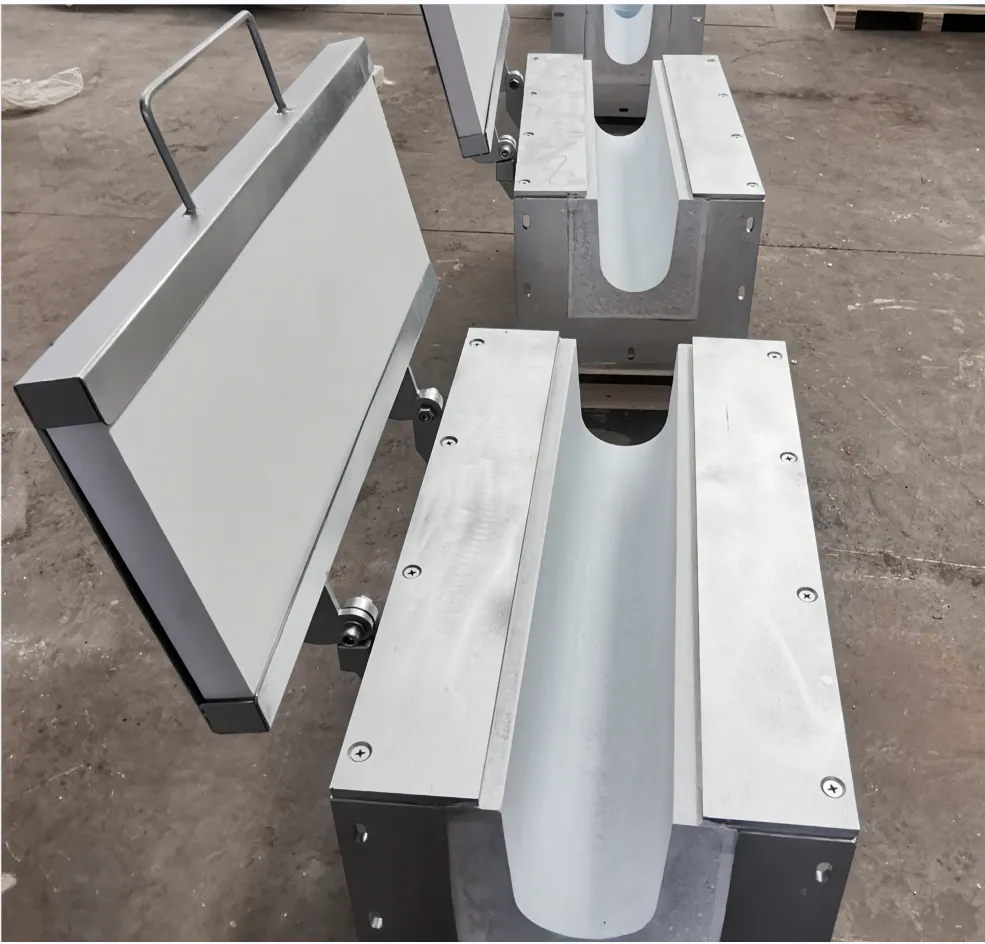
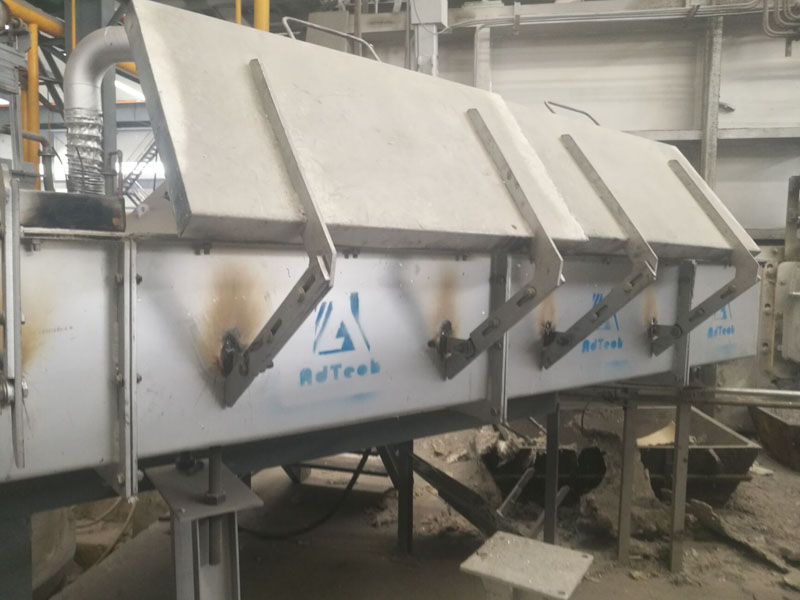
أنظمة الغسيل are used to transfer and distribute molten aluminum between the furnace, holding furnace, filtration unit, and casting machine. AdTech Launder Systems use high-silicon refractory composite materials with high corrosion resistance, good thermal insulation, and a smooth, non-wetting surface to support stable molten aluminum transfer.
The lining is designed for continuous contact with molten aluminum and can be configured for applications such as aluminum casting, continuous casting and rolling, and distributor launders.
Launder Systems Product Performance
AdTech Launder Systems are designed for demanding molten metal transfer conditions.
1. High erosion resistance
The lining can withstand high-speed airflow and molten metal impact, helping maintain the integrity of the launder during long-term operation.
2. Stable performance at high temperature
The refractory lining provides good thermal shock resistance, low thermal conductivity, and high compressive strength at elevated temperatures.
3. Low temperature loss
The insulated lining helps reduce heat loss during molten aluminum transfer. Under specified operating conditions, the temperature drop can be controlled to approximately 2°C per meter.
4. High strength and toughness
The composite material and bonding system provide high compressive strength while maintaining good toughness, reducing the risk of cracking during handling and operation.
5. Smooth, non-wetting surface
The lining resists wetting and erosion by molten metal, helping reduce aluminum buildup and supporting stable metal flow.
6. Safe and practical operation
The refractory components are designed for convenient installation and use in molten metal transfer systems.
نظام الغسيل
Where Are Launder Systems Used?
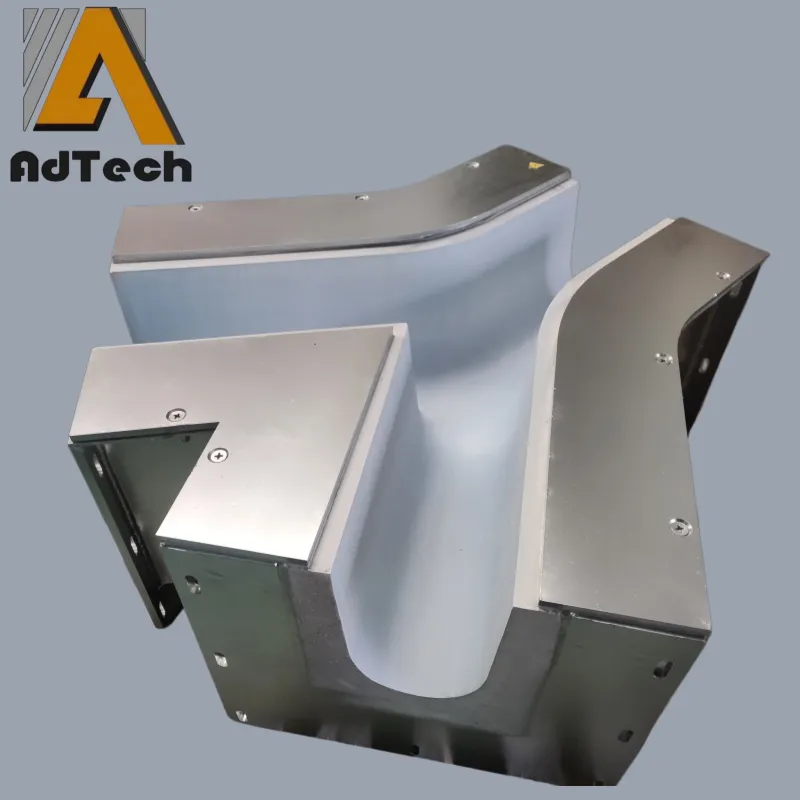
Launders are an important part of the molten aluminum transfer system. They provide a controlled path for moving metal between different stages of production.
Typical applications include:
- Molten aluminum transfer from furnace to casting
- Holding furnace discharge systems
- Continuous casting and rolling lines
- Distributor and feed launders
- Molten metal transfer between filtration and casting equipment
The launder configuration can be adapted to the plant layout, metal flow direction, required capacity, and casting equipment.
Why Is the Launder Lining Important?
The lining is directly exposed to molten aluminum, so its material has a major effect on service life and metal transfer stability.
A suitable launder lining should provide:
- High resistance to molten aluminum corrosion
- مقاومة الصدمات الحرارية
- Low heat loss
- قوة ميكانيكية عالية
- Low metal wetting
- Resistance to erosion and wear
- Stable dimensions at high temperature
- A smooth internal surface
Poor lining performance can lead to cracking, erosion, aluminum buildup, increased heat loss, and maintenance interruptions.
نظام الغسيل
Launder Lining Material
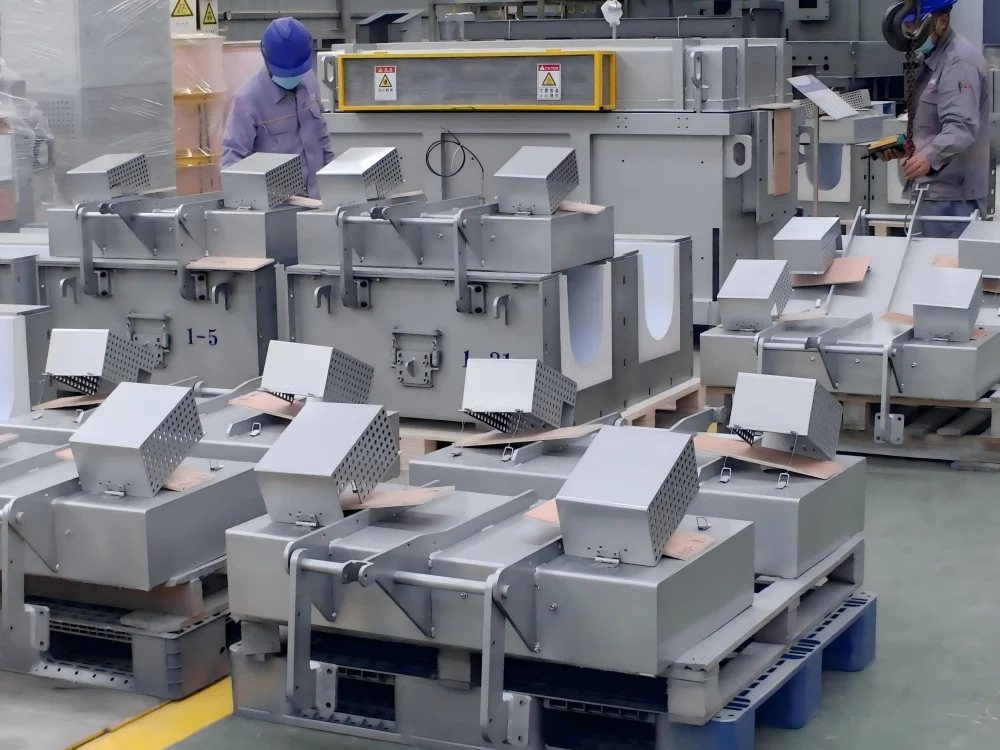
AdTech Launder Systems use a refractory composite material developed for molten metal transfer applications.
The material is non-toxic and designed for use in high-temperature casting environments. It produces no smoke or odor under normal operating conditions.
The lining has high strength and density compared with conventional refractory fiber-shaped components. It is resistant to molten metal wetting, erosion, wear, and spalling.
The material also provides good wind-erosion resistance and can withstand direct flame exposure on hot surfaces when the application requires it.
مقاومة الصدمات الحرارية
Launder components are repeatedly exposed to high temperatures during operation and may experience rapid temperature changes during heating and cooling.
The refractory material is designed to withstand repeated thermal cycling with good resistance to cracking, deformation, and surface deterioration.
This helps maintain the dimensional stability and service performance of the launder over repeated operating cycles.
Corrosion Resistance to Molten Aluminum
Molten aluminum can react with or penetrate unsuitable refractory materials over time.
AdTech Launder Systems are designed with a lining that provides strong resistance to molten aluminum and selected aluminum alloys, helping reduce erosion and metal penetration during continuous operation.
For applications involving other molten metals or special alloy compositions, the lining material should be selected according to the actual operating conditions.
Dimensional Accuracy and Installation
Launder components are manufactured with controlled dimensions to support accurate assembly and consistent molten metal flow.
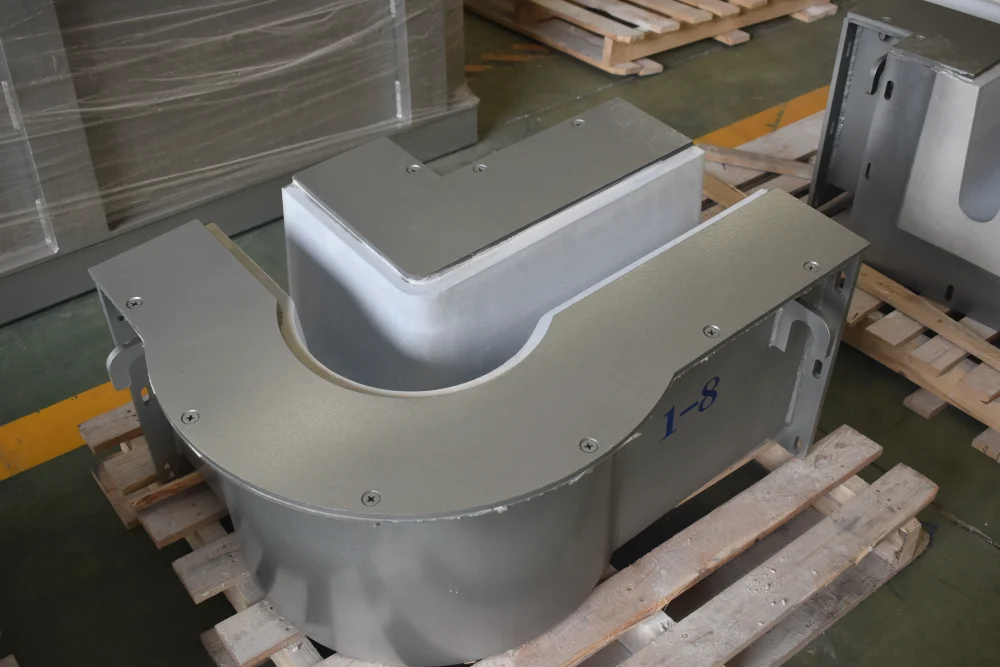
The components can be designed according to the required:
- Launder length
- Cross-sectional dimensions
- Metal flow direction
- Connection configuration
- Casting line layout
- Insulation requirements
Proper installation and preheating are important for achieving the expected service life and maintaining stable molten metal flow.
نظام الغسيل
How to Choose a Launder System?
The correct launder should be selected according to the actual casting process rather than size alone.
Key factors include:
- Molten metal type and alloy
- Metal flow rate
- درجة حرارة التشغيل
- Transfer distance
- Required temperature loss
- Casting machine and line layout
- Launder dimensions and connections
- Required service life
For a customized launder system, providing the existing launder drawing, dimensions, photos, alloy type, and operating conditions can help engineers determine a suitable configuration.
Launder Systems for Stable Molten Aluminum Transfer
A well-designed launder system does more than transport molten aluminum. It helps maintain stable metal flow, controlled temperature loss, and reliable operation between melting, melt treatment, filtration, and casting.
AdTech Launder Systems are designed for high-temperature molten metal transfer where service life, corrosion resistance, thermal insulation, and dimensional stability are critical.
الأسئلة الشائعة
1. What is a launder system used for in aluminum casting?
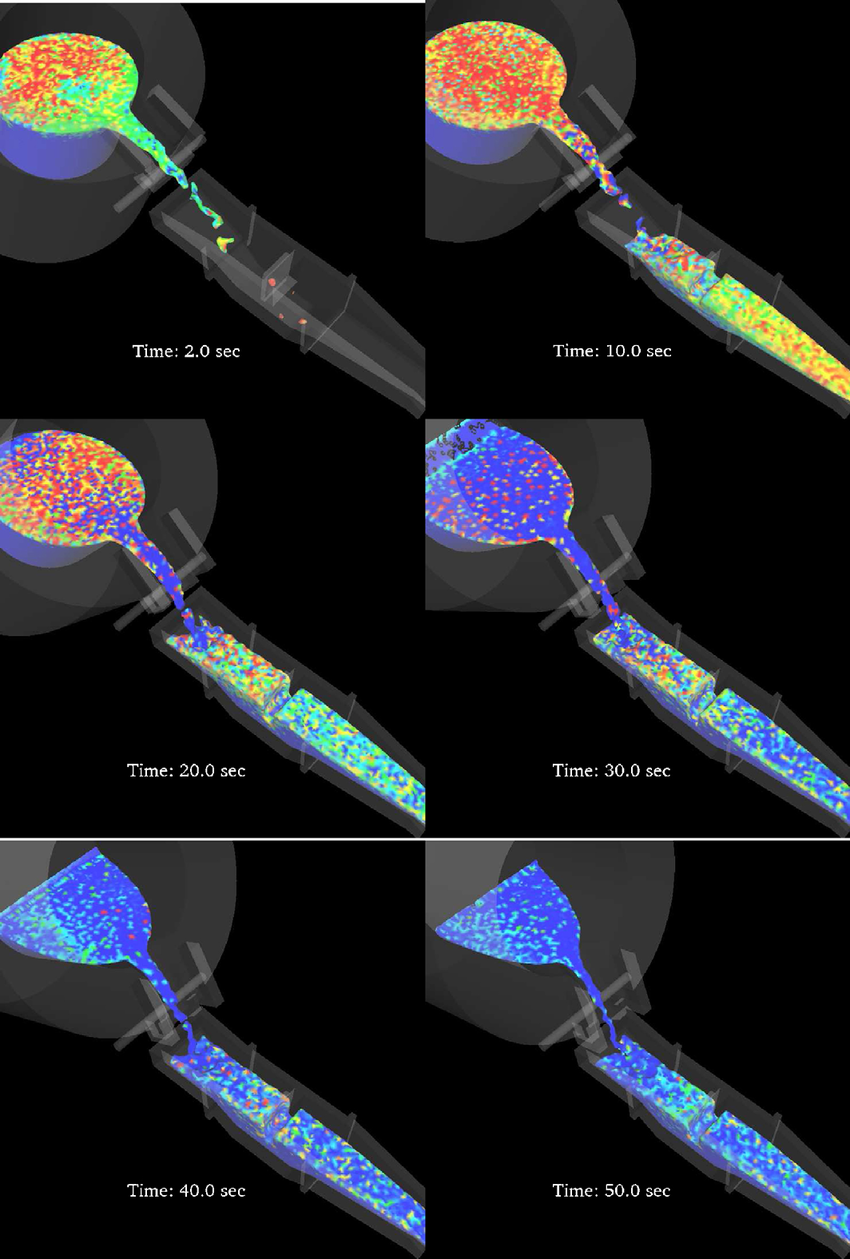
A launder system transfers and distributes molten aluminum between furnaces, filtration units, and casting equipment.
2. What is an aluminum launder made of?
Aluminum launders typically use refractory materials designed for molten aluminum contact, thermal insulation, corrosion resistance, and thermal shock resistance.
3. How does a launder system reduce molten aluminum temperature loss?
A properly insulated launder limits heat loss during metal transfer. Under specified operating conditions, AdTech launders can achieve a temperature drop of approximately 2°C/m.
4. Can a launder system be used after an aluminum filtration unit?
Yes. Launders can be installed between a filtration unit and the casting machine to provide stable molten aluminum transfer.
5. What makes a launder suitable for continuous aluminum casting?
The lining should provide low aluminum wetting, corrosion resistance, thermal shock resistance, adequate mechanical strength, and stable dimensions during continuous operation.
6. How long does an aluminum launder lining last?
Service life depends on alloy, operating temperature, molten aluminum flow rate, thermal cycling, erosion, and operating conditions. A suitable refractory lining can significantly extend service life.
7. Can launder systems be customized for different casting lines?
Yes. Launder dimensions, cross-section, length, connections, flow direction, and insulation can be configured according to the casting-line layout and molten aluminum flow requirements.
8. Can aluminum launders handle high molten metal flow rates?
Yes, when the launder cross-section, lining material, and flow path are properly designed for the required molten aluminum flow rate.
9. What information is needed to select an aluminum launder system?
Useful information includes the aluminum alloy, molten metal temperature, flow rate, transfer distance, required temperature loss, launder dimensions, connection points, and casting-line layout.
10. Can the launder lining be used with aluminum alloys containing magnesium or other alloying elements?
It can be used with many aluminum alloys, but material compatibility should be checked against the specific alloy composition, temperature, and operating conditions.
مقالات ذات صلة:
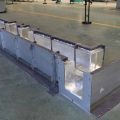 أنظمة غسل الألومنيوم
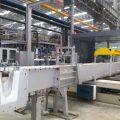 أنظمة قنوات تصريف المعادن المنصهرة
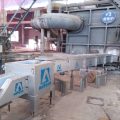 أنظمة قنوات صب الألومنيوم المنصهر
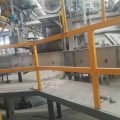 أنظمة غسيل ذات كفاءة حرارية
 أنظمة توصيل المعادن
 نظام قنوات الألمنيوم المنصهر
 قناة تصريف من ألياف سيليكات الألومنيوم
 قناة من الألومنيوم لنقل المعادن
 صب الألومنيوم المنصهر في قناة الصب
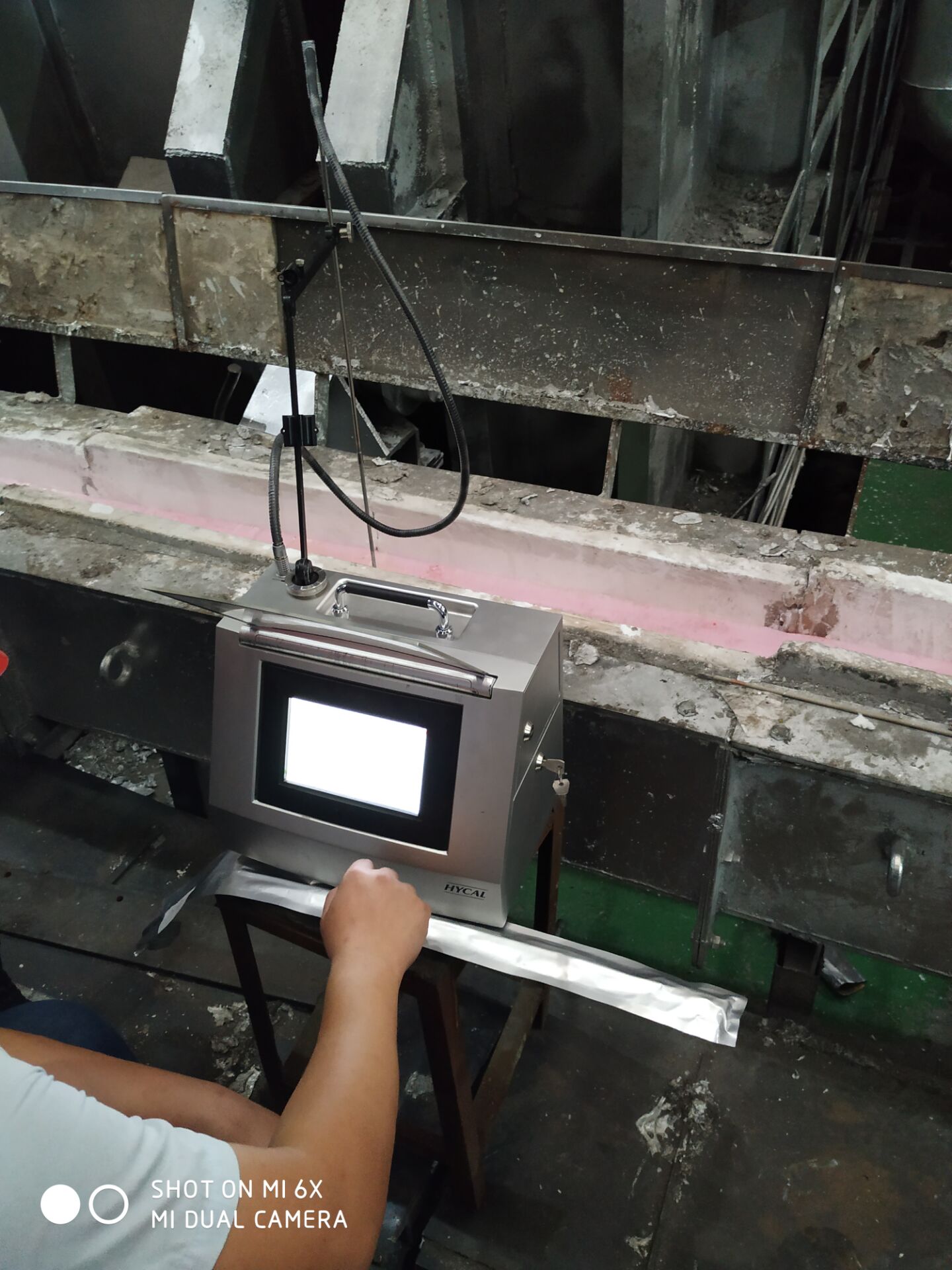 قناة صب مقاومة للحرارة من الألومنيوم المنصهر
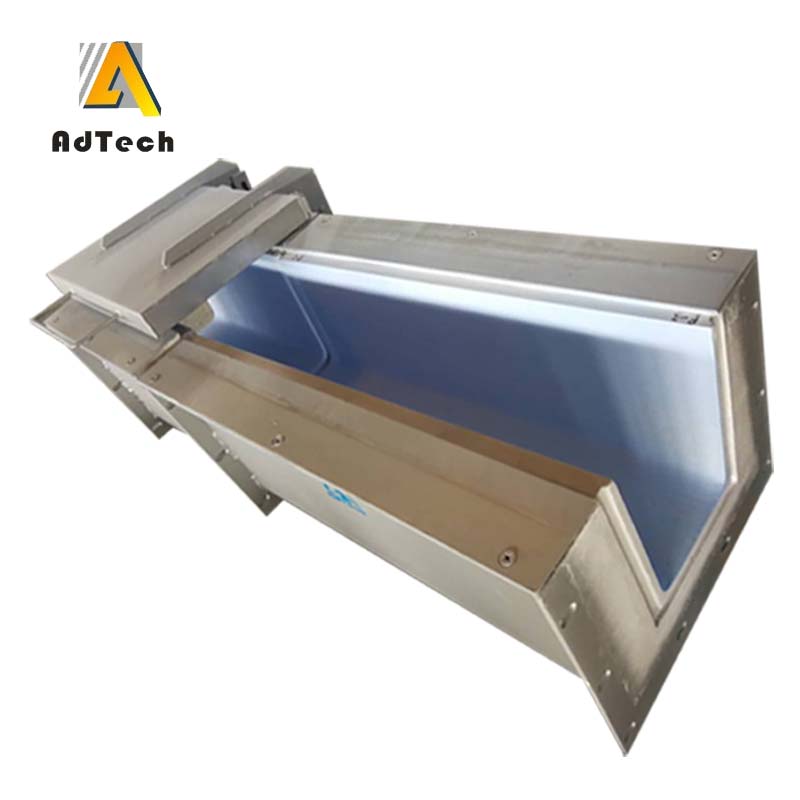 نظام قنوات نقل المعادن للألمنيوم: من فرن الصهر إلى حوض التوزيع
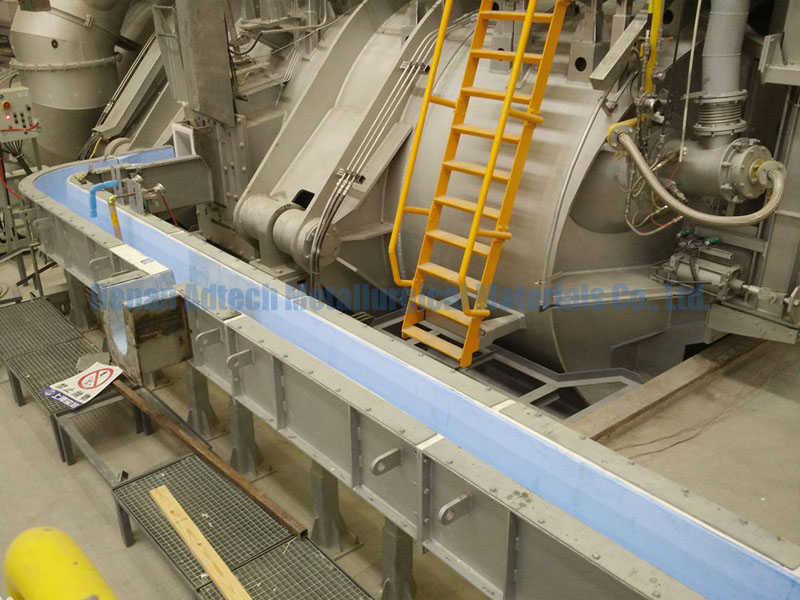 قناة صب الألومنيوم المنصهر في مصنع الصب - ممر مقاوم للحرارة
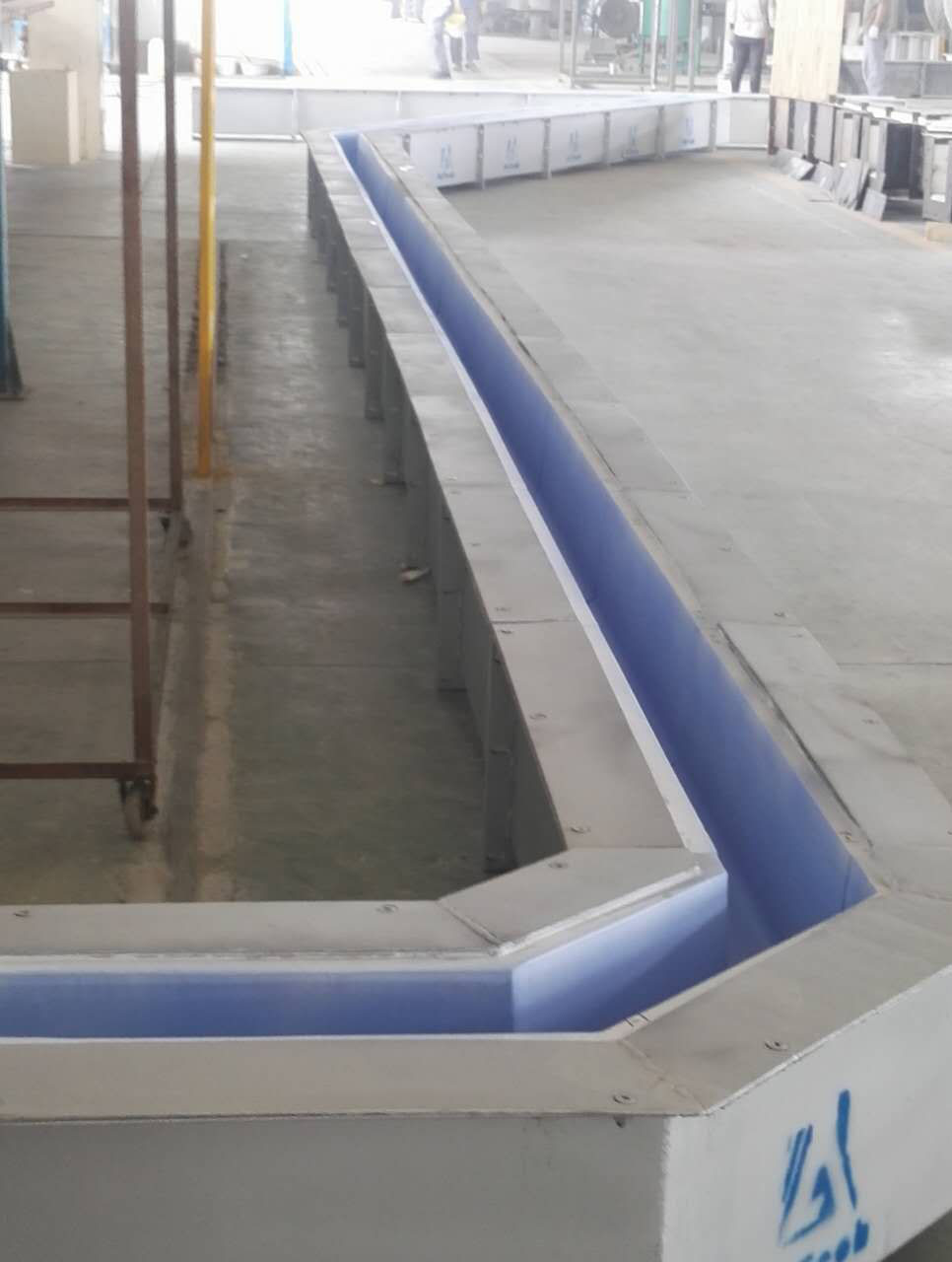 قناة صهر من الألومنيوم المقاوم للحرارة
 نظام قنوات الألمنيوم
Sorry, the comment form is closed at this time.