
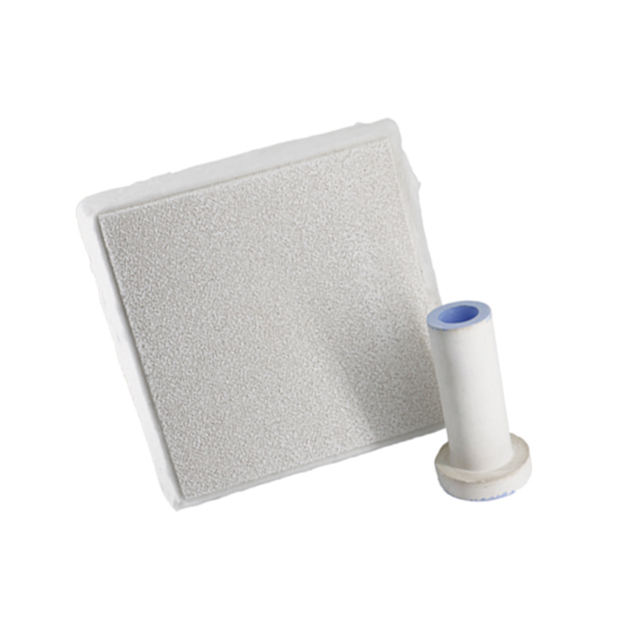
22 يوليو مرشح «لانيك» الرغوي الخزفي
يجب أن يتم اختيار مرشح «Lanik Foam Ceramic» بناءً على متطلبات جودة الصب وعدد الشوائب الموجودة في الألومنيوم المنصهر لتحديد حجم مسام المرشح. ويتم تحديد حجم المرشح بناءً على سرعة الصب ووزن الصب.
عند اختيار مرشح السيراميك الرغوي، يجب مراعاة الجوانب التالية
مادة الصب/درجة حرارة الصب/ارتفاع رأس الصب/حجم الصب/مدة الصب
من أجل ضمان فعالية الترشيح التي يوفرها المرشح، يجب أن يتوافق موقع المرشح وتصميم نظام البوابات أيضًا مع مواصفات معينة.
تركيب المرشح: يجب وضع المرشح في أقرب مكان ممكن من قطعة الصب لتحقيق أقصى كفاءة للترشيح وضبط التدفق.
وبالنظر إلى العوامل العملية، مثل الموضع الذي يمكن وضع المرشح فيه داخل القالب وتصميم نظام القنوات، غالبًا ما يتم وضع المرشح في القناة الرئيسية.
في بعض الأحيان، يتم وضع المرشح في الجزء السفلي من قناة الصب، لكن لا يُنصح بذلك.
نظرًا لأن كفاءة الترشيح وتعديل التدفق في مرشح الرغوة الخزفية سيتأثران بالاضطرابات التي تحدث من قاع قناة الصب وصولاً إلى القناة الرئيسية، يُوصى بتركيب المرشح عموديًا داخل القناة الرئيسية.
سرعة التيار الزائد لـ مرشح «لانيك» الرغوي الخزفي
تتميز معظم عمليات الصب التي تعتمد على معدل تدفق المرشح بوقت صب حرج، وهو ما يتوافق مع أفضل سرعة صب.
عادةً ما تُستمد سرعة الصب من الخبرة أو من مراقبة عدد كبير من قطع الصب في مسبك معين.
في بعض مصانع الصب، يتم ضبط نسبة مساحة المقطع العرضي لكل جزء من نظام القنوات (مساحة المقطع العرضي للقناة الرئيسية: مجموع مساحة المقطع العرضي للقنوات الفرعية: مجموع مساحة المقطع العرضي للبوابة الداخلية) لضمان معدل تدفق مناسب.
تُظهر وسائط الترشيح المختلفة درجة معينة من انخفاض الضغط لأنها تؤثر بشكل كبير على تدفق الحديد المنصهر.
من أجل تقليل تأثير المرشح على سرعة الحديد المنصهر، يجب أن تكون مساحة تدفق المرشح أكبر بكثير من مساحة التحكم في التدفق في نظام البوابات.
يحدث تدفق فائض للمعادن قبل انسداد المرشح. جميع المرشحات لها حد أقصى لتدفق المعادن قبل أن تنسد تمامًا.
نتيجة لتصفية الشوائب، تنخفض المساحة الفعالة للتدفق في المرشح ويحدث انسداد في التدفق.
في الحالات القصوى، قد يؤدي تجاوز هذا الحد إلى توقف التدفق عبر المرشح تمامًا.
تختلف سعة تدفق المرشح اختلافًا كبيرًا باختلاف محتوى الشوائب في الحديد المنصهر، ودرجة حرارة الصب، وتصميم نظام الصب.
يمكن لمصنع الصب تحديد مساحة التدفق التي يحتاجها المرشح بناءً على قيمة التدفق ووزن الصب.
مقالات ذات صلة:
 مرشح رغوي خزفي من كندا
 مرشحات الرغوة الخزفية من Lanik
 شركات تصنيع مرشحات الرغوة الخزفية
 مرشح رغوي بدقة 10 نقطة في البوصة
رغوة سيراميك لمرشحات الصب
مرشح رغوي بدقة 10 نقطة في البوصة
رغوة سيراميك لمرشحات الصب
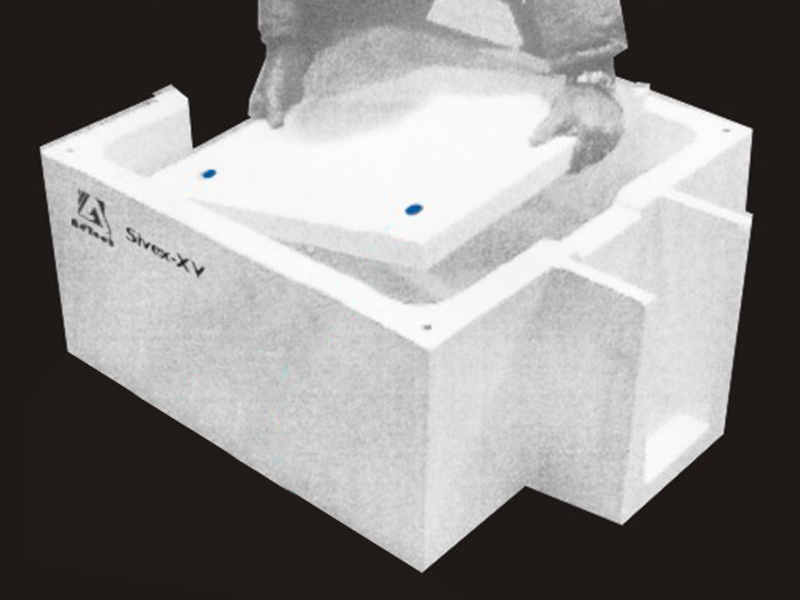 مرشح رغوي خزفي للمسبك
 استخدم مرشحات الرغوة الخزفية من Lanik
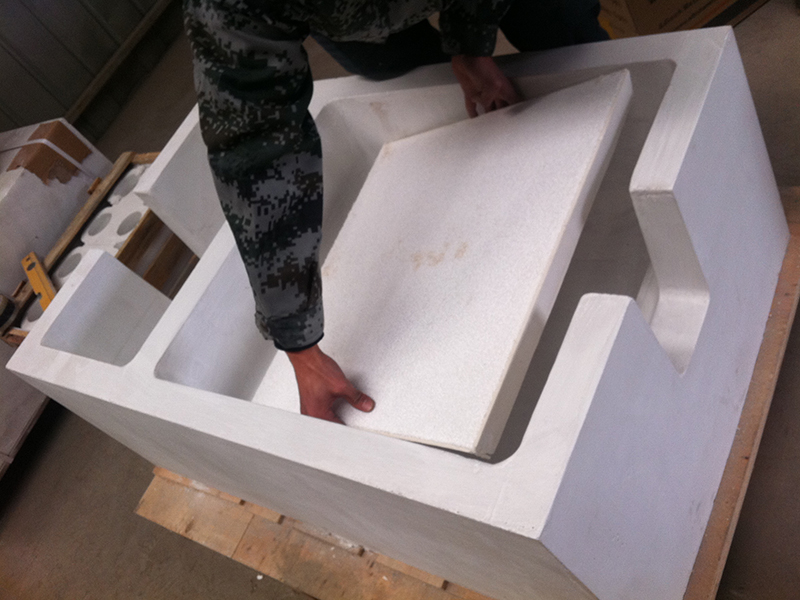 مرشح الألومنيوم السائل
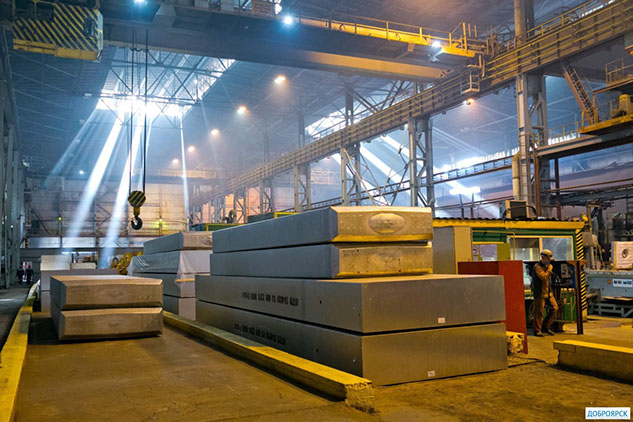 مرشح رغوي خزفي من الألومنيوم كولومبيا
بيع مرشحات الرغوة الخزفية
مرشح رغوي خزفي من الألومنيوم كولومبيا
بيع مرشحات الرغوة الخزفية
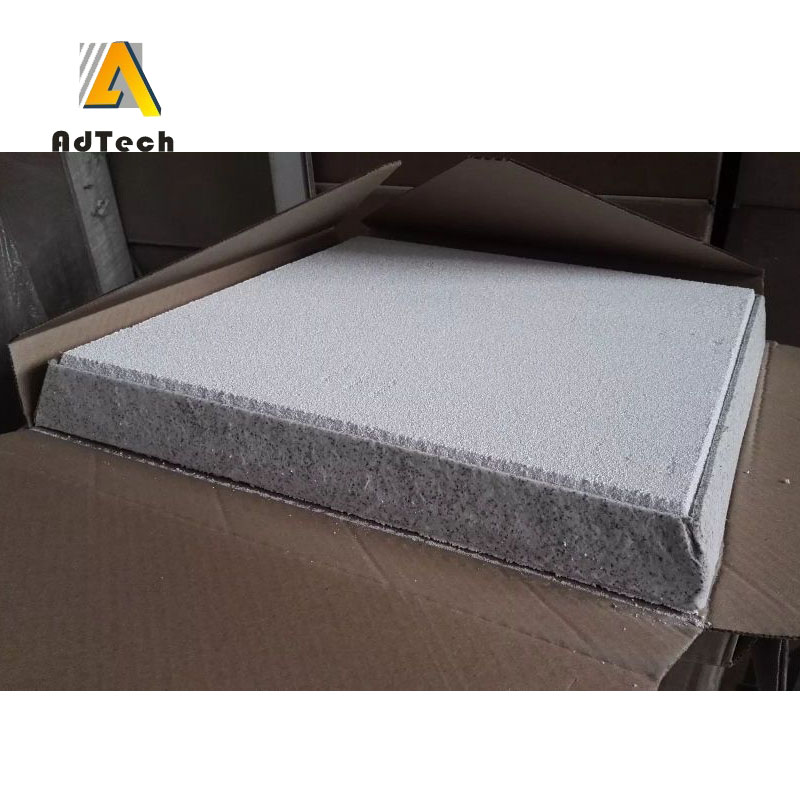 تحديد مقاسات المرشحات الرغوية الخزفية
 اشترِ رغوة تصفية بدقة 20 Ppi
 مرشح رغوي خزفي لترشيح المعادن
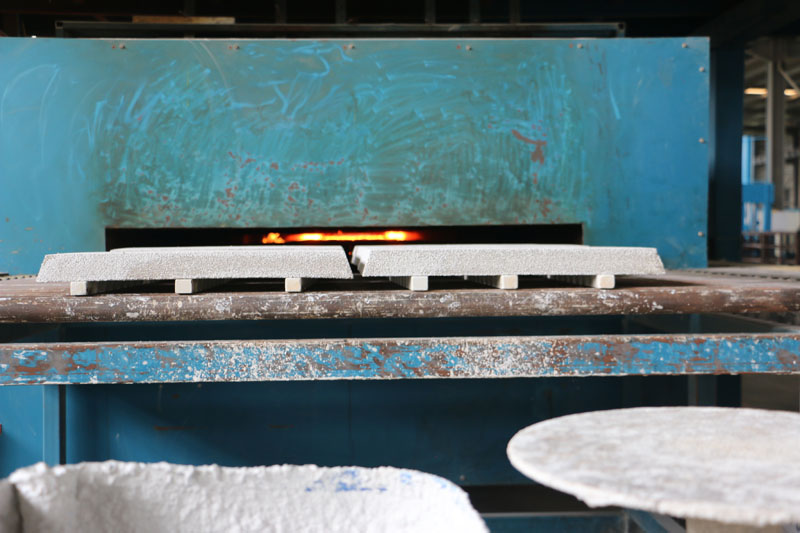 مرشحات الرغوة الخزفية من Lanik
Sorry, the comment form is closed at this time.