

Covering Flux For Aluminium
About This Project
AdTech is dedicated to research and development, production, and market of covering flux for preventing the molten metal from oxidizing and absorbing during the aluminum alloy casting process. Aluminum alloy is easy to absorb hydrogen and oxidize, sprinkling covering flux so that a dense protecting cover is formed to keep the purity of the molten metal. All the covering flux is with appropriate heat treatment, removed absorbed water and crystal water, and screened to uniform size. Molten covering flux will form a dense protecting cover on the surface in a short time, with less viscosity and good flow ability, so as to prevent molten aluminum from oxidizing and absorbing. Covering flux applies to the casting process of multi-series aluminum alloy products, such as micron-sized aluminum foil raw material, PS baseboard for printing, canning material, elastic packaging material, railway transportation, aerospace products, cable& wire, and other molten aluminum degassing, deslaging, purifying.
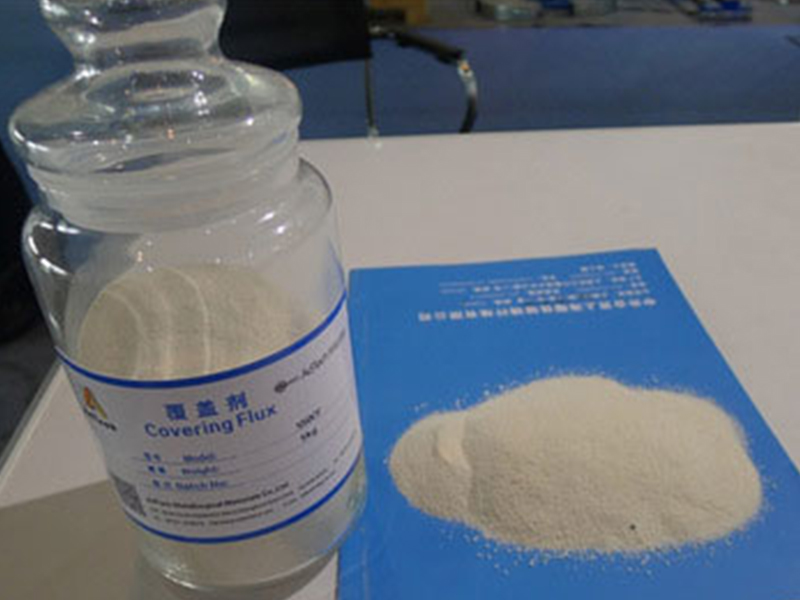
560CF,580CF
Assembles of Covering Flux Facilities
- Covering Flux
- Refining Jar
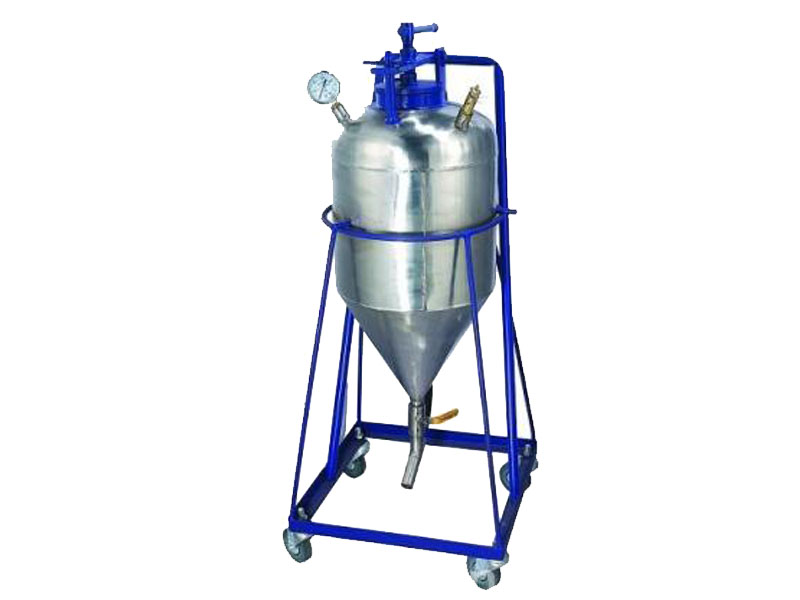
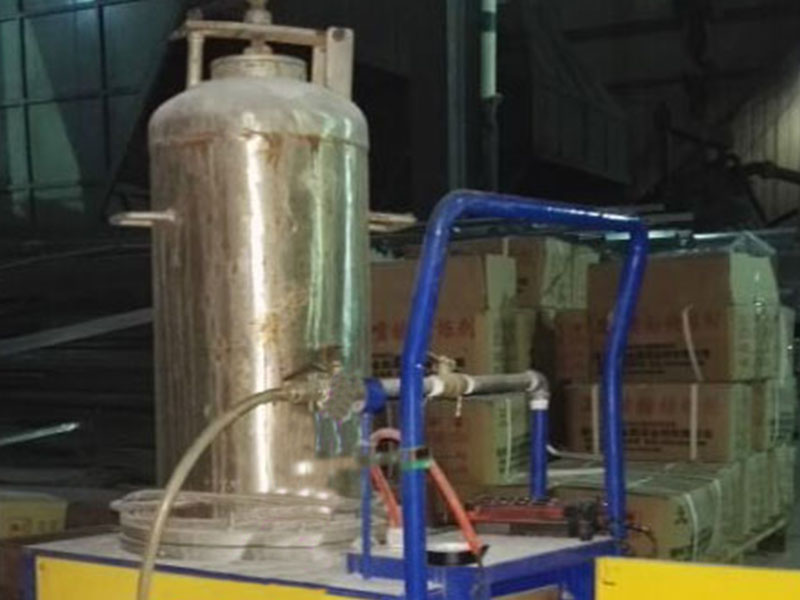
Applications for Covering Flux
AdTech’scovering flux is white powdery fine particles. The main ingredients are chloride and villiaumite, together with other compounds. Spray it with gas from a refining jar as a carrier, and sprinkling it directly to the surface of molten metal manually is permitted. Stir molten metal with covering flux to achieve inclusion removing purpose. It is used for aluminum, non-high magnesium-aluminum alloy, and strontium modifying aluminum alloy covering in the furnace, highly decreases metal loss caused by liquid oxidizing, and reduces oxidizing burning loss. The covering process also forms a physical barrier between molten aluminum and oxidizing gas in the furnace, reducing oxide inclusion forming in molten aluminum, creating a separating effect and good for casting quality. Covering flux helps to meet the requirement of high value-added & high-tech performance aviation, transportation, and another aluminum alloy precise casting.
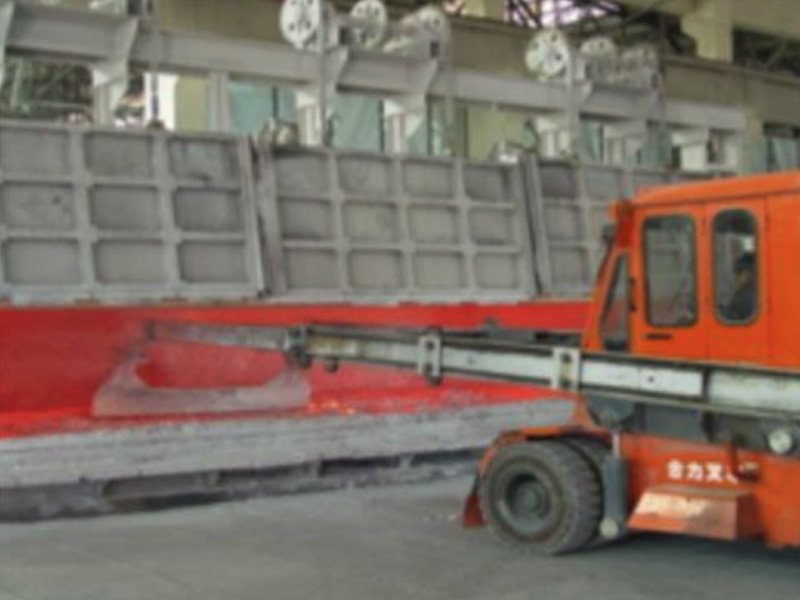
Advantages of Covering Flux
- Form a dense protecting cover to decrease gas input.
- Reduce metal loss caused by molten metal surface oxidizing.
- Moderate melting point, good flow ability, fine covering effect, etc.
- Little dosage, low cost, few metals contained in slag formed by covering process.
Standard covering flux type
| Type | Function | Scope of Application | Dosage per ton | Refining temperature |
| 550CF | Preventing molten metal surface from oxidizing and absorbing | Na type, used for aluminum, non-high magnesium-aluminum alloy covering in the furnace, reduces oxidizing burning loss | 0.5-1.5kg | 720- 740℃ |
| 580CF | Preventing molten metal surface from oxidizing and absorbing | Na-free type, used for high magnesium-aluminum alloy and strontium modifying aluminum alloy covering in the furnace, highly decreases metal loss caused by molten metal surface oxidizing, | 0.5-1.5kg | 720- 740℃ |
Packing Specifications
| Item | Internal Packaging | Carton Packaging | Pallet Packaging | Special Packaging | Storage & Guarantee |
| Index | 2-5kg/bag | Per carton 25kg/carton |
Per pallet 1Ton/pallet |
As per requirement | Stored in a ventilated and dry environment, for 6 to 12 months |
Packaging:
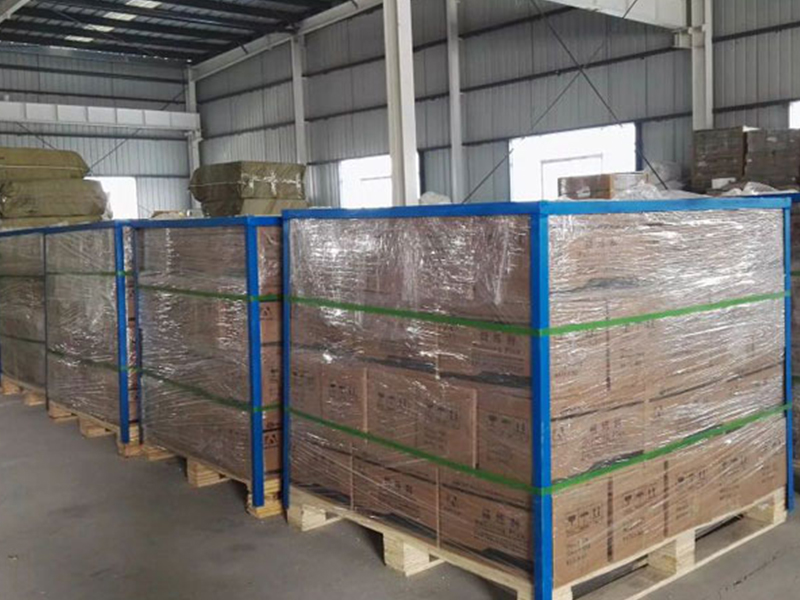
Instructions
- Once aluminum is fully melted, sprinkling covering flux will highly reduce oxidizing burning loss of molten aluminum.
- After molten casting aluminum slagging-off is finished, sprinkling covering flux will highly reduce burning loss of molten aluminum surface, and prevent molten aluminum from gas absorbing again after refining.
- For scores of tons in large-scale furnaces, spraying covering flux with an ejector device will ensure the evenness degree.
- Recommended dosage: 0.5-1.5kg per ton aluminum.
What Is Covering Flux and Why Does It Exist
Covering flux is a compressed mixture of mineral powders, metal alloys, cellulose, silicates, and binding agents extruded or dipped onto a solid steel or alloy core wire. When the electrode burns during Shielded Metal Arc Welding (SMAW), the flux performs four jobs at once: it decomposes to release shielding gas, it melts to form protective slag over the weld pool, it adds deoxidizers and alloying elements to the deposited metal, and it stabilizes the electrical arc so the weld bead stays consistent.
Without a covering, bare wire welding exposes molten steel directly to oxygen and nitrogen in the air. The result is porosity, brittleness, and weak fusion. This is precisely why bare wire welding disappeared from structural work decades ago and why every modern stick electrode, whether it’s an E6011 or an E7018, depends entirely on its flux jacket to produce sound welds.
We often get asked whether flux composition really matters that much between brands. Our answer, based on side-by-side arc tests, is yes. Two electrodes with identical AWS classification can behave completely differently on a welding machine depending on binder ratio, drying process, and raw mineral purity.
The Core Chemistry Behind Covering Flux
Covering flux isn’t a single substance. It’s a formulated blend, and manufacturers guard their exact ratios closely because small percentage shifts change arc characteristics dramatically. Below is a breakdown of the primary raw materials found in most commercial flux formulations.
| Component | Function in the Coating | Typical Materials Used |
|---|---|---|
| Slag formers | Create protective slag layer over weld bead | Titanium dioxide (rutile), silica, mica |
| Gas formers | Release shielding gas during combustion | Cellulose, wood flour, carbonates |
| Arc stabilizers | Maintain smooth, consistent arc ionization | Potassium silicate, sodium silicate, feldspar |
| Deoxidizers | Remove oxygen from molten pool | Ferro-manganese, ferro-silicon |
| Alloying agents | Add strength, toughness, or corrosion resistance | Ferro-molybdenum, ferro-chromium, nickel powder |
| Binders | Hold powder mixture together and bond it to core wire | Sodium silicate, potassium silicate |
The ratio of these ingredients is what separates a rutile electrode from a low-hydrogen basic electrode. A cellulosic-heavy formula burns fast with deep penetration but produces more spatter, while a basic (low-hydrogen) formula burns slower with a tighter arc and produces cleaner, tougher welds suitable for critical structural applications.
How Covering Flux Is Classified by Type
Welders and buyers usually reference flux type before anything else, because it dictates welding position, current type, and mechanical properties. We’ve organized the five recognized categories below.
| Flux Type | AWS Suffix Example | Arc Characteristic | Penetration | Common Use Case |
|---|---|---|---|---|
| Cellulosic | E6010, E6011 | Forceful, deep-digging arc | Deep | Pipeline root passes, vertical-down welding |
| Rutile | E6013 | Smooth, easy-strike arc | Medium | General fabrication, thin sheet metal |
| Basic (Low-Hydrogen) | E7018, E7016 | Stable but requires oven drying | Medium-deep | Structural steel, pressure vessels, seismic work |
| Acidic | E6027 | High deposition, flat welding only | Shallow-medium | Flat position production welding |
| Iron Oxide | E6020 | High deposition rate | Medium | Horizontal fillet welds |
If you are sourcing electrodes for a job that requires impact toughness testing at low temperatures, basic low-hydrogen flux is almost always the answer. We learned this the hard way early on when a client specified E6013 for a project that later failed Charpy impact testing at minus 20 degrees Celsius. Switching to E7018 solved the issue immediately because low-hydrogen flux keeps diffusible hydrogen content below 8 ml per 100g of deposited metal, dramatically reducing cold cracking risk.
Coating Ratio: Thin, Medium, Thick, and Extra-Thick Flux
Coating ratio refers to the ratio between the outer diameter of the coated electrode and the diameter of the bare core wire. This measurement affects deposition rate, arc force, and how forgiving the electrode is for less experienced welders.
| Coating Ratio Class | Diameter Ratio (D/d) | Deposition Efficiency | Welder Skill Requirement |
|---|---|---|---|
| Thin coating | 1.15 to 1.20 | 90-105% | Requires steady hand, less forgiving |
| Medium coating | 1.20 to 1.30 | 105-130% | Moderate, common for general use |
| Thick coating | 1.30 to 1.45 | 130-160% | Beginner-friendly, self-releasing slag |
| Extra-thick coating | Above 1.45 | 160-220% | High deposition production welding |
Thicker coatings generally produce heavier slag coverage that peels off on its own after cooling, which is why many training programs favor thick-coated E6013 electrodes for new welders. Thin-coated electrodes demand tighter arc control but leave less slag to chip away, saving cleanup time on multi-pass structural joints.
Arc Stability and Weld Quality: What Covering Flux Actually Controls
Arc stability isn’t just about comfort for the welder, it directly correlates with porosity rates, bead uniformity, and mechanical strength. Potassium and sodium compounds in the flux ionize the arc gap, making the arc easier to strike and maintain at lower amperages. Electrodes with poor stabilizer content tend to produce an erratic arc that sticks to the workpiece, spatters excessively, and creates inconsistent penetration.
We ran informal comparison tests using three different electrode brands, all classified as E7018, on identical A36 steel plate at identical amperage settings. The brand with a tighter binder-to-mineral ratio produced noticeably less spatter and a more uniform ripple pattern. Radiographic testing on the coupons confirmed lower porosity counts on the higher-quality flux formulation, even though the chemical classification on paper was identical. This is the reality buyers need to understand: AWS classification tells you the minimum standard, not the actual manufacturing quality.
Slag Formation and Its Protective Role
Slag isn’t waste material, it’s an active protective barrier. As the weld pool cools, slag continues shielding the metal from oxygen exposure until solidification completes. Slag also slows the cooling rate of the weld metal, which reduces the risk of martensite formation in higher carbon steels, lowering cracking risk. Electrodes with poorly formulated slag systems either release too early (exposing hot metal to air) or trap slag inclusions inside the weld, both of which show up as defects during radiographic or ultrasonic inspection.
Covering Flux vs Submerged Arc Flux vs Flux-Cored Wire
Buyers new to welding procurement often confuse covering flux with submerged arc welding (SAW) flux or the flux inside flux-cored wire (FCAW). These are three distinct products serving different processes, and mixing them up leads to costly ordering mistakes.
| Feature | Covering Flux (SMAW) | SAW Flux | FCAW Flux Core |
|---|---|---|---|
| Physical form | Solid coating on rod exterior | Loose granular powder | Powder packed inside tubular wire |
| Application | Manual stick welding | Automatic/semi-automatic bulk welding | Semi-automatic wire feed welding |
| Shielding method | Gas + slag from coating | Slag blanket, no visible arc | Gas-shielded or self-shielded |
| Typical deposition rate | Low to medium | Very high | Medium to high |
| Best suited for | Field repair, maintenance, short runs | Long straight production welds | Structural fabrication, outdoor work |
| Portability | Highly portable | Requires flux hopper/recovery system | Portable with wire feeder |
Procurement teams sourcing for shipyard or heavy fabrication should recognize that submerged arc flux and covering flux are not interchangeable purchase categories even though both fall under the general “welding flux” search term. If your RFQ says “flux” without specifying the process, expect suppliers to ask for clarification, or worse, ship the wrong product entirely.
Manufacturing Process: How Flux Gets Applied to the Core Wire
Understanding the manufacturing process helps buyers evaluate supplier quality claims more critically. The typical production sequence looks like this:
- Core wire is drawn to specification diameter and cut to standard lengths (usually 350mm or 450mm).
- Raw flux ingredients are dry-mixed in precise ratios according to the formulation recipe.
- Liquid binder (sodium or potassium silicate) is added to form a paste.
- The paste is extruded under hydraulic pressure around the core wire, centering it precisely.
- Coated electrodes pass through a drying tunnel at controlled temperature.
- Electrodes undergo baking at higher temperature to reduce moisture content, particularly critical for low-hydrogen types.
- Finished electrodes are tested for coating concentricity, then packaged in moisture-resistant containers.
The baking stage is where quality separates dramatically between manufacturers. Low-hydrogen electrodes require baking around 350 to 450 degrees Celsius to drive out moisture that would otherwise introduce hydrogen into the weld metal. Manufacturers who cut corners on baking time produce electrodes that look identical on the shelf but perform poorly in the field, particularly on thick-section structural steel where hydrogen cracking becomes a real risk.
Selecting the Right Covering Flux for Your Application
Choosing the correct flux type isn’t guesswork, it follows a logical decision path based on base metal, joint position, and service conditions. We put together this decision framework based on years of specification work with fabrication shops.
| Application Scenario | Recommended Flux Type | Reasoning |
|---|---|---|
| Pipeline root pass, open butt joint | Cellulosic (E6010) | Deep penetration handles gaps and gets full fusion at root |
| General sheet metal fabrication | Rutile (E6013) | Easy arc control, good appearance, low cost |
| Seismic structural steel connections | Low-hydrogen basic (E7018) | Low hydrogen content prevents delayed cracking |
| High-sulfur or dirty base metal | Basic flux | Better tolerance for contamination, cleaner weld pool |
| Cast iron repair | Nickel-based flux electrode | Controls dilution and matches thermal expansion |
| Stainless steel fabrication | Lime or titania-based stainless flux | Matches corrosion resistance requirements |
| Vertical-up welding on thick plate | Cellulosic or basic, position-rated | Fast-freezing slag supports gravity-defying passes |
One detail that trips up a lot of buyers: not every electrode diameter is rated for every position. A 5mm E7018 electrode often can’t run vertical-up as smoothly as a 3.2mm electrode of the same classification because the larger flux mass takes longer to solidify. Always check the position rating printed on the box, not just the classification code.
Common Defects Traced Back to Covering Flux Problems
When a weld fails inspection, the root cause frequently traces back to the flux rather than the welder’s technique or the core wire metallurgy. Here are the defects we see most often linked directly to flux issues.
| Defect | Flux-Related Cause | Prevention Method |
|---|---|---|
| Porosity | Moisture absorbed into coating, contaminated raw minerals | Proper rebaking, sealed storage |
| Hydrogen-induced cracking | Excess moisture in low-hydrogen coating | Oven baking before use per manufacturer spec |
| Slag inclusions | Poor slag detachment formulation, incorrect travel speed | Use correct flux type for position, clean between passes |
| Excessive spatter | Wrong arc stabilizer ratio or wet coating | Store in dry cabinet, verify supplier QC |
| Arc blow / erratic arc | Inconsistent binder distribution during extrusion | Source from manufacturer with tight QC tolerances |
| Coating cracking or spalling | Overheating during drying stage in manufacturing | Inspect coating integrity before purchase acceptance |
We had a client once report cracking on a batch of what was supposed to be premium E7018 rod. On inspection, the coating had visible hairline cracks running parallel to the core wire, a clear sign of thermal shock during the manufacturing drying stage. That entire lot got rejected and returned. This is exactly why visual inspection of incoming electrode shipments matters as much as checking the certification paperwork.
Storage, Handling, and Shelf Life Requirements
Covering flux is hygroscopic, meaning it absorbs moisture from the surrounding air, and this single fact drives most of the handling rules in professional welding shops. Moisture in the coating converts to hydrogen during arc combustion, and hydrogen is the number one cause of delayed cracking in high-strength steel welds.
| Flux Type | Storage Humidity Limit | Rebaking Temperature | Rebaking Duration | Max Exposure Time Before Rebaking |
|---|---|---|---|---|
| Cellulosic (E6010/6011) | Not moisture-sensitive in the same way | Not typically rebaked | N/A | Can tolerate ambient air exposure |
| Rutile (E6013) | Below 60% RH | 100-150°C | 1 hour | 8 hours open exposure |
| Basic low-hydrogen (E7018) | Below 50% RH | 350-450°C | 1-2 hours | 4 hours open exposure |
| Stainless steel flux | Below 50% RH | 200-300°C | 1-2 hours | 4 hours open exposure |
Notice that cellulosic electrodes actually need some moisture in their coating to function correctly since the cellulose combustion process that generates shielding gas depends partly on that moisture content. This surprises a lot of people who assume all electrodes should be kept bone dry. Basic low-hydrogen electrodes are the opposite story entirely, and shops running critical structural work typically keep a holding oven at 100 to 150 degrees Celsius right at the welding station so electrodes never sit exposed longer than the recommended window.
Industry Standards Governing Covering Flux Composition
Covering flux formulations aren’t arbitrary, they’re governed by classification standards that dictate chemical composition ranges, mechanical property minimums, and testing procedures.
| Standard Body | Standard Code | Scope |
|---|---|---|
| American Welding Society | AWS A5.1 | Carbon steel covered electrodes |
| American Welding Society | AWS A5.5 | Low-alloy steel covered electrodes |
| American Welding Society | AWS A5.4 | Stainless steel covered electrodes |
| International Organization for Standardization | ISO 2560 | Covered electrodes for non-alloy and fine grain steels |
| European Standard | EN ISO 3580 | Creep-resisting steel electrodes |
| Japanese Industrial Standards | JIS Z3211 | Covered electrodes for mild steel |
When we evaluate a new supplier, the first document we request isn’t a marketing brochure, it’s the mill test certificate showing actual chemical composition and mechanical test results against the specific AWS or ISO classification claimed on the box. A legitimate manufacturer will have this on hand instantly. Hesitation on providing test certificates is a red flag worth taking seriously during vendor qualification.
Frequently Asked Questions
What happens if welding flux gets wet during storage?
Moisture absorbed into the coating converts to hydrogen gas during arc combustion, which can cause porosity in rutile electrodes and dangerous delayed cracking in low-hydrogen basic electrodes used on high-strength steel. Wet low-hydrogen electrodes should be rebaked at 350-450°C before use, not simply air-dried.
Can covering flux be used with AC and DC welding machines interchangeably?
It depends on the specific formulation. Cellulosic electrodes like E6011 are formulated with potassium compounds specifically to run well on AC, while basic electrodes like E7016 also handle AC, but E7018 variants sometimes perform better on DC electrode positive depending on the manufacturer’s stabilizer package. Always check the polarity rating on the electrode packaging.
Why does my electrode arc feel harsh and produce excessive spatter?
Harsh arc characteristics typically point to either moisture contamination in the coating, an incorrect amperage setting relative to electrode diameter, or a formulation with insufficient arc stabilizer content. Try a fresh, properly stored electrode from a sealed container before assuming the machine settings are the problem.
Is thicker flux coating always better quality?
No. Coating thickness relates to deposition rate and ease of use, not inherent quality. A thin-coated electrode from a reputable manufacturer with tight quality control will outperform a thick-coated electrode with inconsistent mineral distribution.
How long can I leave low-hydrogen electrodes out of the oven during a work shift?
Most manufacturers specify a maximum of 4 hours exposure to normal shop atmosphere before moisture pickup becomes a concern, though this shortens significantly in high-humidity environments. Many shops use portable holding ovens at the welding station to avoid this problem entirely.
What’s the difference between E6010 and E6011 flux formulation?
Both are cellulosic electrodes with deep penetrating arcs, but E6010 is formulated for DC electrode positive current only, while E6011 contains additional potassium compounds in the flux that allow it to run on AC as well as DC.
Does covering flux affect the mechanical strength of the weld or just the appearance?
Flux directly affects mechanical strength through alloying additions, hydrogen control, and impurity removal. Low-hydrogen basic flux formulations exist specifically because they reduce hydrogen-induced cracking risk in high-strength steel, a mechanical property concern, not a cosmetic one.
Can I substitute a rutile electrode for a low-hydrogen electrode on structural steel?
Generally no, particularly on thick sections, high-restraint joints, or seismic-rated structures. Building codes and structural specifications frequently mandate low-hydrogen electrodes specifically because rutile flux doesn’t control diffusible hydrogen to the same standard.
How do I verify covering flux quality before placing a bulk order?
Request the mill test certificate matching the specific batch or lot number, ask for independent third-party test reports if available, and request small trial quantities for arc testing before committing to full container orders.
Why do some electrodes produce self-releasing slag while others require chipping?
Slag detachment behavior comes from the silicate and mineral ratio in the flux formulation. Manufacturers formulate certain rutile and thick-coated electrodes specifically for self-peeling slag to reduce cleanup labor, while basic low-hydrogen formulations often produce tighter-adhering slag as a tradeoff for better mechanical properties.